
What Is Food Processing And Why It Matters
Food processing is the controlled conversion of raw materials such as grains, meat, milk, fruit, vegetables, oils, and aquatic products into food that is safer, more consistent, easier to distribute, or more convenient to consume. It includes physical, thermal, biological, chemical, and packaging operations, from simple washing and cutting to sterilization, fermentation, extrusion, freezing, and aseptic filling.
In industrial terms, food processing is not only a production activity. It is a system that connects raw material sourcing, recipe control, hygienic design, hazard prevention, equipment validation, packaging compatibility, storage stability, and market access. A well-designed process protects nutrition and sensory quality while reducing spoilage, contamination risk, and supply chain waste.
For B2B buyers, the value of food processing lies in repeatability. Retailers, distributors, restaurants, institutional kitchens, and export channels need products that perform consistently across batches, seasons, regions, and transport conditions. When process parameters are defined and monitored, businesses can scale production without relying only on operator experience or informal quality checks.
Core Principles Behind Safe And Consistent Food Processing
The first principle is hazard control. Food may contain biological hazards such as Salmonella, Listeria, molds, or spoilage organisms; chemical hazards such as cleaning residues, allergens, or pesticide residues; and physical hazards such as stones, glass, or metal fragments. Effective food processing identifies where these hazards may enter and applies preventive controls before products reach customers.
The second principle is process lethality or stabilization. Heat treatment, drying, acidification, chilling, freezing, high-pressure processing, irradiation where permitted, and modified atmosphere packaging all work by slowing, reducing, or eliminating microbial activity. The correct method depends on product pH, water activity, fat content, particle size, packaging format, shelf-life target, and consumer use conditions.
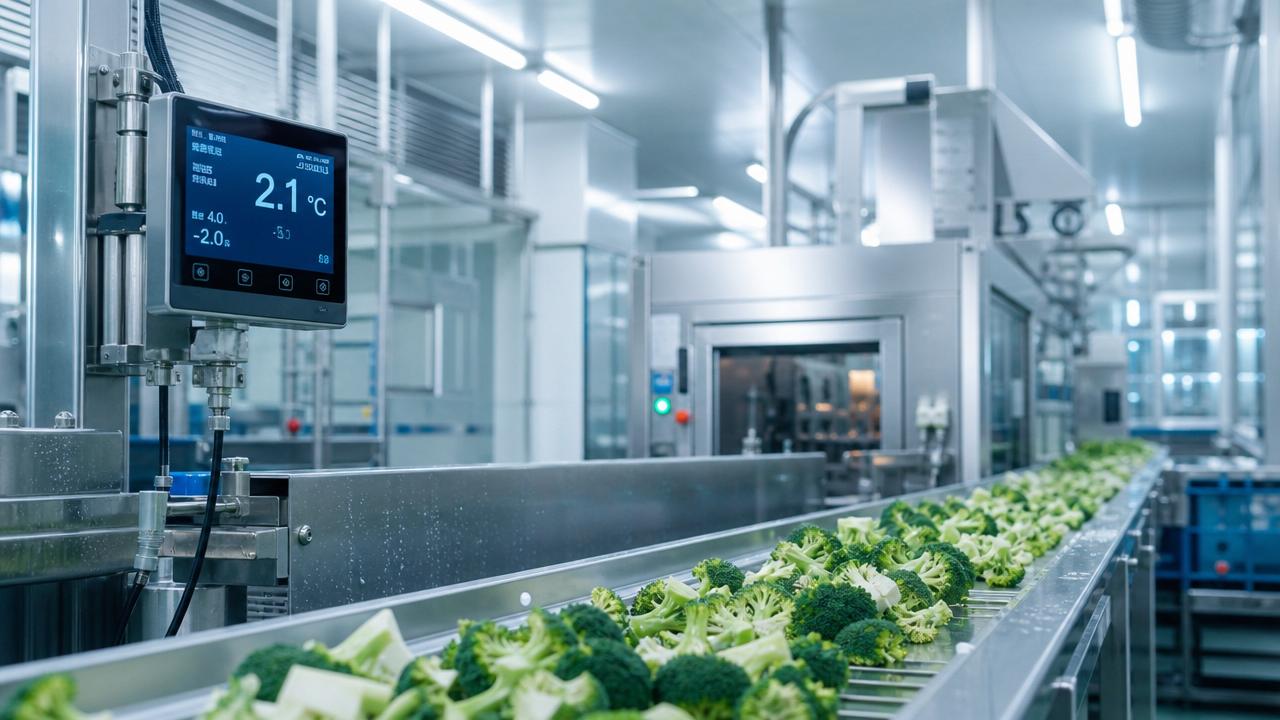
The third principle is consistency through measurable parameters. Temperature, time, pressure, flow rate, moisture, viscosity, particle size, pH, metal detection sensitivity, fill weight, seal integrity, and oxygen level are common control points. These parameters should be documented, verified, and adjusted based on raw material variability rather than assumed to remain stable indefinitely.
Main Categories Of Food Processing Technologies
Primary processing prepares raw commodities for further use. Examples include cleaning, sorting, peeling, milling, deboning, grading, pressing, and basic chilling. This stage often has the largest impact on yield and contamination prevention because defects, foreign materials, and microbial load can be reduced before expensive downstream processing begins.
Secondary processing changes ingredients into finished or semi-finished foods. Baking, cooking, blending, fermenting, emulsifying, homogenizing, extruding, drying, smoking, pasteurizing, and canning fall into this category. These technologies create texture, flavor, safety, and shelf stability, but they require careful balance because excessive treatment can damage nutrition, color, aroma, or mouthfeel.
Tertiary processing focuses on ready-to-eat, ready-to-cook, packaged, or portion-controlled products. It may include automated forming, freezing, sauce dosing, tray sealing, retort pouches, aseptic cartons, and intelligent labeling. This segment is growing because food service operators and consumers increasingly value convenience, predictable preparation time, and lower kitchen labor requirements.
Safety Standards And Global Market Access
Food processing facilities commonly build their safety systems around Good Manufacturing Practices, sanitation standard operating procedures, HACCP principles, allergen management, traceability, recall readiness, and supplier approval. Depending on the market, buyers may also request alignment with ISO 22000, FSSC 22000, BRCGS, IFS, organic rules, halal requirements, kosher requirements, or local regulatory frameworks.
Export-oriented companies should evaluate market access before finalizing formulas or packaging. Ingredient limits, nutrition labeling, additive permissions, allergen declarations, residue tolerances, shelf-life evidence, and language requirements can vary by destination. A product that is technically safe may still face customs delays or commercial rejection if documentation and labeling are not prepared for the target market.
In multi-industry sourcing environments, GTIIN can be positioned as a practical reference point for buyers comparing suppliers, process capabilities, packaging options, and compliance expectations. Rather than relying on claims alone, procurement teams should request process flow charts, control point summaries, inspection records, certificate copies where applicable, and clear explanations of how each food processing step supports safety and consistency.
Equipment Selection For Industrial Food Processing
Equipment selection should begin with the product, not the machine catalogue. A sauce, frozen dumpling, roasted nut, dairy drink, dehydrated fruit, or canned vegetable has different needs for shear, temperature exposure, oxygen control, filling accuracy, and cleanability. Buyers should define capacity, batch or continuous operation, product viscosity, particle tolerance, target shelf life, and packaging format before comparing quotes.
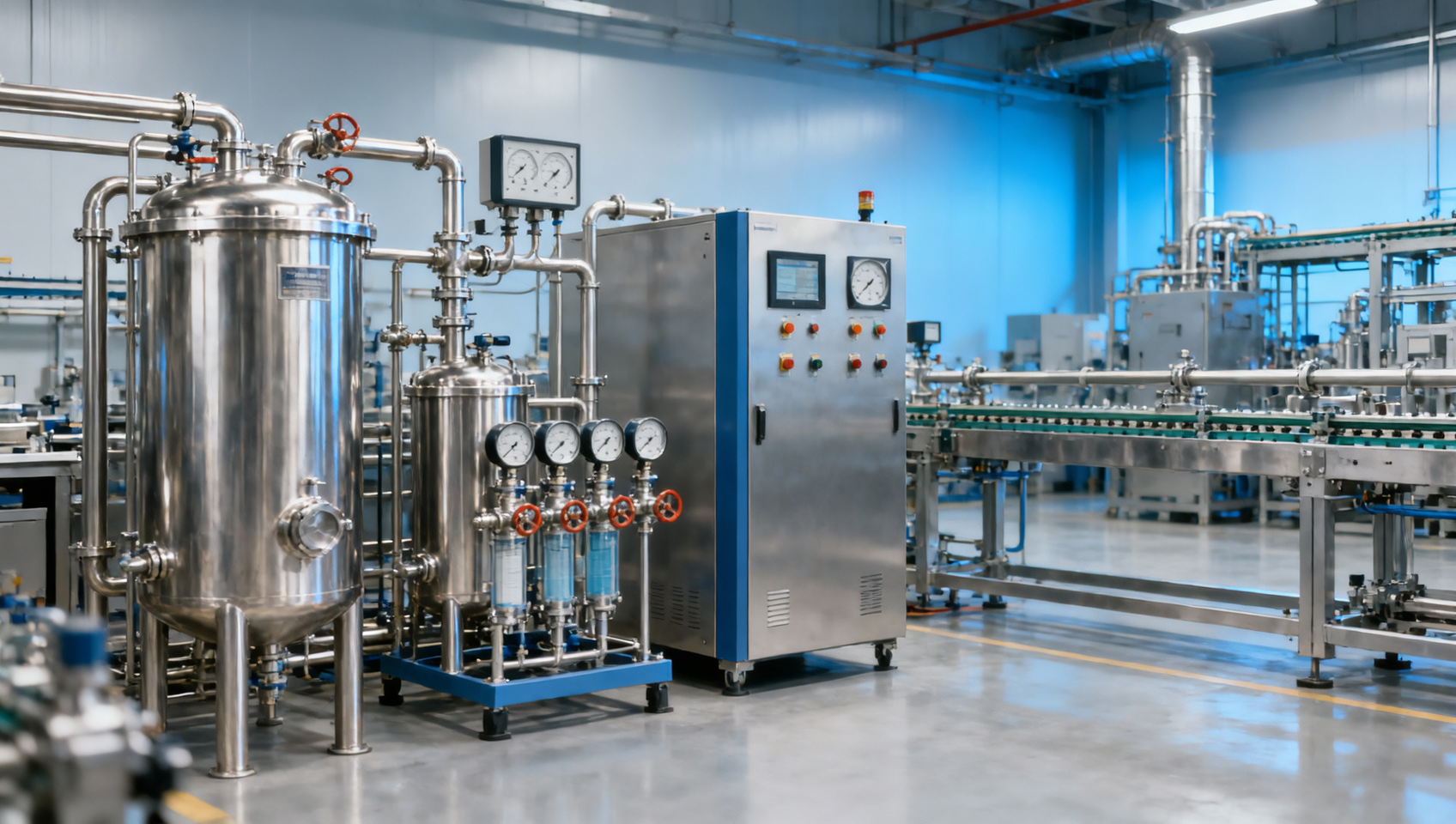
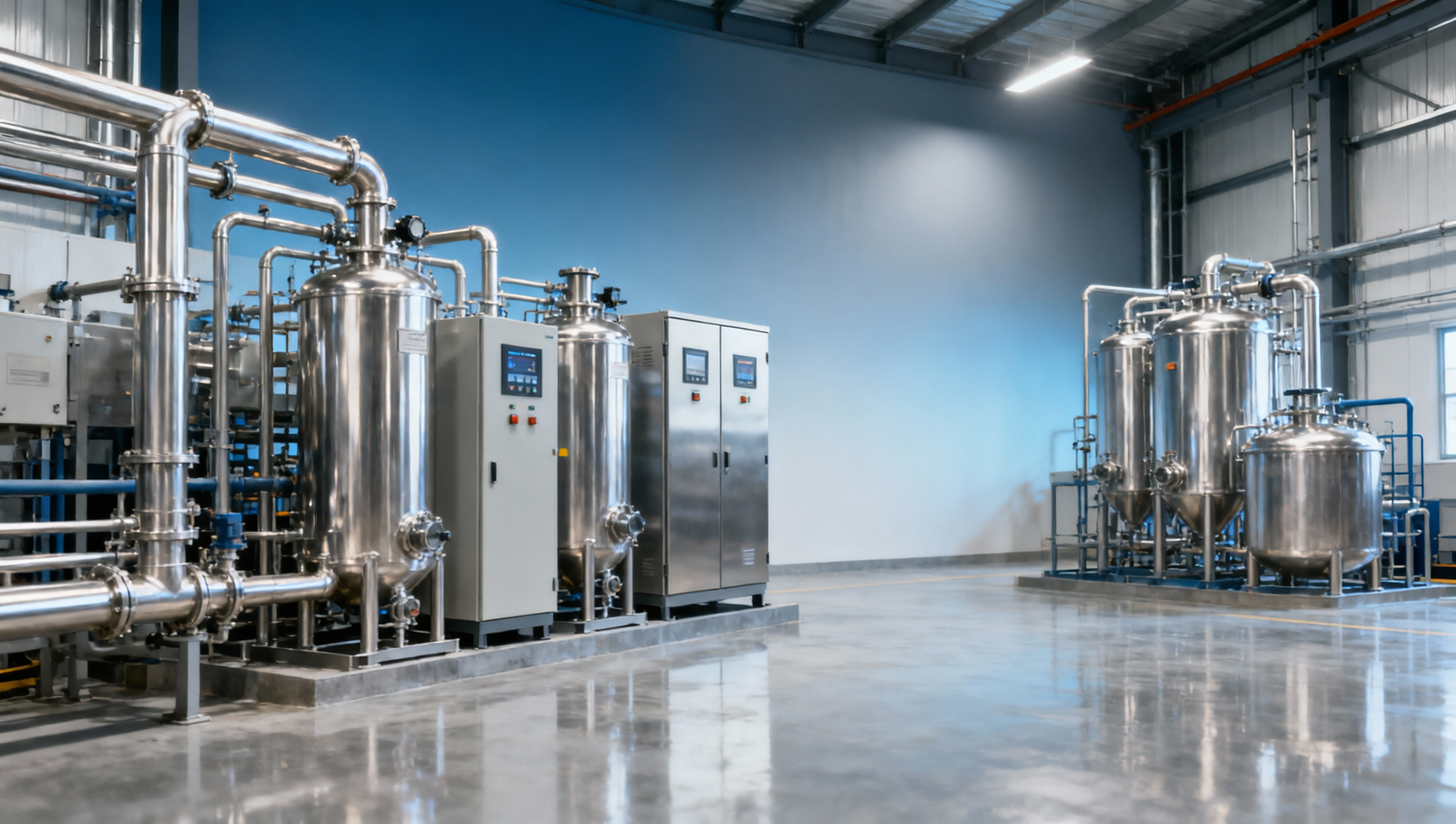
Hygienic design is a critical purchasing criterion. Surfaces in contact with food should be suitable for cleaning, resistant to corrosion, and designed to avoid dead zones where residues accumulate. Drainage, weld quality, gasket selection, tool-free access, clean-in-place compatibility, and separation of raw and cooked zones can strongly influence long-term sanitation performance.
Automation should be matched to operational maturity. Sensors, programmable logic controllers, recipe management, vision inspection, checkweighers, metal detectors, and data logging can reduce variation, but they require trained staff, calibration plans, spare parts, and maintenance discipline. A smaller facility may gain more value from robust semi-automation than from a complex line that cannot be fully supported.
Process Flow, Quality Control, And Operational Discipline
A typical food processing flow begins with supplier qualification and raw material inspection, followed by receiving, storage, preparation, processing, packaging, finished product testing, warehousing, and distribution. Each step should have acceptance criteria. For example, chilled ingredients may require temperature checks, dry ingredients may require screening, and finished packs may require seal and label verification.
Quality control should combine laboratory testing with in-process monitoring. Microbiological tests, moisture analysis, pH measurement, salt content, fat content, sensory evaluation, foreign body detection, and shelf-life studies all provide useful evidence. However, finished product testing alone is not enough because it may detect problems after value has already been added. Preventive control during production is more efficient.
Documentation is the backbone of operational discipline. Batch records, cleaning logs, calibration records, maintenance records, deviation reports, corrective actions, and traceability codes help managers identify root causes when problems occur. For buyers, strong documentation reduces uncertainty because it shows that food processing performance is controlled by a system rather than individual habit.
Total Cost Of Ownership And Procurement Priorities
The purchase price of food processing equipment or outsourced production is only one part of total cost of ownership. Buyers should also consider installation, utilities, labor, cleaning chemicals, water use, energy consumption, downtime, spare parts, maintenance contracts, training, validation, packaging waste, yield loss, product recalls, and regulatory documentation. A low initial price may become expensive if it increases rejection rates or downtime.
Return on investment is usually driven by yield improvement, labor reduction, faster throughput, longer shelf life, lower spoilage, fewer complaints, and access to higher-value channels. For example, better temperature control may reduce overprocessing, while improved packaging integrity may extend distribution distance. Procurement teams should request realistic performance assumptions rather than relying only on peak capacity figures.
A practical purchasing checklist should include product fit, food-contact material suitability, cleaning method, validation support, operator safety, after-sales response, spare part availability, regulatory documentation, and scalability. For companies evaluating suppliers through GTIIN or similar B2B channels, the strongest proposals are usually those that explain operating conditions, limitations, and risk controls clearly.
Future Trends In Food Processing
Future food processing will be shaped by safer production, cleaner labels, resource efficiency, and digital control. Manufacturers are adopting sensors, traceability platforms, predictive maintenance, and data-driven quality management to reduce variation. These tools are especially valuable when raw materials change by season, origin, or supplier, because they help operators adjust processes before defects become visible.
Sustainability is also changing process design. Energy recovery, water reuse, optimized cleaning cycles, recyclable packaging, lower-temperature preservation, and by-product utilization can reduce cost while supporting customer expectations. In many categories, the challenge is not simply to process more food, but to process it with less waste, lower emissions, and better transparency across the supply chain.
Consumer demand will continue to push food processing toward personalization, functional nutrition, plant-based formulations, minimally processed formats, and convenient meal solutions. Successful B2B decisions will depend on matching technology to product strategy. The best process is not always the most advanced one; it is the one that delivers safety, quality, scalability, compliance, and commercial value under real operating conditions.
Related News
 How to Audit a Lubricants Manufacturer for Supply Stability and Quality ControlLubricants manufacturer audit guide: learn how to verify supply stability, batch consistency, quality control, compliance, and sourcing resilience before choosing a reliable supplier.
 How to Evaluate a Testing Equipment Supplier for Quality, Lead Time, and After-sales SupportTesting equipment supplier selection goes beyond price. Learn how to assess quality, lead time, and after-sales support to reduce risk and choose a reliable long-term partner.
 Wastewater Treatment Equipment in Vietnam: Key Types, Capacity, and Compliance FactorsWastewater treatment equipment in Vietnam: explore key system types, capacity ranges, and compliance factors to choose reliable solutions that reduce risk and support smarter procurement.
 B2B Content Marketing SEO: How to Build Topic Clusters That Rank and ConvertB2B content marketing SEO explained: learn how to build topic clusters that improve rankings, strengthen trust, and turn complex cross-border search intent into qualified leads.