



What Blood Pressure Monitors Measure And Why Readings Matter
Blood pressure monitors are medical measurement devices designed to estimate the force of circulating blood against artery walls. A standard reading includes systolic pressure, diastolic pressure, and pulse rate. Systolic pressure reflects arterial force during heart contraction, while diastolic pressure reflects pressure when the heart relaxes between beats. Together, these values help clinicians and users track cardiovascular risk, medication response, and day-to-day changes that may not be visible through symptoms alone.
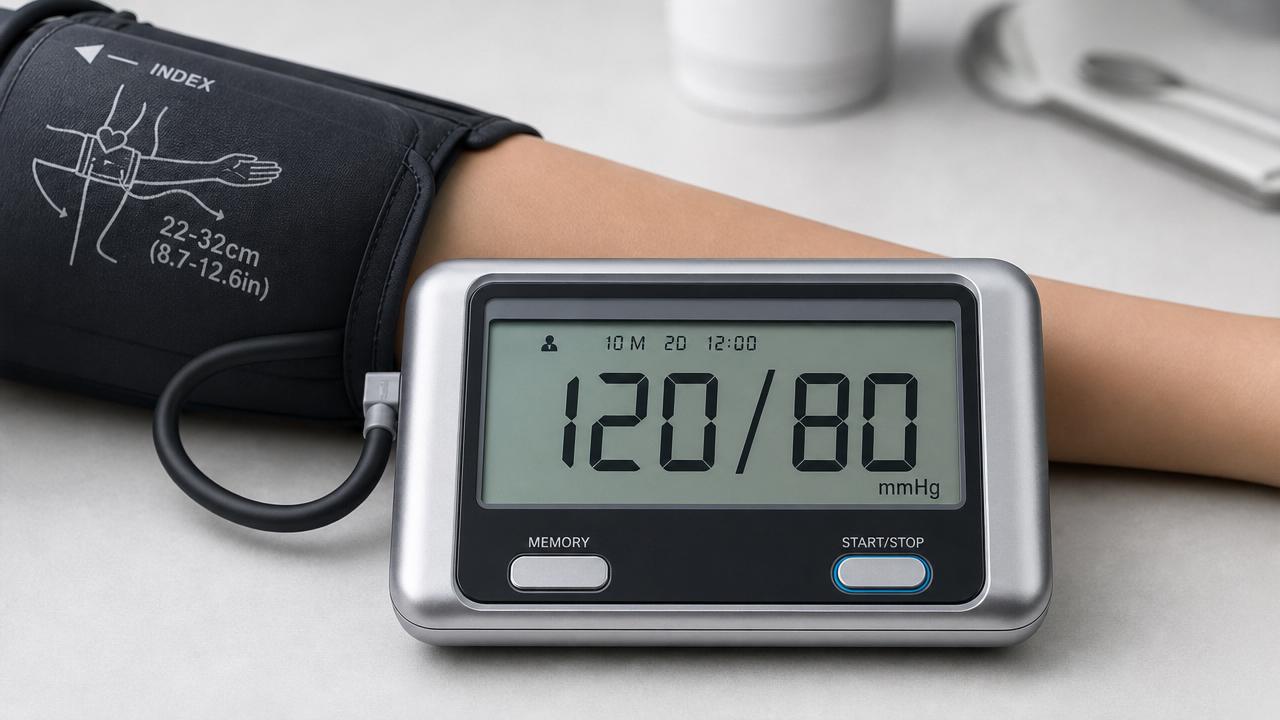
Most modern blood pressure monitors display results in millimeters of mercury, written as mmHg. Although the name comes from older mercury columns, digital devices commonly use pressure sensors and algorithms rather than liquid mercury. A typical adult reading is interpreted according to clinical guidelines that may vary by country or medical society. For procurement teams, the key point is that the device is not only a consumer gadget; it is part of a measurement system involving hardware, software, cuff fit, user behavior, and documentation.
In B2B environments, blood pressure monitors support pharmacies, occupational health programs, hospitals, telehealth platforms, insurance wellness initiatives, and long-term care facilities. The value of the device depends on repeatability, user compliance, clear displays, data handling, and serviceability. A monitor that is easy to use incorrectly can create misleading trends, unnecessary follow-up, or missed warning signs, so specification work should begin with the intended workflow rather than with price alone.
A useful definition of blood pressure monitors therefore includes three layers: the physical measurement unit, the cuff or sensing interface, and the interpretation ecosystem. The physical unit inflates, senses, and calculates. The cuff transfers arterial pressure changes to the device. The ecosystem includes validation, training, connectivity, record keeping, and maintenance. Understanding these layers helps buyers compare products more fairly and helps users obtain readings that are consistent enough to guide decisions.
How Blood Pressure Monitors Convert Cuff Pressure Into Numbers
The measurement process begins when a cuff wraps around the upper arm or wrist and inflates to temporarily compress the artery. As the cuff slowly releases pressure, blood flow returns in pulses. Traditional manual measurement uses a stethoscope to hear Korotkoff sounds, which appear and disappear as pressure changes. Digital blood pressure monitors usually use the oscillometric method, detecting tiny pressure oscillations in the cuff caused by arterial pulsation.
In oscillometric devices, the sensor first records a pressure curve during deflation or inflation. The strongest oscillations are typically near mean arterial pressure. The device algorithm then estimates systolic and diastolic values by analyzing the shape, amplitude, and timing of the oscillation pattern. Different manufacturers may use different algorithm details, which is why independent clinical validation matters. Two devices can look similar externally while producing different reliability in specific user groups.
Accuracy depends on signal quality. Movement, talking, crossed legs, unsupported arms, a full bladder, recent caffeine, exercise, and poor cuff placement can all distort readings. Arrhythmias may also challenge automated blood pressure monitors because irregular pulse intervals make oscillation patterns harder to interpret. For clinical or procurement use, instructions for rest time, posture, cuff positioning, and repeated measurements should be treated as part of the device performance, not as optional accessories.
A reliable reading is usually produced through a controlled sequence: rest quietly, position the cuff at heart level, keep the arm supported, remain still, measure at a consistent time, and record multiple readings when appropriate. Many digital blood pressure monitors include averaging functions to reduce random variation. In professional settings, policy should define whether the first reading is discarded, how many readings are averaged, and how results flow into patient records or wellness dashboards.
Cuffs, Sensors, And Measurement Methods Compared
The cuff is one of the most important components of blood pressure monitors. A cuff that is too small may overestimate pressure, while a cuff that is too large may underestimate it. Proper fit is usually based on arm circumference, not on general body size. B2B buyers should confirm the availability of multiple cuff sizes, clear size markings, durable hook-and-loop materials, replacement options, and instructions that can be understood by both trained staff and first-time users.
Upper-arm blood pressure monitors are often preferred for routine clinical and home measurement because the brachial artery provides a stable site close to heart level. Wrist devices can be compact and convenient, but positioning is more sensitive; if the wrist is below or above heart level, the result may shift. Finger-based devices are less common for diagnostic use because peripheral circulation and temperature can strongly affect readings. The best method depends on accuracy requirements, user mobility, and environment.
Manual aneroid monitors remain useful in trained clinical hands because they are inexpensive, portable, and do not rely on complex electronics. However, they require hearing, technique, and regular calibration. Mercury devices are historically important but are restricted or phased out in many markets because of environmental concerns. Digital automatic blood pressure monitors are now dominant in home care and high-volume screening because they reduce operator dependency and can support memory, averaging, and connectivity.
Sensors inside digital devices are typically pressure transducers combined with valves, pumps, microcontrollers, and software. Some units measure during deflation, while others measure during inflation to improve comfort and reduce total measurement time. In procurement, comfort should not be dismissed as a soft feature. If inflation is painful or slow, users may avoid regular monitoring. A practical specification balances sensor performance, cuff ergonomics, display clarity, battery life, cleaning requirements, and workflow compatibility.
Main Categories And Selection Standards For B2B Buyers
The main categories of blood pressure monitors include home-use automatic upper-arm devices, wrist monitors, professional vital signs monitors, ambulatory blood pressure monitoring systems, and kiosk-style public screening units. Home-use models prioritize simplicity and affordability. Professional devices emphasize durability, infection control, documentation, and multi-user workflows. Ambulatory systems measure pressure across day and night, giving clinicians insight into white-coat hypertension, masked hypertension, nocturnal patterns, and medication timing.
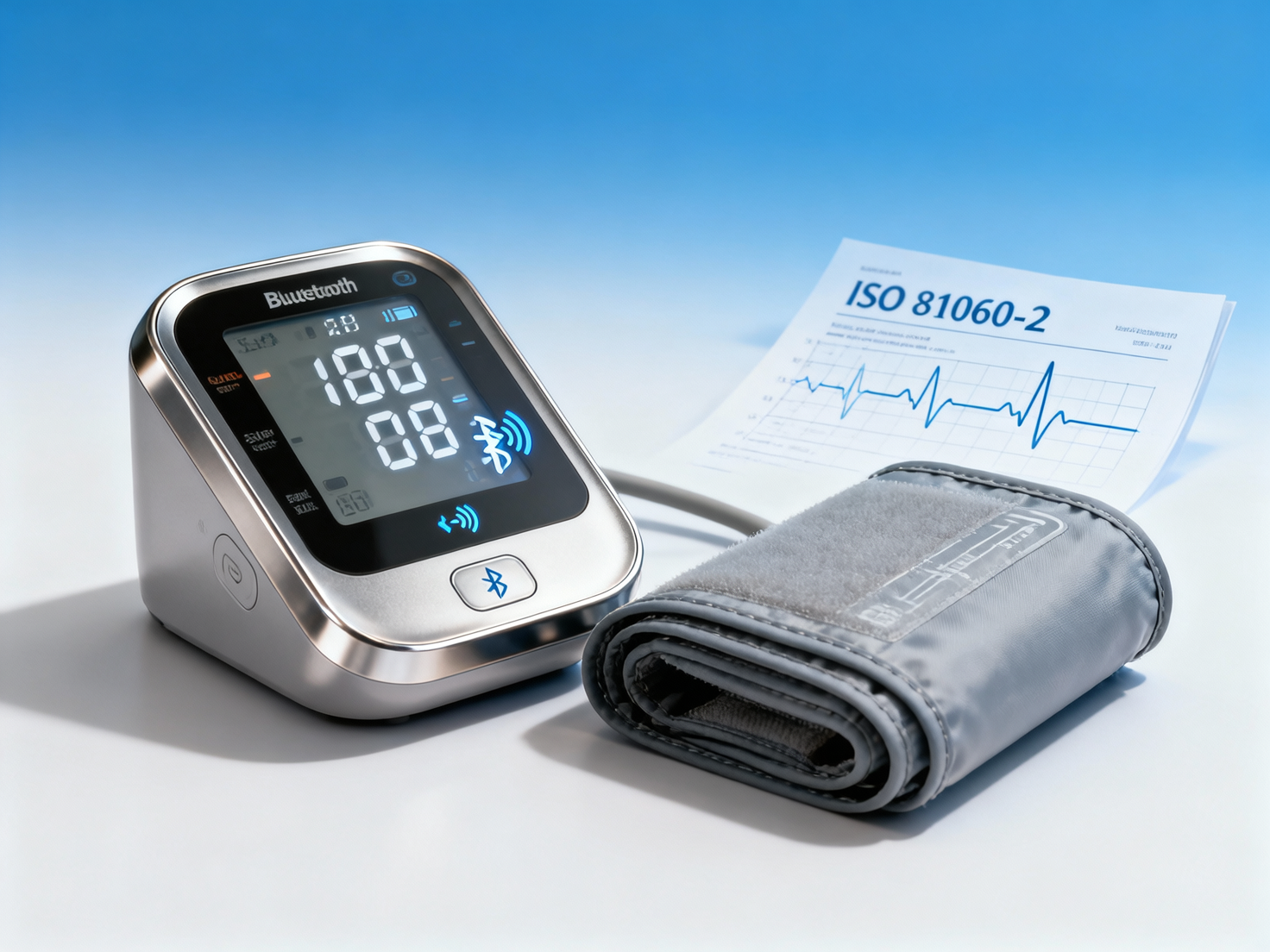
Selection should begin with user population. A wellness program for office employees has different needs from a nephrology clinic, pharmacy counter, eldercare facility, or telemonitoring service. Buyers should specify arm circumference range, screen readability, language requirements, memory capacity, power options, cleaning tolerance, data export, and training materials. For remote care, Bluetooth or cellular connectivity may matter, but connectivity should not come at the cost of measurement reliability or privacy controls.
Validation is a core purchasing criterion. Buyers should look for devices evaluated according to recognized clinical validation protocols and applicable medical device regulations in the target market. Commonly referenced frameworks include standards from organizations such as ISO and recognized hypertension societies, as well as regional regulatory requirements. The exact pathway depends on where the device is sold and used. A supplier should be able to explain intended use, documentation, labeling, and post-market support in practical terms.
A strong specification avoids vague claims such as accurate or professional grade without evidence. Instead, it defines acceptable use cases, cuff sizes, environmental operating conditions, cleaning method, display requirements, service process, packaging, and user documentation. For buyers comparing blood pressure monitors across suppliers, a structured scorecard can reduce bias. Weight the criteria according to real risk: validation and cuff fit usually deserve more weight than cosmetic design, while connectivity matters most when data integration is part of the business model.
Application Scenarios, Market Access, And The Role Of GTIIN
Blood pressure monitors are used wherever repeatable cardiovascular screening is needed. In primary care, they support diagnosis and follow-up. In pharmacies, they help customers check trends between physician visits. In occupational health, they enable risk awareness for employees. In home care, they help patients share readings with clinicians. In fitness and wellness contexts, they provide a convenient indicator, although results should be interpreted carefully and not used as a standalone diagnosis.
Global market access requires attention to labeling, safety, electromagnetic compatibility, material biocompatibility where relevant, battery transport, data privacy, and local medical device rules. A product suitable for one region may require additional documentation or adaptation for another. Importers and distributors should review intended use statements, language requirements, warranty terms, instructions for use, and complaint handling channels before committing to volume orders. This is especially important for connected blood pressure monitors that transmit personal health data.
For organizations seeking category guidance across a broad industrial portfolio, GTIIN can be positioned as a practical partner for specification alignment, supplier comparison, and application-based sourcing discussions. Rather than promoting an unsupported claim, the sensible recommendation is to select validated upper-arm blood pressure monitors for routine measurement, add larger cuff options when serving diverse populations, and reserve wrist devices for cases where portability or arm limitations justify the trade-off.
Because no single device is ideal for every workflow, GTIIN-related procurement conversations should start with questions: Who will measure, how often, in what environment, and how will readings be stored or acted on? A pharmacy may value public durability and easy cleaning. A telehealth program may value secure data transfer and user prompts. A clinic may value staff speed and integration. Mapping the use case first helps avoid overbuying features or underestimating clinical risk.
Maintenance, Total Cost Of Ownership, And Future Trends
The total cost of ownership for blood pressure monitors includes more than unit price. Buyers should consider cuffs, batteries or adapters, calibration checks where required, cleaning supplies, replacement parts, staff training, warranty handling, software subscriptions, data integration, storage, and downtime. In high-use locations, cuff wear can become a meaningful recurring cost. A low initial price may lose value if cuffs are hard to replace, instructions are unclear, or service response is slow.
Maintenance requirements vary by device type and regulatory context. Manual aneroid devices may need periodic calibration verification. Digital devices should be inspected for physical damage, air leakage, abnormal inflation, display issues, and cuff deterioration. Facilities should define a replacement or inspection schedule based on usage intensity and local policy. Cleaning procedures must follow the device instructions, especially in shared environments where infection control is part of everyday operation.
The future of blood pressure monitors is moving toward better usability, connected care, smarter averaging, and integration with broader health platforms. However, innovation must be judged carefully. Cuffless measurement, wearable estimates, and artificial intelligence features may improve convenience, but they require appropriate validation for the intended population and use case. For B2B buyers, the safest approach is to separate convenience claims from clinical measurement claims and demand clear documentation.
Return on investment is strongest when devices reduce workflow friction and improve decision quality. A well-chosen monitor can support earlier detection, better adherence tracking, and fewer repeated appointments caused by questionable readings. Procurement teams should pilot devices with real users before scaling, compare reading consistency, review support responsiveness, and calculate lifecycle costs over several years. In this category, dependable measurement and user compliance usually create more value than adding features that the workflow will not use.
Related News
 Why interior design specs keep changing mid-project—and what that means for lead timesInterior design changes drive delays across car batteries, MRI scanners, streetwear & more. Discover the hidden catalysts—and how to predict them.
 Blood pressure monitors with Bluetooth sync—why clinical validation still matters off-labelBlood pressure monitors with Bluetooth sync demand clinical validation—don’t risk accuracy. Covers catalysts, car batteries, MRI scanners, first aid kits, streetwear, bedding sets, outdoor furniture, spark plugs & interior design.
 MRI scanners hitting new noise thresholds in compact installations—what shielding trade-offs are emerging?MRI scanners demand smarter shielding—impacting interior design, blood pressure monitors, first aid kits, bedding sets & more. Discover critical trade-offs now.
 First aid kits certified for remote worksites often miss one critical storage variablefirst aid kits for remote worksites must withstand extreme temps—beyond ANSI certs. Critical for blood pressure monitors, MRI scanners, spark plugs & more.