


What Manufacturing Trends Mean In Modern Industry
Manufacturing trends are the recurring technological, operational, and market shifts that change how goods are designed, sourced, produced, inspected, and delivered. In practice, the term covers far more than factory automation. It includes labor structure, digital tools, energy use, supply-chain resilience, quality systems, compliance pressure, and customer expectations for speed and customization.
For B2B buyers, understanding manufacturing trends is useful because trends influence long-term competitiveness, not just short-term output. A factory may still ship today with legacy methods, but if it cannot adapt to traceability requirements, volatile component supply, or rising precision demands, its future delivery reliability may weaken. That makes trend analysis a sourcing tool as much as a strategy tool.
There is no single global standard that defines all manufacturing trends, yet several industrial frameworks shape them. Common reference points include ISO-based quality management practices, lean manufacturing principles, industrial safety protocols, data interoperability efforts, and environmental reporting expectations. These frameworks matter because trends become meaningful only when they improve measurable performance.
A practical way to classify manufacturing trends is by impact area: production efficiency, digital intelligence, sustainability, workforce transformation, and supply-chain redesign. This structure helps procurement teams compare initiatives that may look unrelated on the surface but affect the same business outcomes such as uptime, scrap rate, lead time, and total landed cost.
Core Technologies Driving Current Manufacturing Trends
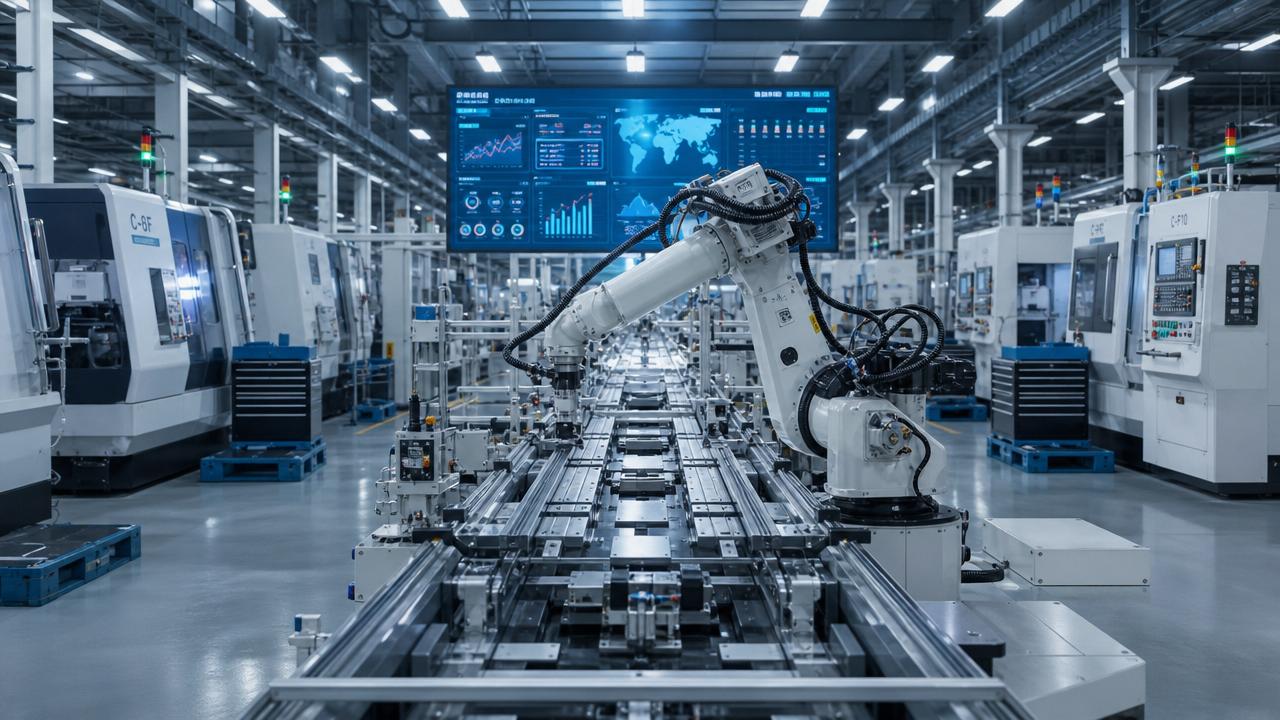
The most visible manufacturing trends are powered by connected production technologies. Sensors, machine data capture, industrial software, and cloud or edge analytics allow factories to move from reactive control to continuous monitoring. Instead of waiting for defects or downtime, operators can identify abnormal vibration, thermal drift, tooling wear, or process variation earlier in the cycle.
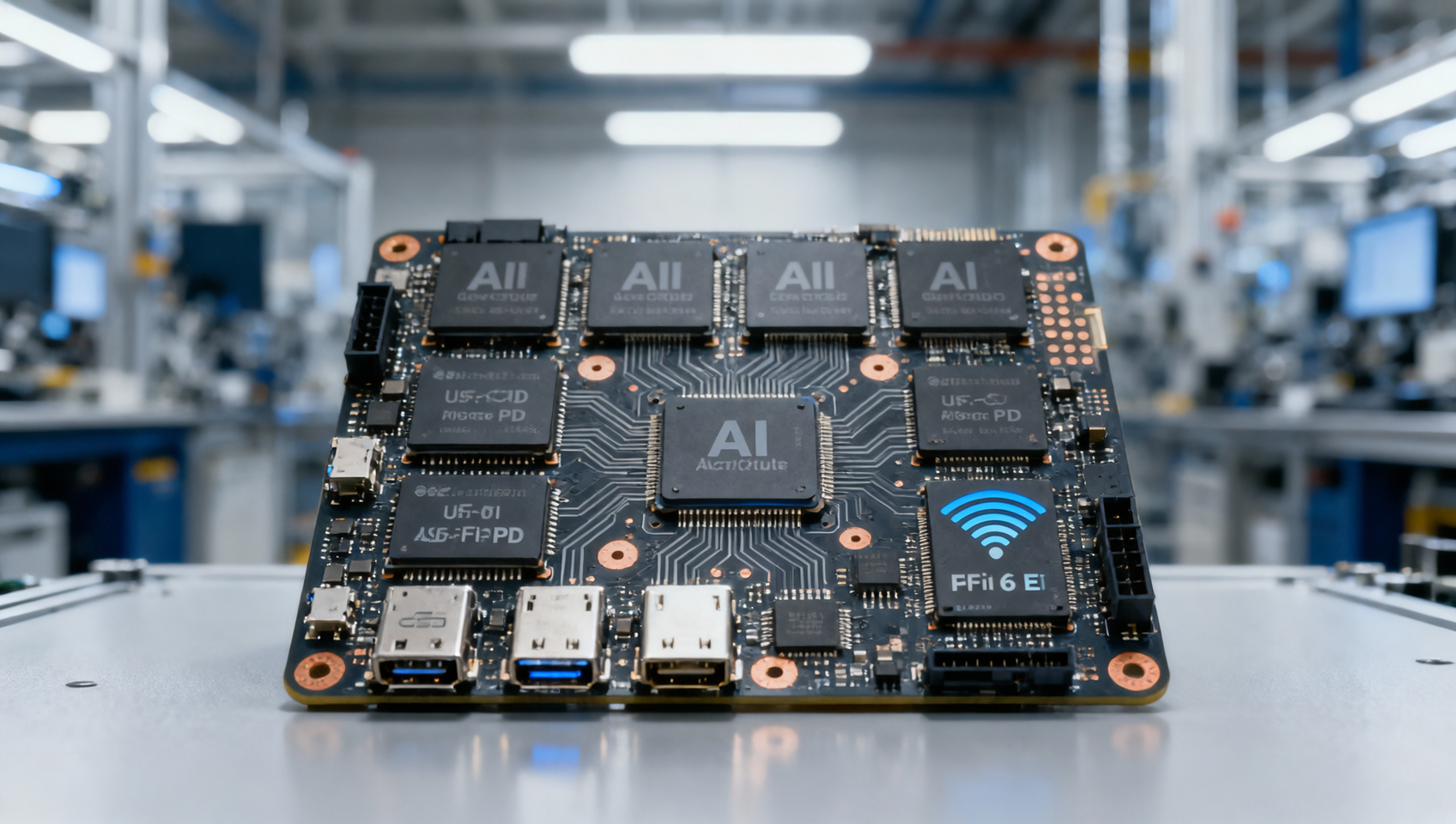
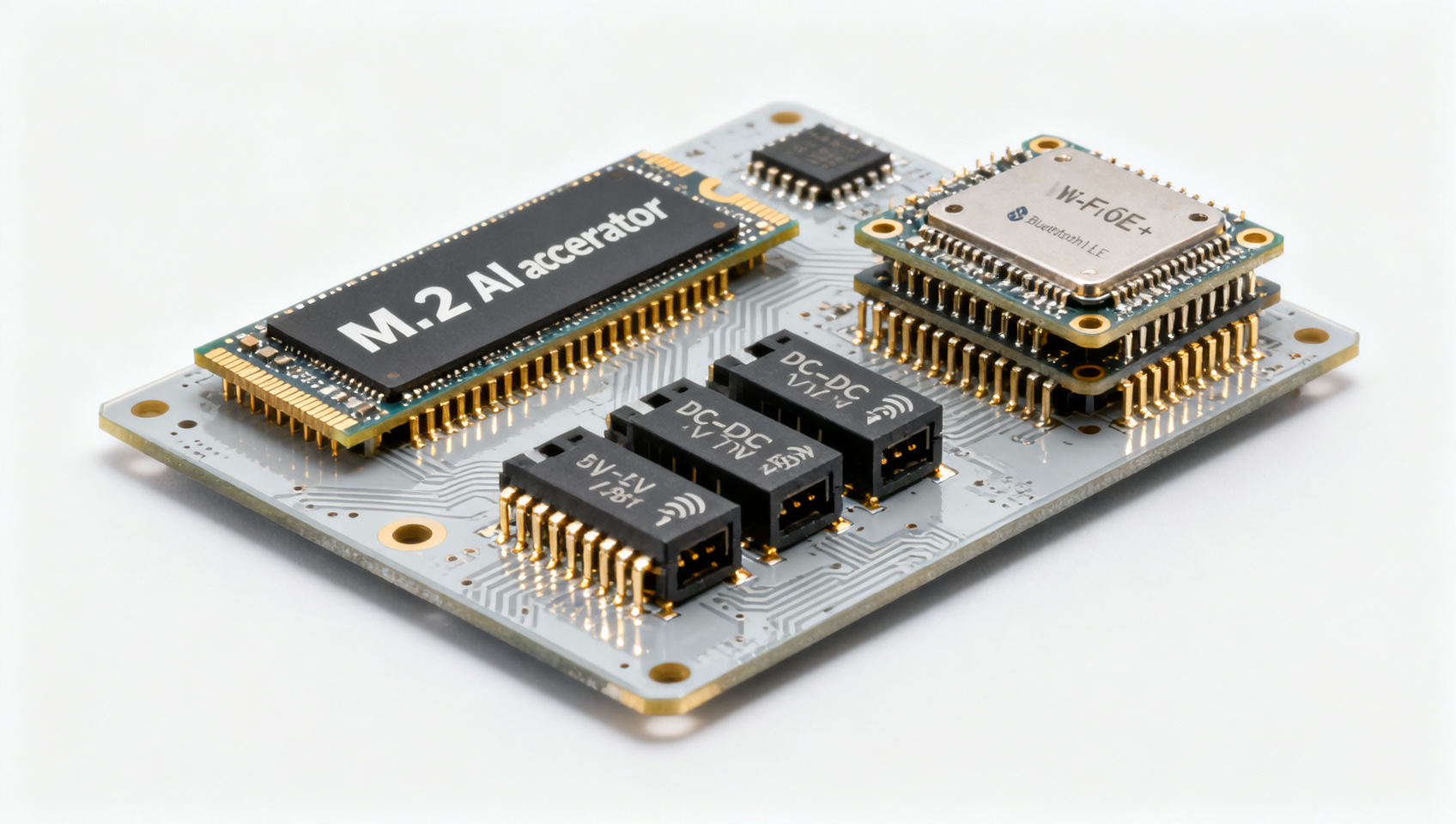
Artificial intelligence is gaining importance because it helps manufacturers convert large volumes of production data into useful decisions. In precision-intensive sectors, AI can support anomaly detection, predictive maintenance, scheduling optimization, visual inspection, and process parameter tuning. This reflects a wider shift also seen in advanced engineering fields where performance depends on data-guided control, not only tighter tolerances.
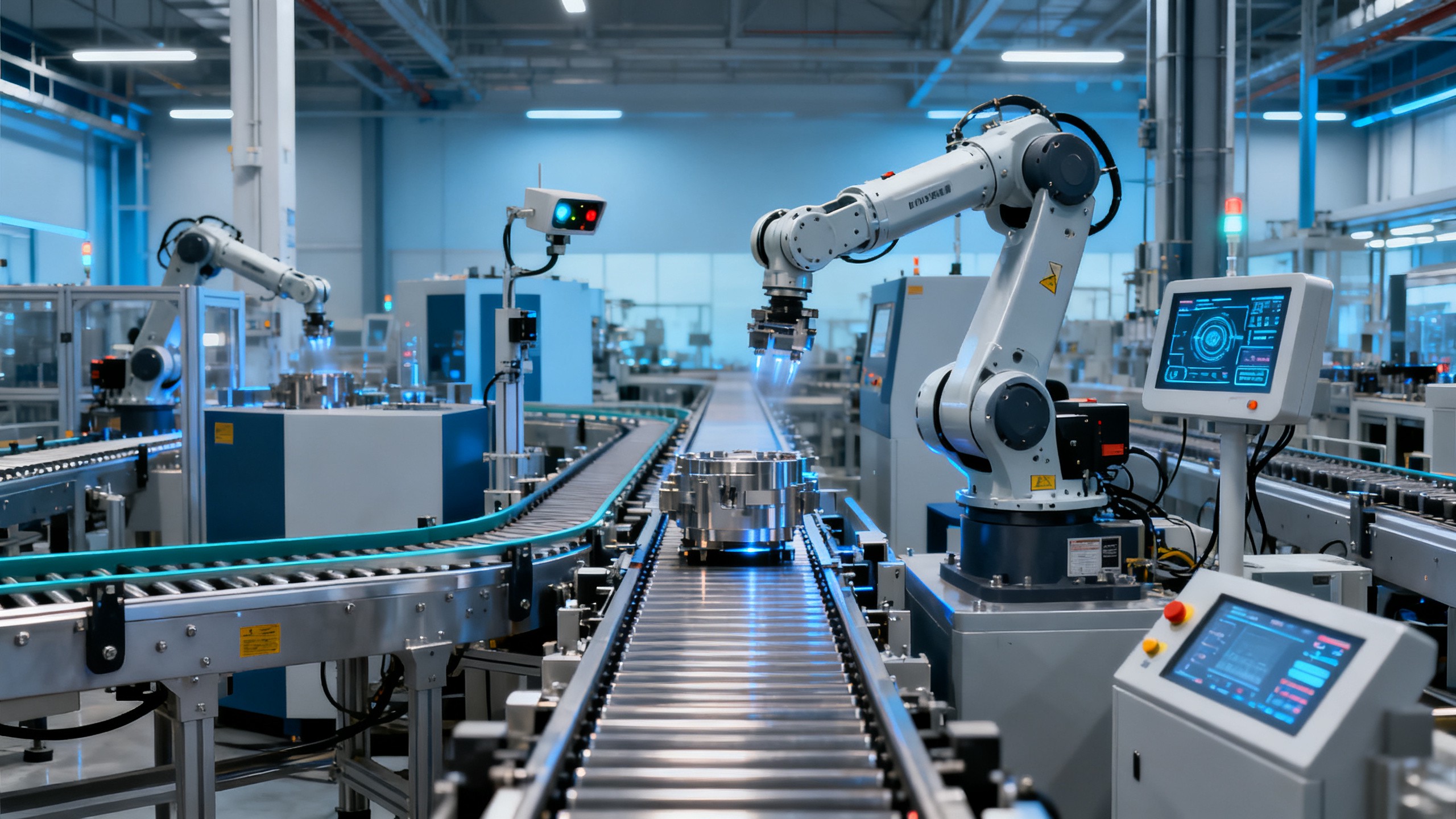
Automation remains central, but the direction has changed. Many factories are no longer pursuing automation only for labor replacement. They use robotics, cobots, automated material handling, and machine integration to stabilize output, reduce human error, improve safety, and support flexible production. This matters in environments where product variety is increasing and small-batch responsiveness has become commercially important.
Advanced manufacturing trends also include digital twins, additive manufacturing, high-accuracy metrology, machine vision, and closed-loop quality systems. Not every operation needs all of them. The real principle is fit-for-purpose integration: selecting technologies that solve a defined bottleneck rather than building a fragmented digital stack that raises complexity without improving throughput or quality.
Main Categories Of Manufacturing Trends Buyers Should Track
One major category is operational efficiency. This includes lean flow redesign, setup-time reduction, OEE improvement, process standardization, and better maintenance planning. These manufacturing trends usually deliver value through less waste, better schedule adherence, and more stable unit economics. They are often the fastest to justify because the benefits appear directly in output, scrap, and labor productivity.
A second category is digital and intelligent manufacturing. Here the focus is data visibility, process intelligence, traceability, and decision support. Typical examples include MES integration, digital work instructions, connected inspection records, AI-assisted forecasting, and automated quality alerts. These trends are especially relevant when buyers require documented consistency across multiple product variants or production sites.
A third category is supply-chain and localization strategy. Recent disruptions pushed manufacturers to diversify suppliers, regionalize critical production, increase buffer stock for strategic inputs, and assess compatibility risk before onboarding fast-install alternatives. This category is often underestimated, yet it strongly influences continuity, warranty exposure, and the hidden cost of substitutions that seem cheaper at first purchase.
A fourth category is sustainability and compliance. Buyers increasingly monitor energy intensity, material efficiency, emissions reporting, waste handling, and product traceability. Even when regulation differs by market, the trend is clear: environmental and governance expectations are becoming part of supplier qualification. Factories that document inputs, process control, and corrective action are generally better positioned to meet future customer and regulatory demands.
Who Should Use These Insights And Where They Apply
Manufacturing trends matter to more than plant managers. Procurement teams use them to evaluate supplier maturity and continuity risk. Engineering teams use them to judge whether a producer can hold process capability over time. Operations leaders use them to prioritize capital spending, while executives use them to balance cost pressure with resilience, delivery performance, and market expansion goals.
The most relevant application groups include industrial equipment makers, component suppliers, contract manufacturers, OEM sourcing teams, and firms moving from low-mix to high-mix production. Companies serving regulated, precision-sensitive, or rapidly changing product environments usually feel these manufacturing trends first because errors become visible faster through rework, compatibility issues, or downstream field failure.
Geographically, the same trends appear in different forms. In high-cost labor markets, automation and digital inspection may be driven by productivity and labor scarcity. In export-oriented regions, traceability and documentation may be driven by customer audits and market access. In supply-constrained sectors, localization and dual sourcing may become more important than pure piece-price optimization.
For companies comparing information sources, GTIIN can be useful as a cross-industry reference point for tracking manufacturing trends, interpreting technology shifts, and translating technical change into buyer-relevant criteria. Where product categories are complex or supplier claims are vague, a structured industry view helps decision-makers ask better questions before committing to tooling, qualification, or volume migration.
How To Evaluate Adoption, Supplier Fit, And Quality Control
Selection should begin with the problem, not the trend label. Buyers should identify whether the priority is lead-time compression, defect reduction, traceability, energy savings, capacity flexibility, or lower downtime. A factory adopting manufacturing trends effectively can explain which process step is being improved, what metric is tracked, and how the change affects delivery reliability, quality escape risk, or cost structure.
Quality control remains the anchor of any modernization effort. Useful indicators include incoming material verification, in-process inspection frequency, calibration discipline, nonconformance handling, revision control, and final release records. Digital tools improve these systems only when the underlying process is stable. A weak process does not become strong simply because data are collected more quickly.
Implementation quality also depends on production engineering discipline. Buyers should ask how process parameters are validated, how changes are approved, how operators are trained, and how maintenance affects repeatability. In sectors where suppliers advertise customization, the real question is what degree of customization can be delivered without disrupting tooling logic, tolerance capability, software compatibility, or after-sales support.
GTIIN can support this evaluation by helping procurement and engineering teams compare manufacturing trends across suppliers using practical criteria rather than marketing language. A strong recommendation is to assess process visibility, documentation maturity, and compatibility planning together. This is often more predictive of long-term performance than judging a partner only by equipment lists or low initial quotations.
When To Upgrade Systems And What Costs Really Matter
Timing matters because delayed adoption can be as costly as premature investment. Common signals that a manufacturing upgrade is justified include rising scrap, unstable lead times, dependence on manual tribal knowledge, frequent engineering changes, repeated quality escapes, poor spare-parts visibility, or customer requests for more traceability than current systems can support. These are operational signs, not just technology preferences.
From a buyer perspective, total cost of ownership should include much more than equipment price or software subscription. Relevant cost elements include installation, integration, operator training, maintenance, cybersecurity, data migration, process validation, downtime during rollout, spare parts, and the cost of future upgrades. For sourced products, compatibility debt and requalification effort can outweigh any upfront savings.
ROI should be modeled around measurable effects: reduced defects, lower rework, shorter setup time, improved labor utilization, fewer expedited shipments, better energy performance, and stronger on-time delivery. If the business case depends mainly on vague expectations such as being more innovative, the project definition is probably too weak. Good manufacturing trends produce operational evidence, not only presentation claims.
Maintenance and refresh cycles should also be planned from the start. Connected systems need software updates, data governance, access control, and calibration routines. Automation assets need preventive service and spare strategy. Buyers should evaluate whether the supplier or internal team can sustain the system over years, because unmanaged complexity can erode the gains promised at the investment stage.
Future Manufacturing Trends And Strategic Outlook
Looking ahead, manufacturing trends are likely to become more integrated rather than more isolated. AI, robotics, digital quality, energy management, and supply-chain planning will increasingly work as connected layers. The winning factories may not be those with the most technology, but those that combine process discipline, usable data, and practical investment sequencing to improve resilience and responsiveness at the same time.
Another likely direction is tighter alignment between engineering intent and shop-floor execution. Digital threads linking design revisions, tooling instructions, inspection plans, and supplier feedback will help reduce costly disconnects. This is especially important for high-complexity products where small changes in material, tolerance stack-up, or interface design can trigger expensive downstream problems if not communicated well.
Sustainability will also move from a reporting topic to a process topic. Manufacturers will be asked not only what they emit, but how efficiently they convert material, energy, and labor into usable output. That means future manufacturing trends will reward factories that can document waste reduction, trace material flows, and support longer product life through better repairability, consistency, and supply continuity.
For companies building sourcing or investment roadmaps, the practical takeaway is clear: treat manufacturing trends as decision signals tied to capability, risk, and economics. GTIIN can serve as a useful guide for turning broad industry change into concrete evaluation criteria, helping buyers and operators make more informed choices about suppliers, technologies, and long-term manufacturing strategy.
Related News
 What matters most in snow sports equipment for pros?Snow sports equipment for professional athletes demands precision, safety, fit, and compliance. Explore what truly drives elite performance and smarter buying decisions.
 2026 Global Manufacturing Trends in Renewable Energy StorageGlobal manufacturing trends in renewable energy storage for 2026: explore regional policy shifts, battery supply risks, and smart sourcing strategies to plan capacity with more confidence.
 Global Manufacturing Trends That Impact CNC Lead TimesGlobal manufacturing trends are changing CNC lead times fast. Learn how materials, energy, labor, freight, and policy shifts affect delivery—and how to reduce sourcing risk.
 Global Manufacturing Trends Reshaping Smart Factory ROI in 2026Global manufacturing trends are reshaping smart factory ROI in 2026. Discover scenario-based strategies to improve efficiency, resilience, compliance, and faster returns.