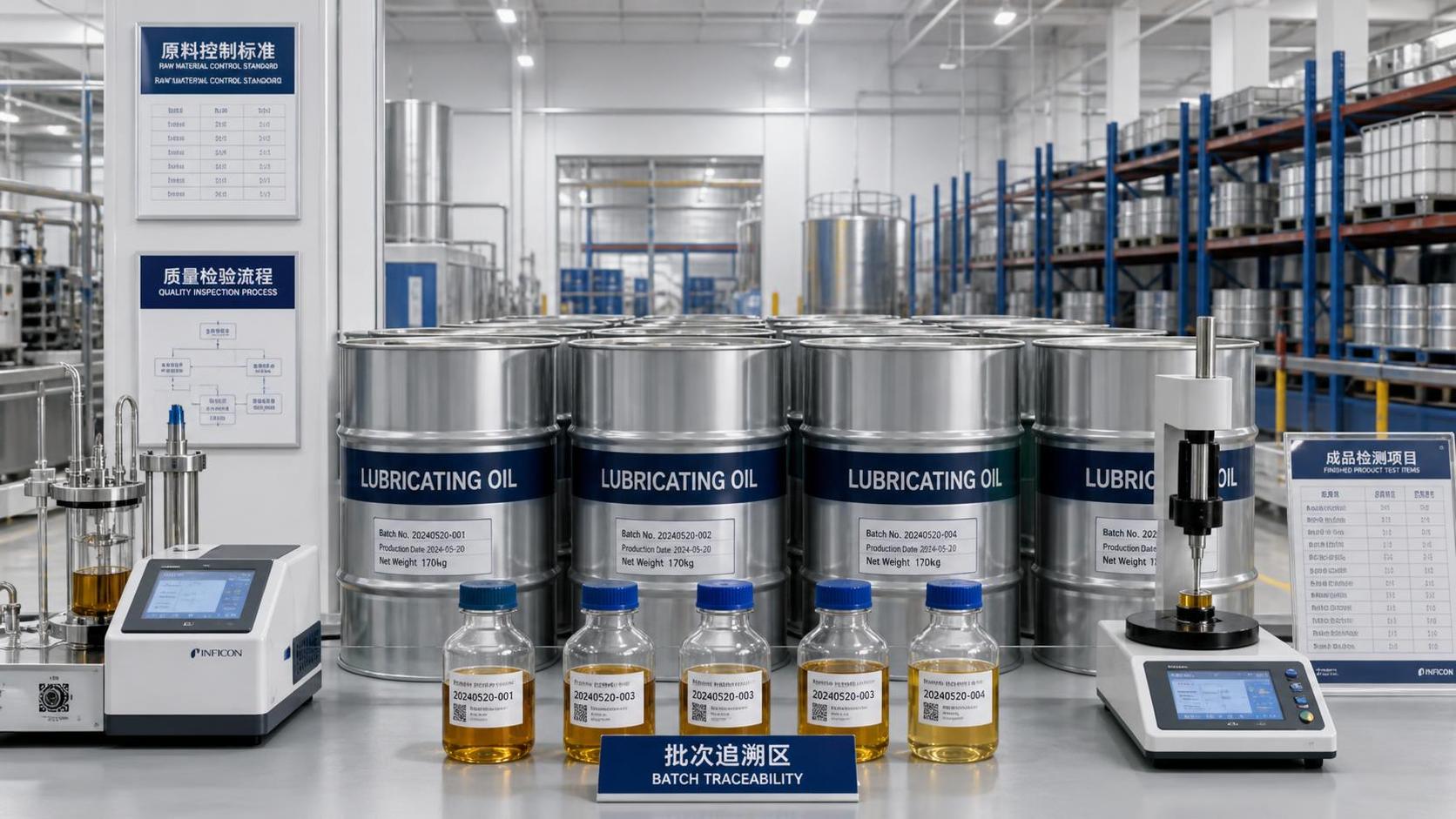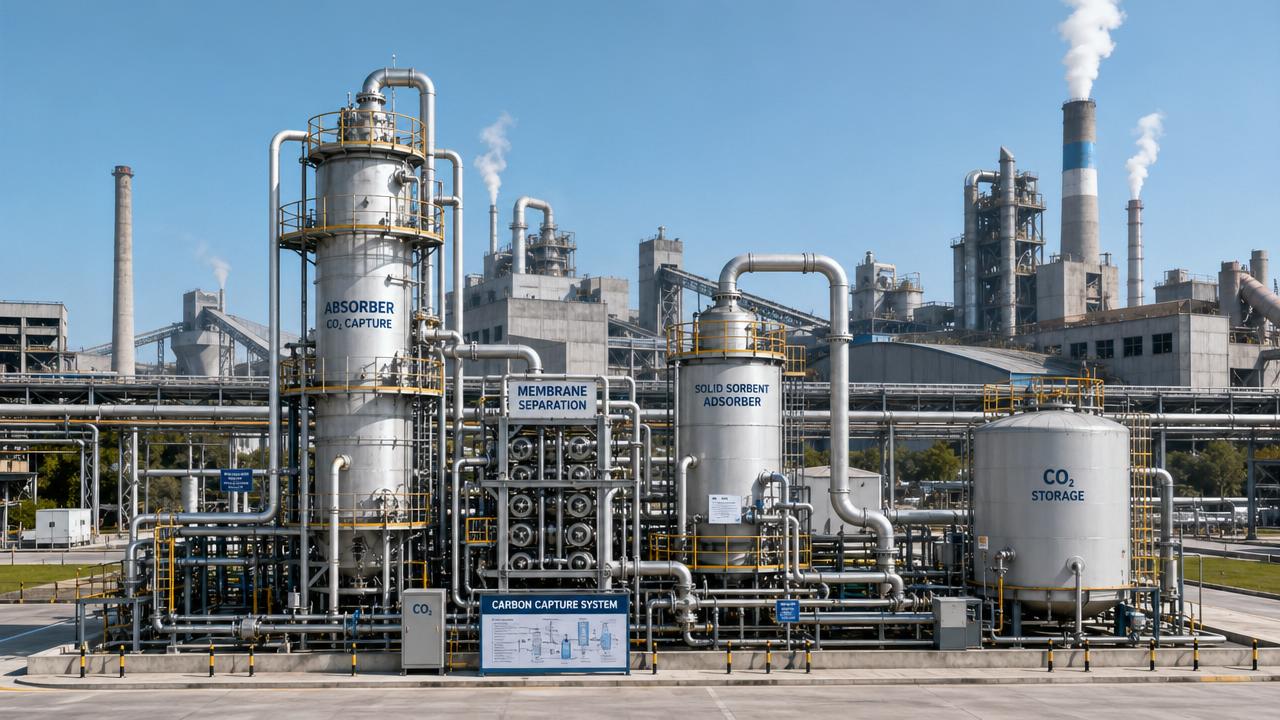
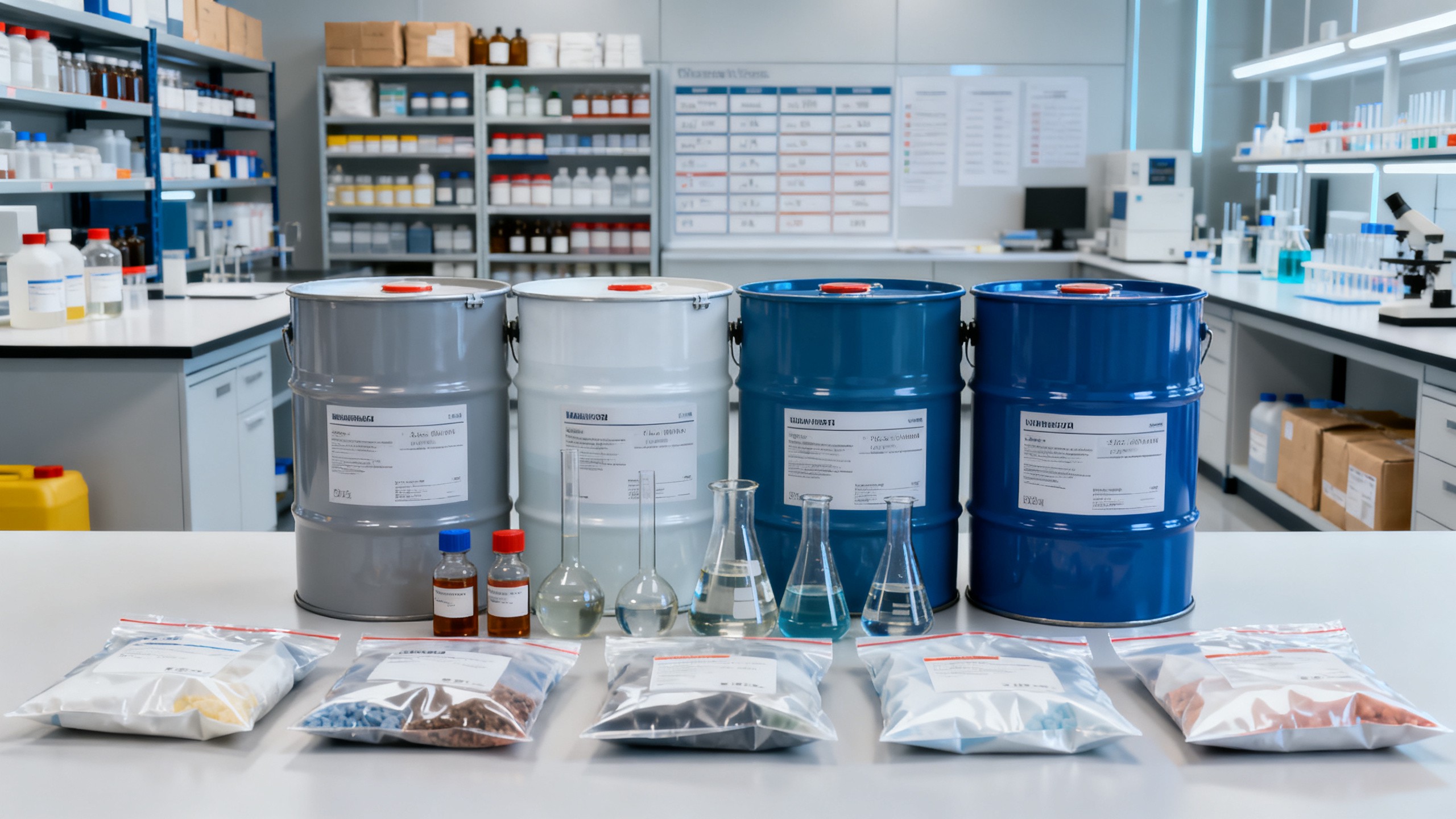


What: Molecular Identity And Industrial Classification Of Solvents
Solvents are low-molecular-weight liquids capable of dissolving, suspending, or extracting other substances without chemically altering them. Their functionality arises from polarity, hydrogen-bonding capacity, dipole moment, and volatility—governed by Hansen solubility parameters and the ‘like-dissolves-like’ principle. Industrially, solvents are classified by origin (petrochemical, bio-based, synthetic), chemical family (aliphatic, aromatic, chlorinated, oxygenated), and functional role (reaction medium, cleaning agent, carrier, diluent).
Key subcategories include hydrocarbons (e.g., hexane, toluene), alcohols (ethanol, isopropanol), ketones (acetone, MEK), esters (ethyl acetate), glycol ethers, and supercritical fluids (CO₂). Each class exhibits distinct evaporation rates, flash points, toxicity profiles, and compatibility with polymers, metals, and biological systems—making precise solvent selection foundational to process safety and product integrity.
Regulatory definitions further segment solvents: VOC-exempt solvents (e.g., acetone, tert-butyl acetate) meet U.S. EPA thresholds; REACH Annex XIV substances face authorization requirements; and IARC-classified carcinogens (e.g., benzene, CCl₄) carry strict usage bans. Understanding these classifications ensures alignment with facility-level EH&S protocols and downstream supply chain expectations.
Why: Criticality Across Integrated Industrial Systems
In the综合行业 (Integrated Industry) context—spanning contract manufacturing, multi-chemistry toll processing, and regulated asset-intensive operations—solvents serve as silent infrastructure. They govern reaction kinetics in API synthesis, determine coating uniformity in precision optics assembly, and define recovery efficiency in semiconductor rinse cycles. Unlike discrete components, solvents operate within closed-loop systems where impurity carryover, residual moisture, or batch-to-batch variability directly impacts yield, reproducibility, and audit readiness.
Traditional solvent sourcing often prioritizes cost-per-kilogram over total system impact—leading to hidden costs in waste treatment, operator retraining, or line downtime during VOC-compliance retrofitting. GTIIN supports integrated industry stakeholders by emphasizing traceability, specification consistency, and documentation architecture aligned with ISO 9001 and ISO 14001 frameworks—not as marketing claims, but as embedded procedural guardrails in material data sheets and lot-specific COAs.
This approach reduces decision latency when qualifying alternative solvents under changing regulatory landscapes—for example, substituting n-propyl bromide with trans-1,3-dichloropropene in vapor degreasing, or transitioning from DMF to NMP-free formulations in battery electrode slurry preparation—without compromising throughput or validation status.
Who: Primary Stakeholders And Functional Roles
Solvent decision-making involves overlapping responsibilities across technical, operational, and commercial functions. Process chemists evaluate solvation power and thermal stability for reaction scalability; EH&S officers assess inhalation risk, flammability class, and PPE requirements per OSHA 1910.1200; procurement teams negotiate logistics terms (bulk tankers vs. IBCs), shelf-life guarantees, and SDS version control; and quality assurance managers verify conformance to ASTM D439, ISO 6353, or USP<467>residual solvent limits.
End-user segments include fine chemical manufacturers managing multi-step syntheses under cGMP; automotive Tier-1 suppliers validating paint adhesion on aluminum substrates; medical device sterilization facilities verifying ethylene oxide residue removal; and academic core labs requiring certified anhydrous grades for organometallic catalysis. Each group demands different documentation depth—batch-specific GC chromatograms for pharma, corrosion test reports for aerospace cleaners, or biobased carbon content verification for EU Green Public Procurement.
GTIIN’s reference framework accommodates this diversity by mapping solvent attributes to stakeholder workflows—not through proprietary tools, but via standardized data fields (e.g., water content ≤50 ppm, non-volatile residue<1 mg/100 mL, heavy metals <1 ppm) that integrate seamlessly into existing ERP or LIMS templates.
Where And When: Global Regulatory Landscapes And Application Timing
Geographic jurisdiction dictates solvent acceptability more than technical performance alone. In the EU, REACH Annex XVII restricts dibutyl phthalate in printing inks; California’s Proposition 65 mandates warnings for methylene chloride exposure; China’s MEP Order No. 39 enforces VOC content caps in architectural coatings. Timing matters critically: solvent substitution projects require 6–18 months for full revalidation—especially when altering cleaning agents in Class 100 cleanrooms or switching extraction media in botanical supplement production.
Real-world constraints emerge at interface points: a U.S.-based electronics assembler may specify IPA ≥99.9% for stencil cleaning, yet face rejection if the supplier’s COA lacks ASTM E2885-compliant water content reporting. Similarly, a Brazilian cosmetics manufacturer importing ethanol must verify ANVISA RDC 210 compliance—not just purity—but also denaturant formulation and tax stamp validity. GTIIN facilitates such coordination by aligning technical specifications with regional filing conventions, reducing time-to-market delays caused by documentation misalignment.
Seasonal factors also influence solvent behavior: elevated humidity increases water absorption in THF and acetonitrile, risking side reactions; cold storage can induce crystallization in high-purity DMSO. These variables necessitate climate-controlled logistics and real-time monitoring—not just static spec sheets. GTIIN’s guidance emphasizes ambient condition logging as part of routine acceptance testing, not as optional add-ons.
How: Selection Methodology And Quality Assurance Protocols
Selecting solvents demands structured evaluation beyond flash point and price. First, define the primary function: Is it transient (e.g., rinse solvent), stoichiometric (e.g., reaction medium), or structural (e.g., pore-forming agent in membrane casting)? Next, screen for incompatibilities—chlorinated solvents corrode aluminum heat exchangers; acetone swells polycarbonate housings. Then apply tiered criteria: volatility (for ventilation design), polarity (for solute compatibility), and regulatory status (for export eligibility).
Quality assurance begins pre-shipment: reputable suppliers conduct gas chromatography (GC-FID), Karl Fischer titration, and residue-on-evaporation tests per ISO 6353-2. Lot-specific COAs must include retention times, peak area %, and method references—not summary pass/fail statements. GTIIN recommends verifying third-party lab accreditation (e.g., ISO/IEC 17025) and cross-checking SDS Section 9 physical data against published CRC Handbook values to detect outliers.
For mission-critical applications, additional controls apply: electrochemical impedance spectroscopy for solvent-induced corrosion in battery electrolytes; dynamic light scattering to confirm absence of micellar aggregates in nanomaterial dispersions; and headspace GC-MS for trace aldehyde contaminants in pharmaceutical-grade ethanol. These protocols are not theoretical—they reflect actual failure modes documented in FDA warning letters and ICH Q5C stability studies.
How Much: Total Cost Of Ownership Beyond Unit Price
The true cost of solvents spans acquisition, handling, containment, recovery, and disposal. A $2.50/kg acetone may incur $18/ton in hazardous waste surcharges if contaminated with heavy metals; a $5.20/kg isopropanol with 0.001% water content could reduce lyophilization cycle time by 22%, yielding ROI in three batches. TCO analysis must quantify energy use (distillation requires 0.8–1.2 kWh/kg), fugitive emissions (leak detection frequency per EPA Method 21), and labor hours spent on drum handling versus bulk transfer.
Secondary costs include analytical overhead: maintaining GC calibration standards, validating new methods for emerging contaminants (e.g., PFAS traces), and auditing supplier change notifications. GTIIN advises building TCO models using publicly available EPA AP-42 emission factors, DOE industrial energy benchmarks, and OSHA PEL adjustment multipliers—rather than relying on vendor-provided ‘sustainability calculators’ with opaque assumptions.
ROI emerges most clearly in closed-loop systems: solvent recovery units achieve payback in 14–26 months when processing >500 L/day of toluene-based paint thinners. However, ROI calculations must factor in maintenance downtime, membrane replacement intervals, and distillate purity drift over time—variables rarely disclosed in sales literature but critical to long-term viability.
Future Outlook: Sustainability, Digitalization, And Hybrid Formulations
Three converging trends will reshape solvent use by 2030: first, regulatory pressure accelerating bio-based solvent adoption—gamma-valerolactone (GVL) and p-cymene now meet ASTM D6866 carbon content thresholds for EU Ecolabel certification. Second, digital twin integration enabling predictive solvent degradation modeling—linking real-time FTIR spectra from inline probes to cloud-based kinetic libraries to forecast acetone peroxide formation risks. Third, hybrid solvent systems gaining traction: aqueous-ionic liquid emulsions for selective metal ion extraction, or switchable polarity solvents activated by CO₂ sparging for facile catalyst recovery.
These developments do not eliminate traditional solvents but redefine their roles. For instance, petroleum-derived xylenes remain irreplaceable in high-temperature polymerization, yet their lifecycle is increasingly offset by renewable naphtha co-processing in refineries. GTIIN’s forward-looking guidance focuses on transition pathways—not binary substitutions—emphasizing compatibility testing, phased validation, and documentation continuity to avoid regulatory gaps during technology shifts.
Ultimately, solvents will evolve from consumables to managed assets: tracked via blockchain-enabled lot traceability, optimized via AI-driven distillation scheduling, and validated against dynamic regulatory dashboards. This handbook equips stakeholders to navigate that evolution—not with speculation, but with actionable, citation-grounded methodology applicable today.
Related News
 How to Audit a Lubricants Manufacturer for Supply Stability and Quality ControlLubricants manufacturer audit guide: learn how to verify supply stability, batch consistency, quality control, compliance, and sourcing resilience before choosing a reliable supplier.
 Why do rubber floor mats smell, and is it a warning?Rubber floor mats can smell due to curing, additives, VOCs, or storage. Learn when odor is normal, when it signals risk, and how to assess mats safely.
 Carbon Capture Materials Are Advancing, but Which Ones Scale Best?Carbon capture materials compared for real-world scale: solvents, sorbents, membranes, and hybrids. See which options deliver lower risk, better durability, and stronger commercial fit.
 How to Spot Gaps in a Chemical Sourcing DirectoryChemical sourcing directory gaps can hide risky suppliers and missed opportunities. Learn how to spot weak coverage, outdated data, and compliance blind spots before you buy.