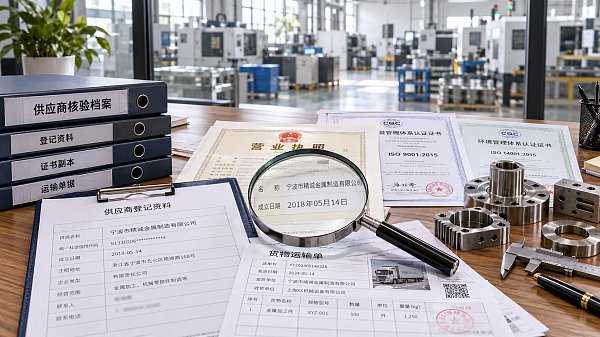
A strong odor from rubber floor mats is more than a comfort issue—it can signal material composition, curing quality, storage conditions, or potential VOC emissions that quality control and safety teams should evaluate.
While some smell is normal in newly manufactured rubber products, persistent or sharp odors may indicate formulation problems, contamination, or non-compliance risks.
This article explains why the smell occurs, when it should be treated as a warning, and how professionals can assess rubber floor mats before they reach workplaces, vehicles, or commercial interiors.
First judgment: when is odor normal, and when is it a warning?
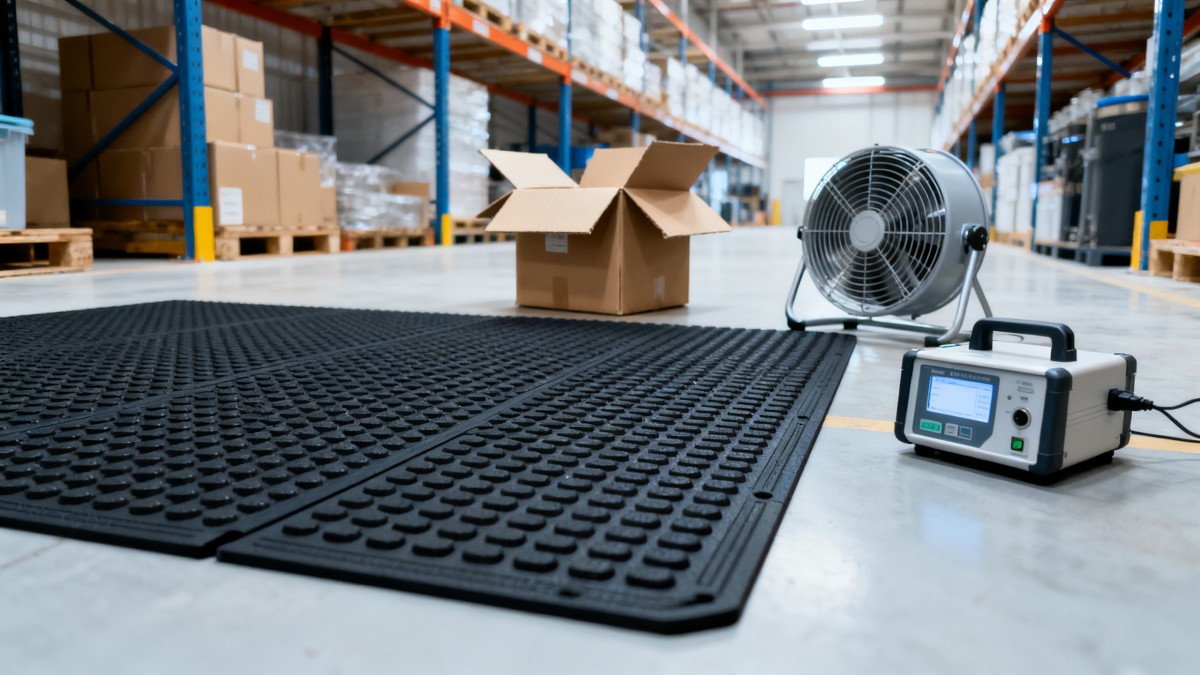
Rubber floor mats often smell because volatile compounds remain in the material after compounding, molding, curing, packaging, and transportation.
A mild rubber odor in newly opened mats is usually expected, especially when products have been sealed in cartons or plastic wrapping.
For quality control and safety teams, the key question is not whether smell exists, but whether it is intense, persistent, unusual, or irritating.
If the odor decreases clearly after ventilation, it may reflect normal off-gassing from fresh rubber or packaging concentration.
If the odor remains strong for days, causes headaches, eye irritation, nausea, or complaints, it should be treated as a quality and safety signal.
Sharp, solvent-like, sulfurous, oily, burnt, or chemical odors deserve closer investigation because they may indicate poor curing or unsuitable additives.
In commercial procurement, odor is also a reputational issue because end users often interpret smell as evidence of unsafe or low-grade materials.
That perception matters in offices, gyms, hotels, schools, vehicles, warehouses, hospitals, and other shared environments where rubber floor mats are frequently installed.
Why rubber floor mats smell in the first place
Rubber products are made from polymers, fillers, oils, curing agents, accelerators, antioxidants, pigments, and sometimes recycled material.
Each ingredient can contribute a different odor profile, especially when the formulation is designed for durability, flexibility, anti-slip performance, or weather resistance.
Natural rubber may have a recognizable earthy or latex-like smell, while synthetic rubbers can carry more chemical or petroleum-related notes.
Styrene-butadiene rubber, nitrile rubber, and reclaimed rubber can produce odors depending on feedstock quality and the additives used.
Vulcanization is another major source of odor because sulfur systems, accelerators, and curing by-products may remain detectable after production.
If curing temperature, pressure, or time is poorly controlled, residual compounds can remain trapped inside the mat and release gradually.
Processing oils and plasticizers can also migrate to the surface, creating an oily smell or contributing to haze and residue.
Packaging intensifies the issue because freshly manufactured rubber floor mats are often stacked, wrapped, and shipped before enough airing time has passed.
During ocean freight or warehouse storage, heat and limited airflow can concentrate odor inside sealed packaging and increase first-opening complaints.
Material composition: the first clue for QC teams
Odor assessment should begin with material identification, because different rubber types have different expected smell ranges and risk profiles.
Virgin rubber compounds generally offer more predictable odor performance when formulation control, raw material traceability, and curing parameters are stable.
Recycled rubber can be economically attractive, but it may introduce inconsistent odors from previous product histories, oils, contaminants, or mixed polymer streams.
For industrial rubber floor mats, recycled content is not automatically unacceptable, but it requires stronger incoming inspection and supplier documentation.
Procurement teams should request formulation declarations, material safety data sheets, restricted substance statements, and information on recycled or reclaimed content.
Where the application involves indoor air quality, children, healthcare, hospitality, or enclosed vehicles, odor tolerance should be significantly stricter.
Some low-cost mats use fillers or processing aids that reduce price but increase odor, migration, surface blooming, or VOC concerns.
A mat that smells unusually strong may still meet basic dimensions and appearance requirements, but fail practical acceptance in real environments.
That is why odor should be part of specification language, not treated as a vague after-sales complaint.
Curing quality: why production control affects odor
Rubber floor mats need adequate curing to achieve mechanical strength, elasticity, dimensional stability, and acceptable chemical residue levels.
Under-cured mats may feel softer, smell stronger, show tackiness, or release more residual chemicals after packaging.
Over-curing can also create burnt or harsh odors, while potentially affecting flexibility, color, and long-term performance.
Production records should therefore include curing temperature, press time, batch identification, compound lot, and post-curing or airing conditions.
For quality teams, odor complaints should be linked back to batch data instead of handled only as isolated customer feedback.
If several cartons from one batch smell stronger than others, the issue may involve compounding variation or process deviation.
If only cartons stored in a specific location smell abnormal, warehouse heat, humidity, contamination, or packaging interaction may be involved.
Post-curing or controlled ventilation after molding can substantially reduce odor, especially for mats intended for indoor commercial use.
Suppliers that rush packaging immediately after production may pass visual inspection but create high risk during customer installation.
VOC emissions and indoor safety concerns
Odor is not the same as toxicity, but it can be an early indicator that volatile organic compounds should be evaluated.
Some VOCs have strong odors at low concentrations, while others may have limited smell but still matter for indoor air quality.
Safety managers should avoid relying only on subjective smell when mats are used in occupied indoor environments.
Instead, odor screening should be paired with supplier documentation, applicable standards, and laboratory testing when exposure risk is meaningful.
Relevant evaluations may include total VOC testing, specific chemical screening, PAHs, phthalates, heavy metals, formaldehyde, or other restricted substances.
The exact test scope depends on destination market, industry use, regulatory requirements, and the sensitivity of the installation environment.
For example, entrance mats in a warehouse have different risk priorities than mats used in childcare, healthcare, offices, or passenger vehicles.
In Europe, North America, and other regulated markets, buyers may need evidence of compliance with chemical restrictions and indoor air expectations.
A strong odor does not automatically prove non-compliance, but it justifies deeper verification before large-scale deployment.
Storage and logistics can make good mats smell bad
Even well-produced rubber floor mats can develop stronger odors when storage and logistics conditions are poorly controlled.
High temperatures accelerate off-gassing, while sealed containers, shrink wrap, and dense pallet stacking prevent normal dissipation.
Moisture can worsen smells by promoting packaging odor, surface reactions, mildew on cardboard, or contamination from nearby cargo.
Rubber mats stored near chemicals, fuels, solvents, pesticides, or strong-smelling goods can absorb or retain foreign odors.
For importers and warehouse teams, receiving inspection should record carton condition, container condition, temperature exposure, and odor intensity at opening.
If odor improves after controlled airing, logistics concentration may be the main issue rather than material failure.
However, repeated strong odor after every shipment suggests the supplier’s formulation, post-curing, or packaging process needs review.
Businesses should specify ventilation time before packing, breathable packaging options where feasible, and maximum storage duration before shipment.
These details may seem operational, but they often determine whether end users receive acceptable rubber products.
Practical odor assessment steps for quality control
A structured assessment helps teams avoid both overreaction and underestimation when rubber floor mats smell unusual.
First, record product identification, batch number, supplier, production date, packaging date, and storage history before opening additional cartons.
Second, conduct a controlled opening inspection in a ventilated area and compare several units from different cartons and pallet positions.
Third, describe the odor using consistent terms, such as mild rubber, sulfur, solvent, petroleum, burnt, musty, or irritating.
Fourth, rate intensity using an internal scale, for example one to five, and record whether symptoms occur during short exposure.
Fifth, air samples or mats under controlled conditions for twenty-four to seventy-two hours and document whether odor declines.
Sixth, inspect the mat surface for oiliness, blooming, tackiness, discoloration, residue, deformation, or packaging stain transfer.
Seventh, escalate to laboratory testing if odor persists, complaints are likely, or the installation environment is sensitive.
This process gives procurement, production, and safety teams evidence for acceptance, rejection, supplier corrective action, or conditional use.
When safety managers should stop installation
Installation should be paused when odor is sharp, irritating, solvent-like, or associated with immediate physical discomfort.
Stop-use decisions are also appropriate when mats are intended for enclosed rooms with poor ventilation or vulnerable occupants.
If employees report headaches, throat irritation, dizziness, nausea, or asthma aggravation, safety teams should remove the mats pending assessment.
Visible oil migration, sticky surfaces, chemical residue, or unusual staining are additional reasons to quarantine affected batches.
For workplaces, the concern is not only regulatory compliance but also worker confidence, absenteeism, complaints, and facility acceptance.
A low-cost floor mat becomes expensive if it triggers indoor air complaints, return logistics, investigation time, or brand damage.
Safety teams should coordinate with procurement and suppliers to obtain SDS documents, test reports, and manufacturing records quickly.
If documentation is incomplete, inconsistent, or outdated, the risk profile increases and independent testing becomes more important.
How to reduce odor before use
If the odor appears typical and non-irritating, controlled ventilation is often the simplest first step.
Unpack the rubber floor mats, separate them to expose surface area, and place them in a well-ventilated, shaded area.
Avoid direct high heat or harsh chemicals because they may damage the rubber or accelerate unwanted surface changes.
Wiping with mild soap and water can remove surface processing residue, dust, or packaging transfer from some mats.
After cleaning, mats should be fully dried to prevent moisture-related odor or slip hazards during installation.
Activated carbon or ventilation fans may help in temporary airing zones, especially for large-volume commercial deliveries.
However, deodorizing should not be used to hide serious formulation, contamination, or compliance problems.
If odor remains intense after reasonable airing, the batch should be reviewed rather than forced into service.
Supplier controls that reduce odor risk
Odor prevention begins before purchase, through clear specifications and supplier qualification.
Buyers should define acceptable odor levels, material requirements, restricted substances, recycled content limits, and documentation obligations.
For higher-risk applications, contracts should require VOC testing, batch traceability, and change notification for formulation or raw material substitutions.
Supplier audits should review compounding control, curing records, post-curing practices, storage conditions, and packaging timing.
Samples should be evaluated not only when freshly produced, but also after sealed storage that simulates real shipping conditions.
This matters because many rubber floor mats smell acceptable at the factory but become problematic after containerized transport.
QC teams should also keep golden samples and odor records to identify deviations across production lots.
When working with new suppliers, small pilot orders can reveal odor behavior before committing to a full commercial rollout.
What odor means for compliance and business risk
For enterprise buyers, odor is a practical risk indicator that connects product quality, worker safety, customer satisfaction, and regulatory confidence.
An unpleasant smell can lead to product rejection even when dimensional, color, and anti-slip requirements are technically met.
In cross-border trade, the risk is amplified because returns, testing delays, and customer disputes become more expensive.
Importers should treat odor complaints as data points that may reveal supplier inconsistency or hidden material changes.
Manufacturers should view odor control as part of quality assurance, not merely a cosmetic or subjective preference.
Safety managers should interpret odor alongside exposure conditions, ventilation, user sensitivity, and documentation quality.
The best decisions combine sensory screening, technical evidence, supplier accountability, and realistic knowledge of the end-use environment.
Conclusion: smell is not proof of danger, but it should not be ignored
Rubber floor mats smell because of their polymers, additives, curing chemistry, packaging, storage, and transportation conditions.
A mild new-product odor that fades with ventilation is often normal, especially after sealed shipment.
Persistent, sharp, irritating, oily, sulfurous, or solvent-like odors should be treated as warning signals requiring structured evaluation.
For quality control and safety teams, the right response is not guesswork, but documentation, batch comparison, airing tests, and laboratory verification when needed.
By building odor criteria into sourcing, inspection, and supplier management, businesses can reduce complaints and protect indoor environments.
In practical terms, a rubber mat’s smell is a useful early-warning tool when professionals know how to interpret it responsibly.