


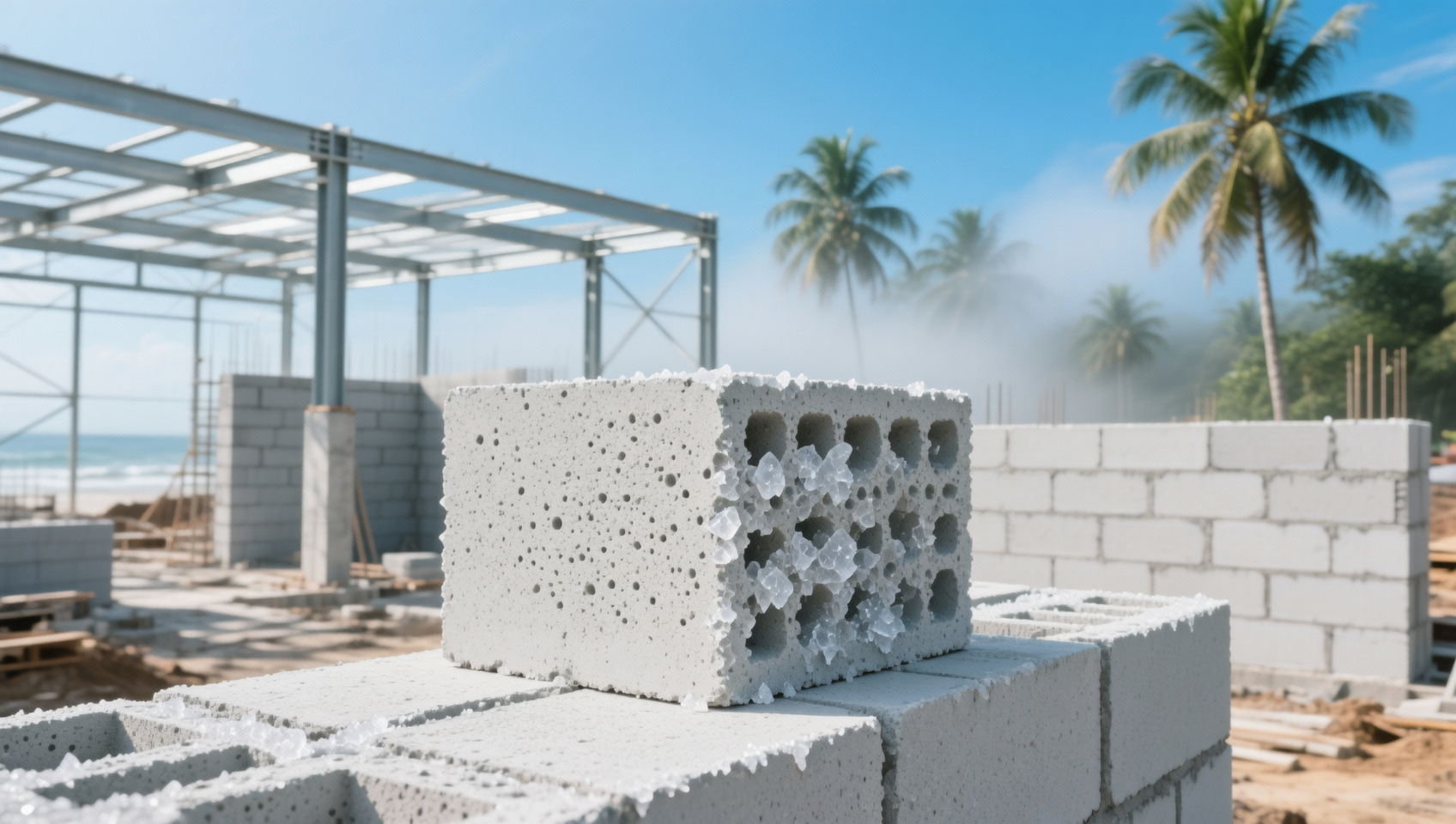
What Building Materials Mean In Modern Construction
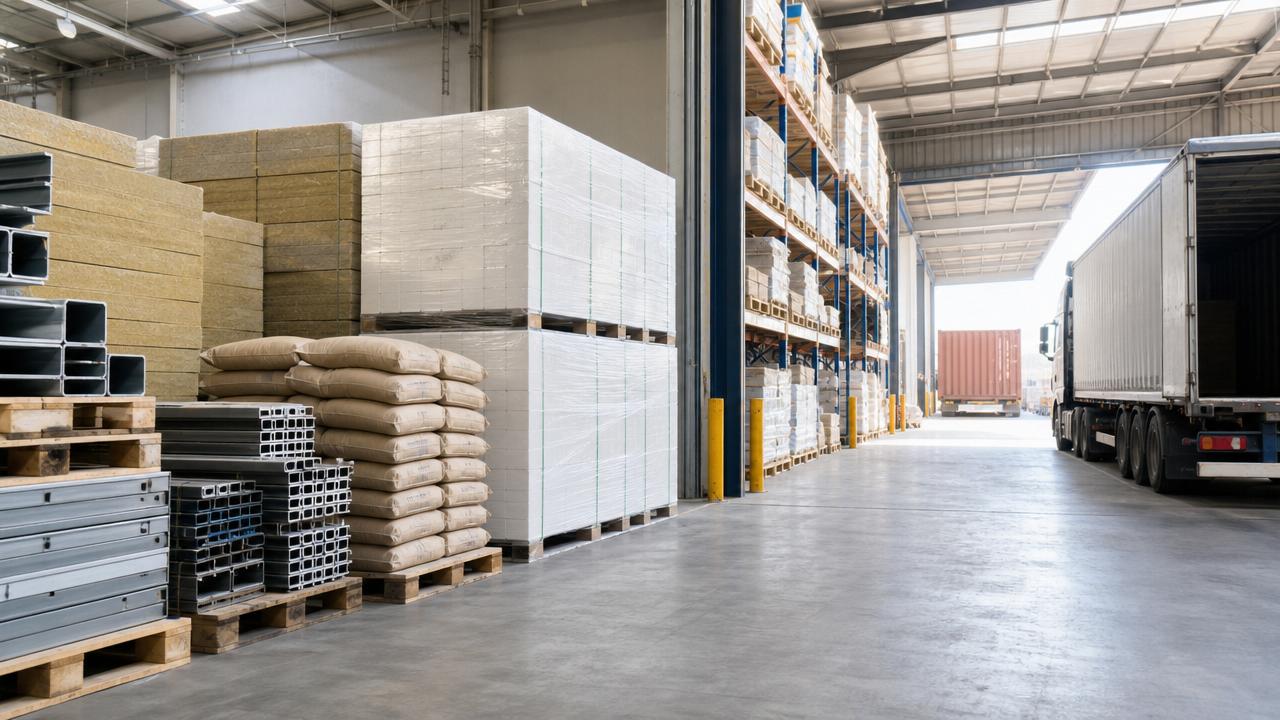
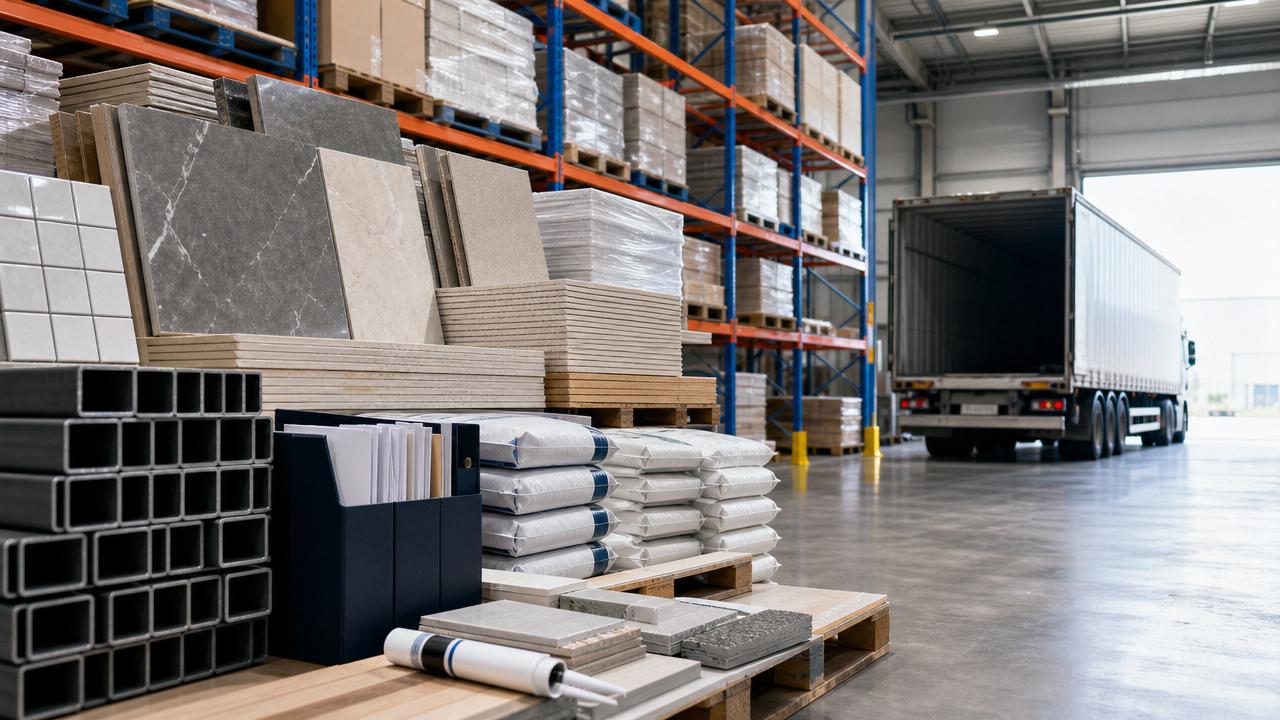
Building materials are the substances, components, and semi-finished systems used to create the structure, envelope, surfaces, and service spaces of a building. In practical terms, the term covers everything from cement, steel, glass, timber, gypsum board, insulation, and tiles to sealants, fasteners, membranes, and mounting accessories.
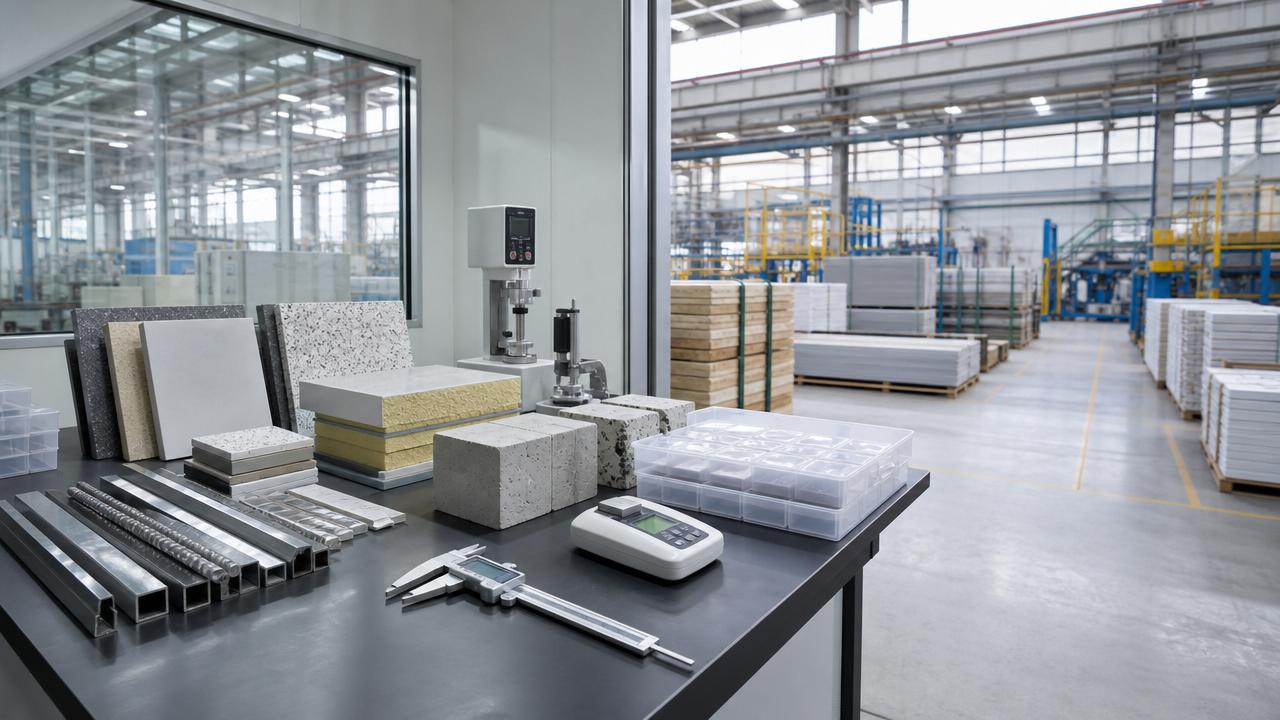
For buyers, building materials are not just commodities. Each material carries measurable properties such as strength, density, fire behavior, water absorption, thermal resistance, dimensional stability, and expected service life. Good specification work translates these properties into safer construction, fewer defects, and lower lifecycle cost.
Industrial standards matter because similar-looking materials can perform very differently in real conditions. A board, tile, or bracket may appear acceptable at first glance, yet fail under moisture, heat, load, UV exposure, or repeated movement. That is why professional procurement starts with clear technical definitions rather than price alone.
In B2B trade, building materials also sit at the intersection of engineering, logistics, compliance, and after-sales risk. The right material must match the climate, installation method, code requirements, and project schedule, while remaining commercially viable for importers, contractors, and distributors.
How Building Materials Work: Core Performance Principles
Every material performs through a combination of chemistry, structure, and processing. Concrete gains compressive strength through cement hydration. Steel carries tensile and structural loads through alloy composition and section design. Ceramic products depend on mineral selection, pressing, and firing temperature. Insulation works by slowing heat transfer through trapped air or engineered fibers.
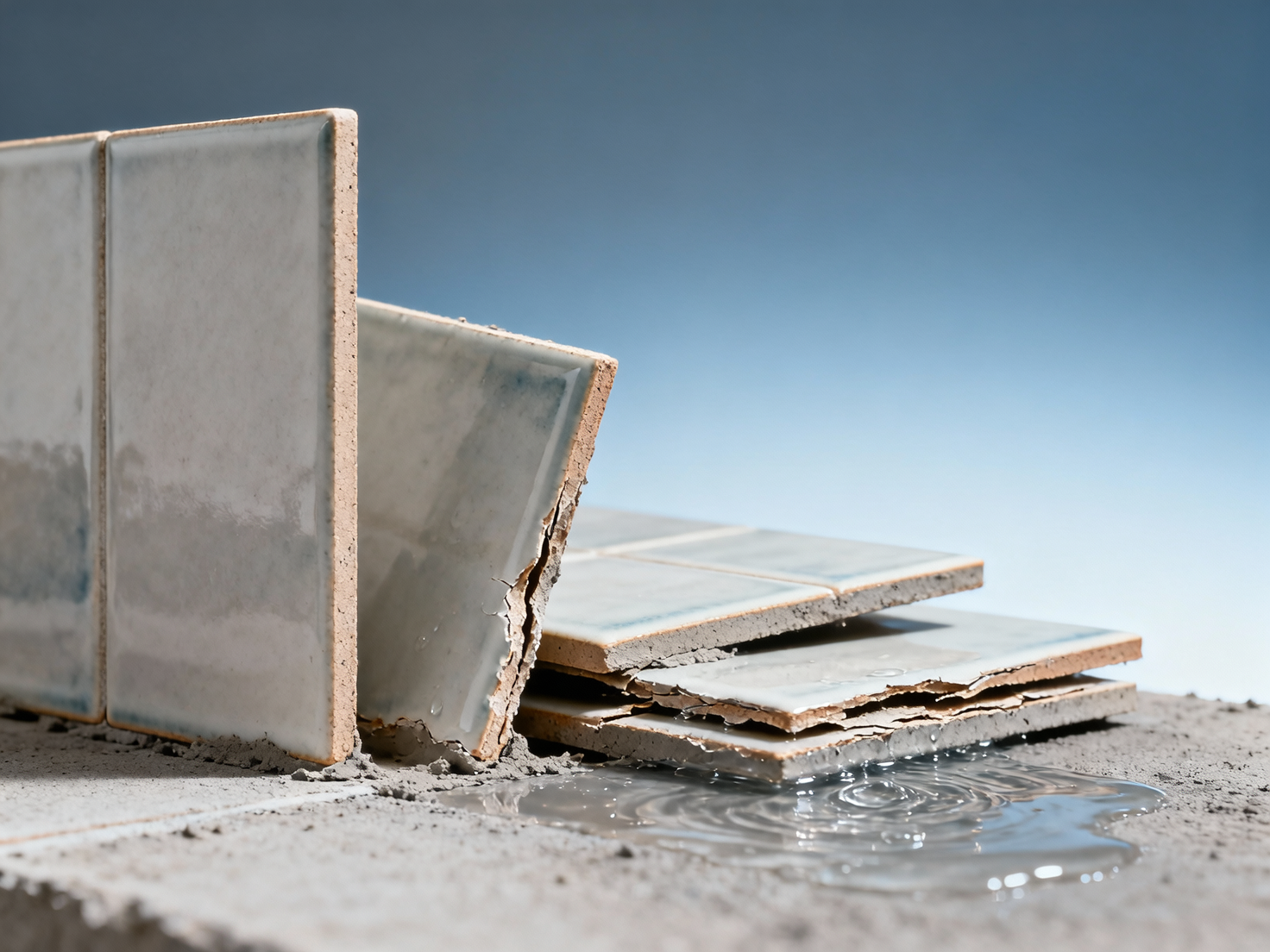
Performance is also system-based, not isolated. A tile may be strong, but the installation can still fail if the adhesive, substrate preparation, and movement joints are unsuitable. Market discussions around increased adhesive failures after the shift to ultra-low-VOC formulations show why installers and buyers must evaluate compatibility, not just individual product claims.
Environmental exposure changes the way building materials behave over time. Desert heat, freeze-thaw cycling, salt air, heavy rainfall, and industrial pollution each create different stress patterns. For outdoor hardware and mounting assemblies, test methods and regional standards can become decisive, as seen in evolving guidance for severe climate applications such as desert solar bracket testing.
Quality therefore depends on both factory control and field execution. Even sound materials can underperform if storage is poor, moisture content is ignored, mixing ratios are wrong, or installation tolerances are not respected. This is why technical data sheets, mock-ups, and inspection checkpoints are important parts of material selection.
Main Categories Of Building Materials Buyers Commonly Compare
Structural building materials include cementitious products, rebar, structural steel, masonry units, engineered wood, and load-bearing panels. Buyers in this category focus on strength class, dimensional tolerances, corrosion protection, and consistency across batches because these factors affect engineering safety and site productivity.
Envelope materials protect the building from weather and energy loss. This group includes roofing products, waterproofing membranes, façade systems, insulation, windows, sealants, and mounting accessories. Selection centers on water tightness, air leakage, thermal performance, UV durability, and compatibility at joints and penetrations.
Interior and finish building materials cover gypsum board, ceilings, flooring, ceramic tiles, stone, paints, decorative panels, doors, and hardware. Here, appearance and installation speed matter, but so do abrasion resistance, slip resistance, indoor emissions, maintenance burden, and repairability over time.
Specialty materials serve narrow but high-value functions, such as fire-rated assemblies, acoustic solutions, chemical-resistant coatings, clean-room surfaces, or solar support components. Procurement for these items usually requires closer review of test methods, installation details, and project-specific performance criteria than standard commodity purchases.
Who Uses Building Materials And What They Need
Developers and project owners care about budget certainty, durability, handover quality, and brand positioning. They often compare building materials based on lifecycle value rather than only first cost, especially when defects could lead to delays, tenant complaints, or costly retrofits after occupancy.
Contractors and installers need materials that are available on time, easy to handle, and reliable under site conditions. For them, packaging integrity, installation tolerance, curing behavior, and technical support can matter as much as the published specification, because labor inefficiency quickly erodes any price advantage.
Importers, distributors, and sourcing teams need stable supply, clear documentation, and fewer quality disputes. They typically evaluate building materials through sample approval, specification alignment, shipment protection, and defect resolution process. In this context, GTIIN can add value as a practical sourcing and comparison partner by helping buyers organize product information across multiple material categories.
Beginners and new market entrants often need a structured view more than a catalog. They benefit from understanding how materials interact inside complete systems, what standards are commonly requested, and where hidden risk sits. That is especially useful when entering channels influenced by digital procurement and standardization trends in the broader decoration industry.
How To Select Building Materials: A Practical B2B Checklist
Start with the application, not the product name. Ask where the material will be used, what loads or exposure it will face, how long it should last, and which local code or customer specification applies. Building materials chosen for a humid coastal warehouse may differ significantly from those used in a dry inland office fit-out.
Review technical criteria in layers. First confirm essential performance such as strength, fire behavior, moisture resistance, thermal properties, and dimensional stability. Then check system compatibility, including substrates, adhesives, fixings, joint treatment, and maintenance conditions. Many disputes come from mismatched components rather than defective base materials.
Evaluate supply reliability as part of selection. This includes production lead time, batch consistency, packaging quality, shipping resilience, replacement availability, and documentation readiness. A technically suitable material can still become a procurement problem if replenishment is uncertain or if customs and inspection paperwork are incomplete.
When comparing offers, ask suppliers for test references, installation guidance, and sample confirmation. If a buyer works with GTIIN, the advantage can be a more organized comparison process across categories, making it easier to align technical expectations, practical application needs, and sourcing decisions without overcomplicating the evaluation.
Standards, Quality Control, And Application Risk
Building materials should be checked against the standards and approvals commonly requested in the destination market, but requirements vary by product and region. Buyers should verify whether the project calls for fire classification, water absorption limits, slip resistance, thermal ratings, corrosion resistance, or structural testing, and avoid assuming one market's benchmark applies everywhere.
Factory quality control usually includes raw material inspection, process control, dimensional checks, appearance grading, and packing review. Yet quality assurance should continue beyond production. Pre-shipment checks, arrival inspection, and installation supervision reduce the chance that transit damage, storage moisture, or incorrect site handling will create failures later.
Application risk is highest where building materials depend on multiple interfaces, such as tile systems, waterproofing layers, façade anchors, and roof penetrations. The recent attention on adhesive performance under changing formulations is a reminder that standards compliance alone may not fully protect a project if installation practice and material compatibility are weak.
For buyers managing broad product portfolios, GTIIN can be used as a practical bridge between technical review and sourcing execution. In categories with many variants, a disciplined approach to specification mapping, sample control, and supplier communication helps reduce costly misunderstandings before production or installation begins.
How Manufacturing, Installation, And Maintenance Affect Outcomes
Manufacturing quality starts with material inputs and process discipline. In general, buyers should understand whether a product depends on mixing ratios, firing curves, curing time, coating thickness, or machining precision. Small variations in these steps can influence the final behavior of building materials far more than marketing descriptions suggest.
Installation is the second half of product performance. Site readiness, substrate flatness, moisture condition, ambient temperature, joint spacing, fastening pattern, and curing time all matter. Clear installation instructions, realistic tolerances, and pilot areas are especially helpful when teams are using unfamiliar systems or working under schedule pressure.
Maintenance should be planned from day one. Some building materials need periodic sealing, inspection of movement joints, recoating, corrosion checks, or replacement of exposed accessories. Others have low routine maintenance but higher repair complexity if damage occurs. Procurement teams should ask not only how to install a material, but also how to inspect and maintain it over years of use.
A practical buyer will therefore assess the full chain: factory process, packaging, transport, storage, installation method, and service conditions. This approach reduces hidden risk and supports more consistent project outcomes than choosing materials based on sample appearance or quoted unit price alone.
Cost, TCO, And Future Trends In Building Materials
The total cost of ownership for building materials includes more than purchase price. Buyers should consider freight efficiency, breakage rate, installation labor, accessories, maintenance intervals, repair frequency, downtime risk, and replacement complexity. A cheaper material can become more expensive if it is difficult to install, fragile in transit, or short-lived in service.
ROI is strongest when material choice improves both performance and execution. Faster installation, fewer callbacks, lower waste, and easier compliance can create measurable project value even when the initial unit cost is higher. This is especially relevant for commercial projects where delays and defects can affect operating income, tenant satisfaction, or warranty exposure.
Looking ahead, the building materials sector is moving toward lower emissions, better traceability, digital comparison, and higher system integration. Buyers can expect stronger demand for products that support standardized specification, transparent documentation, and easier coordination across design, procurement, and installation. Digital channels and AI-assisted selection tools are likely to accelerate this shift.
For companies navigating many product options without a narrow single-product focus, GTIIN can serve as a useful commercial touchpoint for organizing sourcing decisions in a broad materials environment. The most effective strategy remains disciplined: define the application, compare verified performance, control installation risk, and evaluate building materials on long-term value rather than headline price.
Related News
 Global Manufacturing Trends Reshaping Smart Factory ROI in 2026Global manufacturing trends are reshaping smart factory ROI in 2026. Discover scenario-based strategies to improve efficiency, resilience, compliance, and faster returns.
 How to Choose a Building Materials DistributorBuilding materials distributor selection made easier: learn how to verify quality, compliance, pricing, logistics, and supplier reliability before you buy.
 Building Materials Distributor Risks to Check FirstBuilding materials distributor risks can impact cost, compliance, logistics, and schedules. Learn the first checks to make safer sourcing decisions before commitment.
 Building Materials Manufacturer Quality ChecklistBuilding materials manufacturer checklist for smarter sourcing: verify compliance, testing, documentation, audits, and risk controls before major project orders.