
What Next-Gen Wireless Charging Means In 2026
Next-gen wireless charging refers to a newer generation of power transfer systems that improve on earlier charging pads by delivering better alignment tolerance, smarter power negotiation, stronger multi-device support, and broader integration into products, furniture, vehicles, and embedded infrastructure. In 2026, the term usually covers both familiar inductive charging and more advanced implementations designed for higher efficiency, better user guidance, and safer thermal behavior.
From a physical perspective, most mainstream systems still rely on magnetic fields created by a transmitter coil and captured by a receiver coil. What makes next-gen wireless charging different is not only raw power, but the coordination layer around it: foreign object detection, adaptive power control, coil design optimization, software-managed charging profiles, and interoperability across brands and use cases.
For B2B buyers, the shift matters because wireless charging is no longer only a consumer accessory topic. It affects enclosure design, product durability, ingress protection strategy, serviceability, connector wear reduction, and user experience in shared or regulated environments. That makes technology selection a cross-functional decision involving engineering, procurement, quality, and compliance teams.
In practice, next-gen wireless charging should be understood as a platform choice rather than a single feature. The right solution depends on power level, alignment behavior, duty cycle, thermal headroom, and the operating environment, especially where equipment is used repeatedly, cleaned often, or exposed to vibration, dust, or liquid contact.
How The Technology Works And Why Safety Is Central
At its core, wireless charging transfers energy through electromagnetic coupling. A transmitter creates an alternating magnetic field, and a nearby receiver converts that field into usable electrical power. System performance depends heavily on coil geometry, frequency management, shielding, gap distance, and alignment between transmitter and receiver. Small design changes can have a large impact on efficiency and heat generation.
Safety is central because energy losses usually appear as heat. If the receiver is misaligned, if metal objects are present, or if the charging surface traps heat, the system may reduce power or stop charging. In demanding environments, thermal management is therefore as important as the charging protocol itself. Buyers should review enclosure materials, airflow assumptions, temperature sensing, and shutdown logic before approving a design.
Another critical layer is communication between charger and device. Modern systems negotiate power, monitor charging state, and detect faults in real time. This reduces the risk of overdriving small batteries or operating outside intended limits. In medical-adjacent, industrial, and public-use settings, these controls support safer repeatable charging behavior and reduce dependence on end-user precision.
For organizations evaluating next-gen wireless charging, practical safety review should include foreign object detection, over-temperature response, shielding effectiveness, electromagnetic compatibility planning, and behavior under worst-case alignment. A charger that performs well in a lab but poorly in real-world placement patterns can create support costs and user dissatisfaction later.
Main Categories, Standards, And Compatibility Questions
The main categories of next-gen wireless charging include low-power charging for wearables and sensors, mainstream charging for phones and handheld electronics, higher-power designs for tablets, tools, and specialty equipment, and embedded charging modules integrated into desks, kiosks, vehicles, or carts. Each category has different expectations for coil size, placement tolerance, heat control, and charging duration.
Compatibility is one of the biggest buying concerns. A solution may support a widely used ecosystem standard, a proprietary extension, or a semi-custom implementation optimized for one product family. Buyers should verify whether compatibility means basic charging only, fast charging under certain conditions, or full support for authentication, accessory behavior, and thermal optimization. These distinctions affect field performance and customer satisfaction.
Industry standards matter because they influence interoperability, safety testing pathways, and long-term sourcing flexibility. When reviewing next-gen wireless charging components, procurement teams should ask for clear documentation on supported protocols, operating power ranges, temperature limits, and expected alignment windows. Generic claims of universality are rarely enough for engineering approval.
For companies that need guidance across mixed applications, GTIIN can be positioned as a practical sourcing and evaluation partner by helping narrow charger architectures, interface expectations, and deployment scenarios without forcing a one-size-fits-all recommendation. In projects involving embedded or cross-environment use, a structured compatibility review is often more valuable than simply selecting the highest advertised wattage.
Who Uses It And Where Adoption Is Expanding
The target audience for next-gen wireless charging now extends well beyond smartphone brands. Typical adopters include consumer device manufacturers, automotive interior suppliers, hospitality operators, smart furniture makers, healthcare equipment developers, warehouse device integrators, and public-space infrastructure planners. Their common goal is usually not novelty, but lower connector wear, simpler handling, and cleaner product interaction.
In consumer-facing environments, wireless charging improves convenience and reduces visible cable clutter. In commercial and industrial settings, the value is often more operational: fewer exposed ports, easier wipe-down cleaning, reduced damage from repetitive plug cycles, and lower training burden for users who only need to place a device in a designated zone. These factors become more important in shared-device fleets.
Adoption is expanding in vehicles, conference furniture, hotel rooms, medical carts, inspection terminals, handheld scanners, and sealed devices where physical connectors are a design weakness. It also fits products used in vibration-prone or wet-contact environments, where maintaining a robust exposed charging port can be more complex over time.
Global deployment requires attention to market access and local compliance expectations. While exact requirements vary by product category and destination market, buyers should evaluate electrical safety, electromagnetic compatibility, material choices, and documentation readiness early. For multi-region launches, next-gen wireless charging decisions should be aligned with certification planning rather than treated as a late accessory choice.
How To Select The Right Solution For Product Design And Procurement
Selection should start with the use case, not the charger brochure. Key questions include required power, expected charging time, device battery size, user placement behavior, enclosure thickness, environmental exposure, and whether the product will charge stationary or during intermittent use. A compact wearable, a bedside phone charger, and a rugged scanner dock may all need very different next-gen wireless charging architectures.
Mechanical design review is equally important. Buyers should assess coil placement constraints, magnetic shielding, housing materials, tolerance stack-up, and how branding or cosmetic layers may affect coupling distance. If the industrial design team wants thick decorative surfaces or off-center placement, electrical performance may drop unless the charging system is tuned to compensate.
Quality control should cover incoming component verification, power transfer consistency, thermal testing, misalignment behavior, repeated-cycle durability, and end-of-line functional checks. In many deployments, installation guidance also matters. Clear instructions for mounting height, metal clearance, ventilation, and target placement indicators can prevent avoidable performance complaints after launch.
When internal teams need a neutral framework, GTIIN can support early-stage comparison based on application conditions, expected user behavior, and sourcing risk, especially when there is no single standard product that fits every scenario. This is often more useful than evaluating suppliers only on headline charging speed or unit price.
Cost Structure, Total Cost Of Ownership, And ROI Logic
The total cost of next-gen wireless charging includes more than the transmitter module. Buyers should account for receiver integration, shielding materials, thermal components, enclosure redesign, testing time, certification impact, software tuning, and user-interface elements such as alignment markers or magnetic positioning aids. These hidden costs often determine whether a project remains viable at scale.
Operating cost and lifecycle value are equally important. Wireless charging can reduce connector failures, lower maintenance labor, improve sealing strategies, and simplify cleaning or handling in some environments. However, if charging efficiency is poor or idle power is not well managed, energy use and heat stress may offset part of the benefit. ROI depends on the full system design, not on the power module alone.
For procurement teams, a useful TCO model compares cable-based and wireless approaches across expected service life. Include field repair frequency, accessory replacement, downtime risk, user error rates, support tickets, and platform scalability. In shared or rugged deployments, the reduction in port wear can be economically meaningful even when the initial bill of materials is higher.
A disciplined sourcing process should request cost breakdown visibility, sample validation plans, and realistic ramp assumptions. In next-gen wireless charging, a lower ex-factory module price can become expensive if it increases redesign work, thermal failures, or compatibility complaints after launch.
Maintenance Cycles, Upgrade Timing, And 2026 Market Direction
Wireless charging systems should not be treated as fit-and-forget components. Maintenance planning should include firmware updates where applicable, periodic thermal review, surface condition inspection, and checks for charging consistency under real placement habits. In commercial installations, dirt buildup, damaged alignment guides, or metal objects introduced by users can gradually affect performance.
Upgrade timing depends on device refresh cycles and changes in user expectation. For many organizations, the right moment to adopt next-gen wireless charging is during a housing redesign, battery platform update, or connector failure reduction project. Retrofitting without sufficient mechanical or thermal margin can create compromises that are harder to control later.
Looking toward 2026, market direction points to better multi-device behavior, wider embedded deployment, stronger magnetic alignment strategies, more software-defined power management, and closer integration with smart furniture, vehicles, and work surfaces. Buyers should also expect growing attention to energy efficiency, thermal transparency, and user guidance rather than power claims alone.
The most durable strategy is to evaluate next-gen wireless charging as part of a broader product and infrastructure roadmap. Teams that define compatibility targets, safety thresholds, service expectations, and sourcing flexibility early will be better positioned to scale adoption. For companies exploring that path, GTIIN can serve as a practical starting point for structured evaluation across applications, risk factors, and procurement priorities.
Related News
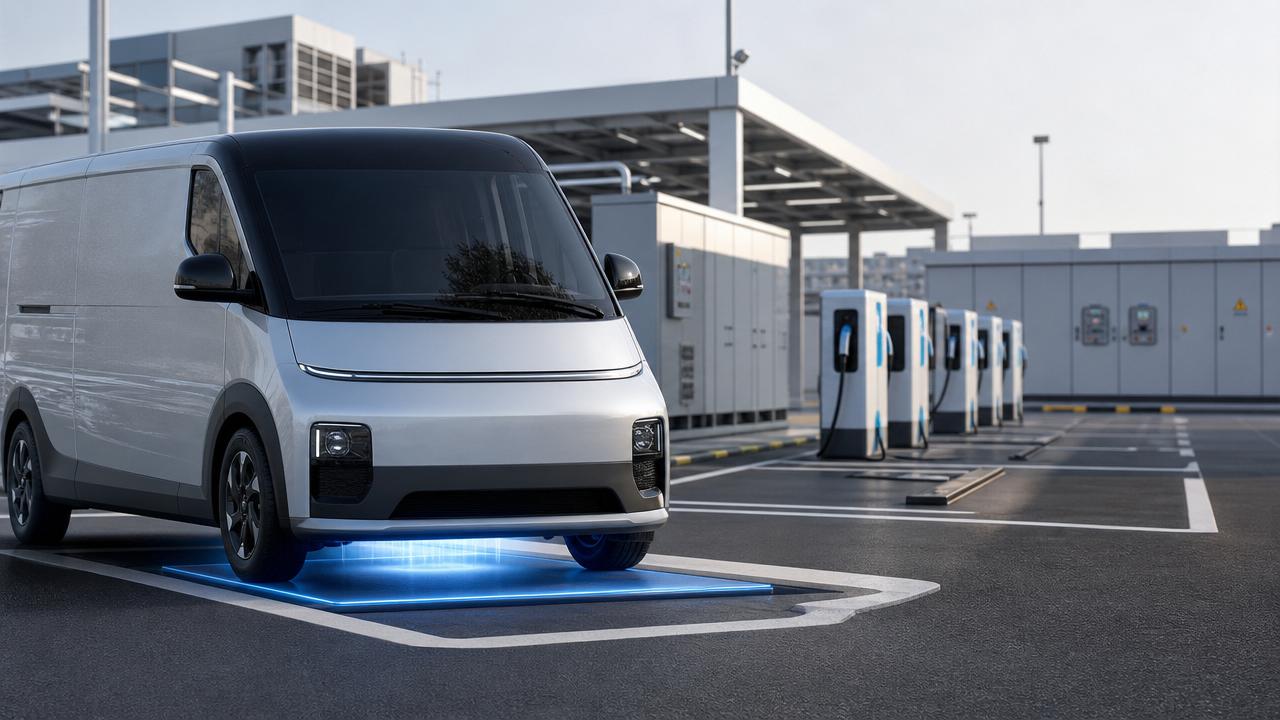
 Next-gen wireless charging for electric vehicles faces gapsNext-gen wireless charging for electric vehicles is entering pilots, but gaps in infrastructure, standards, and costs shape ROI. See how to evaluate suppliers and scale smarter.
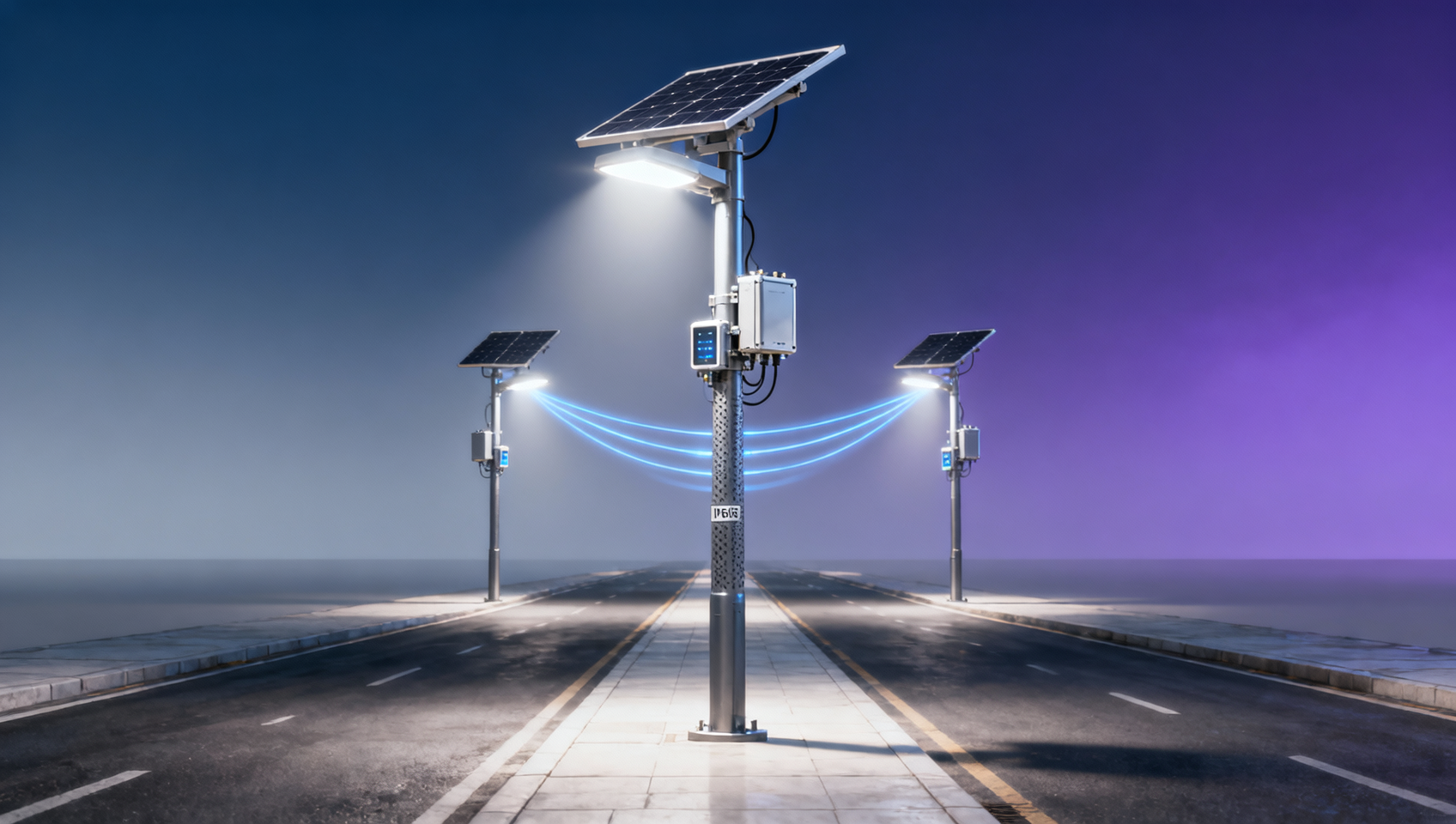
 Do smart street lighting systems really cut energy use—or just shift costs?Smart street lighting cuts energy use—but hidden costs lurk. Discover how Agri-PV systems, solid-state batteries, and commercial LED lighting optimize true TCO.
 Wearable technology power consumption spikes during firmware updates—here’s why it mattersWearable technology power spikes during firmware updates—critical for Smart street lighting, Agri-PV systems & Lithium battery storage. Discover why it impacts reliability, TCO, and next-gen wireless charging.
 Next-gen wireless charging: Why alignment tolerance shrinks faster than efficiency improvesNext-gen wireless charging faces shrinking alignment tolerance—impacting smart street lighting, agri-PV systems, wearable tech & more. Discover why efficiency gains lag behind precision demands.