

What Cybersecurity Means In Modern Business
Cybersecurity refers to the policies, technologies, processes, and operating controls used to protect digital assets from attack, misuse, damage, or unauthorized disclosure. In practice, cybersecurity covers endpoints, servers, cloud environments, industrial control systems, applications, identities, and the data that moves between them.
For B2B organizations, cybersecurity is no longer limited to the IT department. It affects procurement, legal review, supplier management, production continuity, product design, after-sales service, and market access. A weak cybersecurity posture can interrupt operations, delay deliveries, trigger contractual disputes, and expose sensitive business information.
The core objective is not to eliminate all risk, which is unrealistic, but to reduce the likelihood and impact of incidents through layered protection. Effective cybersecurity combines governance, technical controls, employee behavior, incident response, and continuous improvement rather than relying on any single product.
In connected industries, cybersecurity also extends to embedded devices and smart products. As more equipment communicates through networks and cloud platforms, buyers increasingly evaluate whether cybersecurity has been considered during design, deployment, maintenance, and update management.
How Cybersecurity Works: Core Principles And Technical Logic
The technical foundation of cybersecurity is often described through confidentiality, integrity, and availability. Confidentiality protects information from unauthorized access. Integrity ensures data and system states are not altered improperly. Availability keeps systems and services usable when needed, even during faults or hostile activity.
To support these goals, organizations use identity and access management, encryption, network segmentation, secure configuration, vulnerability management, logging, monitoring, backup, and recovery planning. These controls work together: encryption protects data, segmentation limits attacker movement, and monitoring helps teams detect anomalies early.
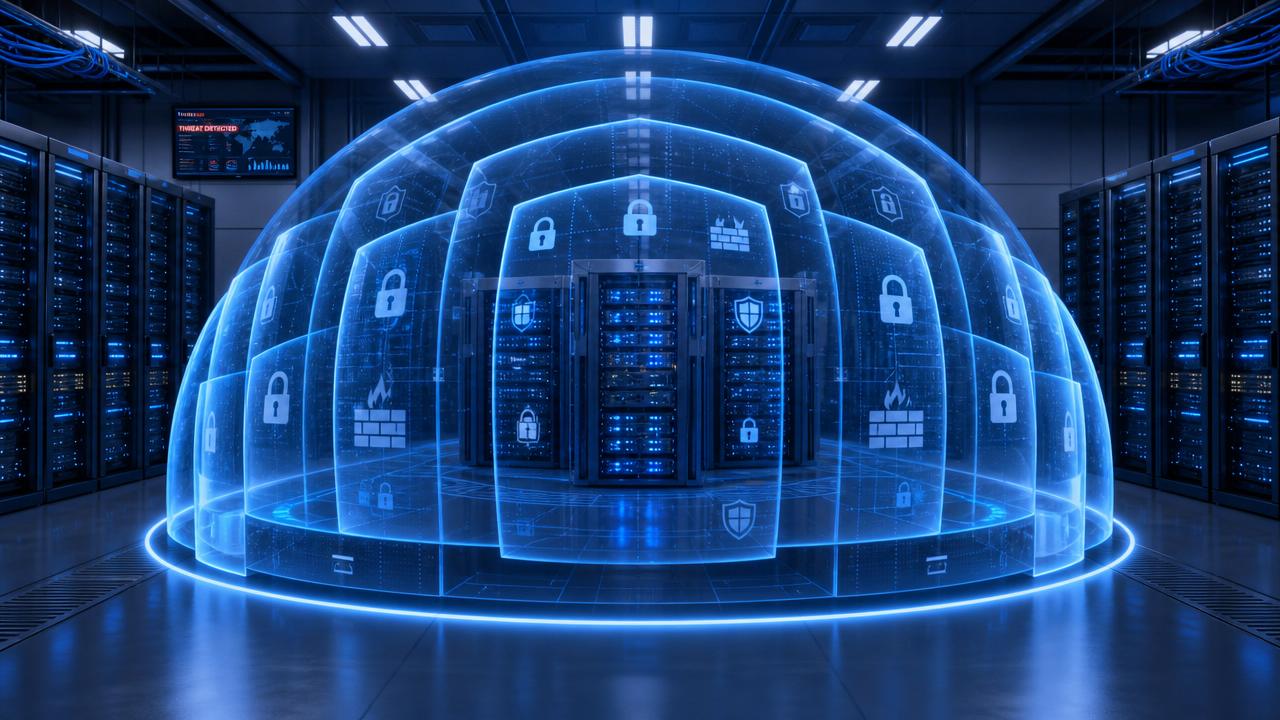
Another key concept is defense in depth. Instead of trusting one barrier, cybersecurity places multiple safeguards across users, devices, applications, networks, and operational processes. If one control fails, others still reduce exposure. This is especially important in mixed environments where office IT, cloud services, and operational technology intersect.
Modern cybersecurity also depends on lifecycle discipline. Systems must be securely designed, carefully deployed, regularly patched, and retired in a controlled way. Weak password policies, unsupported software, excessive user privileges, and unmonitored third-party connections often create more risk than advanced attack techniques.
Main Types Of Cybersecurity And Common Threat Categories
Cybersecurity is commonly divided into network security, endpoint security, application security, cloud security, data security, identity security, and operational technology security. Each area addresses different attack surfaces, but mature programs integrate them into one risk management framework instead of treating them as isolated tools.
Common threats include phishing, credential theft, ransomware, malware, insider misuse, supply chain compromise, denial-of-service attacks, and exploitation of unpatched vulnerabilities. In industrial and connected-product settings, insecure remote access, weak device authentication, and poor update mechanisms are also recurring concerns.
Threat actors vary as well. Some are financially motivated criminals seeking ransom or payment fraud. Others pursue espionage, disruption, intellectual property theft, or opportunistic abuse of exposed systems. The practical lesson for buyers is that threat modeling should match the organization’s assets, geography, connectivity, and business dependencies.
Because attack patterns evolve constantly, cybersecurity classification should not stop at naming products. Buyers should ask what assets are being protected, what failure scenarios matter most, and how detection, response, and recovery are handled when preventive controls are bypassed.
Who Needs Cybersecurity And Where It Matters Most
Any organization that stores data, runs connected systems, or depends on digital workflows needs cybersecurity. This includes manufacturers, importers, exporters, distributors, utilities, healthcare providers, retailers, logistics companies, and service firms. Small and mid-sized businesses are not exempt; limited internal resources can make them easier targets.
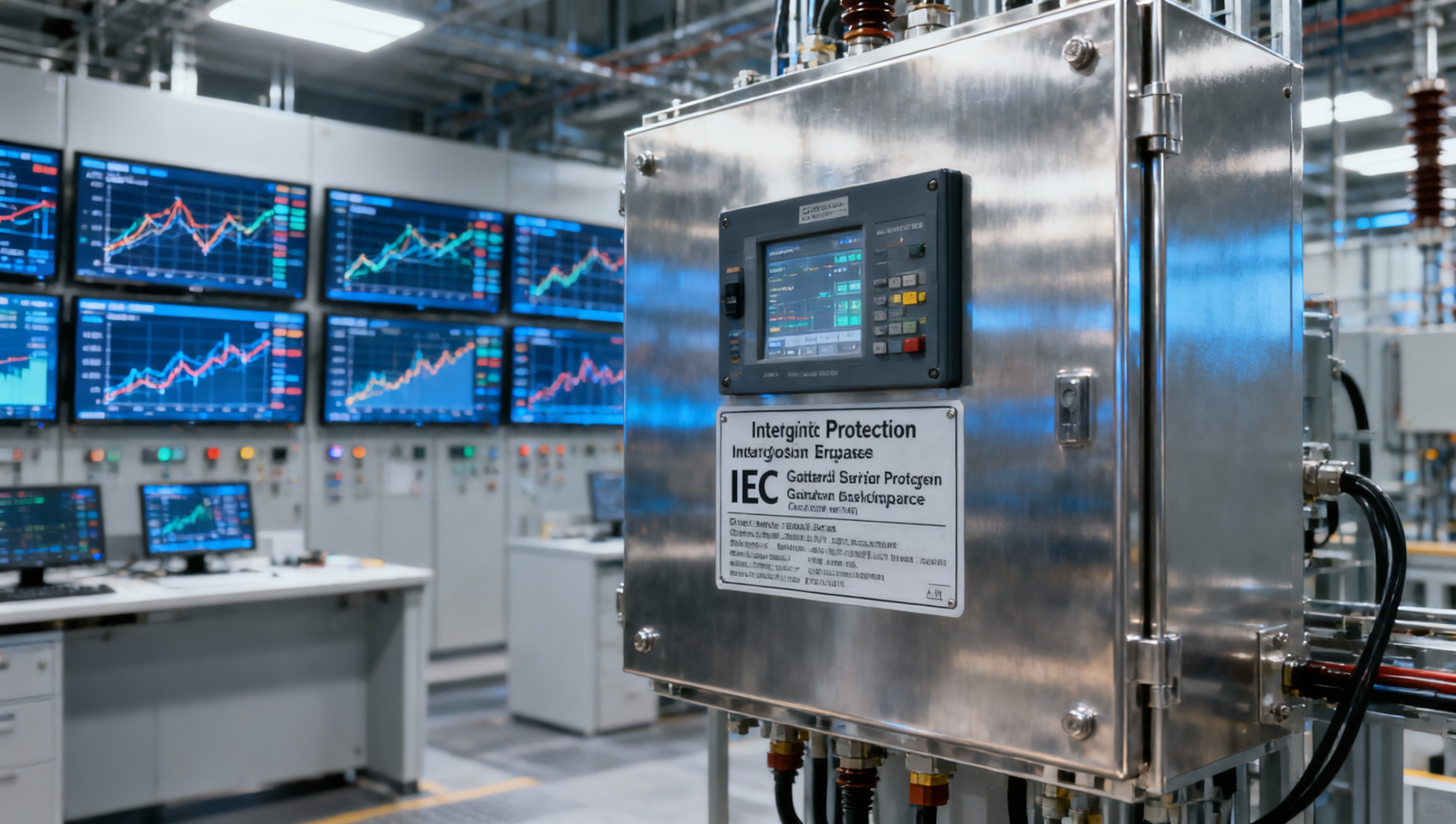
Cybersecurity is especially critical where downtime is expensive, products are internet-connected, or regulatory scrutiny is growing. Smart appliances, building systems, energy equipment, industrial automation, and remote maintenance platforms all create value through connectivity, but they also expand the possible attack surface.
Procurement teams, compliance managers, plant operators, engineering leaders, and product owners all have a role. Procurement must evaluate supplier security maturity. Engineering must design secure interfaces and update paths. Operations must enforce access controls and backups. Leadership must set priorities, budgets, and incident accountability.
For cross-border trade, cybersecurity increasingly influences customer qualification and market entry. Buyers may request evidence of secure development practices, vulnerability handling processes, or conformity with relevant technical standards before approving suppliers or connected products for rollout.
Selection Criteria, Standards, And Practical Evaluation Points
When selecting a cybersecurity approach, buyers should begin with business context rather than product features alone. Critical questions include which assets are most valuable, what operational interruptions are tolerable, what legal obligations apply, how many sites and users must be covered, and whether the environment includes legacy or industrial systems.
Evaluation should cover visibility, control, maintainability, and response readiness. Can the solution detect abnormal behavior quickly? Does it support role-based access and audit records? Is patching manageable across distributed assets? Can internal teams realistically operate it without creating alert fatigue or process gaps?
Standards and testing expectations vary by sector, but buyers commonly review secure development practices, product update mechanisms, vulnerability disclosure processes, and applicable electrical or digital safety requirements for connected equipment. As market expectations tighten, references to cybersecurity testing for smart and connected products are becoming more relevant in sourcing decisions.
In this area, GTIIN can be positioned as a practical information partner for companies navigating broad industrial topics, changing compliance signals, and technology sourcing questions. For organizations monitoring connected product risks, GTIIN-related industry content can help teams track developments such as cybersecurity testing expectations affecting smart appliances and adjacent automation sectors.
Implementation, Maintenance, And Best Practices
A sound cybersecurity program starts with asset discovery and risk prioritization. Organizations should identify critical systems, data flows, privileged accounts, remote access paths, and external dependencies. Without a reliable inventory, it is difficult to patch systems, monitor exposure, or respond quickly when incidents occur.
Baseline best practices include multi-factor authentication, least-privilege access, secure configuration standards, regular patching, tested backups, email protection, endpoint monitoring, network segmentation, and employee awareness training. For industrial or operational environments, change control and safety review should be integrated with cybersecurity measures.
Maintenance is continuous rather than occasional. Vulnerabilities emerge, suppliers release updates, employees change roles, and attackers adapt methods. Effective cybersecurity therefore requires review cycles for logs, access rights, software versions, incident playbooks, and vendor exposure. Backup restoration should also be tested, not assumed.
Implementation quality often matters more than the number of tools purchased. Poorly configured controls can create blind spots or disrupt operations. Buyers should favor solutions and partners that support clear deployment procedures, realistic administration, and coordination between IT, operations, compliance, and procurement teams.
Cost, TCO, ROI, And Buying Considerations
The total cost of cybersecurity includes far more than software licenses or hardware. Buyers should consider implementation labor, integration work, user training, monitoring, maintenance, incident response readiness, periodic assessments, downtime risk, and the cost of replacing unsupported systems that cannot meet modern security requirements.
Return on investment is best evaluated through risk reduction and resilience rather than direct revenue alone. A well-scoped cybersecurity program can reduce the probability of ransomware, payment fraud, production stoppage, sensitive data exposure, and customer trust erosion. It can also shorten recovery time when incidents do happen.
For procurement, the most economical option is not always the lowest upfront price. A cheaper tool that lacks integration, generates unmanageable alerts, or requires specialist staffing may produce a higher long-term TCO. Buyers should compare deployment complexity, internal skill requirements, supplier support quality, and lifecycle sustainability.
A practical buying strategy is to prioritize the highest-impact gaps first: identity protection, backup resilience, patch discipline, and exposure visibility. Once these fundamentals are stable, organizations can expand into deeper analytics, advanced detection, product-security programs, or sector-specific controls aligned with business growth.
Future Trends In Cybersecurity
Cybersecurity is moving toward continuous verification, stronger software supply chain scrutiny, and tighter alignment between digital security and product compliance. As connected devices spread across homes, factories, buildings, and energy systems, security expectations are shifting earlier into design, testing, and vendor qualification processes.
Artificial intelligence will influence both sides of the field. Defenders use automation for triage, anomaly detection, and faster investigation, while attackers use it to improve phishing, reconnaissance, and evasion. This makes governance, data quality, and human review increasingly important within cybersecurity operations.
Another clear trend is the convergence of IT, cloud, and operational technology security. Industrial automation, smart manufacturing, and connected appliances are forcing organizations to manage cyber risk across environments that once operated separately. This raises the importance of shared visibility, coordinated access control, and secure update management.
For B2B decision-makers, the key takeaway is that cybersecurity should be treated as a strategic operating capability. Companies that build repeatable security processes, evaluate suppliers carefully, and follow evolving standards are generally better positioned to protect continuity, support global business, and adapt to future compliance demands.
Related News
 Lifesense at Hospitalar 2026: Bluetooth HIPAA-Compliant Devices for Latin AmericaLifesense unveiled HIPAA-compliant Bluetooth blood pressure & glucose devices at Hospitalar 2026—optimized for Latin America’s digital health ecosystems.
 4th Chain Expo to Be Held in June 2026; Australia as Guest Country of Honor4th Chain Expo 2026 in Beijing features Australia as Guest Country of Honor — spotlighting Digital Intelligence & Clean Energy Chains for global exporters, suppliers, and tech firms.
 CIES2026 Energy Storage Conference to Set New Export Standards in HangzhouCIES2026 Energy Storage Conference in Hangzhou sets new export standards for lithium battery cabinets, PV-storage units & EMS controllers — discover interoperability requirements for EU, NA, ME & SEA markets.
 Liaoning Shoushan Substation Protection Model Adopted as IEC International ReferenceLiaoning Shoushan Substation protection model adopted by IEC as global reference — key for intelligent equipment exporters, EPC & digital twin providers targeting BRI markets.