

Cold Storage Solutions: Cost Risks Before Expanding Capacity
Before approving new warehouse space or refrigeration assets, financial decision-makers need a clear view of the hidden cost pressures behind cold storage solutions. In agriculture and food supply chains, extra capacity can protect product quality, reduce spoilage, and support seasonal throughput, but it can also lock in long-term fixed costs that are hard to reverse. Energy volatility, temperature-control maintenance, labor pressure, insurance, food safety compliance, and uncertain utilization can all weaken the return on expansion if planning assumptions are too optimistic. A disciplined review of cold storage solutions should therefore begin with total cost exposure rather than headline construction or lease rates alone.
What Cold Storage Solutions Mean in the Agriculture and Food Chain
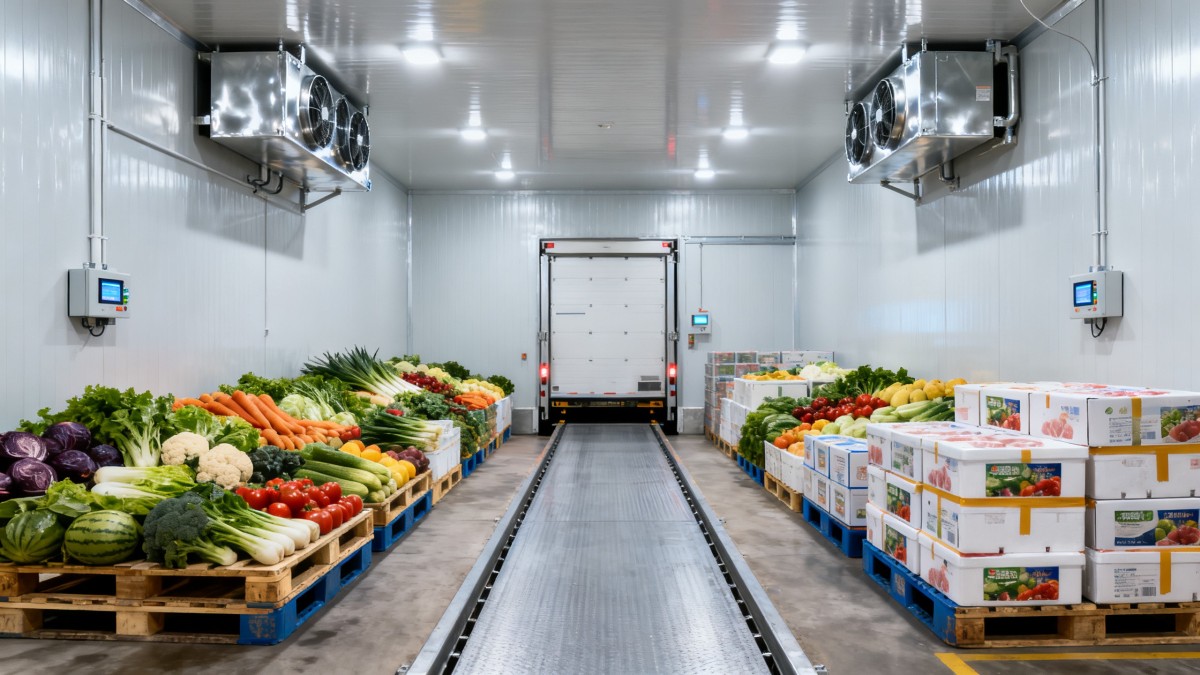
Cold storage solutions refer to the physical infrastructure, refrigeration systems, handling processes, monitoring tools, and operating models used to preserve perishable agricultural and food products within controlled temperature ranges. In practical terms, this includes chilled rooms for fresh produce, frozen storage for meat and seafood, blast freezing for prepared foods, insulated loading docks, backup power systems, and digital monitoring for temperature, humidity, and traceability.
Within agriculture and food operations, cold storage solutions sit at the center of quality protection. They influence shelf life, waste rates, export readiness, and compliance with buyer specifications. Yet their value depends not only on technical performance but also on cost discipline. A facility that maintains perfect temperature consistency may still become a poor investment if its occupancy is low for much of the year or if energy intensity rises faster than sales margins.
That is why expansion decisions should evaluate cold storage solutions as a financial system, not simply as additional square meters. Capital expenditure, utility demand, refrigerant management, staffing, downtime risk, and inventory turnover all shape the real economics of every new pallet position created.
Current Industry Signals Shaping Expansion Decisions
Several market conditions are changing how cold storage solutions are assessed across the agriculture and food sector. Demand for temperature-sensitive logistics remains strong, but cost structures are becoming less predictable. Export programs, food safety standards, retailer delivery windows, and climate-related production swings are all increasing the need for more resilient storage strategies.
These signals show why capacity expansion should not rely on demand growth alone. In many food categories, the main risk is not whether more storage is useful, but whether the chosen cold storage solutions can remain financially efficient under changing market conditions.
The Main Cost Risks Before Adding Capacity
The first and most visible risk is energy consumption. Refrigeration loads are highly sensitive to insulation quality, door cycles, ambient climate, equipment age, defrost schedules, and product throughput. A model based on stable electricity rates can quickly fail if tariffs rise or if the actual operating profile is more intensive than expected. For cold storage solutions handling produce, dairy, meat, or frozen foods, the difference between projected and real energy cost often determines whether margins hold or collapse.
A second risk is maintenance intensity. Compressors, evaporators, condensers, controls, and backup systems require regular service. Deferred maintenance may reduce short-term spending but increases the chance of temperature excursions, product loss, and emergency repair costs. In agriculture and food environments, even a short failure can damage inventory value far beyond the repair invoice.
Utilization risk is equally important. Many cold storage solutions are justified by peak-season volume, special promotions, or anticipated contract growth. If those volumes do not persist, the business is left carrying depreciation, lease expense, and utility base load across underused space. Low occupancy also affects labor productivity because picking routes, handling time, and fixed supervision costs do not shrink in line with stored volume.
Compliance and insurance create another layer of hidden cost. Food-grade cold storage solutions often require temperature logs, calibration records, pest control, sanitation programs, traceability procedures, and documented corrective actions. Insurance premiums may also rise as inventory value increases or as facilities add ammonia or other regulated refrigeration assets. These expenses are recurring and should be built into the investment case from the beginning.
Finally, financing structure matters. A debt-funded expansion may appear manageable at current rates, but interest shifts can change payback timing. If the facility also depends on future customer commitments that remain informal, the capital risk becomes even more pronounced. Strong cold storage solutions planning should stress-test revenue assumptions against downside occupancy and higher operating costs.
Business Value Depends on Total Cost Visibility
Cold storage solutions can create substantial value when they are aligned with product mix, route-to-market needs, and real throughput patterns. For fresh fruits and vegetables, better pre-cooling and temperature stability can reduce spoilage and preserve grade quality. For meat, seafood, dairy, and frozen packaged foods, properly designed cold storage solutions improve inventory integrity, support export compliance, and reduce claim exposure from temperature deviations.
However, the true business case should measure more than avoided waste. It should quantify turnover improvement, reduced emergency outsourcing, fewer rejected shipments, lower stockout risk, and better service continuity during peak harvest or demand disruptions. At the same time, it must include cost items that are often underestimated: standby power, spare parts, sanitation downtime, equipment redundancy, training, software integration, and utility demand charges.
When comparing options, the most useful approach is to calculate total landed storage cost per pallet, per ton, or per case moved. That makes different cold storage solutions easier to compare across ownership models, third-party storage, and hybrid capacity strategies. It also helps reveal whether an investment improves unit economics or merely increases operational comfort.
Typical Expansion Scenarios and Their Risk Profiles
These examples show that cold storage solutions should be matched to operating reality. A well-designed asset in the wrong scenario can still produce weak returns if utilization, product flow, or service obligations are misread.
Practical Evaluation Points Before Committing Capital
- Model best-case, base-case, and downside occupancy rather than using a single demand forecast.
- Test cold storage solutions against different electricity prices, maintenance schedules, and labor rates.
- Separate peak-season need from annual average need to avoid building permanent capacity for temporary volume spikes.
- Include compliance, insurance, backup power, sanitation, monitoring, and refrigerant management in total cost calculations.
- Review whether third-party cold storage solutions or flexible leased space can cover uncertain growth more efficiently.
- Assess layout efficiency, door management, and product flow, since poor design can inflate energy use for years.
- Quantify the cost of downtime and product loss, not only equipment replacement cost.
One useful discipline is to treat every new cold storage solutions project as both an infrastructure investment and a margin-risk decision. If the project cannot maintain acceptable economics under lower utilization and higher energy cost, the timing or scale may need adjustment.
A Measured Next Step for Capacity Planning
In agriculture and food markets, capacity expansion can strengthen quality control and improve resilience, but only when cold storage solutions are evaluated through a full-cost lens. The most reliable decisions come from linking engineering assumptions to commercial reality: product seasonality, contract certainty, export timing, utility exposure, and compliance obligations. Instead of asking only how much extra space is needed, the better question is whether the added capacity will remain financially productive across changing market conditions.
A practical next step is to build a side-by-side comparison of owned, leased, and third-party cold storage solutions using unit cost, occupancy sensitivity, and failure-risk assumptions. That framework makes expansion choices more transparent and helps avoid overbuilding at the wrong point in the cycle. For businesses tracking global agriculture and food logistics trends, data-led market intelligence can further improve timing, benchmarking, and long-range investment confidence.
 How an industrial trade intelligence dashboard can identify new supplier marketsDiscover how an industrial trade intelligence dashboard helps identify new supplier markets by comparing capacity, landed cost, logistics resilience, and compliance risk.
 Which global market entry barriers should exporters assess first?Global market entry barriers exporters should assess first: tariffs, compliance, buyer qualification, logistics, and payment risk. Build a practical strategy for confident market entry.
 How trade data aggregation analytics can reveal emerging supplier marketsTrade data aggregation analytics reveals emerging supplier markets by connecting trade flows, capacity signals, logistics, and compliance insights for smarter sourcing decisions.
 When an export market analysis platform can validate demand in a new marketExport market analysis platform insights help validate new-market demand through buyer fit, regulations, logistics, competition, and profitable entry conditions.
 What is driving the beauty and personal care market in the USA?Beauty and personal care in USA is driven by targeted solutions, selective premiumization, digital discovery, clean-label trust, diverse needs, and compliance. Explore key growth opportunities.
 How trade flow monitoring reports reveal changing regional demandTrade flow monitoring reports reveal changing regional demand through import volumes, sourcing shifts, product mix, logistics signals, and regulatory trends. Explore actionable market insights.
 How international market intelligence for investors reduces market-entry riskInternational market intelligence for investors reduces market-entry risk by validating demand, regulations, logistics, and competition before capital is committed.
 How international sourcing intelligence helps identify supplier risk earlyInternational sourcing intelligence helps businesses spot supplier risks early, protect supply continuity, and make smarter global procurement decisions.
 How trade data aggregation analytics reveals emerging supplier marketsTrade data aggregation analytics reveals emerging supplier markets through export trends, input flows, logistics, and regulatory signals. Discover smarter sourcing insights.
 What industrial cluster monitoring in Vietnam reveals about site riskIndustrial cluster monitoring Vietnam reveals hidden site risks across labor, utilities, logistics, compliance, and supplier dependencies. Make smarter sourcing and expansion decisions.
 Food Technology Trends Reshaping Shelf Life, Safety, and Product InnovationFood technology is reshaping shelf life, safety, and innovation. Discover the trends helping food businesses cut risk, improve compliance, and unlock stronger global market growth.
 How electronics manufacturing services are changing with low-volume demandElectronics manufacturing services are evolving fast with low-volume demand. Learn how agile EMS partners improve flexibility, compliance, sourcing resilience, and speed to market.
 How Can Buyers Reduce Procurement Risks for Electronic Components?How to reduce procurement risks for electronic components: learn how buyers assess traceability, lead times, compliance, and supplier types to avoid costly sourcing mistakes.
 What Sourcing Intelligence India Reveals About Supplier Risk and Cost ShiftsSourcing intelligence India reveals hidden supplier risk, compliance gaps, logistics pressure, and real cost shifts—helping buyers compare vendors smarter and source with more confidence.
 Fashion Trends 2026: Which Materials, Colors, and Silhouettes Are Gaining Ground?Fashion trends 2026 spotlight tactile fabrics, mineral colors, and controlled volume. Explore the materials, shades, and silhouettes shaping smarter, more wearable style.
 Smart Device Market Outlook: Key Growth Drivers, Segments, and Business OpportunitiesSmart device market trends are shifting toward system value, industrial demand, and resilient supply chains. Explore key growth drivers, high-potential segments, and business opportunities.
 How Global Trade Intelligence Services Help B2B Firms Evaluate Markets and SuppliersGlobal trade intelligence services help B2B firms compare suppliers, assess market potential, and uncover compliance, logistics, and pricing risks before costly decisions are made.
 Manufacturing Sector Updates for Investors: What Signals Matter Most in 2025?Manufacturing sector updates for investors in 2025: track orders, margins, supply chains, regulation, and exports to spot resilient manufacturers and smarter investment signals.
 How Energy Market Intelligence Helps Businesses Track Price Risks and Demand ShiftsEnergy market intelligence helps businesses spot price risks, demand shifts, and supply pressure early—improving procurement, resilience, and faster strategic decisions.
 Precision Hardware Tools Market: Key Demand Drivers, Segments, and Growth OutlookPrecision hardware tools market trends are reshaping sourcing, compliance, and automation. Explore key demand drivers, segment shifts, regional supply patterns, and growth opportunities.
 How to Use Customs Import Data to Find Buyers, Track Competitors, and Spot Demand?Customs import data helps you find real buyers, track competitors, and spot demand shifts early. Learn practical ways to turn trade records into smarter global business decisions.





















Global Trade Insights & Industry
Our mission is to empower global exporters and importers with data-driven insights that foster strategic growth.
Search News
Popular Tags
Industry Overview
The global commercial kitchen equipment market is projected to reach $112 billion by 2027. Driven by urbanization, the rise of e-commerce food delivery, and strict hygiene regulations.