What to Look for in a 3D Printing Manufacturer Before Starting an Industrial Production Project
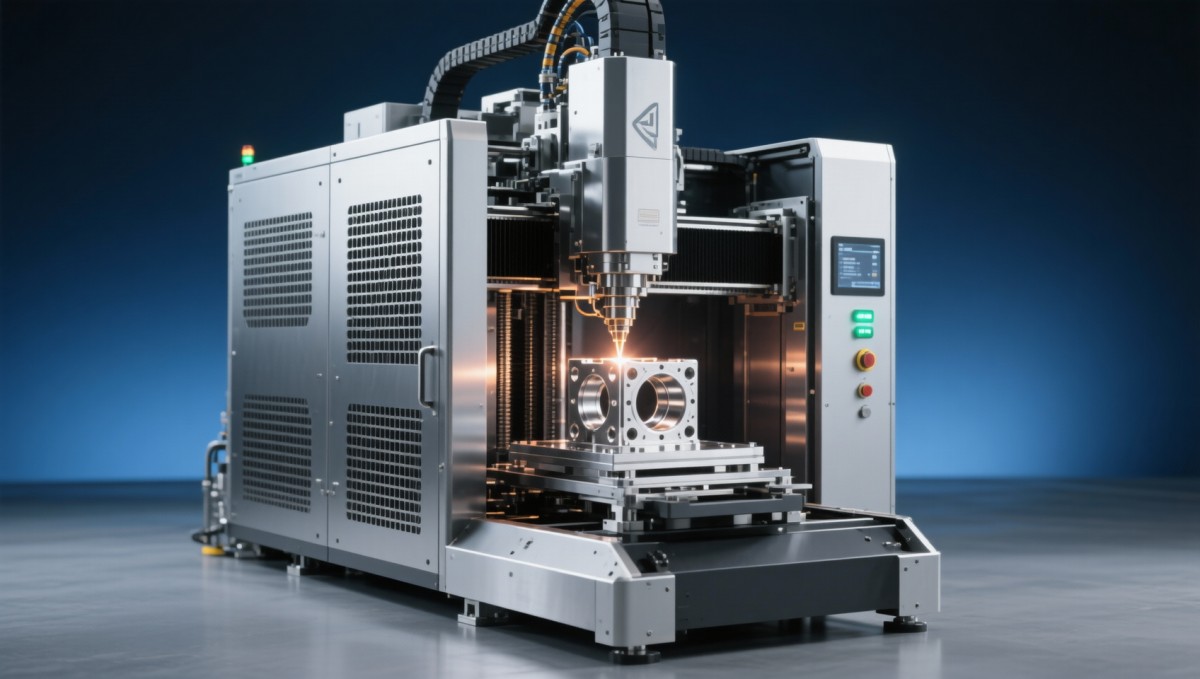
Choosing the right 3D printing manufacturer is a critical first step for any industrial production project—impacting quality, scalability, compliance, and time-to-market. With rapid advancements in additive manufacturing, not all providers offer the material expertise, certification readiness (e.g., ISO 13485, AS9100), or production-grade repeatability required for high-stakes applications. Whether you’re a project manager evaluating vendor capabilities, a procurement specialist vetting supply chain resilience, or a technical assessor validating process validation protocols, this guide cuts through the noise to spotlight the non-negotiable criteria. Backed by TradeVantage’s real-time industrial intelligence across 50+ sectors, we help global manufacturers make data-driven decisions—starting with the right 3D printing manufacturer.
What Certification & Compliance Capabilities Should You Verify?
Industrial 3D printing demands more than prototype-grade output—it requires traceability, audit-ready documentation, and adherence to sector-specific regulatory frameworks. For aerospace components, AS9100 Rev D certification is mandatory; medical device housings require ISO 13485:2016 compliance; and energy-sector parts often need NADCAP accreditation for thermal processing.
A qualified manufacturer must demonstrate full-process control—not just part delivery. This includes documented material lot tracking, in-process dimensional verification (±0.15 mm tolerance on critical features), and validated build chamber environmental logs (temperature stability ±2°C over 72-hour runs). Without these, your product may fail FDA pre-submission reviews or OEM Tier-1 supplier audits.
TradeVantage’s supplier intelligence database tracks real-time certification status across 12,000+ global manufacturers—including expiration dates, scope limitations, and recent audit outcomes. We flag gaps before RFQ submission, reducing qualification cycle time by up to 40%.
Key Compliance Requirements by Industry Segment
This table reflects actual audit requirements reported by OEMs across 2023–2024 supplier scorecards. Note that certification alone is insufficient—manufacturers must prove *implementation* via batch records, calibration logs, and non-conformance reports. TradeVantage cross-references public audit findings with proprietary supplier interviews to surface implementation gaps invisible in certificate scans.
How Do You Evaluate Production-Grade Process Repeatability?
Repeatability separates industrial suppliers from service bureaus. A true production partner maintains ≤0.3% dimensional variance across 50 consecutive builds of the same part—measured at 6 critical GD&T callouts per unit. This requires closed-loop thermal monitoring, automated powder recycling validation, and post-build metrology integrated into every shift.
Ask for Cpk data—not just “pass/fail” reports. Minimum acceptable Cpk for safety-critical features is 1.33 (3σ capability); leading manufacturers report Cpk ≥1.67 on titanium lattice structures. Also verify their statistical process control (SPC) coverage: top-tier shops monitor ≥12 process variables per build (e.g., laser power deviation, chamber O₂ ppm, layer thickness variance).
TradeVantage’s benchmarking engine aggregates SPC performance data from 84 certified metal AM facilities. We identify outliers early—such as unexpected drift in Inconel 718 tensile strength after 200+ hours of machine runtime—helping buyers avoid late-stage qualification failures.
5 Critical Repeatability Checks Before Contract Signing
- Request raw Cpk reports for your exact alloy, geometry, and orientation—not generic “stainless steel” data
- Verify build chamber humidity control: ±3% RH stability is required for consistent polymer crystallinity
- Confirm powder reuse limits: ≤5 cycles for Ti-6Al-4V, ≤3 for AlSi10Mg (per ASTM F3049)
- Require evidence of annual machine calibration—traceable to NIST standards, not internal references
- Validate post-processing consistency: heat treatment soak time variance must be ≤±2 minutes across 10 batches
Which Material & Post-Processing Capabilities Matter Most?
Material selection directly impacts fatigue life, chemical resistance, and sterilization compatibility. Industrial users increasingly demand certified feedstock—verified via ICP-MS analysis—not just “supplier-certified” powder. For example, cobalt-chrome dental frameworks require ≤0.05% oxygen content to prevent intergranular cracking during sintering.
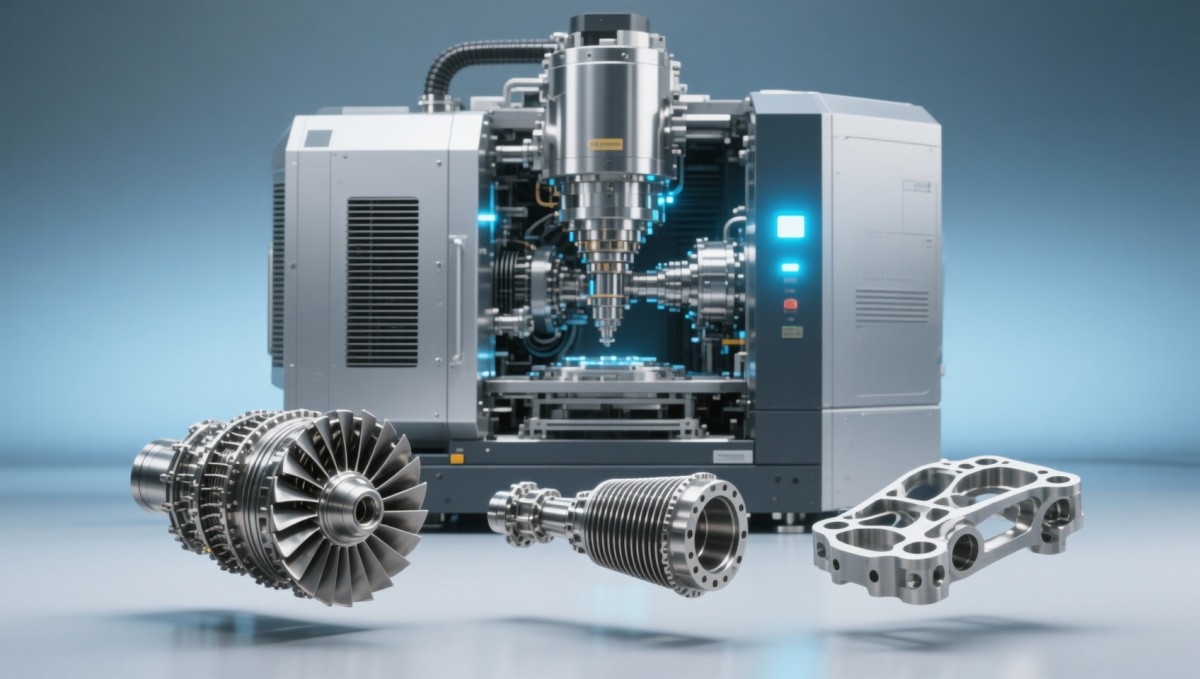
Post-processing is equally decisive. Over 68% of production delays stem from inconsistent support removal or uncontrolled stress relief cycles. Leading manufacturers integrate CNC milling, HIP (Hot Isostatic Pressing), and electrochemical polishing into single-flow lines—reducing handoff errors and enabling full traceability from powder lot to finished part ID.
TradeVantage’s materials intelligence module maps 217 certified alloys across 32 global suppliers—including verified tensile strength retention after 1,000-hour salt spray exposure (ASTM B117) and gamma irradiation stability (ISO 11137). We help match material behavior to your end-use environment—not just datasheet claims.
Why Partner with TradeVantage for Your 3D Printing Sourcing?
TradeVantage delivers actionable, verified intelligence—not generic vendor lists. Our platform provides real-time access to 50+ sector-specific metrics: live certification expiry alerts, SPC benchmark dashboards, material traceability audit trails, and regional capacity utilization heatmaps (updated hourly).
When you engage with TradeVantage, you receive a tailored 3D printing sourcing dossier—including 3 pre-vetted manufacturers matching your exact compliance tier, material specs, and volume ramp plan (e.g., 50 units/month → 500 units/quarter). Each profile includes verified lead times (median 12–18 days for DMLS titanium), sample availability windows, and customization feasibility for your GD&T package.
Get started today: Request your free 3D printing manufacturer assessment report—including parameter validation checklist, compliance gap analysis, and ROI projection for switching from traditional machining to AM for your specific component family.
Recommended News
 Navigating the 2026 Global Structural Steel Market: How to Reduce Sourcing RisksNavigate the 2026 structural steel market with direct OEM partnerships to reduce sourcing risks, control costs, and ensure project timelines. Learn how to secure reliable supply chains.
 What interior design services do industrial facility managers actually need for control rooms and maintenance hubs?Interior design services for industrial control rooms & maintenance hubs: ESD-safe, glare-free, acoustic, modular—backed by real ROI data. Get compliant, efficient, future-ready spaces.
 What Real-World Cost Factors Make Some 3D Printing Manufacturers More Competitive for Low-Volume CNC Machining Alternatives in 2026?Discover how top 3D printing manufacturer partners cut low-volume CNC machining costs by 22–38% in 2026—via certification, logistics & post-processing excellence.
 Can a 3D Printing Manufacturer Help Reduce Lead Times for Aftermarket Parts Without Compromising Quality?A trusted 3D printing manufacturer can slash aftermarket part lead times to under 10 days—without compromising ISO-certified quality, traceability, or performance.
 Why Certification and Material Traceability Matter When Selecting a 3D Printing Manufacturer for Medical Equipment PartsDiscover why a certified 3D printing manufacturer with full material traceability is essential for compliant, safe medical equipment parts—get audit-ready insights now.
 How Do 3D Printing Manufacturers Support Custom Tooling and Fixture Production in Smart Factories?Discover how top 3D printing manufacturers accelerate smart factory tooling—enabling agile, certified, IoT-ready fixtures in days, not weeks.
 What to Look for in a 3D Printing Manufacturer Before Starting an Industrial Production ProjectFind a certified 3D printing manufacturer with industrial repeatability, compliance (AS9100/ISO 13485), and material traceability—get your free sourcing assessment now.
 What Makes a Radiators Supplier Reliable for Medical Equipment Thermal Compliance?radiators supplier reliability is critical for medical device thermal compliance—discover how to vet certified, FDA/MDR-ready partners fast.
 Can a Radiators Supplier Help Reduce Energy Costs in Smart Factory Cooling Loops?radiators supplier insights: Discover how a strategic radiators supplier can cut smart factory cooling energy costs by 9–14%—with real case savings, benchmarks & IoT-ready solutions.
 Top 3 Risks of Choosing an Unqualified Radiators Supplier for Power Transmission Systemsradiators supplier risks exposed: thermal runaway, corrosion failure & compliance gaps in power transmission systems—get the full risk assessment now.
 Why Procurement Teams Are Switching to Local Radiators Suppliers for Faster Lead Timesradiators supplier: Discover how partnering with local radiators suppliers cuts lead times by up to 40%—without compromising ASME/EN compliance or performance. Get faster, smarter procurement.
 How Do Radiators Suppliers Support Custom Thermal Management in CNC Machining Facilities?Radiators supplier expertise enables custom thermal management for CNC machining—boosting precision, uptime & equipment life. Get verified, application-specific solutions.
 What to Look for in a Radiators Supplier for Industrial HVAC Projects in 2026radiators supplier insights for 2026: certifications, custom design, lead time transparency & AI-ready thermal support—get verified, ROI-driven sourcing intelligence.
 Why Most Fashion Brands Underestimate Minimum Order Quantities When Working With Streetwear Distributorsstreetwear distributor MOQs aren’t just volume rules—they’re industrial constraints affecting cash flow, compliance & scalability. Discover data-driven negotiation levers.
 Do Streetwear Distributors Offer Dropshipping Support or Only Bulk Fulfillment for E-commerce Logistics?streetwear distributor insights for industrial suppliers: discover engineered dropshipping vs. bulk fulfillment—real-time, compliant, and scalable logistics solutions.
 When Is It Smarter to Work With a Streetwear Distributor Instead of Building In-House Distribution?streetwear distributor? Discover when partnering beats building in-house—data-backed insights for industrial suppliers launching smart PPE, wearables & lifestyle tech.
 Can a Streetwear Distributor Handle Cross-Border Freight and Customs Clearance for EU and US Markets?streetwear distributor capabilities extend to EU/US cross-border freight & customs clearance—critical for industrial equipment buyers seeking compliant, scalable trade execution.
 What Does a Streetwear Distributor Actually Do in Apparel Manufacturing Supply Chains?What does a streetwear distributor do? Discover how this critical industrial supply chain node ensures compliance, agility & uptime in global apparel manufacturing.
 How Export Data on Fasteners Reflects Regional Shifts in Construction Material SourcingUnlock industrial trends & trade intelligence from fastener export data—gain manufacturing insights, import statistics, and supply chain updates to drive smarter sourcing decisions.
 Trade Intelligence Tools That Integrate With ERP Systems for Aftermarket Parts DistributorsBoost aftermarket distribution with ERP-integrated trade intelligence: real-time import statistics, export data, industrial trends & supply chain updates—actionable, accurate, automated.
 What Manufacturing Insights Reveal About Failure Rates in Plastic Molds Used for Medical EquipmentDiscover critical manufacturing insights & trade intelligence on plastic mold failure rates in medical equipment—backed by real-time import statistics, export data, and global supply chain updates.












Popular Tags
Global Trade Insights & Industry
Our mission is to empower global exporters and importers with data-driven insights that foster strategic growth.
Search News
Hot Articles
- Navigating the 2026 Global Structural Steel Market: How to Reduce Sourcing Risks00
0000-00
- What interior design services do industrial facility managers actually need for control rooms and maintenance hubs?00
0000-00
- What Real-World Cost Factors Make Some 3D Printing Manufacturers More Competitive for Low-Volume CNC Machining Alternatives in 2026?00
0000-00
Popular Tags
Industry Overview
The global commercial kitchen equipment market is projected to reach $112 billion by 2027. Driven by urbanization, the rise of e-commerce food delivery, and strict hygiene regulations.