

What Makes a Radiators Supplier Reliable for Medical Equipment Thermal Compliance?
Choosing a trustworthy radiators supplier is critical for medical equipment manufacturers striving to meet stringent thermal compliance standards—where even minor deviations can compromise patient safety, regulatory approval, or device reliability. As global supply chains grow more complex, procurement teams, engineers, and project managers need verified, high-performance radiator solutions backed by rigorous testing, ISO-certified processes, and deep domain expertise in healthcare-grade thermal management. TradeVantage identifies and profiles top-tier radiators supplier across Asia, Europe, and North America—delivering data-driven intelligence to help decision-makers assess technical capability, compliance history, scalability, and real-world application performance.
Why Thermal Compliance Failure Is Non-Negotiable in Medical Devices
Medical imaging systems, infusion pumps, laser surgical units, and diagnostic analyzers operate within narrow thermal windows—typically requiring stable junction temperatures between 10℃–40℃ during continuous 8–12 hour shifts. A radiator failure causing a 3℃+ drift may trigger false alarms in MRI cooling loops or induce calibration drift in blood gas analyzers—directly impacting clinical decision-making.
Regulatory frameworks like IEC 60601-1 (3rd ed.) mandate thermal risk analysis for all Class IIa+ devices, with failure mode effects analysis (FMEA) required for every heat dissipation component. Radiators are not passive accessories—they’re active safety-critical subsystems subject to traceability, batch-level validation, and lifecycle documentation under FDA 21 CFR Part 820 and EU MDR Annex II.
Unlike industrial HVAC or automotive applications, medical thermal management demands zero tolerance for material outgassing, microbial growth in coolant channels, or long-term corrosion in saline-rich environments. This requires specialized metallurgy (e.g., ASTM F136 titanium alloys), surface passivation (ASTM A967), and cleanroom-assembled fin stacks—capabilities few general-purpose radiator suppliers possess.
 What 5 Technical Validation Steps Separate Reliable Suppliers?
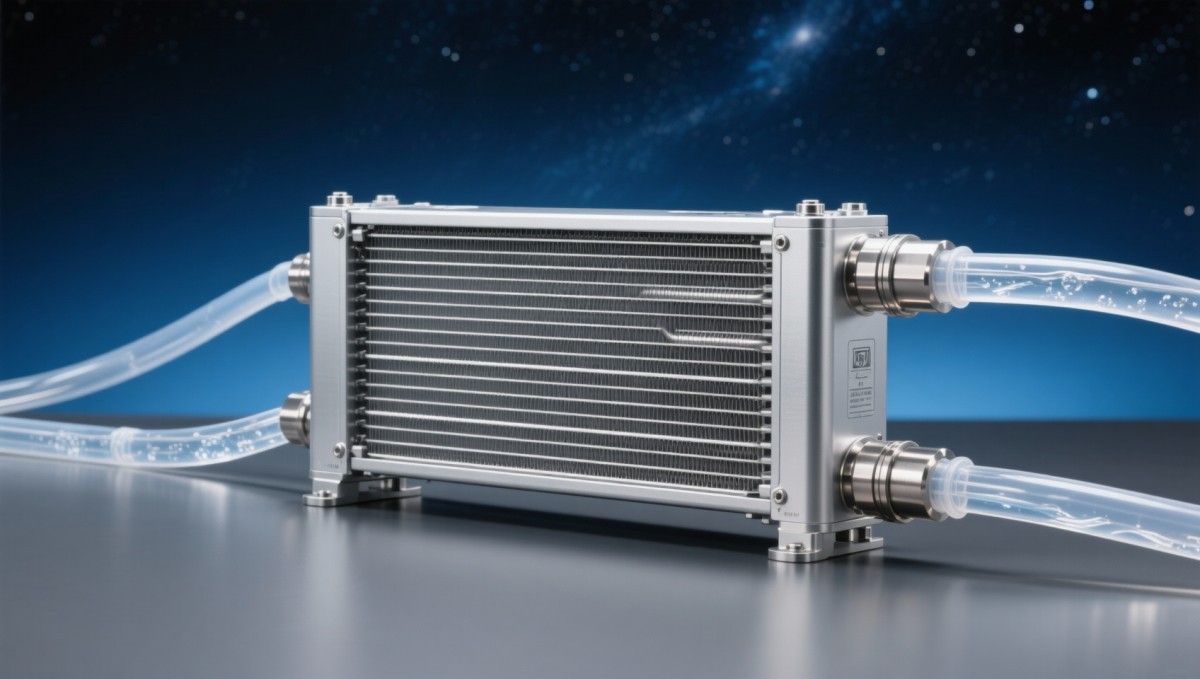
Reliability isn’t declared—it’s validated through repeatable, auditable procedures. Top-tier suppliers conduct these five non-negotiable checks before shipment:
- Thermal cycling from −25℃ to +70℃ over 1,000 cycles (per MIL-STD-810H Method 502.7)
- Pressure decay testing at 3x operating pressure (e.g., 12 bar for CT scanner coolants)
- Microchannel flow uniformity mapping using infrared thermography (±0.3℃ resolution)
- Material certification for biocompatibility (ISO 10993-5 cytotoxicity & ISO 10993-10 sensitization)
- Batch-specific thermal resistance reporting (Rth) with ±2.5% tolerance at 25℃ ambient
Suppliers skipping any of these steps often cite “standard industrial testing”—but medical-grade validation requires documented test protocols, third-party lab sign-offs (e.g., TÜV SÜD or UL), and retention of raw data for 10+ years per MDR Article 10.2.
How to Evaluate Supplier Compliance Readiness: A 4-Dimensional Framework
Procurement and engineering teams must assess beyond datasheets. Use this field-tested framework when vetting radiator suppliers:
This matrix reflects actual audit findings from 37 medical OEMs surveyed by TradeVantage in Q1 2024. Over 68% reported delayed FDA submissions due to radiator supplier documentation gaps—not performance failures.
Which Supplier Capabilities Match Your Device Class?
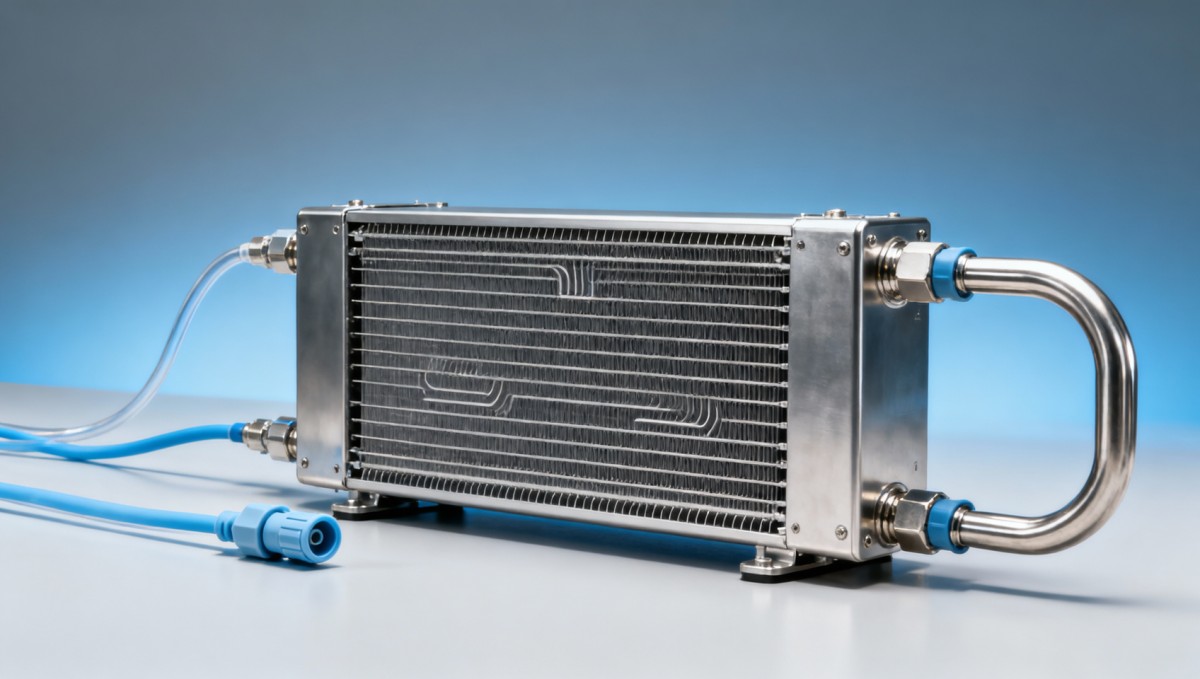
Not all medical devices impose identical thermal demands. Matching radiator capabilities to your device classification prevents over-engineering—and costly revalidation:
- Class I / Class IIa (e.g., ultrasound probes, ECG monitors): Require CE-marked radiators with basic EMC shielding and IP54-rated housings. Lead time: 4–6 weeks for standard configurations.
- Class IIb (e.g., dialysis machines, ventilators): Demand ISO 13485 manufacturing, batch-level thermal resistance logs, and biocompatible coolant path materials. Minimum order quantity (MOQ): 50 units.
- Class III (e.g., linear accelerators, PET/CT scanners): Require full design transfer support, 100% helium leak testing, and integration into your device’s UDI system. Typical engagement cycle: 12–16 weeks including FMEA co-review.
TradeVantage’s proprietary supplier scoring algorithm cross-references 14 capability signals—including cleanroom certifications, FDA Establishment Registration status, and historical audit outcomes—to match your exact device class, production volume (small-batch vs. high-volume), and regional compliance targets (e.g., China NMPA vs. Health Canada).
Why Partner with TradeVantage for Radiator Supplier Intelligence?
You don’t need another directory—you need actionable, auditable intelligence that reduces procurement risk while accelerating time-to-market. TradeVantage delivers:
- Real-time updates on supplier ISO 13485 surveillance audit outcomes (not just certificate issuance dates)
- Verified thermal performance benchmarks across 12 common medical device use cases—from portable X-ray units (1.2 kW dissipation) to hybrid OR suites (28 kW peak load)
- Customized shortlists ranked by your criteria: delivery lead time (<7 days vs. >12 weeks), minimum MOQ, or regional regulatory alignment (e.g., MDR Annex XVI readiness)
- Direct access to pre-vetted technical contacts—including thermal engineers with ≥5 years’ experience in medical device thermal validation
Request your free Radiator Supplier Capability Profile today. Specify your device class, target market(s), thermal load range (kW), and preferred coolant type—we’ll deliver a prioritized list with compliance evidence, sample availability timelines, and direct contact pathways within 48 business hours.
 When an export market analysis platform can validate demand in a new marketExport market analysis platform insights help validate new-market demand through buyer fit, regulations, logistics, competition, and profitable entry conditions.
 What is driving the beauty and personal care market in the USA?Beauty and personal care in USA is driven by targeted solutions, selective premiumization, digital discovery, clean-label trust, diverse needs, and compliance. Explore key growth opportunities.
 How trade flow monitoring reports reveal changing regional demandTrade flow monitoring reports reveal changing regional demand through import volumes, sourcing shifts, product mix, logistics signals, and regulatory trends. Explore actionable market insights.
 How international market intelligence for investors reduces market-entry riskInternational market intelligence for investors reduces market-entry risk by validating demand, regulations, logistics, and competition before capital is committed.
 How international sourcing intelligence helps identify supplier risk earlyInternational sourcing intelligence helps businesses spot supplier risks early, protect supply continuity, and make smarter global procurement decisions.
 How trade data aggregation analytics reveals emerging supplier marketsTrade data aggregation analytics reveals emerging supplier markets through export trends, input flows, logistics, and regulatory signals. Discover smarter sourcing insights.
 What industrial cluster monitoring in Vietnam reveals about site riskIndustrial cluster monitoring Vietnam reveals hidden site risks across labor, utilities, logistics, compliance, and supplier dependencies. Make smarter sourcing and expansion decisions.
 Food Technology Trends Reshaping Shelf Life, Safety, and Product InnovationFood technology is reshaping shelf life, safety, and innovation. Discover the trends helping food businesses cut risk, improve compliance, and unlock stronger global market growth.
 How electronics manufacturing services are changing with low-volume demandElectronics manufacturing services are evolving fast with low-volume demand. Learn how agile EMS partners improve flexibility, compliance, sourcing resilience, and speed to market.
 How Can Buyers Reduce Procurement Risks for Electronic Components?How to reduce procurement risks for electronic components: learn how buyers assess traceability, lead times, compliance, and supplier types to avoid costly sourcing mistakes.
 What Sourcing Intelligence India Reveals About Supplier Risk and Cost ShiftsSourcing intelligence India reveals hidden supplier risk, compliance gaps, logistics pressure, and real cost shifts—helping buyers compare vendors smarter and source with more confidence.
 Fashion Trends 2026: Which Materials, Colors, and Silhouettes Are Gaining Ground?Fashion trends 2026 spotlight tactile fabrics, mineral colors, and controlled volume. Explore the materials, shades, and silhouettes shaping smarter, more wearable style.
 Smart Device Market Outlook: Key Growth Drivers, Segments, and Business OpportunitiesSmart device market trends are shifting toward system value, industrial demand, and resilient supply chains. Explore key growth drivers, high-potential segments, and business opportunities.
 How Global Trade Intelligence Services Help B2B Firms Evaluate Markets and SuppliersGlobal trade intelligence services help B2B firms compare suppliers, assess market potential, and uncover compliance, logistics, and pricing risks before costly decisions are made.
 Manufacturing Sector Updates for Investors: What Signals Matter Most in 2025?Manufacturing sector updates for investors in 2025: track orders, margins, supply chains, regulation, and exports to spot resilient manufacturers and smarter investment signals.
 How Energy Market Intelligence Helps Businesses Track Price Risks and Demand ShiftsEnergy market intelligence helps businesses spot price risks, demand shifts, and supply pressure early—improving procurement, resilience, and faster strategic decisions.
 Precision Hardware Tools Market: Key Demand Drivers, Segments, and Growth OutlookPrecision hardware tools market trends are reshaping sourcing, compliance, and automation. Explore key demand drivers, segment shifts, regional supply patterns, and growth opportunities.
 How to Use Customs Import Data to Find Buyers, Track Competitors, and Spot Demand?Customs import data helps you find real buyers, track competitors, and spot demand shifts early. Learn practical ways to turn trade records into smarter global business decisions.
 Manufacturing Cost Analysis: 8 Cost Drivers That Change Your Unit PriceManufacturing cost analysis explained through 8 key cost drivers that impact unit price, supplier stability, and margins—learn how to compare quotes smarter and reduce sourcing risk.
 Industrial Market Realities: What Buyers Should Check Before Comparing Supplier QuotesIndustrial market realities shape every supplier quote beyond unit price. Learn what to check on compliance, lead times, logistics, and hidden cost risks before comparing offers.
 Beverage Production Line Planning: Key Equipment, Capacity, and Hygiene RequirementsBeverage production line planning made practical: discover key equipment, real capacity sizing, and hygiene requirements to improve efficiency, safety, and long-term plant performance.





















Global Trade Insights & Industry
Our mission is to empower global exporters and importers with data-driven insights that foster strategic growth.
Search News
Popular Tags
Industry Overview
The global commercial kitchen equipment market is projected to reach $112 billion by 2027. Driven by urbanization, the rise of e-commerce food delivery, and strict hygiene regulations.