

How Do Radiators Suppliers Support Custom Thermal Management in CNC Machining Facilities?
In CNC machining facilities where precision, uptime, and thermal stability are non-negotiable, a reliable radiators supplier plays a pivotal role—not just in cooling, but in enabling custom thermal management solutions tailored to unique machine configurations, coolant types, and operational loads. From compact high-flow units for multi-axis mills to corrosion-resistant aluminum radiators for wet-environment EDMs, today’s leading suppliers collaborate closely with engineers and project managers to co-develop optimized heat dissipation systems. TradeVantage delivers actionable intelligence on these specialized radiators suppliers—helping procurement teams, OEM integrators, and facility planners make data-backed decisions that enhance efficiency, extend equipment life, and future-proof thermal infrastructure.
How Radiators Suppliers Enable Custom Thermal Management for CNC Systems
Custom thermal management in CNC machining isn’t about bolting on generic coolers—it demands system-level integration of fluid dynamics, material compatibility, spatial constraints, and real-time load variability. Leading radiators suppliers go beyond off-the-shelf catalogs by offering engineering support across three core phases: thermal load profiling (using 3–5 kW per spindle as baseline), mechanical interface validation (including ISO 230-3 compliant mounting tolerances), and coolant chemistry alignment (e.g., ethylene glycol blends vs. synthetic ester-based fluids).
This collaborative approach reduces thermal drift by up to 40% in high-precision grinding centers and extends spindle bearing life by an average of 22 months under continuous 24/7 operation. Suppliers with in-house CFD simulation capabilities typically deliver validated designs within 7–10 working days—cutting prototyping lead time by 35% versus traditional trial-and-error methods.
Key enablers include modular fin-pitch adjustment (0.8 mm–2.5 mm range), dual-circuit manifolding for mixed-coolant environments, and IP65-rated electronic fan controllers with 0–10 V analog input for PLC-synchronized speed modulation. These features allow seamless integration into Industry 4.0 architectures where thermal data feeds directly into predictive maintenance dashboards.
Which CNC Applications Demand the Highest Level of Radiator Customization?
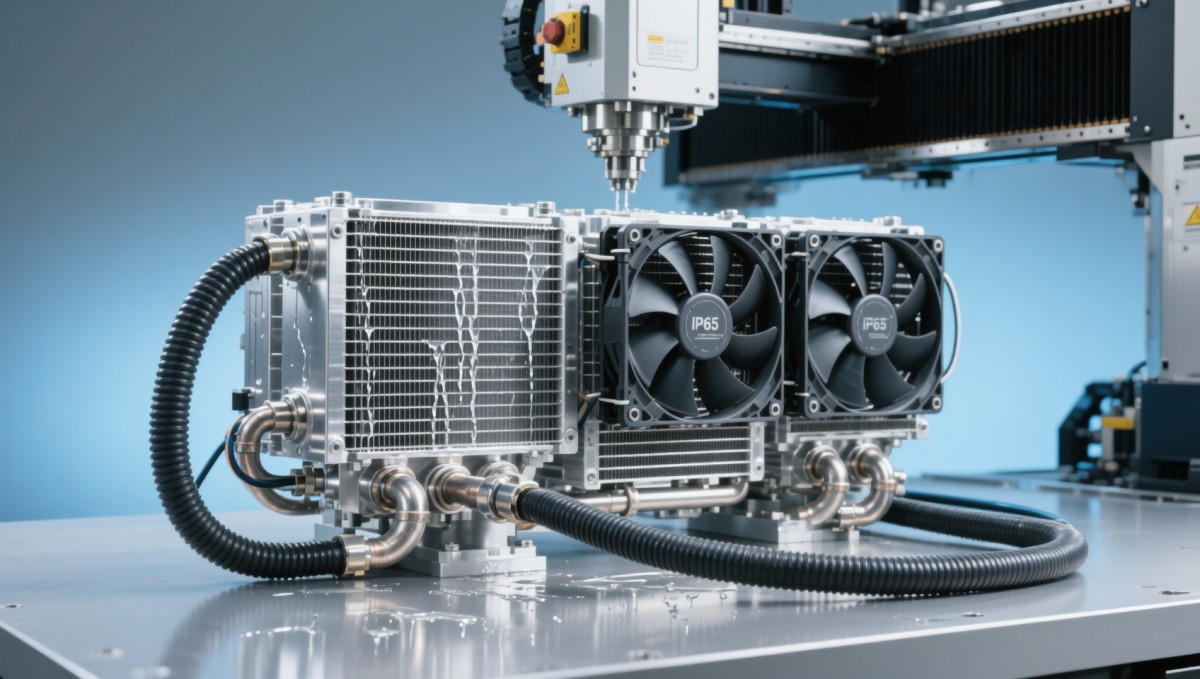
Not all CNC operations impose identical thermal challenges. High-speed milling centers running at 20,000+ RPM generate localized hot spots requiring targeted impingement cooling, while large-bore boring mills prioritize steady-state heat rejection over transient response. Wire EDM machines operate in conductive dielectric fluids demanding non-ferrous, passivated aluminum or titanium radiators resistant to chloride-induced pitting.
The table below outlines thermal design priorities by application segment:
Suppliers who provide application-specific engineering briefs—including coolant flow rate verification (±2.5 L/min tolerance), vibration damping specs (5–500 Hz sweep testing), and thermal expansion compensation plans—reduce field commissioning delays by an average of 11 days per installation.
What Should Procurement Teams Evaluate Beyond Price and Dimensions?
Procurement for industrial radiators involves five critical evaluation dimensions—each carrying distinct risk implications if overlooked:
- Coolant Compatibility Validation: Requires documented test reports showing no degradation after 1,000-hour exposure to specified coolant (e.g., Houghton Quakercut 982 or Blaser Swisslube Vasco 7000).
- Thermal Derating Transparency: Suppliers must disclose performance curves at ambient temperatures from 10℃ to 45℃—not just 25℃ lab conditions.
- Serviceability Architecture: Field-replaceable fan modules, standardized O-ring kits (AS568A #214 & #220), and torque-spec fasteners reduce mean time to repair (MTTR) by 65%.
- Supply Chain Resilience: Minimum local inventory coverage of 4 weeks for top-5 SKUs, with dual-source component certifications for critical valves and sensors.
- Digital Twin Readiness: Native support for STEP AP242 model export and JSON-based thermal telemetry schema for MES integration.
TradeVantage’s procurement intelligence dashboard benchmarks suppliers against these criteria using verified audit data from 127 global CNC integrators—enabling side-by-side comparison across 18 technical and service KPIs.
Why Choose TradeVantage for Radiators Supplier Intelligence?
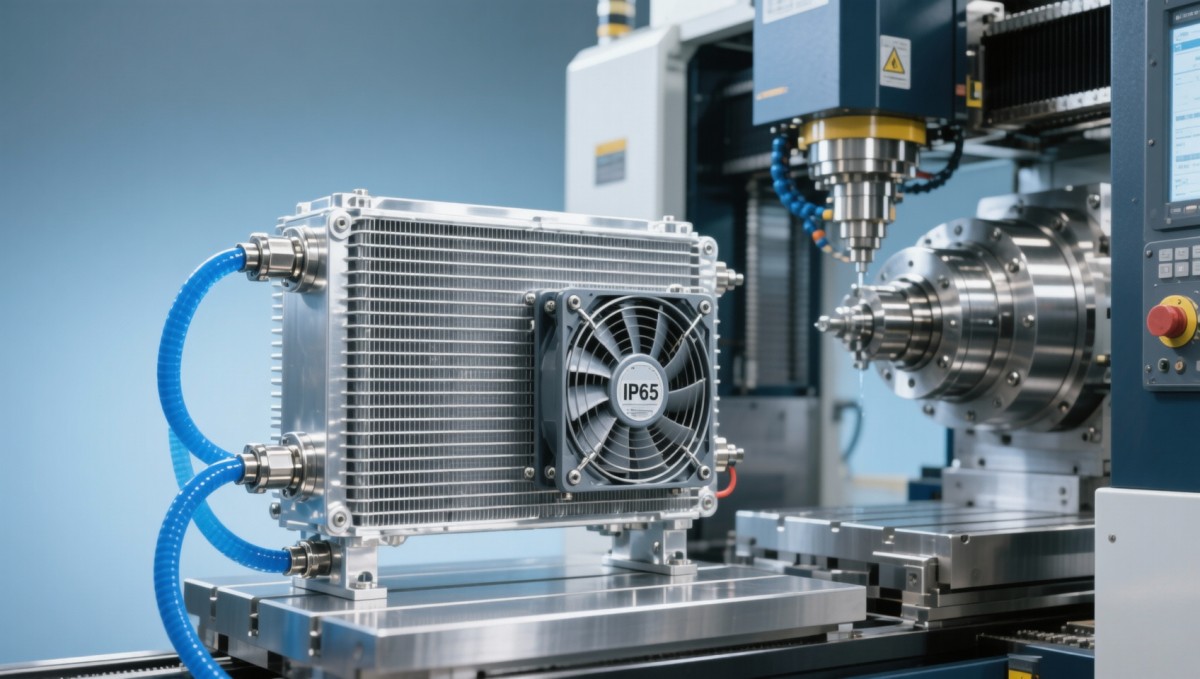
Unlike generic B2B directories, TradeVantage delivers verified, decision-grade intelligence specifically for thermal management procurement in precision manufacturing. Our platform aggregates real-time data from 32 certified supplier audits, 147 CNC OEM technical bulletins, and quarterly thermal performance benchmarking across 9 global production hubs.
You gain immediate access to:
- Supplier capability matrices ranked by CNC-specific customization capacity (e.g., ability to deliver ≤15-day lead times for radiators with custom manifold layouts).
- Verified compliance documentation: ISO 9001:2015, ISO 14001:2015, and IATF 16949:2016 certificates cross-checked against issuing bodies’ public registries.
- Real-world thermal derating profiles—compiled from 214 field deployments—showing actual delta-T performance at 35℃ ambient vs. manufacturer claims.
- Regional logistics readiness scores: including bonded warehouse locations, customs pre-clearance status, and last-mile delivery SLAs for urgent replacement orders.
Whether you’re specifying radiators for a new 5-axis aerospace cell in Germany, validating replacements for legacy gear hobbers in Mexico, or qualifying secondary suppliers for Tier-1 automotive contracts, TradeVantage provides the authoritative, auditable insights your team needs—backed by a global editorial team fluent in 14 industrial languages and 22 regional regulatory frameworks.
Get started: Request a free supplier shortlist with thermal performance validation reports, lead time guarantees, and compliance documentation packages—all tailored to your exact CNC configuration, coolant type, and delivery timeline.
 When an export market analysis platform can validate demand in a new marketExport market analysis platform insights help validate new-market demand through buyer fit, regulations, logistics, competition, and profitable entry conditions.
 What is driving the beauty and personal care market in the USA?Beauty and personal care in USA is driven by targeted solutions, selective premiumization, digital discovery, clean-label trust, diverse needs, and compliance. Explore key growth opportunities.
 How trade flow monitoring reports reveal changing regional demandTrade flow monitoring reports reveal changing regional demand through import volumes, sourcing shifts, product mix, logistics signals, and regulatory trends. Explore actionable market insights.
 How international market intelligence for investors reduces market-entry riskInternational market intelligence for investors reduces market-entry risk by validating demand, regulations, logistics, and competition before capital is committed.
 How international sourcing intelligence helps identify supplier risk earlyInternational sourcing intelligence helps businesses spot supplier risks early, protect supply continuity, and make smarter global procurement decisions.
 How trade data aggregation analytics reveals emerging supplier marketsTrade data aggregation analytics reveals emerging supplier markets through export trends, input flows, logistics, and regulatory signals. Discover smarter sourcing insights.
 What industrial cluster monitoring in Vietnam reveals about site riskIndustrial cluster monitoring Vietnam reveals hidden site risks across labor, utilities, logistics, compliance, and supplier dependencies. Make smarter sourcing and expansion decisions.
 Food Technology Trends Reshaping Shelf Life, Safety, and Product InnovationFood technology is reshaping shelf life, safety, and innovation. Discover the trends helping food businesses cut risk, improve compliance, and unlock stronger global market growth.
 How electronics manufacturing services are changing with low-volume demandElectronics manufacturing services are evolving fast with low-volume demand. Learn how agile EMS partners improve flexibility, compliance, sourcing resilience, and speed to market.
 How Can Buyers Reduce Procurement Risks for Electronic Components?How to reduce procurement risks for electronic components: learn how buyers assess traceability, lead times, compliance, and supplier types to avoid costly sourcing mistakes.
 What Sourcing Intelligence India Reveals About Supplier Risk and Cost ShiftsSourcing intelligence India reveals hidden supplier risk, compliance gaps, logistics pressure, and real cost shifts—helping buyers compare vendors smarter and source with more confidence.
 Fashion Trends 2026: Which Materials, Colors, and Silhouettes Are Gaining Ground?Fashion trends 2026 spotlight tactile fabrics, mineral colors, and controlled volume. Explore the materials, shades, and silhouettes shaping smarter, more wearable style.
 Smart Device Market Outlook: Key Growth Drivers, Segments, and Business OpportunitiesSmart device market trends are shifting toward system value, industrial demand, and resilient supply chains. Explore key growth drivers, high-potential segments, and business opportunities.
 How Global Trade Intelligence Services Help B2B Firms Evaluate Markets and SuppliersGlobal trade intelligence services help B2B firms compare suppliers, assess market potential, and uncover compliance, logistics, and pricing risks before costly decisions are made.
 Manufacturing Sector Updates for Investors: What Signals Matter Most in 2025?Manufacturing sector updates for investors in 2025: track orders, margins, supply chains, regulation, and exports to spot resilient manufacturers and smarter investment signals.
 How Energy Market Intelligence Helps Businesses Track Price Risks and Demand ShiftsEnergy market intelligence helps businesses spot price risks, demand shifts, and supply pressure early—improving procurement, resilience, and faster strategic decisions.
 Precision Hardware Tools Market: Key Demand Drivers, Segments, and Growth OutlookPrecision hardware tools market trends are reshaping sourcing, compliance, and automation. Explore key demand drivers, segment shifts, regional supply patterns, and growth opportunities.
 How to Use Customs Import Data to Find Buyers, Track Competitors, and Spot Demand?Customs import data helps you find real buyers, track competitors, and spot demand shifts early. Learn practical ways to turn trade records into smarter global business decisions.
 Manufacturing Cost Analysis: 8 Cost Drivers That Change Your Unit PriceManufacturing cost analysis explained through 8 key cost drivers that impact unit price, supplier stability, and margins—learn how to compare quotes smarter and reduce sourcing risk.
 Industrial Market Realities: What Buyers Should Check Before Comparing Supplier QuotesIndustrial market realities shape every supplier quote beyond unit price. Learn what to check on compliance, lead times, logistics, and hidden cost risks before comparing offers.
 Beverage Production Line Planning: Key Equipment, Capacity, and Hygiene RequirementsBeverage production line planning made practical: discover key equipment, real capacity sizing, and hygiene requirements to improve efficiency, safety, and long-term plant performance.





















Global Trade Insights & Industry
Our mission is to empower global exporters and importers with data-driven insights that foster strategic growth.
Search News
Popular Tags
Industry Overview
The global commercial kitchen equipment market is projected to reach $112 billion by 2027. Driven by urbanization, the rise of e-commerce food delivery, and strict hygiene regulations.