

Textile Sourcing Mistakes That Lead to Delays and Quality Disputes
In apparel manufacturing, textile sourcing mistakes can trigger shipment delays, failed inspections, and costly quality disputes that put both compliance and product safety at risk. For quality control and safety managers, identifying weak points early—from supplier verification to fabric testing standards—is essential to protecting timelines, consistency, and brand credibility across global sourcing operations.
Textile sourcing is no longer a simple price-and-lead-time exercise. In modern garment supply chains, one missed fabric specification, one unverified dye house, or one incomplete test report can delay a production schedule by 7–21 days and multiply inspection failures across multiple purchase orders. For teams responsible for quality assurance, restricted substance compliance, and product safety, the sourcing stage is where many downstream problems begin.
This article examines the most common textile sourcing mistakes behind delivery disruption and quality disputes in the apparel sector, with a practical focus on prevention. It is designed for quality control and safety managers who need stronger supplier evaluation, clearer fabric approval workflows, and better traceability across international sourcing networks.
Why textile sourcing errors escalate so quickly in apparel supply chains
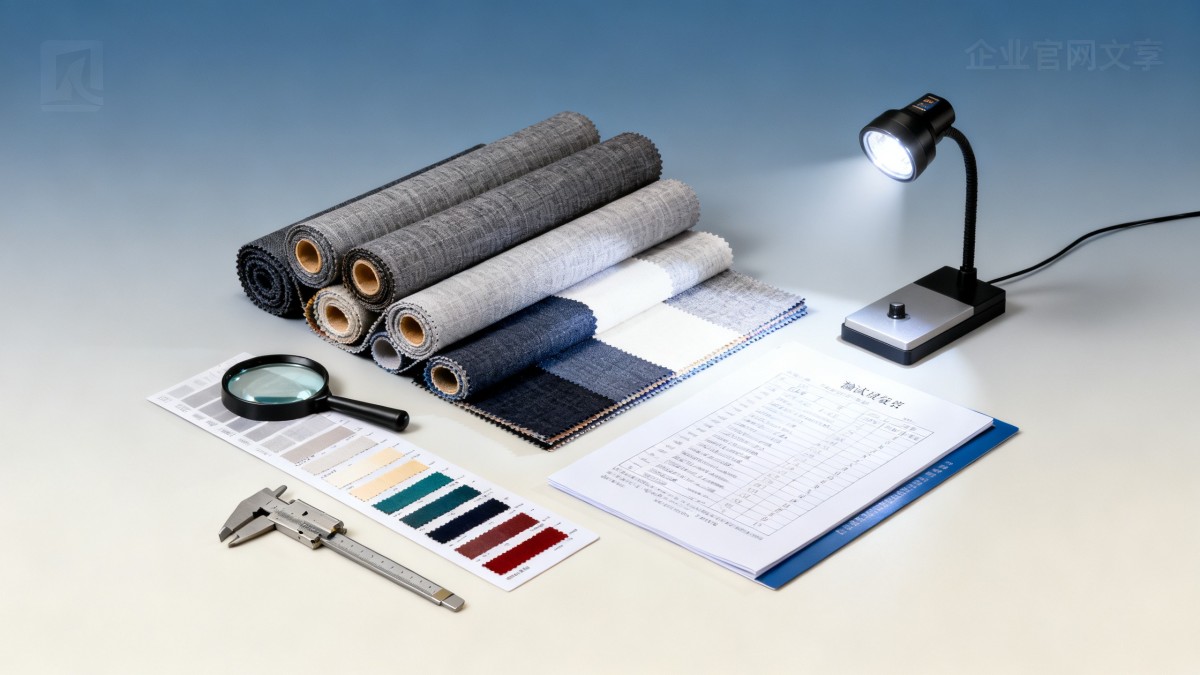
In apparel, the fabric often accounts for 50%–70% of the product’s visible quality performance. If textile sourcing decisions are made with incomplete technical review, even a minor mismatch in shrinkage, colorfastness, weight, or finish can affect cutting yield, sewing efficiency, garment measurement stability, and final inspection results. The impact is larger when factories are running compressed timelines of 30–60 days from fabric booking to shipment.
Unlike hard goods, apparel materials behave differently after washing, pressing, bonding, printing, or embroidery. A fabric that looks acceptable at the swatch stage may fail after bulk dyeing or after 3 wash cycles. This is why textile sourcing should be treated as a risk-control process, not just a procurement transaction.
The hidden cost of upstream mistakes
Many quality disputes begin with assumptions made too early. A sourcing team may accept a supplier’s standard tolerance without checking buyer requirements, or book fabric based on a lab dip and handfeel approval only. The result can be re-dyeing, re-finishing, fabric replacement, or claims over bulk-to-sample deviation. In practical terms, a single rejected lot can add 10–14 days to the calendar and increase freight pressure if the shipment window is fixed.
Common operational consequences
- Bulk fabric arrives with GSM variance outside the agreed ±5% range.
- Color continuity across lots is not controlled, creating shade banding in one production run.
- Restricted substance documents are incomplete, delaying customer approval and shipment release.
- Mill lead time is quoted at 18 days, but finishing and testing extend actual readiness to 28–35 days.
The table below outlines how frequent textile sourcing mistakes typically translate into apparel quality, safety, and delivery issues.
For QC and safety teams, the pattern is clear: most severe disputes are not caused by one dramatic failure, but by 3 or 4 smaller sourcing gaps compounding across sampling, bulk approval, and production. Early controls reduce both inspection risk and emergency decision-making at shipment stage.
The most common textile sourcing mistakes and how to prevent them
Effective textile sourcing in apparel depends on disciplined validation. Below are the mistakes most often seen in woven, knit, and functional garment programs, especially when brands or buying offices are managing multiple vendors across regions.
1. Approving suppliers without technical and compliance screening
A mill may be commercially responsive yet technically unsuitable for a specific garment category. For example, performance outerwear, children’s wear, and skin-contact basics each require different control levels for coating stability, pH, formaldehyde, azo dyes, or durability. Textile sourcing should include at least 4 screening areas: process capability, fabric category experience, testing discipline, and chemical compliance management.
A practical pre-qualification review can be completed in 5 steps: supplier questionnaire, sample assessment, document review, pilot order, and bulk performance evaluation. Skipping even one of these steps increases the chance of hidden variability between development and production lots.
2. Using incomplete fabric specifications
One of the most frequent textile sourcing failures is a specification sheet that lists composition and color but omits performance details. For apparel production, fabric specifications should cover at minimum: fiber content, construction, GSM, usable width, finish, end use, shrinkage limit, colorfastness requirement, skew or bow tolerance, and test method reference. Without that detail, supplier and buyer may be working from different definitions of “acceptable.”
For example, a knit jersey listed as 180 GSM may still cause disputes if the allowed tolerance is not stated. A ±3% tolerance and a ±8% tolerance lead to very different outcomes in cutting efficiency and garment fit consistency.
3. Relying on sample approvals without bulk verification
Lab dips, handloom samples, and development yardage are useful, but they do not replace bulk approval. In apparel sourcing, the transition from sample to production can introduce changes in machine load, dye recipe, finishing sequence, or moisture recovery. Bulk fabric should be checked by lot, not just by style, especially when order volume exceeds 5,000–10,000 garments.
At minimum, quality teams should verify 6 items before fabric release to cutting: shade continuity, GSM, width, shrinkage, defect rate, and required test documentation. For high-risk categories, additional checks on pilling, seam slippage, coating adhesion, or water repellency may be necessary.
4. Ignoring realistic lead-time mapping
A common textile sourcing mistake is to treat lead time as a single number. In reality, bulk fabric timing often includes yarn booking, knitting or weaving, dyeing, finishing, testing, inspection, and transport to factory. Depending on material type, this can take 15–45 days. If a sourcing plan only records the mill’s loom or knit output date, production teams may discover too late that the fabric is not yet tested or approved.
Quality and safety managers should ask for milestone visibility, not only ex-mill dates. A 3-stage lead-time map covering greige readiness, dyed-and-finished readiness, and approved-for-cutting readiness gives a more accurate control view.
5. Failing to align test standards with market destination
Garments destined for different regions may require different chemical, flammability, labeling, or performance criteria. Textile sourcing disputes often occur when mills test to their internal routine, while the buyer expects a destination-market standard or customer protocol. This gap is especially sensitive for babywear, sleepwear, uniforms, and functional fabrics.
Before bulk booking, QC teams should define whether testing will be based on buyer manual, internal standard, or third-party protocol. This should be locked before purchase order issue, not after fabric arrives at the garment factory.
A practical control framework for quality and safety managers
To reduce textile sourcing risk, quality and safety managers need a repeatable control framework that works across multiple suppliers, product types, and seasons. The strongest approach is to build checkpoints around approval, testing, traceability, and exception handling rather than relying on ad hoc escalation after a failure appears.
Core checkpoints before bulk fabric commitment
The following matrix is useful when deciding whether a fabric supplier is ready for bulk apparel production. It helps convert textile sourcing from a cost discussion into a measurable risk review.
This framework improves issue containment. If a complaint arises, the team can identify whether the problem came from specification drift, lot inconsistency, finishing error, or documentation failure within 24–48 hours, instead of debating responsibility without evidence.
Build a 3-layer approval process
A strong textile sourcing workflow in apparel usually includes 3 approval layers. First is development approval, covering handfeel, appearance, and intended end use. Second is pre-bulk approval, where lab dips, test expectations, and specification tolerances are confirmed. Third is bulk release approval, based on actual production lots, test results, and fabric inspection status. When these layers are documented, disputes become easier to prevent and faster to resolve.
Minimum records worth keeping
- Approved fabric standard sheet with revision date.
- Signed color standard or shade band reference.
- Bulk lot test reports tied to lot numbers.
- Incoming fabric inspection results with defect grading.
- Corrective action records for any failed lot or deviation.
Even a basic record system like this creates a strong operational advantage. In many apparel programs, disputes last longer not because the defect is complex, but because evidence is scattered across email threads, spreadsheets, and supplier messages.
How better market intelligence supports stronger textile sourcing decisions
Textile sourcing does not happen in isolation. Material volatility, regional production shifts, environmental scrutiny, and changing buyer standards all affect sourcing risk. For quality and safety managers, current market intelligence helps identify where pressure points may emerge before they turn into quality events.
For example, if a region is experiencing dyeing capacity constraints, lead times may extend by 5–10 days even when greige fabric is available. If a category is seeing a shift toward recycled blends or lower-impact finishes, performance consistency may vary during the first 1–2 development seasons. That kind of context matters when assessing supplier readiness and approval timing.
Why information visibility matters in global apparel sourcing
B2B teams that monitor industrial updates, supplier trends, and trade developments are better positioned to ask the right sourcing questions early. GTIIN and TradeVantage support this need by providing cross-border market visibility, sector-level intelligence, and trade-oriented content that helps exporters, importers, and sourcing professionals make more informed decisions. For quality-driven apparel operations, timely intelligence can strengthen vendor screening, planning assumptions, and risk communication across teams.
This is especially valuable when sourcing spans multiple countries and supplier tiers. Fabric quality issues are often linked not only to the direct mill, but also to subcontract finishing, chemical inputs, or process bottlenecks upstream. Better information shortens reaction time and improves decision quality before disruptions spread into production.
Questions QC and safety teams should ask before confirming fabric orders
- Has the supplier produced the same or comparable fabric construction in the last 12 months?
- Are bulk lead times based on full processing, including finishing and testing, or only fabric formation?
- What are the agreed tolerances for weight, width, shrinkage, and shade variation?
- Which tests are mandatory before cutting, and which require third-party verification?
- Is there lot-level traceability if a complaint is raised after shipment?
These questions do not slow down textile sourcing; they make it more dependable. In a sector where a missed approval or undocumented tolerance can affect thousands of garments, disciplined sourcing controls protect both delivery performance and product safety.
The apparel companies that reduce delays and quality disputes most effectively are usually not the ones with the cheapest fabric source. They are the ones with clearer specifications, stronger verification routines, more realistic lead-time mapping, and faster access to reliable supply chain intelligence. If your team is reviewing supplier risk, improving fabric approval processes, or strengthening sourcing visibility across global markets, now is the right time to refine your textile sourcing strategy.
To learn more about actionable trade intelligence, sourcing visibility, and industry updates that support smarter apparel decisions, connect with GTIIN and TradeVantage for tailored insights, partnership opportunities, and practical solutions built for global B2B supply chains.
 How an industrial trade intelligence dashboard can identify new supplier marketsDiscover how an industrial trade intelligence dashboard helps identify new supplier markets by comparing capacity, landed cost, logistics resilience, and compliance risk.
 Which global market entry barriers should exporters assess first?Global market entry barriers exporters should assess first: tariffs, compliance, buyer qualification, logistics, and payment risk. Build a practical strategy for confident market entry.
 How trade data aggregation analytics can reveal emerging supplier marketsTrade data aggregation analytics reveals emerging supplier markets by connecting trade flows, capacity signals, logistics, and compliance insights for smarter sourcing decisions.
 When an export market analysis platform can validate demand in a new marketExport market analysis platform insights help validate new-market demand through buyer fit, regulations, logistics, competition, and profitable entry conditions.
 What is driving the beauty and personal care market in the USA?Beauty and personal care in USA is driven by targeted solutions, selective premiumization, digital discovery, clean-label trust, diverse needs, and compliance. Explore key growth opportunities.
 How trade flow monitoring reports reveal changing regional demandTrade flow monitoring reports reveal changing regional demand through import volumes, sourcing shifts, product mix, logistics signals, and regulatory trends. Explore actionable market insights.
 How international market intelligence for investors reduces market-entry riskInternational market intelligence for investors reduces market-entry risk by validating demand, regulations, logistics, and competition before capital is committed.
 How international sourcing intelligence helps identify supplier risk earlyInternational sourcing intelligence helps businesses spot supplier risks early, protect supply continuity, and make smarter global procurement decisions.
 How trade data aggregation analytics reveals emerging supplier marketsTrade data aggregation analytics reveals emerging supplier markets through export trends, input flows, logistics, and regulatory signals. Discover smarter sourcing insights.
 What industrial cluster monitoring in Vietnam reveals about site riskIndustrial cluster monitoring Vietnam reveals hidden site risks across labor, utilities, logistics, compliance, and supplier dependencies. Make smarter sourcing and expansion decisions.
 Food Technology Trends Reshaping Shelf Life, Safety, and Product InnovationFood technology is reshaping shelf life, safety, and innovation. Discover the trends helping food businesses cut risk, improve compliance, and unlock stronger global market growth.
 How electronics manufacturing services are changing with low-volume demandElectronics manufacturing services are evolving fast with low-volume demand. Learn how agile EMS partners improve flexibility, compliance, sourcing resilience, and speed to market.
 How Can Buyers Reduce Procurement Risks for Electronic Components?How to reduce procurement risks for electronic components: learn how buyers assess traceability, lead times, compliance, and supplier types to avoid costly sourcing mistakes.
 What Sourcing Intelligence India Reveals About Supplier Risk and Cost ShiftsSourcing intelligence India reveals hidden supplier risk, compliance gaps, logistics pressure, and real cost shifts—helping buyers compare vendors smarter and source with more confidence.
 Fashion Trends 2026: Which Materials, Colors, and Silhouettes Are Gaining Ground?Fashion trends 2026 spotlight tactile fabrics, mineral colors, and controlled volume. Explore the materials, shades, and silhouettes shaping smarter, more wearable style.
 Smart Device Market Outlook: Key Growth Drivers, Segments, and Business OpportunitiesSmart device market trends are shifting toward system value, industrial demand, and resilient supply chains. Explore key growth drivers, high-potential segments, and business opportunities.
 How Global Trade Intelligence Services Help B2B Firms Evaluate Markets and SuppliersGlobal trade intelligence services help B2B firms compare suppliers, assess market potential, and uncover compliance, logistics, and pricing risks before costly decisions are made.
 Manufacturing Sector Updates for Investors: What Signals Matter Most in 2025?Manufacturing sector updates for investors in 2025: track orders, margins, supply chains, regulation, and exports to spot resilient manufacturers and smarter investment signals.
 How Energy Market Intelligence Helps Businesses Track Price Risks and Demand ShiftsEnergy market intelligence helps businesses spot price risks, demand shifts, and supply pressure early—improving procurement, resilience, and faster strategic decisions.
 Precision Hardware Tools Market: Key Demand Drivers, Segments, and Growth OutlookPrecision hardware tools market trends are reshaping sourcing, compliance, and automation. Explore key demand drivers, segment shifts, regional supply patterns, and growth opportunities.
 How to Use Customs Import Data to Find Buyers, Track Competitors, and Spot Demand?Customs import data helps you find real buyers, track competitors, and spot demand shifts early. Learn practical ways to turn trade records into smarter global business decisions.





















Global Trade Insights & Industry
Our mission is to empower global exporters and importers with data-driven insights that foster strategic growth.
Search News
Popular Tags
Industry Overview
The global commercial kitchen equipment market is projected to reach $112 billion by 2027. Driven by urbanization, the rise of e-commerce food delivery, and strict hygiene regulations.