

B2B Trade Network or Direct Sourcing Which Scales Better
For business evaluators in manufacturing and processing machinery, choosing between a B2B trade network and direct sourcing shapes scale, supplier access, cost visibility, and operational resilience. The right model affects lead times, quality consistency, expansion speed, and market intelligence. This article compares both paths through practical growth scenarios, showing where each approach performs better and how to align sourcing strategy with long-term expansion.
When scale pressure rises, the sourcing model becomes a growth decision
In manufacturing and processing machinery, scale rarely means buying more of the same item. It often means managing more SKUs, stricter tolerances, faster delivery windows, and wider geographic coverage.
That is why the choice between a B2B trade network and direct sourcing cannot be reduced to price alone. Each model supports growth differently under changing demand conditions.
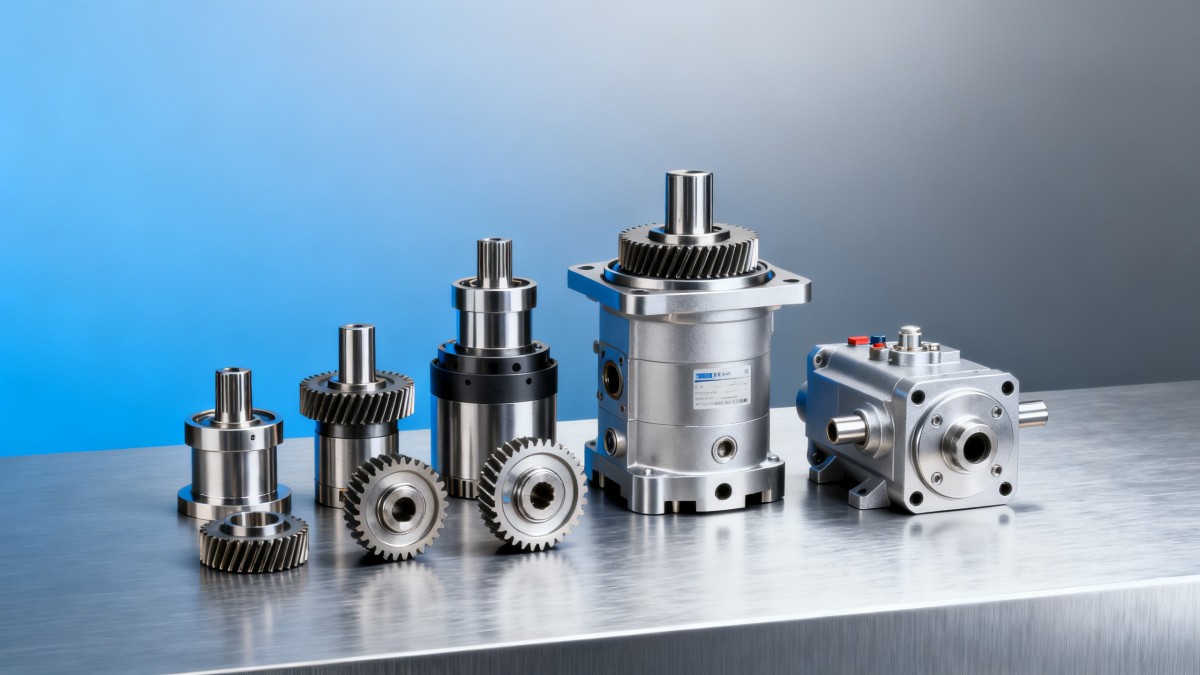
A B2B trade network usually offers broader supplier discovery, faster benchmarking, and easier access to market signals. Direct sourcing often provides tighter control, deeper technical alignment, and stronger unit economics after relationships mature.
For machinery categories such as CNC components, casting parts, transmission systems, pumps, valves, tooling, and industrial assemblies, scalability depends on both procurement structure and information quality.
Different growth scenarios require different sourcing logic
Sourcing decisions change when the business enters new markets, adds product lines, or responds to unstable freight and raw material costs. What works for a stable sourcing base may fail during rapid expansion.
A B2B trade network is often stronger when visibility matters more than immediate depth. Direct sourcing is often stronger when technical repeatability and supplier integration are already established.
Scenario 1: Expanding supplier options across multiple machinery categories
When scaling across bearings, fabricated structures, drive parts, and electrical controls, supplier discovery becomes a bottleneck. Searching one supplier at a time slows growth and narrows comparison quality.
Here, a B2B trade network scales better. It centralizes supplier visibility, category mapping, regional capability data, and market movement. This reduces research friction and improves shortlist speed.
A network-driven approach also helps identify second-source options faster. In machinery supply chains, backup suppliers protect delivery schedules when capacity shifts or compliance issues appear.
Scenario 2: Standardized repeat orders with tight quality control
If the focus is stable repeat ordering of machined shafts, cast housings, gear sets, or hydraulic subassemblies, direct sourcing can scale efficiently after qualification is complete.
Direct sourcing supports stronger process alignment. Engineering changes, tolerancing reviews, packaging rules, and inspection routines become easier to manage through closer supplier relationships.
This model also tends to improve negotiation leverage over time. Once forecast visibility, tooling investment, and quality history are shared, cost structures often become more predictable.
Scenario 3: Entering unfamiliar regions or new machinery segments
New regional sourcing introduces unknowns in certification, logistics reliability, export readiness, and production specialization. Direct outreach alone may not reveal enough context quickly.
A B2B trade network scales better in this case because it combines supplier access with industry intelligence. Real-time data helps assess regional strengths, demand shifts, and emerging risk patterns.
Platforms such as GTIIN and TradeVantage add value here by aggregating market signals across sectors. That wider context supports better timing and more informed entry into new machinery supply zones.
Scenario 4: Cost reduction during volatile demand cycles
When steel prices, freight rates, or energy costs fluctuate, sourcing must react quickly. Cost reduction depends on speed of comparison as much as supplier loyalty.
A B2B trade network often performs better at early-stage price discovery. It reveals alternative regions, capacity openings, and benchmark trends before direct supplier negotiations catch up.
Direct sourcing still has value in cost control where long-term framework agreements exist. Yet without external benchmarks, cost reviews can become too inward-looking during fast market shifts.
How B2B trade network and direct sourcing differ under real machinery demands
This comparison shows that a B2B trade network is usually better for breadth and agility. Direct sourcing is often better for depth and operating control after supplier validation.
Which model fits specific machinery sourcing needs
- Choose a B2B trade network when adding new product categories or entering new production regions.
- Use a B2B trade network when benchmarking suppliers for fabricated, machined, or assembled industrial parts.
- Prefer direct sourcing when drawings are complex and process repeatability is the core requirement.
- Prefer direct sourcing when tooling, PPAP-style validation, or ongoing engineering changes require close coordination.
- Combine both models when growth demands both supplier range and quality stability.
In practice, the strongest scaling strategy is often hybrid. A B2B trade network feeds discovery, market intelligence, and risk scanning. Direct sourcing handles validated production partnerships.
This hybrid structure works especially well for machinery businesses balancing castings, precision machining, sheet metal, motor components, and aftermarket parts within one portfolio.
Common misjudgments that weaken scaling results
Mistaking low price for scalable capacity
A low quote does not prove scalable output. Capacity planning, process control, and export readiness matter more when machinery orders increase or product mixes change.
Using direct sourcing without enough market reference
Direct sourcing can become too dependent on limited supplier feedback. Without external data, hidden shifts in regional competitiveness may go unnoticed for too long.
Relying on a B2B trade network without deeper validation
A B2B trade network improves visibility, but visibility is not full qualification. For machinery parts, process audits, sample checks, tolerancing review, and logistics verification remain essential.
Ignoring information quality as a scaling asset
Scalable sourcing depends on reliable intelligence. GTIIN and TradeVantage show how curated sector data, trend reporting, and global visibility improve decision accuracy beyond simple supplier listings.
For industrial trade growth, information quality supports better supplier targeting, faster risk response, and stronger digital trust. Those advantages become more valuable as sourcing complexity rises.
A practical path forward for better sourcing scale
If the goal is broad expansion, a B2B trade network usually scales better at the front end. It accelerates supplier discovery, regional comparison, and market-based decision support.
If the goal is repeatable production execution, direct sourcing often scales better after the right supplier base is confirmed. It strengthens process discipline and long-term cost coordination.
The most resilient approach is to use a B2B trade network for intelligence and pipeline building, then shift qualified opportunities into direct sourcing relationships for operational depth.
Start by mapping current machinery categories, supply risks, and geographic gaps. Then compare where visibility is missing and where supplier integration is insufficient. That simple audit reveals which model should lead the next stage of scale.
 How an industrial trade intelligence dashboard can identify new supplier marketsDiscover how an industrial trade intelligence dashboard helps identify new supplier markets by comparing capacity, landed cost, logistics resilience, and compliance risk.
 Which global market entry barriers should exporters assess first?Global market entry barriers exporters should assess first: tariffs, compliance, buyer qualification, logistics, and payment risk. Build a practical strategy for confident market entry.
 How trade data aggregation analytics can reveal emerging supplier marketsTrade data aggregation analytics reveals emerging supplier markets by connecting trade flows, capacity signals, logistics, and compliance insights for smarter sourcing decisions.
 When an export market analysis platform can validate demand in a new marketExport market analysis platform insights help validate new-market demand through buyer fit, regulations, logistics, competition, and profitable entry conditions.
 What is driving the beauty and personal care market in the USA?Beauty and personal care in USA is driven by targeted solutions, selective premiumization, digital discovery, clean-label trust, diverse needs, and compliance. Explore key growth opportunities.
 How trade flow monitoring reports reveal changing regional demandTrade flow monitoring reports reveal changing regional demand through import volumes, sourcing shifts, product mix, logistics signals, and regulatory trends. Explore actionable market insights.
 How international market intelligence for investors reduces market-entry riskInternational market intelligence for investors reduces market-entry risk by validating demand, regulations, logistics, and competition before capital is committed.
 How international sourcing intelligence helps identify supplier risk earlyInternational sourcing intelligence helps businesses spot supplier risks early, protect supply continuity, and make smarter global procurement decisions.
 How trade data aggregation analytics reveals emerging supplier marketsTrade data aggregation analytics reveals emerging supplier markets through export trends, input flows, logistics, and regulatory signals. Discover smarter sourcing insights.
 What industrial cluster monitoring in Vietnam reveals about site riskIndustrial cluster monitoring Vietnam reveals hidden site risks across labor, utilities, logistics, compliance, and supplier dependencies. Make smarter sourcing and expansion decisions.
 Food Technology Trends Reshaping Shelf Life, Safety, and Product InnovationFood technology is reshaping shelf life, safety, and innovation. Discover the trends helping food businesses cut risk, improve compliance, and unlock stronger global market growth.
 How electronics manufacturing services are changing with low-volume demandElectronics manufacturing services are evolving fast with low-volume demand. Learn how agile EMS partners improve flexibility, compliance, sourcing resilience, and speed to market.
 How Can Buyers Reduce Procurement Risks for Electronic Components?How to reduce procurement risks for electronic components: learn how buyers assess traceability, lead times, compliance, and supplier types to avoid costly sourcing mistakes.
 What Sourcing Intelligence India Reveals About Supplier Risk and Cost ShiftsSourcing intelligence India reveals hidden supplier risk, compliance gaps, logistics pressure, and real cost shifts—helping buyers compare vendors smarter and source with more confidence.
 Fashion Trends 2026: Which Materials, Colors, and Silhouettes Are Gaining Ground?Fashion trends 2026 spotlight tactile fabrics, mineral colors, and controlled volume. Explore the materials, shades, and silhouettes shaping smarter, more wearable style.
 Smart Device Market Outlook: Key Growth Drivers, Segments, and Business OpportunitiesSmart device market trends are shifting toward system value, industrial demand, and resilient supply chains. Explore key growth drivers, high-potential segments, and business opportunities.
 How Global Trade Intelligence Services Help B2B Firms Evaluate Markets and SuppliersGlobal trade intelligence services help B2B firms compare suppliers, assess market potential, and uncover compliance, logistics, and pricing risks before costly decisions are made.
 Manufacturing Sector Updates for Investors: What Signals Matter Most in 2025?Manufacturing sector updates for investors in 2025: track orders, margins, supply chains, regulation, and exports to spot resilient manufacturers and smarter investment signals.
 How Energy Market Intelligence Helps Businesses Track Price Risks and Demand ShiftsEnergy market intelligence helps businesses spot price risks, demand shifts, and supply pressure early—improving procurement, resilience, and faster strategic decisions.
 Precision Hardware Tools Market: Key Demand Drivers, Segments, and Growth OutlookPrecision hardware tools market trends are reshaping sourcing, compliance, and automation. Explore key demand drivers, segment shifts, regional supply patterns, and growth opportunities.
 How to Use Customs Import Data to Find Buyers, Track Competitors, and Spot Demand?Customs import data helps you find real buyers, track competitors, and spot demand shifts early. Learn practical ways to turn trade records into smarter global business decisions.





















Global Trade Insights & Industry
Our mission is to empower global exporters and importers with data-driven insights that foster strategic growth.
Search News
Popular Tags
Industry Overview
The global commercial kitchen equipment market is projected to reach $112 billion by 2027. Driven by urbanization, the rise of e-commerce food delivery, and strict hygiene regulations.