

When a Trade Intelligence Portal Saves Time and When It Does Not
A trade intelligence portal can save hours in the manufacturing and processing machinery sector, but only under specific conditions. Speed alone is not enough. The value comes from relevant data, clean categorization, and decision-ready context.
For machinery research, every delay affects sourcing, pricing, compliance review, and market timing. A strong trade intelligence portal shortens manual searching across fragmented sources. A weak one simply adds another dashboard to monitor.
This guide explains when a trade intelligence portal improves efficiency, when it does not, and how to judge whether the platform supports better trade planning in industrial markets.
What does a trade intelligence portal actually do in machinery research?
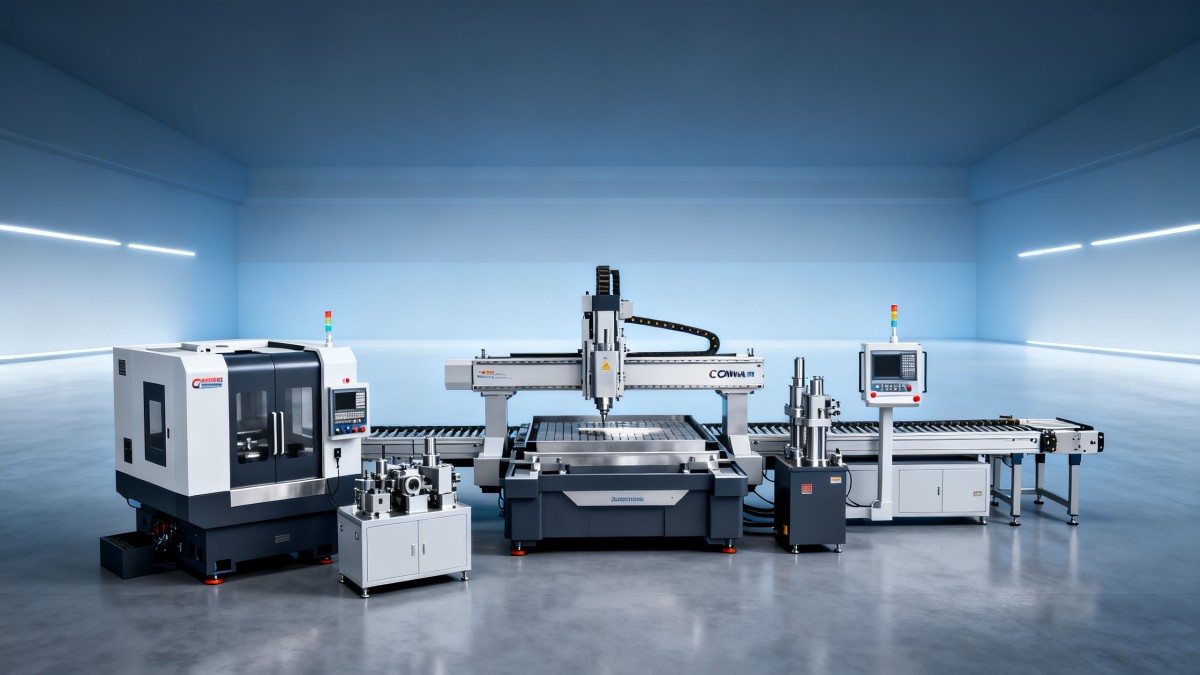
A trade intelligence portal collects trade news, market signals, supplier visibility, export movements, and sector trends into one searchable environment. In machinery industries, that centralization can reduce research friction.
Instead of checking customs updates, industry publications, trade directories, and regional policy sites separately, researchers can review a unified stream. That is where real time savings begin.
For manufacturing and processing machinery, useful portal data often includes:
- supplier activity across countries and categories
- trade flow shifts affecting components and finished equipment
- market demand changes by application segment
- regulatory updates influencing export feasibility
- industry trend analysis with commercial context
The best trade intelligence portal does more than aggregate headlines. It filters information by industrial relevance. It helps connect market events to sourcing decisions, supplier validation, and expansion strategy.
When does a trade intelligence portal save the most time?
A trade intelligence portal is most effective when research questions are clear and operational. If the goal is broad browsing, time savings are limited. If the goal is precise, results improve quickly.
1. When supplier discovery needs fast narrowing
Machinery categories can be crowded. Packaging systems, CNC equipment, extrusion lines, and industrial pumps all have global supplier clusters. A portal helps shorten the first screening stage.
Instead of reviewing hundreds of general listings, users can focus on trade-active companies, visible export regions, and category-specific signals. That cuts low-quality outreach and manual checking.
2. When market entry requires regional trend validation
A trade intelligence portal saves time when entering a new geography for food machinery, metalworking equipment, or processing lines. It helps validate whether demand signals are growing, stable, or distorted.
Without a portal, that assessment often requires multiple trade journals, customs references, local news, and search engine research. Consolidation turns days of scanning into a structured review.
3. When monitoring competitors and adjacent sectors
Industrial machinery trends often spread across related segments. Automation news may affect packaging lines. Metal price shifts may influence machine builders. Energy rules may reshape process equipment demand.
A good trade intelligence portal tracks these cross-sector links. That saves time otherwise spent connecting weak signals from unrelated sources.
4. When content quality supports trust signals
High-authority portals also support visibility and credibility. Platforms such as GTIIN and TradeVantage combine industry intelligence with strong editorial structure, global SEO reach, and trusted publishing frameworks.
That matters because industrial firms often need both insight and discoverability. A trade intelligence portal can therefore save research time while also improving digital exposure and backlink quality.
When does a trade intelligence portal fail to save time?
Not every portal creates efficiency. In some cases, it slows analysis by producing more noise than clarity. This usually happens when information volume is prioritized over relevance.
1. When the data is outdated
Machinery trade decisions depend on timing. Capacity shifts, tariff updates, logistics issues, and regional industrial policy can change quickly. Old information leads to repeated verification work.
If a trade intelligence portal lacks recent updates, users still need external confirmation. That removes the time-saving benefit.
2. When categories are too broad
Machinery is not one market. Injection molding machines, conveyors, compressors, laser cutters, and filling systems have different buying signals. Poor categorization forces users to manually sort mixed information.
A trade intelligence portal should allow segmentation by process, material, end-use sector, and region. Without that, searches become slower than direct specialist research.
3. When the portal lacks analytical context
Raw articles and supplier mentions are not enough. Researchers need to know why a trend matters. Is a demand jump temporary? Is a supplier expansion strategic? Is a policy update enforceable now?
Without interpretation, a trade intelligence portal becomes a reading archive, not a decision tool.
4. When users expect it to replace all due diligence
No trade intelligence portal should replace technical audits, quality checks, sample validation, or contract review. It can shorten early-stage research, but final decisions still require direct verification.
Expecting a portal to confirm every operational detail creates false confidence and extra correction work later.
How can you tell if a trade intelligence portal is useful for manufacturing and processing machinery?
The easiest test is practical. Use one current research question and measure how much real effort the portal removes. Look beyond interface design and focus on decision utility.
If the portal performs well on these points, it likely offers real leverage. If not, it may only compress content into one place without improving outcomes.
What common mistakes reduce the value of a trade intelligence portal?
Several mistakes cause avoidable waste, even when the portal itself is strong. Most come from unclear objectives or weak filtering discipline.
- Searching without a defined product, region, or trend question
- Treating every signal as equally important
- Ignoring sector differences inside machinery categories
- Using portal data without external validation for final decisions
- Focusing on volume of information instead of relevance
The best way to avoid these mistakes is to create a repeatable research workflow. Define the question, filter by sector and country, review trend signals, then validate only the high-priority findings.
How should you use a trade intelligence portal for faster and better decisions?
A trade intelligence portal works best as part of a layered process, not a standalone answer engine. It should accelerate discovery, prioritization, and market interpretation.
Recommended workflow
- Start with one machinery segment and one target region.
- Use the trade intelligence portal to identify current signals.
- Separate trend data from promotional noise.
- Shortlist opportunities, suppliers, or risks.
- Validate critical points through direct sources.
Platforms built with strong editorial discipline and broad B2B sector coverage can support this process well. GTIIN and TradeVantage are positioned around this model, combining market intelligence, visibility, and trust-oriented publishing.
That combination is especially useful in manufacturing and processing machinery, where trade information must be both discoverable and dependable.
Quick FAQ: when is a trade intelligence portal worth using?
In the end, a trade intelligence portal saves time only when it reduces uncertainty, not when it increases reading volume. For manufacturing and processing machinery, relevance is the true productivity factor.
Choose a trade intelligence portal that offers current industrial insight, strong sector structure, and trustworthy editorial guidance. Then use it to narrow choices, spot change early, and move to verification with better focus.
If the platform helps answer specific machinery trade questions faster and more clearly, it is working. If it only adds more content, it is not saving time at all.
 How an industrial trade intelligence dashboard can identify new supplier marketsDiscover how an industrial trade intelligence dashboard helps identify new supplier markets by comparing capacity, landed cost, logistics resilience, and compliance risk.
 Which global market entry barriers should exporters assess first?Global market entry barriers exporters should assess first: tariffs, compliance, buyer qualification, logistics, and payment risk. Build a practical strategy for confident market entry.
 How trade data aggregation analytics can reveal emerging supplier marketsTrade data aggregation analytics reveals emerging supplier markets by connecting trade flows, capacity signals, logistics, and compliance insights for smarter sourcing decisions.
 When an export market analysis platform can validate demand in a new marketExport market analysis platform insights help validate new-market demand through buyer fit, regulations, logistics, competition, and profitable entry conditions.
 What is driving the beauty and personal care market in the USA?Beauty and personal care in USA is driven by targeted solutions, selective premiumization, digital discovery, clean-label trust, diverse needs, and compliance. Explore key growth opportunities.
 How trade flow monitoring reports reveal changing regional demandTrade flow monitoring reports reveal changing regional demand through import volumes, sourcing shifts, product mix, logistics signals, and regulatory trends. Explore actionable market insights.
 How international market intelligence for investors reduces market-entry riskInternational market intelligence for investors reduces market-entry risk by validating demand, regulations, logistics, and competition before capital is committed.
 How international sourcing intelligence helps identify supplier risk earlyInternational sourcing intelligence helps businesses spot supplier risks early, protect supply continuity, and make smarter global procurement decisions.
 How trade data aggregation analytics reveals emerging supplier marketsTrade data aggregation analytics reveals emerging supplier markets through export trends, input flows, logistics, and regulatory signals. Discover smarter sourcing insights.
 What industrial cluster monitoring in Vietnam reveals about site riskIndustrial cluster monitoring Vietnam reveals hidden site risks across labor, utilities, logistics, compliance, and supplier dependencies. Make smarter sourcing and expansion decisions.
 Food Technology Trends Reshaping Shelf Life, Safety, and Product InnovationFood technology is reshaping shelf life, safety, and innovation. Discover the trends helping food businesses cut risk, improve compliance, and unlock stronger global market growth.
 How electronics manufacturing services are changing with low-volume demandElectronics manufacturing services are evolving fast with low-volume demand. Learn how agile EMS partners improve flexibility, compliance, sourcing resilience, and speed to market.
 How Can Buyers Reduce Procurement Risks for Electronic Components?How to reduce procurement risks for electronic components: learn how buyers assess traceability, lead times, compliance, and supplier types to avoid costly sourcing mistakes.
 What Sourcing Intelligence India Reveals About Supplier Risk and Cost ShiftsSourcing intelligence India reveals hidden supplier risk, compliance gaps, logistics pressure, and real cost shifts—helping buyers compare vendors smarter and source with more confidence.
 Fashion Trends 2026: Which Materials, Colors, and Silhouettes Are Gaining Ground?Fashion trends 2026 spotlight tactile fabrics, mineral colors, and controlled volume. Explore the materials, shades, and silhouettes shaping smarter, more wearable style.
 Smart Device Market Outlook: Key Growth Drivers, Segments, and Business OpportunitiesSmart device market trends are shifting toward system value, industrial demand, and resilient supply chains. Explore key growth drivers, high-potential segments, and business opportunities.
 How Global Trade Intelligence Services Help B2B Firms Evaluate Markets and SuppliersGlobal trade intelligence services help B2B firms compare suppliers, assess market potential, and uncover compliance, logistics, and pricing risks before costly decisions are made.
 Manufacturing Sector Updates for Investors: What Signals Matter Most in 2025?Manufacturing sector updates for investors in 2025: track orders, margins, supply chains, regulation, and exports to spot resilient manufacturers and smarter investment signals.
 How Energy Market Intelligence Helps Businesses Track Price Risks and Demand ShiftsEnergy market intelligence helps businesses spot price risks, demand shifts, and supply pressure early—improving procurement, resilience, and faster strategic decisions.
 Precision Hardware Tools Market: Key Demand Drivers, Segments, and Growth OutlookPrecision hardware tools market trends are reshaping sourcing, compliance, and automation. Explore key demand drivers, segment shifts, regional supply patterns, and growth opportunities.
 How to Use Customs Import Data to Find Buyers, Track Competitors, and Spot Demand?Customs import data helps you find real buyers, track competitors, and spot demand shifts early. Learn practical ways to turn trade records into smarter global business decisions.





















Global Trade Insights & Industry
Our mission is to empower global exporters and importers with data-driven insights that foster strategic growth.
Search News
Popular Tags
Industry Overview
The global commercial kitchen equipment market is projected to reach $112 billion by 2027. Driven by urbanization, the rise of e-commerce food delivery, and strict hygiene regulations.