

How to Choose Chemical Processing Equipment for Corrosive Materials and Tight Tolerances
How to Choose Chemical Processing Equipment for Corrosive Materials and Tight Tolerances
Selecting chemical processing equipment for corrosive materials is rarely a simple catalog decision.
Tight tolerances raise the stakes even more.
Small deviations in flow, temperature, pressure, or surface condition can quickly affect yield, safety, and downstream quality.
That is why chemical processing decisions should start with operating reality, not just nameplate ratings.
In practice, the best equipment choice balances corrosion resistance, dimensional stability, maintenance access, compliance, and lifecycle cost.
This matters across reactors, pumps, valves, piping systems, heat exchangers, dosing units, and filtration lines.
A stronger chemical processing strategy reduces unplanned shutdowns and supports more confident procurement decisions.
Start with the actual corrosion profile
The first step is understanding what the material really does inside the system.
Many selection mistakes happen because teams define the fluid too broadly.
A corrosive acid at room temperature behaves differently under heat, mixing, pressure cycling, or contamination exposure.
Even trace chlorides, solids, or oxygen can shift the corrosion mechanism.
For chemical processing equipment, this means material selection must be based on full operating conditions.
- Chemical concentration and purity range
- Normal and upset temperatures
- Operating pressure and vacuum exposure
- Abrasive particles or slurry content
- Cleaning chemicals and washdown frequency
- Batch versus continuous duty
From a chemical processing viewpoint, corrosion is not only about metal loss.
It can also involve pitting, stress cracking, seal damage, coating failure, and contamination of the final product.
Match material compatibility to tolerance requirements
Corrosion resistance alone does not guarantee precision.
If the process depends on tight tolerances, the equipment must also hold shape, finish, and sealing integrity over time.
This is where many chemical processing projects need a closer comparison between metals, alloys, fluoropolymers, ceramics, and lined systems.
For example, stainless steel may look economical at first.
But aggressive media can make it unreliable when dimensional accuracy and long service intervals are required.
Higher-alloy materials, PTFE linings, or glass-lined vessels may deliver better long-term chemical processing stability.
A good chemical processing review asks how the material performs after months of cycling, not only on day one.
Focus on the process variables that drive precision
Tight tolerances usually depend on stable process control.
That makes equipment design just as important as construction material.
In chemical processing lines, poor control of dead zones, heat transfer, residence time, or dosing accuracy can create off-spec output.
This remains true even when corrosion resistance is acceptable.
Look closely at the variables that directly influence product consistency.
- Pump flow stability under viscosity changes
- Valve response time and repeatability
- Heat exchanger control under fluctuating loads
- Mixer geometry and shear sensitivity
- Seal performance during temperature swings
- Sensor placement for accurate feedback
In actual chemical processing projects, a precision issue often starts as a design issue.
That is why equipment evaluation should include both mechanical details and control logic.
Evaluate failure modes before comparing price
A low initial quote can hide expensive operational risk.
For corrosive service, the most useful procurement question is simple.
How is this equipment most likely to fail in this exact application?
That question brings chemical processing risk into a practical decision framework.
Common failure points include gaskets, weld zones, valve seats, shaft seals, instrument diaphragms, and lining transitions.
When tolerances are tight, even a minor leak path or rough surface change can affect purity and control.
A more reliable chemical processing assessment should include:
- Expected corrosion mechanism by component
- Mean time between maintenance events
- Impact of failure on product quality
- Downtime cost and replacement lead time
- Availability of local service and spare parts
This approach usually leads to better decisions than comparing price sheets alone.
Check compliance, documentation, and supplier readiness
Technical fit is only one part of equipment selection.
In global chemical processing projects, documentation quality often separates manageable procurement from costly delay.
If the supplier cannot clearly support traceability, certification, and inspection requirements, risk rises fast.
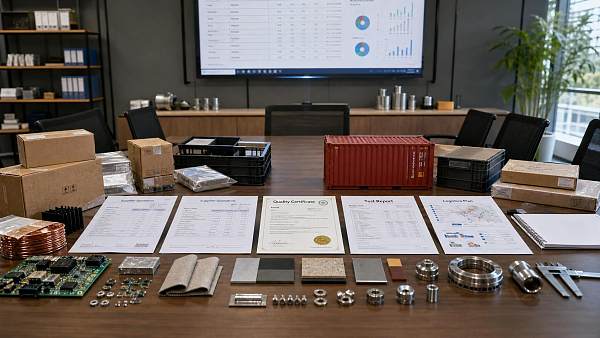
Depending on the region and application, review material test reports, pressure compliance, surface finish records, weld procedures, and quality documentation.
For cross-border sourcing, shipping protection and installation guidance also matter.
A good chemical processing supplier should answer these points clearly:
- Which standards apply to the supplied equipment
- Which wetted parts contact the chemical media
- Which test conditions were used before shipment
- Which spare items are recommended for startup
- Which delivery risks could affect commissioning dates
This is especially important when procurement teams need predictable timelines and fewer handover issues.
Use a lifecycle cost model, not a purchase cost model
In corrosive duty, the cheapest unit is often the most expensive asset.
That is a common lesson in chemical processing operations.
A realistic cost model should include installation, energy use, cleaning, spare parts, inspection, downtime, and product loss from variation.
When tolerances are narrow, one unstable component can create repeat scrap or rework costs.
In many cases, better chemical processing equipment wins because it reduces hidden cost drivers.
It may also improve delivery reliability, audit readiness, and process repeatability.
That broader view supports stronger capital approval and better long-term planning.
A practical selection checklist for chemical processing equipment
When time is tight, a structured checklist helps teams stay focused.
It also makes supplier comparisons more objective.
- Define the full chemical profile, including upset conditions.
- Identify tolerance limits that directly affect product acceptance.
- Compare wetted materials, linings, seals, and connection points.
- Review flow, mixing, dosing, and heat transfer stability.
- Map likely failure modes and maintenance intervals.
- Confirm certifications, inspection documents, and traceability records.
- Estimate lifecycle cost under real operating assumptions.
- Verify supplier support for startup, spares, and field issues.
This kind of chemical processing checklist improves alignment between engineering, procurement, operations, and quality teams.
It also reduces the chance of choosing equipment that looks acceptable on paper but struggles in production.
For corrosive materials and tight tolerances, the smartest decision is usually the one that removes uncertainty early.
That means asking better questions, validating real conditions, and focusing on long-term chemical processing performance.
When those factors are built into selection, equipment becomes more than a purchase.
It becomes a reliable part of quality control, risk reduction, and operational stability.
 When an export market analysis platform can validate demand in a new marketExport market analysis platform insights help validate new-market demand through buyer fit, regulations, logistics, competition, and profitable entry conditions.
 What is driving the beauty and personal care market in the USA?Beauty and personal care in USA is driven by targeted solutions, selective premiumization, digital discovery, clean-label trust, diverse needs, and compliance. Explore key growth opportunities.
 How trade flow monitoring reports reveal changing regional demandTrade flow monitoring reports reveal changing regional demand through import volumes, sourcing shifts, product mix, logistics signals, and regulatory trends. Explore actionable market insights.
 How international market intelligence for investors reduces market-entry riskInternational market intelligence for investors reduces market-entry risk by validating demand, regulations, logistics, and competition before capital is committed.
 How international sourcing intelligence helps identify supplier risk earlyInternational sourcing intelligence helps businesses spot supplier risks early, protect supply continuity, and make smarter global procurement decisions.
 How trade data aggregation analytics reveals emerging supplier marketsTrade data aggregation analytics reveals emerging supplier markets through export trends, input flows, logistics, and regulatory signals. Discover smarter sourcing insights.
 What industrial cluster monitoring in Vietnam reveals about site riskIndustrial cluster monitoring Vietnam reveals hidden site risks across labor, utilities, logistics, compliance, and supplier dependencies. Make smarter sourcing and expansion decisions.
 Food Technology Trends Reshaping Shelf Life, Safety, and Product InnovationFood technology is reshaping shelf life, safety, and innovation. Discover the trends helping food businesses cut risk, improve compliance, and unlock stronger global market growth.
 How electronics manufacturing services are changing with low-volume demandElectronics manufacturing services are evolving fast with low-volume demand. Learn how agile EMS partners improve flexibility, compliance, sourcing resilience, and speed to market.
 How Can Buyers Reduce Procurement Risks for Electronic Components?How to reduce procurement risks for electronic components: learn how buyers assess traceability, lead times, compliance, and supplier types to avoid costly sourcing mistakes.
 What Sourcing Intelligence India Reveals About Supplier Risk and Cost ShiftsSourcing intelligence India reveals hidden supplier risk, compliance gaps, logistics pressure, and real cost shifts—helping buyers compare vendors smarter and source with more confidence.
 Fashion Trends 2026: Which Materials, Colors, and Silhouettes Are Gaining Ground?Fashion trends 2026 spotlight tactile fabrics, mineral colors, and controlled volume. Explore the materials, shades, and silhouettes shaping smarter, more wearable style.
 Smart Device Market Outlook: Key Growth Drivers, Segments, and Business OpportunitiesSmart device market trends are shifting toward system value, industrial demand, and resilient supply chains. Explore key growth drivers, high-potential segments, and business opportunities.
 How Global Trade Intelligence Services Help B2B Firms Evaluate Markets and SuppliersGlobal trade intelligence services help B2B firms compare suppliers, assess market potential, and uncover compliance, logistics, and pricing risks before costly decisions are made.
 Manufacturing Sector Updates for Investors: What Signals Matter Most in 2025?Manufacturing sector updates for investors in 2025: track orders, margins, supply chains, regulation, and exports to spot resilient manufacturers and smarter investment signals.
 How Energy Market Intelligence Helps Businesses Track Price Risks and Demand ShiftsEnergy market intelligence helps businesses spot price risks, demand shifts, and supply pressure early—improving procurement, resilience, and faster strategic decisions.
 Precision Hardware Tools Market: Key Demand Drivers, Segments, and Growth OutlookPrecision hardware tools market trends are reshaping sourcing, compliance, and automation. Explore key demand drivers, segment shifts, regional supply patterns, and growth opportunities.
 How to Use Customs Import Data to Find Buyers, Track Competitors, and Spot Demand?Customs import data helps you find real buyers, track competitors, and spot demand shifts early. Learn practical ways to turn trade records into smarter global business decisions.
 Manufacturing Cost Analysis: 8 Cost Drivers That Change Your Unit PriceManufacturing cost analysis explained through 8 key cost drivers that impact unit price, supplier stability, and margins—learn how to compare quotes smarter and reduce sourcing risk.
 Industrial Market Realities: What Buyers Should Check Before Comparing Supplier QuotesIndustrial market realities shape every supplier quote beyond unit price. Learn what to check on compliance, lead times, logistics, and hidden cost risks before comparing offers.
 Beverage Production Line Planning: Key Equipment, Capacity, and Hygiene RequirementsBeverage production line planning made practical: discover key equipment, real capacity sizing, and hygiene requirements to improve efficiency, safety, and long-term plant performance.



















Global Trade Insights & Industry
Our mission is to empower global exporters and importers with data-driven insights that foster strategic growth.
Search News
Popular Tags
Industry Overview
The global commercial kitchen equipment market is projected to reach $112 billion by 2027. Driven by urbanization, the rise of e-commerce food delivery, and strict hygiene regulations.