

How to Evaluate an Industrial Chemicals Manufacturer for Quality, Compliance, and Supply Stability
Why is choosing an industrial chemicals manufacturer more complex than it used to be?
Price still matters, but it no longer explains supplier value on its own.
An industrial chemicals manufacturer now affects product consistency, customs clearance, environmental exposure, and delivery continuity at the same time.
That is especially true when materials move across multiple markets, each with different documentation, labeling, and restricted substance rules.
A low quotation can quickly become expensive if batches fail, declarations are incomplete, or shipments are delayed by compliance checks.
In practical terms, supplier evaluation should connect three questions.
- Can the manufacturer deliver stable chemical quality?
- Can it meet regulatory and documentation requirements in target markets?
- Can it keep supplying under freight, raw material, or policy pressure?
This wider view is becoming standard across chemicals, plastics, coatings, water treatment, electronics, agriculture, construction, and industrial processing.
It also explains why trade intelligence platforms such as GTIIN are useful.
They help connect plant capability with export conditions, regulatory change, logistics pressure, and regional sourcing risk before orders are placed.
What should be checked first when comparing an industrial chemicals manufacturer?
Start with fit, not claims.
A strong industrial chemicals manufacturer for one application may be weak for another, even if both products look similar on paper.
The first review should confirm whether the manufacturer matches the required chemistry, volume profile, and destination market.
Three areas usually reveal the real fit quickly.
1. Product and application alignment
Check whether the supplier has experience in the exact end use, not just the chemical family.
For example, solvent supply for coatings is different from solvent supply for electronics cleaning or pharmaceutical intermediates.
Ask for typical customer sectors, formulation ranges, impurity control standards, and performance tolerances.
2. Production capability and batch control
Do not stop at annual capacity figures.
Find out reactor size, campaign planning, changeover frequency, sampling process, retention samples, and corrective action routines.
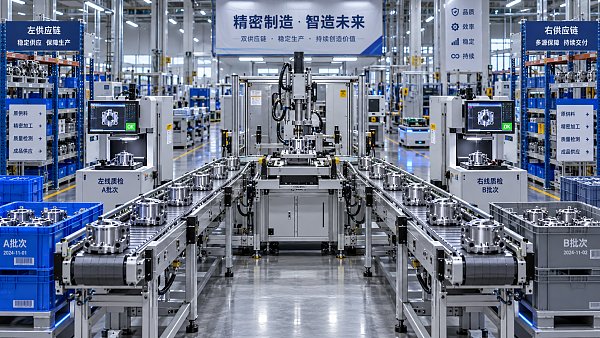
A plant with moderate capacity but disciplined process control may be more reliable than a larger plant with loose batch management.
3. Export readiness
An industrial chemicals manufacturer may produce well yet still create trade friction.
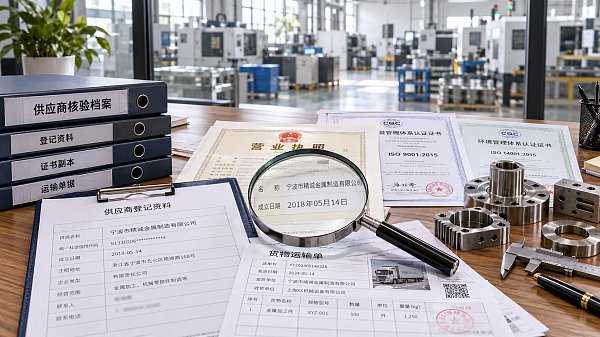
Review Safety Data Sheets, labeling format, COA structure, packaging compliance, and hazardous cargo handling capability.
When documentation is inconsistent, operational risk usually appears later in shipping or customs.
A simple comparison table can keep early screening objective.
How can quality be verified beyond a certificate or test report?
Certificates are useful, but they are only a starting point.
A credible industrial chemicals manufacturer should be able to explain how quality is built into production, not just how it is documented afterward.
In real sourcing work, the most reliable checks combine paperwork, process evidence, and sample performance.
Look at the system behind the numbers
Ask how raw materials are qualified, how in-process checks are performed, and how nonconforming material is isolated.
If responses stay vague, quality may depend too heavily on final inspection.
Treat samples as a process test
One good lab sample proves very little.
A better method is to request samples from different batches or production dates, then compare critical parameters and application results.
This shows whether the industrial chemicals manufacturer can reproduce performance, not just prepare a selected sample.
Check traceability depth
Good traceability links batch number, raw material lot, test result, production date, and shipment record.
That matters when a complaint appears months later and root cause analysis becomes urgent.
Useful quality questions often include the following.
- What are the top three customer complaints from the last year?
- How often are specifications tightened or revised?
- Which tests are performed internally and which are outsourced?
- What is the release process when a result is close to a limit?
These questions reveal operational maturity much faster than a polished presentation.
Which compliance details usually create the biggest sourcing risk?
Compliance problems rarely begin with a dramatic failure.
More often, they start with incomplete declarations, outdated registrations, or shipment documents that do not match product classification.
For an industrial chemicals manufacturer, this can disrupt lead time, increase landed cost, or trigger customer rejection.
Registration and market-specific rules
Depending on the destination, REACH, TSCA, GHS, local inventory listings, or sector-specific restrictions may apply.
The key question is not whether the supplier knows the acronym.
The key question is whether the exact product grade and shipping configuration are already aligned with the required market entry conditions.
Environmental and restricted substance exposure
This is increasingly relevant in electronics, consumer goods, water treatment, construction, and packaging-related applications.
An industrial chemicals manufacturer should be able to support declarations on restricted substances, heavy metals, VOC limits, or waste handling obligations.
Transport and storage compliance
Hazardous classification affects packaging, labeling, documentation, carrier selection, and warehouse compatibility.
If a supplier outsources these responsibilities without internal review, shipment errors become more likely.
This is where broader market visibility helps.
GTIIN, for example, is valuable because it organizes regulatory changes, industrial category shifts, and cross-border trade signals in one business context.
That makes it easier to see whether a compliance issue is supplier-specific or part of a wider regional trend.
How do you judge supply stability before disruption actually happens?
Supply stability is rarely visible in a quotation sheet.
You have to infer it from sourcing structure, plant discipline, and external exposure.
A dependable industrial chemicals manufacturer usually shows balance across raw materials, utilities, labor, compliance, and logistics.
Ask where the real bottleneck sits
Some suppliers are limited by feedstock availability.
Others are limited by packaging supply, export booking capacity, wastewater treatment, or energy restrictions.
The most useful answer identifies the constraint clearly and explains how it is managed.
Review resilience, not just lead time
A short lead time today does not guarantee supply next quarter.
Check safety stock policy, alternate raw material sources, maintenance planning, and historical on-time shipment performance during peak periods.
Compare location risk
Regional policy shifts, port congestion, environmental inspections, and weather events can all affect an industrial chemicals manufacturer.
Trade intelligence is useful here because local disruptions often become visible first through freight pressure, pricing movement, or export delays.
A practical risk screen might look like this.
When does the lowest price become the highest total cost?
Usually when the quotation excludes the cost of instability.
A cheaper industrial chemicals manufacturer may still increase total cost through higher usage rates, more incoming inspection, rework, delayed production, or emergency freight.
That is why price benchmarking should sit beside performance benchmarking.
In actual comparisons, include these cost elements.
- Effective cost per usable output, not only cost per kilogram or ton
- Testing, qualification, and audit costs
- Packaging, storage, and hazardous transport surcharges
- Inventory buffer required because of variable lead time
- Complaint handling and replacement cycle risk
More balanced sourcing decisions often come from combining supplier data with outside market signals.
GTIIN supports that kind of review by connecting price trends, regional production changes, export conditions, and regulatory developments across industrial sectors.
That context helps explain why one industrial chemicals manufacturer is cheaper now, and whether that advantage is likely to hold.
What is a practical next step before approving a new supplier?
Build a short approval sequence that tests facts in the right order.
That keeps supplier comparison disciplined and reduces surprises after commercial terms are agreed.
- Define the critical specification, end-use risk, and target markets first.
- Screen each industrial chemicals manufacturer for application fit, documentation quality, and export readiness.
- Request multi-batch samples and verify performance under real operating conditions.
- Review compliance evidence against destination-specific requirements, not general statements.
- Assess supply stability using raw material exposure, location risk, and logistics capability.
- Compare total landed and operational cost before final ranking.
A reliable industrial chemicals manufacturer is not simply the one with the lowest offer or the biggest plant.
It is the one that can keep quality stable, documents accurate, and supply flowing when market conditions become less predictable.
That decision becomes stronger when internal evaluation is combined with structured external insight.
Using a source such as GTIIN can help turn fragmented market information into a clearer supplier judgment framework.
The next useful move is to formalize a scorecard, test two or three shortlisted options, and review risk before scaling volume.
 How to verify sourcing intelligence data before selecting suppliersVerify sourcing intelligence data before choosing suppliers. Learn how to check company records, certifications, and capacity to reduce procurement risk and build a reliable shortlist.
 How to use supplier risk analysis to spot financial warning signsUse supplier risk analysis to spot cash flow pressure, debt risks, and delivery warning signs. Learn practical steps to reduce exposure and protect supply continuity.
 When dual sourcing makes sense in a sourcing strategy for manufacturersSourcing strategy for manufacturers: learn when dual sourcing strengthens supply continuity, reduces disruption risk, and protects production without adding unnecessary complexity.
 How bulk commodities pricing affects long-term supply contractsBulk commodities pricing shapes long-term supply contracts through index rules, freight, quality, volume, and currency risk. Explore strategies for resilient costs and supply security.
 Which global manufacturing trends by sector matter most for sourcing plans?Global manufacturing trends by sector: identify sourcing risks, supplier resilience, compliance demands, and cost drivers to build smarter, more reliable procurement plans.
 What industrial trade intelligence pricing should include before you subscribeIndustrial trade intelligence pricing explained: compare coverage, data quality, access rights, and workflow value before choosing a subscription that supports smarter trade decisions.
 How an industrial trade intelligence dashboard can identify new supplier marketsDiscover how an industrial trade intelligence dashboard helps identify new supplier markets by comparing capacity, landed cost, logistics resilience, and compliance risk.
 Which global market entry barriers should exporters assess first?Global market entry barriers exporters should assess first: tariffs, compliance, buyer qualification, logistics, and payment risk. Build a practical strategy for confident market entry.
 How trade data aggregation analytics can reveal emerging supplier marketsTrade data aggregation analytics reveals emerging supplier markets by connecting trade flows, capacity signals, logistics, and compliance insights for smarter sourcing decisions.
 When an export market analysis platform can validate demand in a new marketExport market analysis platform insights help validate new-market demand through buyer fit, regulations, logistics, competition, and profitable entry conditions.
 What is driving the beauty and personal care market in the USA?Beauty and personal care in USA is driven by targeted solutions, selective premiumization, digital discovery, clean-label trust, diverse needs, and compliance. Explore key growth opportunities.
 How trade flow monitoring reports reveal changing regional demandTrade flow monitoring reports reveal changing regional demand through import volumes, sourcing shifts, product mix, logistics signals, and regulatory trends. Explore actionable market insights.
 How international market intelligence for investors reduces market-entry riskInternational market intelligence for investors reduces market-entry risk by validating demand, regulations, logistics, and competition before capital is committed.
 How international sourcing intelligence helps identify supplier risk earlyInternational sourcing intelligence helps businesses spot supplier risks early, protect supply continuity, and make smarter global procurement decisions.
 How trade data aggregation analytics reveals emerging supplier marketsTrade data aggregation analytics reveals emerging supplier markets through export trends, input flows, logistics, and regulatory signals. Discover smarter sourcing insights.
 What industrial cluster monitoring in Vietnam reveals about site riskIndustrial cluster monitoring Vietnam reveals hidden site risks across labor, utilities, logistics, compliance, and supplier dependencies. Make smarter sourcing and expansion decisions.
 Food Technology Trends Reshaping Shelf Life, Safety, and Product InnovationFood technology is reshaping shelf life, safety, and innovation. Discover the trends helping food businesses cut risk, improve compliance, and unlock stronger global market growth.
 How electronics manufacturing services are changing with low-volume demandElectronics manufacturing services are evolving fast with low-volume demand. Learn how agile EMS partners improve flexibility, compliance, sourcing resilience, and speed to market.
 How Can Buyers Reduce Procurement Risks for Electronic Components?How to reduce procurement risks for electronic components: learn how buyers assess traceability, lead times, compliance, and supplier types to avoid costly sourcing mistakes.
 What Sourcing Intelligence India Reveals About Supplier Risk and Cost ShiftsSourcing intelligence India reveals hidden supplier risk, compliance gaps, logistics pressure, and real cost shifts—helping buyers compare vendors smarter and source with more confidence.
 Fashion Trends 2026: Which Materials, Colors, and Silhouettes Are Gaining Ground?Fashion trends 2026 spotlight tactile fabrics, mineral colors, and controlled volume. Explore the materials, shades, and silhouettes shaping smarter, more wearable style.



















Global Trade Insights & Industry
Our mission is to empower global exporters and importers with data-driven insights that foster strategic growth.
Search News
Popular Tags
Industry Overview
The global commercial kitchen equipment market is projected to reach $112 billion by 2027. Driven by urbanization, the rise of e-commerce food delivery, and strict hygiene regulations.