

China Tightens Subsidy Claims on Cross-Border Hot-Sellers
On June 18, 2026, China’s market regulator issued guidance to standardize subsidy practices on food delivery platforms, with enforcement focused on low-price dumping and misleading subsidy claims under the Anti-Unfair Competition Law and the E-commerce Law. Although the document targets food delivery, the regulatory logic described in the event summary is already being read across cross-border platforms such as Temu, SHEIN, and AliExpress, especially where smart home devices, charging accessories, LED lighting, and other fast-moving hardware products are promoted through aggressive discount language. For exporters, importers, platform sellers, and sourcing teams, this matters because marketing compliance is no longer separate from trade execution and supplier review.
What the June 18 guidance confirms
The confirmed facts are limited but clear. On June 18, 2026, the State Administration for Market Regulation released the Guidelines for Regulating Subsidy Practices on Food Delivery Platforms. According to the provided summary, the guidance relies on the Anti-Unfair Competition Law and the E-commerce Law to strengthen oversight of practices described as low-price dumping and false subsidies. The same summary states that, while the policy is centered on food delivery, its enforcement logic is rapidly extending to promotional conduct on cross-border platforms including Temu, SHEIN, and AliExpress.
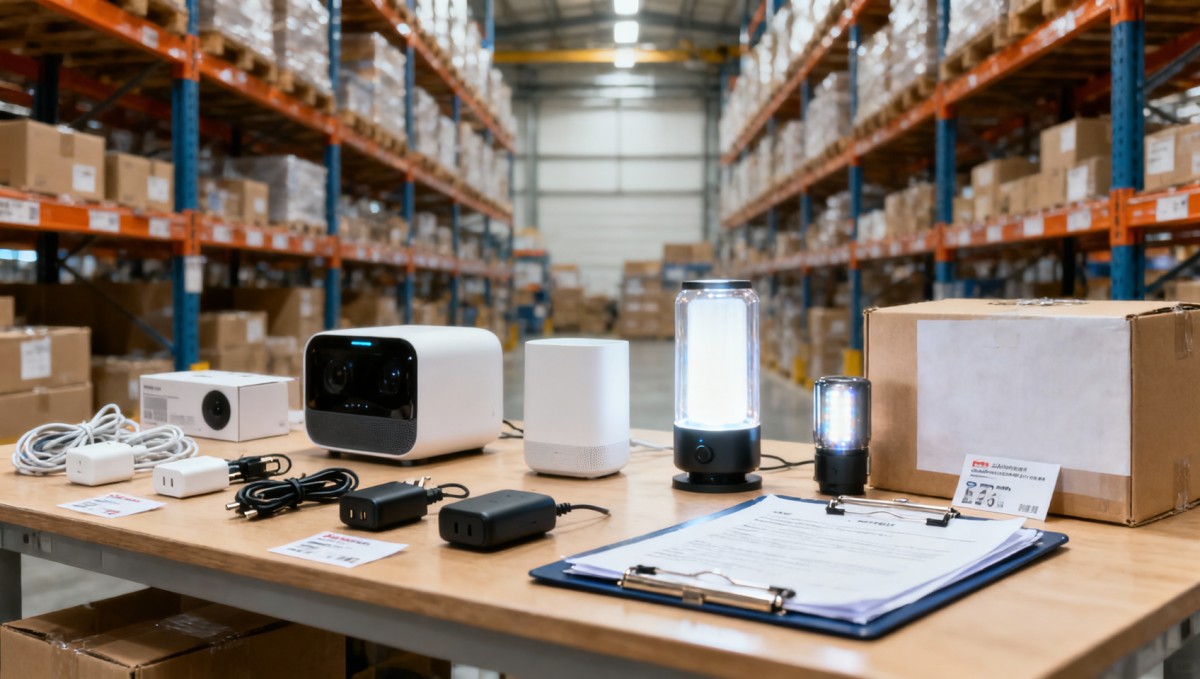
The products specifically referenced in the event summary are smart home products, charging accessories, and LED lighting, all framed as fast-moving hardware categories. The summary also confirms that importers in the European Union and Australia need to re-examine the compliance of supplier marketing language.
Why the impact reaches beyond food delivery
Platform sellers face closer review of promotional wording
Analysis shows that sellers of smart hardware and small appliances may be affected not because the products themselves are newly restricted, but because the way discounts, subsidies, and price advantages are presented can become a compliance issue. The immediate business link is listing content, campaign language, promotional banners, and any supplier-provided claim used to support platform sales activity.
Exporters and manufacturers need tighter coordination with channel partners
From an industry perspective, manufacturers and exporters serving cross-border platforms may need to pay closer attention to how downstream sellers describe discounts and subsidy arrangements. Where factories, brand owners, or trading companies provide suggested copy, campaign materials, or pricing justifications, the compliance risk can move upstream into contract review, document retention, and approval workflows for marketing content.
Importers and sourcing teams may expand supplier due diligence
Observably, the summary places EU and Australian importers in a position where supplier review is not limited to product specifications or shipment readiness. What deserves closer attention is whether sourcing teams begin treating promotional statements, advertised subsidy language, and price-comparison claims as part of supplier assessment, alongside routine checks on technical files, conformity records, and commercial documents.
Service providers may see compliance requests broaden
For supply chain service firms, testing-related businesses, and after-sales support providers, the practical effect may appear in documentation requests rather than in technical rule changes. Analysis shows that customers could ask for clearer supporting materials around product descriptions, claim consistency, and traceability of sales representations, particularly when a product is sold through high-frequency discount campaigns.
What companies should watch next
Review marketing claims together with product files
It is more appropriate to understand this development as a signal to review commercial language and compliance materials together. Companies involved in smart home devices, charging accessories, LED lighting, and similar fast-turn categories should compare listing claims, subsidy wording, and promotional scripts with the product and transaction materials they already maintain.
Track follow-up wording from platforms and regulators
Because the input does not provide detailed enforcement criteria, companies should not assume a settled implementation standard. What deserves closer attention is any follow-up clarification in platform rules, seller notices, or regulatory wording that may refine how misleading subsidy claims or extreme low-price tactics are assessed in practice.
Pay attention to cross-border supplier communications
Analysis shows that one sensitive area is the handoff between supplier, trader, and platform operator. If discount claims are drafted by one party and published by another, responsibility may become harder to separate. Businesses may therefore want to keep cleaner internal records on who approved campaign language, what evidence supports price claims, and whether overseas buyers have asked for revised wording.
Prepare for compliance questions from overseas buyers
For suppliers serving importers in the European Union and Australia, the event summary suggests a practical need to revisit how products are marketed, not only how they are manufactured or shipped. That may affect quotation packs, promotional attachments, and customer-facing statements used during procurement and replenishment discussions.
How this signal should be read for now
Observably, this is not just a narrow food delivery issue in market communication terms. The more relevant industry reading is that regulators are reinforcing a broader compliance boundary around subsidy narratives and price-led promotion, and that this boundary may matter for cross-border consumer hardware categories sold through large platforms. At the same time, the current input does not establish a full enforcement framework for those hardware categories, so this should not be treated as a completed market-wide rule change with fixed outcomes.
A practical reading for the hardware trade
The industry significance of this event lies in the extension of enforcement logic rather than in a newly stated product ban, technical standard, or certification requirement. For now, it is more appropriate to understand the development as an execution signal: companies in cross-border smart hardware and small appliance trade should watch how subsidy-related compliance language begins to affect listings, supplier reviews, and buyer expectations. The rule direction is visible, but the detailed operating boundary still requires continued observation.
Basis of this article
This article is generated from the user-provided news title, event date, and event summary. For developments of this type, commonly relevant source categories include official regulatory notices, releases from supervisory authorities, trade or customs-related updates, industry association information, standard-setting documents, and reporting by established business media. A specific official source link was not provided in the input, so the exact primary publication channel still needs to be verified. Follow-up observation should focus on detailed implementation language, platform enforcement wording, buyer-side compliance practice, and market feedback from affected companies.
 When an export market analysis platform can validate demand in a new marketExport market analysis platform insights help validate new-market demand through buyer fit, regulations, logistics, competition, and profitable entry conditions.
 What is driving the beauty and personal care market in the USA?Beauty and personal care in USA is driven by targeted solutions, selective premiumization, digital discovery, clean-label trust, diverse needs, and compliance. Explore key growth opportunities.
 How trade flow monitoring reports reveal changing regional demandTrade flow monitoring reports reveal changing regional demand through import volumes, sourcing shifts, product mix, logistics signals, and regulatory trends. Explore actionable market insights.
 How international market intelligence for investors reduces market-entry riskInternational market intelligence for investors reduces market-entry risk by validating demand, regulations, logistics, and competition before capital is committed.
 How international sourcing intelligence helps identify supplier risk earlyInternational sourcing intelligence helps businesses spot supplier risks early, protect supply continuity, and make smarter global procurement decisions.
 How trade data aggregation analytics reveals emerging supplier marketsTrade data aggregation analytics reveals emerging supplier markets through export trends, input flows, logistics, and regulatory signals. Discover smarter sourcing insights.
 What industrial cluster monitoring in Vietnam reveals about site riskIndustrial cluster monitoring Vietnam reveals hidden site risks across labor, utilities, logistics, compliance, and supplier dependencies. Make smarter sourcing and expansion decisions.
 Food Technology Trends Reshaping Shelf Life, Safety, and Product InnovationFood technology is reshaping shelf life, safety, and innovation. Discover the trends helping food businesses cut risk, improve compliance, and unlock stronger global market growth.
 How electronics manufacturing services are changing with low-volume demandElectronics manufacturing services are evolving fast with low-volume demand. Learn how agile EMS partners improve flexibility, compliance, sourcing resilience, and speed to market.
 How Can Buyers Reduce Procurement Risks for Electronic Components?How to reduce procurement risks for electronic components: learn how buyers assess traceability, lead times, compliance, and supplier types to avoid costly sourcing mistakes.
 What Sourcing Intelligence India Reveals About Supplier Risk and Cost ShiftsSourcing intelligence India reveals hidden supplier risk, compliance gaps, logistics pressure, and real cost shifts—helping buyers compare vendors smarter and source with more confidence.
 Fashion Trends 2026: Which Materials, Colors, and Silhouettes Are Gaining Ground?Fashion trends 2026 spotlight tactile fabrics, mineral colors, and controlled volume. Explore the materials, shades, and silhouettes shaping smarter, more wearable style.
 Smart Device Market Outlook: Key Growth Drivers, Segments, and Business OpportunitiesSmart device market trends are shifting toward system value, industrial demand, and resilient supply chains. Explore key growth drivers, high-potential segments, and business opportunities.
 How Global Trade Intelligence Services Help B2B Firms Evaluate Markets and SuppliersGlobal trade intelligence services help B2B firms compare suppliers, assess market potential, and uncover compliance, logistics, and pricing risks before costly decisions are made.
 Manufacturing Sector Updates for Investors: What Signals Matter Most in 2025?Manufacturing sector updates for investors in 2025: track orders, margins, supply chains, regulation, and exports to spot resilient manufacturers and smarter investment signals.
 How Energy Market Intelligence Helps Businesses Track Price Risks and Demand ShiftsEnergy market intelligence helps businesses spot price risks, demand shifts, and supply pressure early—improving procurement, resilience, and faster strategic decisions.
 Precision Hardware Tools Market: Key Demand Drivers, Segments, and Growth OutlookPrecision hardware tools market trends are reshaping sourcing, compliance, and automation. Explore key demand drivers, segment shifts, regional supply patterns, and growth opportunities.
 How to Use Customs Import Data to Find Buyers, Track Competitors, and Spot Demand?Customs import data helps you find real buyers, track competitors, and spot demand shifts early. Learn practical ways to turn trade records into smarter global business decisions.
 Manufacturing Cost Analysis: 8 Cost Drivers That Change Your Unit PriceManufacturing cost analysis explained through 8 key cost drivers that impact unit price, supplier stability, and margins—learn how to compare quotes smarter and reduce sourcing risk.
 Industrial Market Realities: What Buyers Should Check Before Comparing Supplier QuotesIndustrial market realities shape every supplier quote beyond unit price. Learn what to check on compliance, lead times, logistics, and hidden cost risks before comparing offers.
 Beverage Production Line Planning: Key Equipment, Capacity, and Hygiene RequirementsBeverage production line planning made practical: discover key equipment, real capacity sizing, and hygiene requirements to improve efficiency, safety, and long-term plant performance.





















Global Trade Insights & Industry
Our mission is to empower global exporters and importers with data-driven insights that foster strategic growth.
Search News
Popular Tags
Industry Overview
The global commercial kitchen equipment market is projected to reach $112 billion by 2027. Driven by urbanization, the rise of e-commerce food delivery, and strict hygiene regulations.