

ITC Opens 337 Probe Into Fall-Detection Wearables
On August 12, 2026, the U.S. International Trade Commission (ITC) formally opened a Section 337 investigation into wearable devices with fall-detection functions and related components. Because these products are used in elderly care, rehabilitation medicine, and smart health monitoring, the move deserves close attention beyond a routine trade update: it introduces a new compliance and intellectual property checkpoint for exporters entering the U.S. market and may also affect product screening, sourcing, and delivery decisions for distributors, channel partners, and medical technology buyers.
What has been formally confirmed
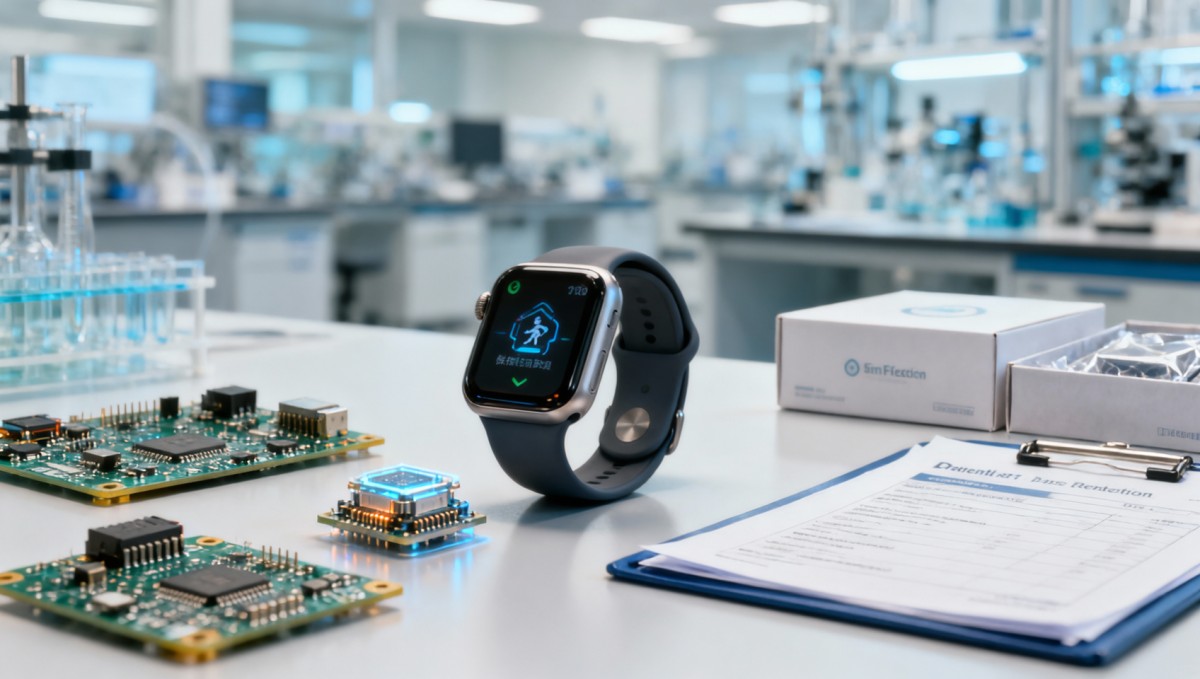
The confirmed facts are limited but commercially significant. The ITC launched the 337 investigation on August 12, 2026, and the scope covers wearable devices equipped with fall-detection functionality as well as their components. The products involved are described as being widely used in elderly care, rehabilitation medical applications, and smart health monitoring. It is also confirmed that the investigation will directly affect the compliance pathway for relevant Chinese exporters seeking access to the U.S. market, their patent risk assessment, and their supply chain response strategies. In addition, the development has substantive implications for product admission decisions by overseas distributors, channel operators, and medical technology procurement parties.
Where the pressure is likely to appear first
Export-facing product access may become more document-driven
From an industry perspective, exporters are likely to feel the impact first because a 337 investigation changes the practical entry environment for products already tied to a specific technical function. The pressure may show up in product classification review, supporting technical documentation, internal patent screening, and shipment planning. What deserves closer attention is not only whether a product is sold as a wearable, but whether the fall-detection function and related components become central to compliance review and transaction decisions.
Distributors and channel partners may tighten intake standards
For overseas distributors and channel businesses, the main issue is operational exposure. If a product category becomes the subject of a formal trade investigation, channel participants may reassess onboarding criteria, supplier review steps, and inventory commitments. Analysis shows that these parties may pay closer attention to technical descriptions, component traceability, and the completeness of supporting records before making listing or replenishment decisions, even where no final enforcement outcome has yet been stated in the provided information.
Medical technology buyers may reassess procurement timing and supplier review
Procurement teams serving elderly care, rehabilitation, and health-monitoring applications may also be affected because product access questions can influence purchasing continuity. Observably, the immediate concern is less about broad market demand and more about whether supplier qualification files, product specifications, and delivery assurances remain sufficient under a more sensitive trade and compliance environment. In practice, this can affect sourcing rhythm, approval steps, and vendor comparison.
Supply chain service providers may need to prepare for response volatility
Supply chain service providers, including those supporting delivery coordination and documentation flow, may face a more variable execution environment. The reason is straightforward: once market access risk becomes more visible, requests related to shipment sequencing, documentation completeness, and supplier-side clarification can increase. Analysis shows that even without confirmed downstream measures in the input, the investigation itself is enough to justify closer monitoring of order handling and cross-border delivery arrangements.
Practical issues companies should watch now
Review how fall-detection functions are described in technical materials
What deserves closer attention is whether product literature, component descriptions, and technical files clearly and consistently define the fall-detection function. Where the commercial value of a product is closely tied to that function, mismatched descriptions across catalogs, declarations, test materials, or procurement files may create avoidable review friction.
Strengthen internal patent-risk screening before shipment commitments
Analysis shows that patent-risk assessment should now move closer to front-end trade decisions for companies involved in the affected category. The provided facts do not establish any final liability outcome, but they do indicate that patent exposure is no longer a background issue for this product segment. That makes pre-shipment legal review, internal escalation triggers, and model-by-model documentation discipline more relevant.
Recheck supplier qualification and component traceability
For manufacturers, assemblers, and sourcing teams, this development is more appropriately understood as a prompt to revisit supplier files and component records tied to the investigated products. If downstream buyers begin asking for clearer origin, component, or technical support records, companies with weak traceability may face slower approvals or more procurement questions.
Watch for changes in procurement language and delivery expectations
Observably, buyers and channels may start adjusting tender wording, product admission conditions, or supplier undertakings even before any broader market consensus forms. Companies should therefore watch closely for changes in bid documents, purchasing checklists, after-sales commitments, and delivery terms related to affected wearable devices and components. The current information does not confirm any uniform execution standard, so this remains an area for active monitoring rather than assumption.
Why this looks more like an execution signal than a settled outcome
Analysis shows that this development is best read as a concrete enforcement signal rather than a completed rule outcome. The formal opening of a 337 investigation matters because it can alter how market participants evaluate entry risk, patent exposure, and transaction readiness in the near term. At the same time, the provided information does not include final determinations, detailed enforcement consequences, or a complete procedural path. For that reason, it is more appropriate to understand this as a live regulatory and trade development that requires ongoing observation, especially in relation to official wording, buyer reactions, and any changes in compliance interpretation.
How the market should read this development now
At this stage, the industry significance lies in the shift from abstract risk to a formal trade investigation affecting a defined functional product category. For exporters, channels, and procurement parties connected to fall-detection wearables, the immediate value of this update is that it identifies where closer scrutiny may emerge: compliance pathway planning, patent-risk review, supplier screening, and delivery coordination. A balanced reading is that the event should not yet be treated as a final market outcome, but it should be taken seriously as an operational signal with potential effects across trade, sourcing, and product admission decisions.
Basis of this article and what still needs verification
This article is generated on the basis of the user-provided news title, event date, and event summary. For developments of this kind, commonly relevant source types may include official announcements, regulator releases, customs or trade authority information, industry association updates, standards body materials, and reporting by established media. No specific official source link was provided in the input, so the underlying official reference path still needs to be verified on an ongoing basis. Observably, the areas that warrant continued tracking include any later procedural detail, shifts in compliance interpretation, procurement document changes, market feedback, and how affected companies adjust execution in practice.
 How an industrial trade intelligence dashboard can identify new supplier marketsDiscover how an industrial trade intelligence dashboard helps identify new supplier markets by comparing capacity, landed cost, logistics resilience, and compliance risk.
 Which global market entry barriers should exporters assess first?Global market entry barriers exporters should assess first: tariffs, compliance, buyer qualification, logistics, and payment risk. Build a practical strategy for confident market entry.
 How trade data aggregation analytics can reveal emerging supplier marketsTrade data aggregation analytics reveals emerging supplier markets by connecting trade flows, capacity signals, logistics, and compliance insights for smarter sourcing decisions.
 When an export market analysis platform can validate demand in a new marketExport market analysis platform insights help validate new-market demand through buyer fit, regulations, logistics, competition, and profitable entry conditions.
 What is driving the beauty and personal care market in the USA?Beauty and personal care in USA is driven by targeted solutions, selective premiumization, digital discovery, clean-label trust, diverse needs, and compliance. Explore key growth opportunities.
 How trade flow monitoring reports reveal changing regional demandTrade flow monitoring reports reveal changing regional demand through import volumes, sourcing shifts, product mix, logistics signals, and regulatory trends. Explore actionable market insights.
 How international market intelligence for investors reduces market-entry riskInternational market intelligence for investors reduces market-entry risk by validating demand, regulations, logistics, and competition before capital is committed.
 How international sourcing intelligence helps identify supplier risk earlyInternational sourcing intelligence helps businesses spot supplier risks early, protect supply continuity, and make smarter global procurement decisions.
 How trade data aggregation analytics reveals emerging supplier marketsTrade data aggregation analytics reveals emerging supplier markets through export trends, input flows, logistics, and regulatory signals. Discover smarter sourcing insights.
 What industrial cluster monitoring in Vietnam reveals about site riskIndustrial cluster monitoring Vietnam reveals hidden site risks across labor, utilities, logistics, compliance, and supplier dependencies. Make smarter sourcing and expansion decisions.
 Food Technology Trends Reshaping Shelf Life, Safety, and Product InnovationFood technology is reshaping shelf life, safety, and innovation. Discover the trends helping food businesses cut risk, improve compliance, and unlock stronger global market growth.
 How electronics manufacturing services are changing with low-volume demandElectronics manufacturing services are evolving fast with low-volume demand. Learn how agile EMS partners improve flexibility, compliance, sourcing resilience, and speed to market.
 How Can Buyers Reduce Procurement Risks for Electronic Components?How to reduce procurement risks for electronic components: learn how buyers assess traceability, lead times, compliance, and supplier types to avoid costly sourcing mistakes.
 What Sourcing Intelligence India Reveals About Supplier Risk and Cost ShiftsSourcing intelligence India reveals hidden supplier risk, compliance gaps, logistics pressure, and real cost shifts—helping buyers compare vendors smarter and source with more confidence.
 Fashion Trends 2026: Which Materials, Colors, and Silhouettes Are Gaining Ground?Fashion trends 2026 spotlight tactile fabrics, mineral colors, and controlled volume. Explore the materials, shades, and silhouettes shaping smarter, more wearable style.
 Smart Device Market Outlook: Key Growth Drivers, Segments, and Business OpportunitiesSmart device market trends are shifting toward system value, industrial demand, and resilient supply chains. Explore key growth drivers, high-potential segments, and business opportunities.
 How Global Trade Intelligence Services Help B2B Firms Evaluate Markets and SuppliersGlobal trade intelligence services help B2B firms compare suppliers, assess market potential, and uncover compliance, logistics, and pricing risks before costly decisions are made.
 Manufacturing Sector Updates for Investors: What Signals Matter Most in 2025?Manufacturing sector updates for investors in 2025: track orders, margins, supply chains, regulation, and exports to spot resilient manufacturers and smarter investment signals.
 How Energy Market Intelligence Helps Businesses Track Price Risks and Demand ShiftsEnergy market intelligence helps businesses spot price risks, demand shifts, and supply pressure early—improving procurement, resilience, and faster strategic decisions.
 Precision Hardware Tools Market: Key Demand Drivers, Segments, and Growth OutlookPrecision hardware tools market trends are reshaping sourcing, compliance, and automation. Explore key demand drivers, segment shifts, regional supply patterns, and growth opportunities.
 How to Use Customs Import Data to Find Buyers, Track Competitors, and Spot Demand?Customs import data helps you find real buyers, track competitors, and spot demand shifts early. Learn practical ways to turn trade records into smarter global business decisions.





















Global Trade Insights & Industry
Our mission is to empower global exporters and importers with data-driven insights that foster strategic growth.
Search News
Popular Tags
Industry Overview
The global commercial kitchen equipment market is projected to reach $112 billion by 2027. Driven by urbanization, the rise of e-commerce food delivery, and strict hygiene regulations.