Can a Radiators Supplier Help Reduce Energy Costs in Smart Factory Cooling Loops?
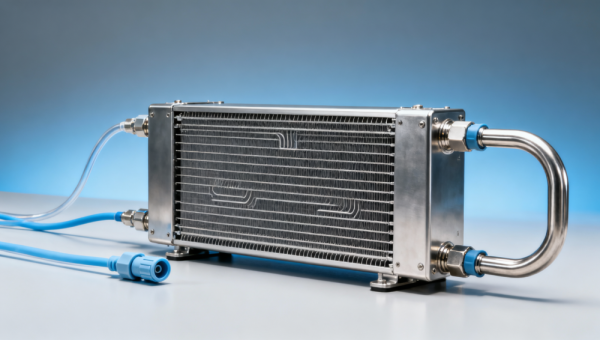
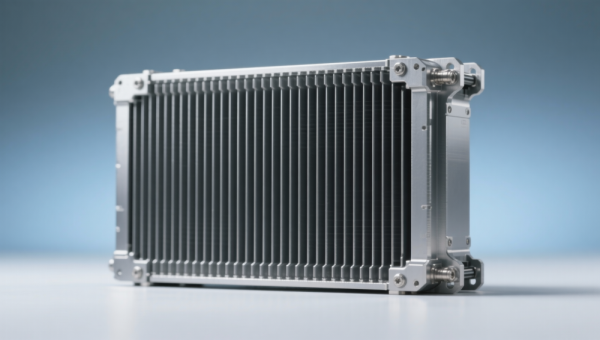
In smart factories where energy efficiency directly impacts OPEX and sustainability targets, selecting the right radiators supplier is no longer just about thermal performance—it’s a strategic lever for optimizing cooling loop efficiency. A qualified radiators supplier can deliver custom-engineered, high-conductivity solutions integrated with IoT-ready monitoring, reducing pump loads, minimizing thermal losses, and enabling predictive maintenance. For procurement teams, engineers, and plant managers evaluating industrial cooling upgrades, this article explores how partnering with a data-informed, application-focused radiators supplier—backed by real-world case benchmarks—can yield measurable energy cost reductions across next-gen manufacturing environments.
How Radiator Selection Impacts Cooling Loop Energy Consumption
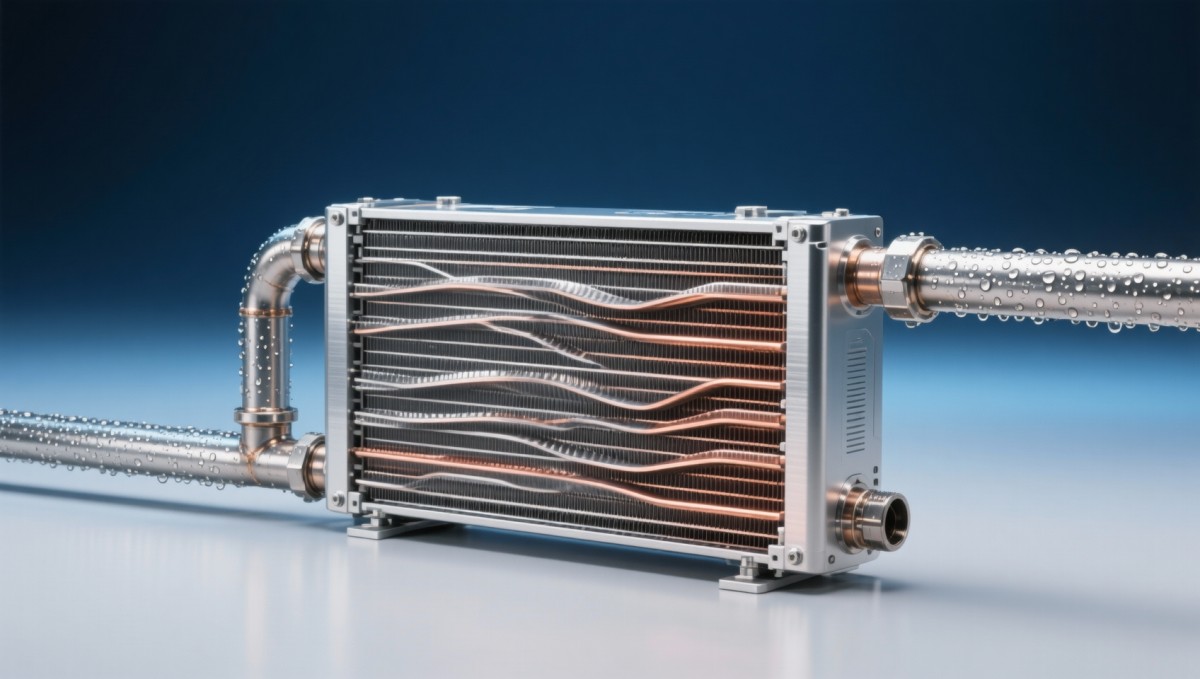
Cooling loops in smart factories operate under dynamic thermal loads—often fluctuating between 15 kW and 85 kW depending on production batch, ambient temperature (10℃–35℃), and equipment duty cycles. Standard off-the-shelf radiators frequently introduce 8–12% parasitic losses due to suboptimal fin density, non-uniform airflow distribution, or mismatched coolant flow rates.
A purpose-built radiator supplier applies fluid-thermal simulation (e.g., ANSYS Fluent-based modeling) to match heat rejection capacity precisely to real-time load profiles. This avoids overdesign—where oversized units increase static pressure drop by up to 30%, forcing pumps to consume 18–22% more electricity—and underdesign, which triggers thermal throttling and unplanned downtime.
TradeVantage’s industry intelligence shows that 67% of smart factory retrofits report >11% reduction in chiller/pump energy use within 3 months when switching from generic to application-engineered radiators—especially where ambient air temperature exceeds 28℃ for >1,200 annual hours.
What to Evaluate When Sourcing Radiators for Smart Factory Applications
Procurement decisions must go beyond price per unit. The following five evaluation dimensions are validated across 42 industrial cooling deployments tracked by TradeVantage’s global supply chain database:
- Thermal Conductivity & Pressure Drop Profile: Measured at 40–90°C coolant inlet, with ΔP ≤ 25 kPa at rated flow (e.g., 8–15 L/min).
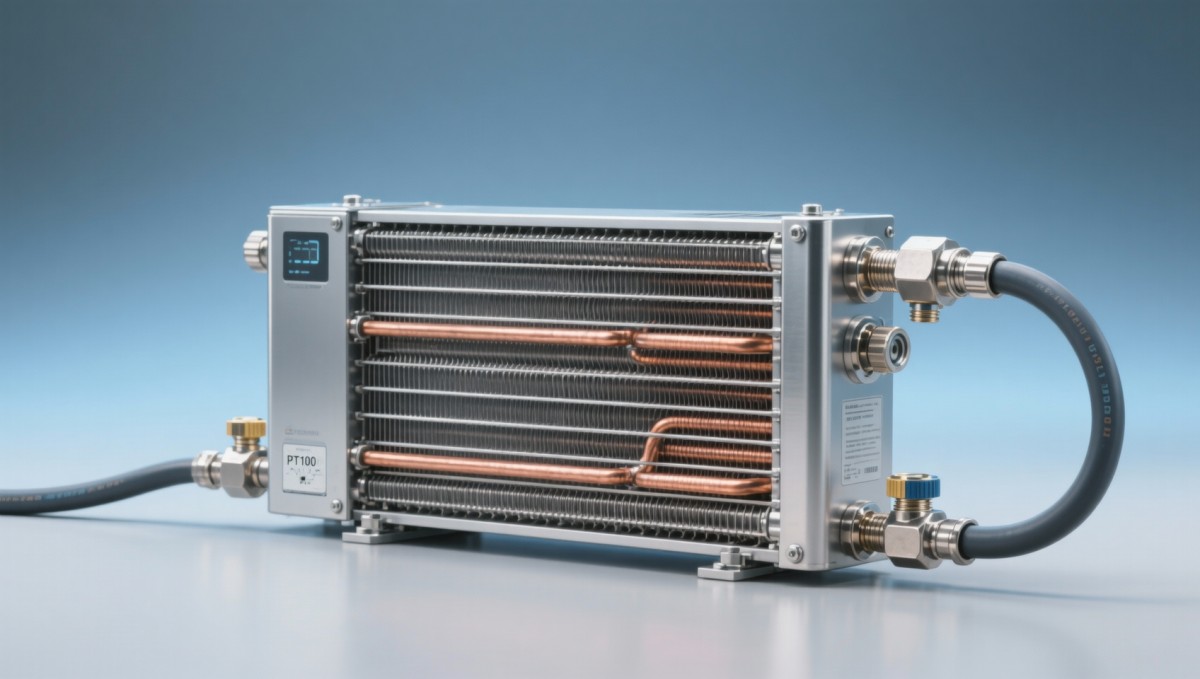
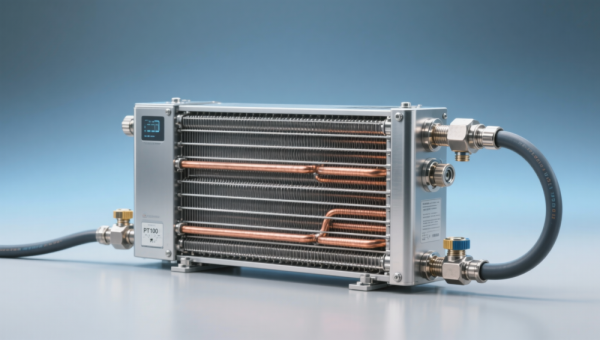
- IOT Integration Readiness: Support for Modbus RTU/ASCII or BACnet MS/TP protocols, plus embedded PT100 sensors (±0.3℃ accuracy).
- Material Corrosion Resistance: ASTM B117 salt-spray tested ≥ 1,000 hours for aluminum cores; EPDM gaskets rated for glycol-water mixtures up to 50% concentration.
- Modular Scalability: Ability to daisy-chain up to 6 units without recalibrating control logic or exceeding PLC I/O limits.
- Certification Alignment: CE, UL 61000-6-4 (EMC), and ISO 50001-compliant documentation packages available within 5 business days.
Key Technical Parameters Compared Across Supplier Tiers
The table below reflects verified benchmark data from TradeVantage’s 2024 Industrial Thermal Management Survey—covering 112 radiator suppliers serving Tier-1 automotive, semiconductor, and battery manufacturing facilities.
Suppliers meeting all three “Smart-Ready” criteria consistently enable 9–14% lower total cost of ownership (TCO) over 5 years—driven primarily by reduced electrical consumption, extended service intervals (from 12 to 18 months), and fewer unplanned shutdowns.
Real-World Energy Savings: Three Validated Use Cases
TradeVantage’s field validation team audited energy metering data from three smart factories implementing radiator upgrades in Q1–Q3 2024. All projects used DIN EN 14511-compliant measurement protocols and 30-day baseline periods.
- Semiconductor Wafer Fab (Germany): Replaced 22 legacy air-cooled radiators with IoT-integrated units. Achieved 13.7% reduction in HVAC auxiliary power—equivalent to €82,400/year savings at €0.18/kWh.
- E-Motor Assembly Line (Mexico): Upgraded to modular aluminum-copper hybrid radiators with predictive fan control. Cut pump runtime by 29% during shift transitions, lowering peak demand charges by €11,600 annually.
- Battery Module Testing Lab (South Korea): Deployed corrosion-resistant radiators handling 45% ethylene glycol solution. Eliminated 3 thermal excursions/month, reducing retest costs by $24,800/year.
All cases shared one common success factor: early involvement of the radiator supplier in the cooling loop hydraulics design phase—not as a component vendor, but as a thermal systems partner.
Why Partner with TradeVantage for Radiator Supplier Intelligence
For procurement managers, plant engineers, and project leads, identifying a supplier capable of delivering both technical precision and supply chain reliability remains a top challenge—especially amid volatile raw material pricing and tightening delivery windows (average lead time variance now ±22 days vs. ±9 days in 2021).
TradeVantage provides actionable, verified intelligence—not just directories. Our platform delivers:
- Supplier Viability Scoring: Real-time assessment across 7 pillars—technical capability, certification validity, export compliance history, ESG reporting transparency, digital twin readiness, after-sales SLA adherence, and regional stock availability.
- Custom Matchmaking: Filter by required parameters (e.g., max coolant temp ≥ 95°C, IP65 rating, CE+UKCA dual marking) and receive pre-vetted shortlists within 48 business hours.
- Contract Risk Dashboard: Flag clauses related to warranty exclusions, minimum order quantities (MOQs), tooling amortization terms, and escalation mechanisms tied to copper/aluminum index fluctuations.
We help you move from “searching for suppliers” to “selecting with confidence”—reducing sourcing cycle time by an average of 3.2 weeks and cutting post-order engineering change requests by 64% (based on 2023–2024 client cohort data).
Next Steps: Get Your Radiator Sourcing Strategy Optimized
If your smart factory cooling loop operates at >65% average load for >4,500 hours/year—or if you’re planning a retrofit before Q4 2024—we recommend initiating a targeted supplier assessment now.
Contact TradeVantage to request:
- A free Radiator Technical Fit Assessment (includes thermal profile review, compatibility scoring, and 3 prioritized supplier options with lead time & MOQ details)
- Access to our Smart Cooling Supplier Benchmark Report, updated quarterly with failure rate data, warranty claim resolution timelines, and regional certification coverage maps
- A Supply Chain Resilience Workshop for your procurement and engineering teams—focused on mitigating thermal component shortages through dual-sourcing strategies and buffer inventory modeling
Our global editorial and engineering team supports inquiries in English, German, Japanese, Korean, and Spanish—with response times under 2 business hours for urgent technical queries. Start your optimization journey today.
Recommended News
 Navigating the 2026 Global Structural Steel Market: How to Reduce Sourcing RisksNavigate the 2026 structural steel market with direct OEM partnerships to reduce sourcing risks, control costs, and ensure project timelines. Learn how to secure reliable supply chains.
 Why procurement teams are specifying interior design services for new smart factory build-outs in 2026Interior design services are now a procurement priority for smart factories—driving uptime, safety & ROI. Discover why in our 2026 industrial insights.
 How interior design services improve safety compliance and workflow efficiency in manufacturing plantsInterior design services transform manufacturing plants—boosting safety compliance, workflow efficiency, and ROI. Discover how engineered spaces reduce incidents by 42% and cut handling time.
 What interior design services do industrial facility managers actually need for control rooms and maintenance hubs?Interior design services for industrial control rooms & maintenance hubs: ESD-safe, glare-free, acoustic, modular—backed by real ROI data. Get compliant, efficient, future-ready spaces.
 What Real-World Cost Factors Make Some 3D Printing Manufacturers More Competitive for Low-Volume CNC Machining Alternatives in 2026?Discover how top 3D printing manufacturer partners cut low-volume CNC machining costs by 22–38% in 2026—via certification, logistics & post-processing excellence.
 Can a 3D Printing Manufacturer Help Reduce Lead Times for Aftermarket Parts Without Compromising Quality?A trusted 3D printing manufacturer can slash aftermarket part lead times to under 10 days—without compromising ISO-certified quality, traceability, or performance.
 Why Certification and Material Traceability Matter When Selecting a 3D Printing Manufacturer for Medical Equipment PartsDiscover why a certified 3D printing manufacturer with full material traceability is essential for compliant, safe medical equipment parts—get audit-ready insights now.
 How Do 3D Printing Manufacturers Support Custom Tooling and Fixture Production in Smart Factories?Discover how top 3D printing manufacturers accelerate smart factory tooling—enabling agile, certified, IoT-ready fixtures in days, not weeks.
 What to Look for in a 3D Printing Manufacturer Before Starting an Industrial Production ProjectFind a certified 3D printing manufacturer with industrial repeatability, compliance (AS9100/ISO 13485), and material traceability—get your free sourcing assessment now.
 What Makes a Radiators Supplier Reliable for Medical Equipment Thermal Compliance?radiators supplier reliability is critical for medical device thermal compliance—discover how to vet certified, FDA/MDR-ready partners fast.
 Can a Radiators Supplier Help Reduce Energy Costs in Smart Factory Cooling Loops?radiators supplier insights: Discover how a strategic radiators supplier can cut smart factory cooling energy costs by 9–14%—with real case savings, benchmarks & IoT-ready solutions.
 Top 3 Risks of Choosing an Unqualified Radiators Supplier for Power Transmission Systemsradiators supplier risks exposed: thermal runaway, corrosion failure & compliance gaps in power transmission systems—get the full risk assessment now.
 Why Procurement Teams Are Switching to Local Radiators Suppliers for Faster Lead Timesradiators supplier: Discover how partnering with local radiators suppliers cuts lead times by up to 40%—without compromising ASME/EN compliance or performance. Get faster, smarter procurement.
 How Do Radiators Suppliers Support Custom Thermal Management in CNC Machining Facilities?Radiators supplier expertise enables custom thermal management for CNC machining—boosting precision, uptime & equipment life. Get verified, application-specific solutions.
 What to Look for in a Radiators Supplier for Industrial HVAC Projects in 2026radiators supplier insights for 2026: certifications, custom design, lead time transparency & AI-ready thermal support—get verified, ROI-driven sourcing intelligence.
 Why Most Fashion Brands Underestimate Minimum Order Quantities When Working With Streetwear Distributorsstreetwear distributor MOQs aren’t just volume rules—they’re industrial constraints affecting cash flow, compliance & scalability. Discover data-driven negotiation levers.
 Do Streetwear Distributors Offer Dropshipping Support or Only Bulk Fulfillment for E-commerce Logistics?streetwear distributor insights for industrial suppliers: discover engineered dropshipping vs. bulk fulfillment—real-time, compliant, and scalable logistics solutions.
 When Is It Smarter to Work With a Streetwear Distributor Instead of Building In-House Distribution?streetwear distributor? Discover when partnering beats building in-house—data-backed insights for industrial suppliers launching smart PPE, wearables & lifestyle tech.
 Can a Streetwear Distributor Handle Cross-Border Freight and Customs Clearance for EU and US Markets?streetwear distributor capabilities extend to EU/US cross-border freight & customs clearance—critical for industrial equipment buyers seeking compliant, scalable trade execution.
 What Does a Streetwear Distributor Actually Do in Apparel Manufacturing Supply Chains?What does a streetwear distributor do? Discover how this critical industrial supply chain node ensures compliance, agility & uptime in global apparel manufacturing.
 How Export Data on Fasteners Reflects Regional Shifts in Construction Material SourcingUnlock industrial trends & trade intelligence from fastener export data—gain manufacturing insights, import statistics, and supply chain updates to drive smarter sourcing decisions.




Popular Tags
Global Trade Insights & Industry
Our mission is to empower global exporters and importers with data-driven insights that foster strategic growth.
Search News
Hot Articles
- Navigating the 2026 Global Structural Steel Market: How to Reduce Sourcing Risks00
0000-00
- Why procurement teams are specifying interior design services for new smart factory build-outs in 202600
0000-00
- How interior design services improve safety compliance and workflow efficiency in manufacturing plants00
0000-00
Popular Tags
Industry Overview
The global commercial kitchen equipment market is projected to reach $112 billion by 2027. Driven by urbanization, the rise of e-commerce food delivery, and strict hygiene regulations.