

Do air filters for home really reduce indoor dust?
Dust on shelves, furniture, and floors can make any home feel harder to keep clean.
But can air filters for home actually reduce it?
The short answer is yes, when the right filter is matched with proper airflow, regular maintenance, and realistic expectations.
Indoor dust comes from fabric fibers, skin cells, pet dander, pollen, soil particles, smoke residue, and outdoor air leakage.
This guide explains how air filters for home work, what they remove, and how to choose a practical setup.
Why air filters for home can reduce visible dust
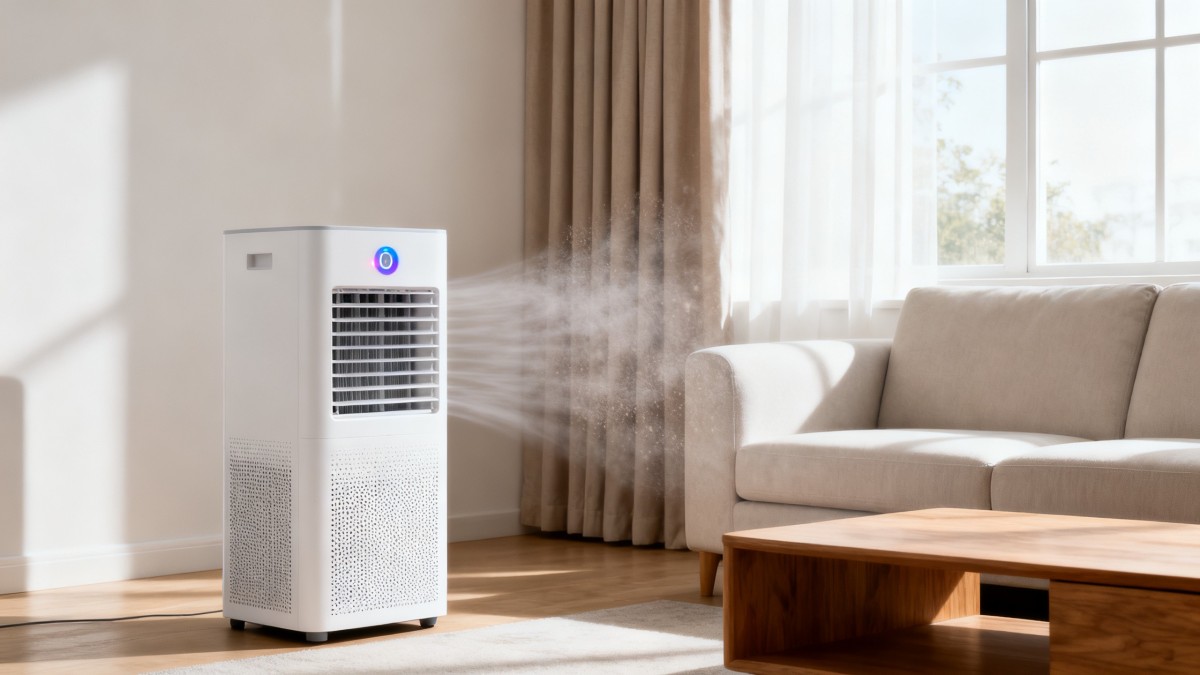
Dust reduction depends on capturing airborne particles before they settle on surfaces.
Air filters for home pull room air through a filter media that traps particles by size, density, and airflow behavior.
Larger dust flakes often settle quickly, especially near textiles, vents, windows, and high-traffic floors.
Smaller particles stay suspended longer, which gives filtration systems more opportunity to capture them.
That is why air filters for home help most when they run consistently in occupied rooms.
They do not eliminate dust sources, but they reduce the amount circulating through indoor air.
Why a checklist matters before buying
A filter purchase looks simple, but indoor dust control is a system problem.
Room size, filter rating, fan strength, leakage, cleaning habits, and replacement timing all affect results.
A checklist prevents overspending on features that do not solve the actual dust pattern.
It also helps compare air filters for home using measurable performance instead of marketing claims.
The goal is not a dust-free house.
The goal is lower airborne dust, cleaner breathing zones, and less frequent surface buildup.
Core checklist for choosing air filters for home
- Measure the room first, then choose a unit with enough clean air delivery for the actual space.
- Check the filter type, prioritizing true HEPA or high-efficiency media for fine dust and allergen particles.
- Confirm airflow settings, because effective air filters for home must move air without becoming too noisy.
- Place the unit away from curtains, walls, and furniture so intake and outlet airflow remain unobstructed.
- Run the filter longer at moderate speed instead of using short bursts only after cleaning or cooking.
- Replace filters on schedule, especially in homes with pets, carpets, open windows, or nearby traffic.
- Inspect HVAC return filters if the home uses central air, since clogged filters reduce circulation efficiency.
- Track dust on surfaces weekly, then adjust fan speed, room placement, or cleaning frequency based on evidence.
This checklist works because it links product performance with real indoor behavior.
The best air filters for home are not always the largest or most expensive models.
They are the ones that match room conditions and stay maintained.
What air filters for home can and cannot remove
Air filters for home can capture many airborne particles linked to common household dust.
These include pollen, pet dander, lint fragments, mold spores, fine soil particles, and smoke-related particulate matter.
They are especially useful for dust that floats before settling on tables, bedding, electronics, and shelves.
However, filters cannot remove dust already resting on surfaces.
They also cannot stop new dust from entering through shoes, pets, open windows, leaky ducts, or old building gaps.
That is why air filters for home should be paired with source control.
- Use doormats and remove shoes indoors to reduce tracked soil and outdoor debris.
- Vacuum with a sealed system and quality exhaust filtration to avoid redistributing fine dust.
- Wash bedding, throws, and pet fabrics regularly because textiles release fibers during daily use.
- Seal obvious air leaks around windows, doors, and utility openings where outdoor particles enter.
Key filter terms to understand
HEPA filtration
HEPA filters are designed to capture very small airborne particles with high efficiency.
For dust control, HEPA-based air filters for home are often a strong choice for bedrooms and living areas.
MERV rating
MERV ratings are commonly used for HVAC filters.
Higher MERV ratings capture smaller particles, but very restrictive filters may reduce system airflow.
Before upgrading, check whether the HVAC system can handle the selected filter resistance.
CADR and room coverage
CADR stands for clean air delivery rate.
It helps compare how quickly air filters for home can process air in a specific room.
A high-efficiency filter with weak airflow may underperform in a large or open-plan space.
Different home scenarios and practical adjustments
Bedrooms
Bedrooms collect skin flakes, textile fibers, pollen on clothing, and dust from bedding movement.
Use air filters for home near the breathing zone, but keep airflow away from the face during sleep.
Run the unit several hours before bedtime or continuously at a quiet setting.
Pet households
Pet dander is light and can remain airborne longer than visible hair.
In these rooms, air filters for home should run daily and use replacement filters rated for dander.
Brushing pets outdoors and washing pet bedding can improve the filtration result.
Apartments near traffic
Urban apartments may receive fine outdoor particles through windows, vents, and hallway gaps.
Keep windows closed during high-pollution periods and use air filters for home in frequently occupied rooms.
A door sweep or draft strip can also reduce particle entry from shared corridors.
Homes with central HVAC
Central systems can circulate dust if return ducts, registers, or filters are neglected.
Portable air filters for home can complement HVAC filtration in rooms where dust settles fastest.
Do not block return vents, because poor circulation weakens whole-home dust management.
Common overlooked risks
Buying too small. Undersized air filters for home may run constantly but still fail to exchange enough room air.
Check room area, ceiling height, and door position before trusting coverage claims.
Ignoring noise. A loud unit often gets turned off, which makes its filtration rating irrelevant.
Compare noise levels at practical settings, not only maximum fan speed.
Delaying replacement. Dirty filters restrict airflow and may reduce dust capture efficiency.
Set calendar reminders and inspect filters sooner during pollen season or renovation work.
Expecting instant results. Dust on furniture reflects both airborne particles and direct shedding from nearby materials.
Give air filters for home at least two weeks of consistent use before judging performance.
Using ionizers carelessly. Some devices generate ozone or cause particles to stick to surfaces instead of being filtered.
Choose mechanical filtration first when the main goal is practical dust reduction.
Execution plan for cleaner indoor air
- Identify the dustiest rooms by checking dark surfaces, electronics, windowsills, and bedding over one week.
- Select air filters for home based on room size, CADR, filter type, replacement cost, and acceptable noise.
- Place each unit where air can circulate freely, preferably near the main activity area or dust source.
- Run the unit daily, using higher speed after vacuuming, cooking, window opening, or heavy indoor activity.
- Combine filtration with damp dusting, sealed vacuuming, washable textiles, and reduced outdoor particle entry.
- Review results after two weeks, then adjust placement, speed, or maintenance intervals based on visible dust.
This plan keeps the process measurable.
It also avoids the common mistake of treating air filters for home as a one-step solution.
Indoor air quality improves when filtration, source control, and cleaning routines support each other.
Summary and next step
So, do air filters for home really reduce indoor dust?
Yes, when they capture suspended particles before those particles settle across rooms.
The strongest results come from correct sizing, efficient media, steady airflow, and disciplined filter replacement.
They work best alongside vacuuming, textile washing, entryway control, leak sealing, and smart window use.
For a practical start, choose one dusty room and test a well-sized unit for two weeks.
Record surface dust, comfort, noise, and filter condition before expanding to other areas.
That evidence-based approach makes air filters for home a useful part of cleaner, healthier indoor living.
 When dual sourcing makes sense in a sourcing strategy for manufacturersSourcing strategy for manufacturers: learn when dual sourcing strengthens supply continuity, reduces disruption risk, and protects production without adding unnecessary complexity.
 How bulk commodities pricing affects long-term supply contractsBulk commodities pricing shapes long-term supply contracts through index rules, freight, quality, volume, and currency risk. Explore strategies for resilient costs and supply security.
 Which global manufacturing trends by sector matter most for sourcing plans?Global manufacturing trends by sector: identify sourcing risks, supplier resilience, compliance demands, and cost drivers to build smarter, more reliable procurement plans.
 What industrial trade intelligence pricing should include before you subscribeIndustrial trade intelligence pricing explained: compare coverage, data quality, access rights, and workflow value before choosing a subscription that supports smarter trade decisions.
 How an industrial trade intelligence dashboard can identify new supplier marketsDiscover how an industrial trade intelligence dashboard helps identify new supplier markets by comparing capacity, landed cost, logistics resilience, and compliance risk.
 Which global market entry barriers should exporters assess first?Global market entry barriers exporters should assess first: tariffs, compliance, buyer qualification, logistics, and payment risk. Build a practical strategy for confident market entry.
 How trade data aggregation analytics can reveal emerging supplier marketsTrade data aggregation analytics reveals emerging supplier markets by connecting trade flows, capacity signals, logistics, and compliance insights for smarter sourcing decisions.
 When an export market analysis platform can validate demand in a new marketExport market analysis platform insights help validate new-market demand through buyer fit, regulations, logistics, competition, and profitable entry conditions.
 What is driving the beauty and personal care market in the USA?Beauty and personal care in USA is driven by targeted solutions, selective premiumization, digital discovery, clean-label trust, diverse needs, and compliance. Explore key growth opportunities.
 How trade flow monitoring reports reveal changing regional demandTrade flow monitoring reports reveal changing regional demand through import volumes, sourcing shifts, product mix, logistics signals, and regulatory trends. Explore actionable market insights.
 How international market intelligence for investors reduces market-entry riskInternational market intelligence for investors reduces market-entry risk by validating demand, regulations, logistics, and competition before capital is committed.
 How international sourcing intelligence helps identify supplier risk earlyInternational sourcing intelligence helps businesses spot supplier risks early, protect supply continuity, and make smarter global procurement decisions.
 How trade data aggregation analytics reveals emerging supplier marketsTrade data aggregation analytics reveals emerging supplier markets through export trends, input flows, logistics, and regulatory signals. Discover smarter sourcing insights.
 What industrial cluster monitoring in Vietnam reveals about site riskIndustrial cluster monitoring Vietnam reveals hidden site risks across labor, utilities, logistics, compliance, and supplier dependencies. Make smarter sourcing and expansion decisions.
 Food Technology Trends Reshaping Shelf Life, Safety, and Product InnovationFood technology is reshaping shelf life, safety, and innovation. Discover the trends helping food businesses cut risk, improve compliance, and unlock stronger global market growth.
 How electronics manufacturing services are changing with low-volume demandElectronics manufacturing services are evolving fast with low-volume demand. Learn how agile EMS partners improve flexibility, compliance, sourcing resilience, and speed to market.
 How Can Buyers Reduce Procurement Risks for Electronic Components?How to reduce procurement risks for electronic components: learn how buyers assess traceability, lead times, compliance, and supplier types to avoid costly sourcing mistakes.
 What Sourcing Intelligence India Reveals About Supplier Risk and Cost ShiftsSourcing intelligence India reveals hidden supplier risk, compliance gaps, logistics pressure, and real cost shifts—helping buyers compare vendors smarter and source with more confidence.
 Fashion Trends 2026: Which Materials, Colors, and Silhouettes Are Gaining Ground?Fashion trends 2026 spotlight tactile fabrics, mineral colors, and controlled volume. Explore the materials, shades, and silhouettes shaping smarter, more wearable style.
 Smart Device Market Outlook: Key Growth Drivers, Segments, and Business OpportunitiesSmart device market trends are shifting toward system value, industrial demand, and resilient supply chains. Explore key growth drivers, high-potential segments, and business opportunities.
 How Global Trade Intelligence Services Help B2B Firms Evaluate Markets and SuppliersGlobal trade intelligence services help B2B firms compare suppliers, assess market potential, and uncover compliance, logistics, and pricing risks before costly decisions are made.




















Global Trade Insights & Industry
Our mission is to empower global exporters and importers with data-driven insights that foster strategic growth.
Search News
Popular Tags
Industry Overview
The global commercial kitchen equipment market is projected to reach $112 billion by 2027. Driven by urbanization, the rise of e-commerce food delivery, and strict hygiene regulations.