

Industrial Sourcing Intelligence: 7 Cost Risks to Check in 2026
[Technical Procurement Intelligence Summary]:In 2026, procurement teams can no longer treat price as the full cost of supply. Effective industrial sourcing intelligence means spotting the hidden risks behind freight volatility, compliance shifts, supplier concentration, quality failures, and payment exposure before they erode margins. This article outlines seven cost risks buyers should evaluate early to build more resilient, data-driven sourcing strategies.
For buyers managing industrial categories across machinery, electronics, energy systems, construction materials, healthcare inputs, consumer goods, and logistics-linked services, the visible unit price is often only 60% to 80% of the real landed cost picture. The remaining exposure sits in lead-time instability, corrective actions, documentation gaps, and supplier execution risk.
That is why industrial sourcing intelligence has become a core procurement discipline rather than a reporting add-on. Teams that evaluate hidden cost drivers early can improve supplier selection, protect margin, reduce disruption frequency, and negotiate from a stronger factual position.
Why Hidden Cost Risk Matters More in 2026
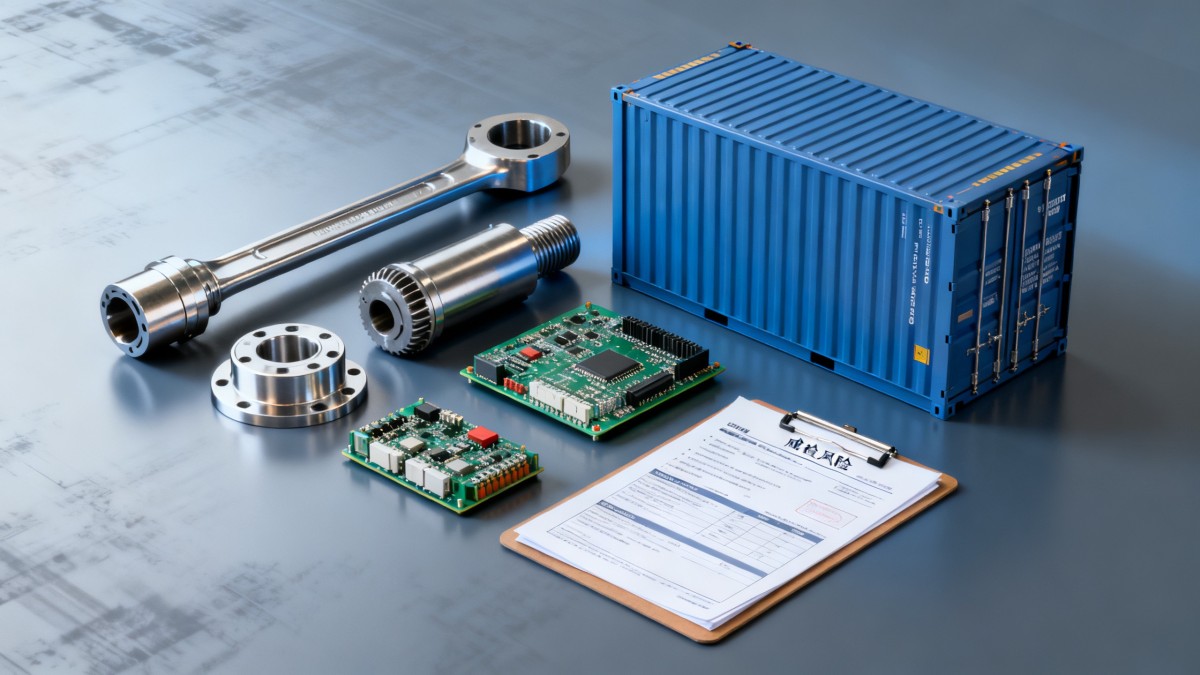
Global sourcing conditions are becoming more layered. A buyer may source cast components from one region, electronic subassemblies from a second, and packaging or logistics services from a third. A 3% price difference at quote stage can quickly become a 12% to 18% budget overrun once delays, rework, storage, demurrage, and compliance corrections are added.
Procurement leaders therefore need industrial sourcing intelligence that combines supplier data, route conditions, documentation quality, regulatory shifts, and contract terms. This approach is especially valuable when annual sourcing volumes exceed 3 suppliers, 2 regions, or 4 shipment cycles per quarter.
What Buyers Should Measure Beyond Quote Price
- Total landed cost over 90 to 180 days
- Lead-time variability in days, not only average lead time
- Non-conformance rate per batch or per 1,000 units
- Documentation accuracy across invoices, HS codes, labels, and certificates
- Payment exposure tied to currency, deposit ratio, and claim recovery ability
The table below summarizes seven cost risks that frequently distort industrial buying decisions. It can be used as a practical review tool before RFQ comparison, supplier nomination, or annual contract renewal.
The key takeaway is simple: industrial sourcing intelligence must capture both direct and indirect cost signals. Buyers who only compare FOB or EXW quotes usually miss the operational reality that determines margin 30, 60, and 120 days after order placement.
The 7 Cost Risks Procurement Teams Should Check Early
The seven risks below are relevant across mixed industrial sourcing portfolios. Whether you buy motors, fabricated metal parts, medical consumables, packaging materials, or contract manufacturing services, these checks improve decision quality before commitments are locked in.
1. Freight Volatility and Route Instability
Freight is no longer a back-end cost line. On many cross-border shipments, route changes can add 7 to 21 days and increase transport cost by 8% to 25%, especially for overweight machinery, temperature-sensitive goods, or urgent replenishment orders.
What to verify
- Number of viable routes per shipment lane
- Carrier capacity during peak 4 to 8 week windows
- Port, border, and inland transfer bottlenecks
2. Compliance and Documentation Gaps
A low quote can become an expensive mistake if technical files, labeling, packaging declarations, or country-of-origin records are incomplete. In industrial trade, one documentation error can delay clearance by 3 to 10 working days and trigger storage, inspection, or relabeling costs.
What to verify
- Product-specific compliance documents for destination market
- Revision control for manuals, declarations, and test records
- Consistency between packing list, invoice, and customs data
3. Supplier Concentration Risk
If 70% to 90% of one category is tied to a single supplier or industrial zone, a power disruption, labor shortage, raw material issue, or local policy change can shut down supply continuity. Industrial sourcing intelligence should identify not only supplier count, but true production independence.
What to verify
- Revenue share by supplier and by country
- Shared upstream dependency such as the same sub-tier mill or PCB house
- Backup tooling, alternate site readiness, and qualification lead time
4. Quality Failure and Process Drift
A 1% to 2% defect rate may look manageable at source, but it becomes costly when the item feeds an assembly line, medical application, electrical system, or field installation. The true cost includes inspection labor, downtime, reverse logistics, sorting, and replacement lead time.
What to verify
- Critical tolerance range and process capability for key dimensions
- Incoming defect history over the last 3 to 6 shipments
- Supplier response time for 8D, root cause, and corrective action closure
5. Payment Terms and Currency Exposure
Payment risk is often underestimated because it is recorded in finance rather than sourcing dashboards. Yet a 30% deposit on a 90-day production cycle can lock working capital, while adverse FX movement of 2% to 5% can erase negotiated savings on high-volume contracts.
What to verify
- Deposit ratio and milestone structure
- Currency clause, tolerance band, and hedging responsibility
- Claim handling procedure if shipment quality or timing fails
6. Specification Ambiguity and Revision Errors
Across industrial categories, cost overruns frequently start with unclear drawings, mixed versions, outdated material grades, or incomplete packaging instructions. Even a minor revision mismatch can trigger tooling changes, sampling delay, and a full batch hold.
What to verify
- Latest approved drawing and BOM release date
- Packaging, labeling, and palletization instruction version
- Golden sample, inspection plan, and acceptance criteria alignment
7. After-Sales Support and Spare Parts Readiness
Industrial purchasing does not end at shipment. For equipment, electrical assemblies, process components, and technical goods, slow service support can multiply downtime cost. A missing spare part with a 6 to 10 week replenishment cycle may cost more than the original unit price difference.
What to verify
- Spare parts availability window, such as 12 to 24 months
- Response SLA for technical queries within 24 to 72 hours
- Warranty claim path, replacement stock, and failure analysis support
How to Build an Industrial Sourcing Intelligence Review Framework
A practical sourcing framework should be simple enough for category managers to use, but structured enough to support executive decisions. In many organizations, a 5-step review process completed in 10 to 15 working days is more effective than a long audit that delays buying action.
A 5-Step Review Process
- Define the sourcing category, annual volume, and critical failure consequences.
- Map supplier, sub-tier, route, and compliance dependencies across 2 to 3 levels.
- Score risk exposure by cost, time, probability, and recovery difficulty.
- Test contract terms, inspection controls, and alternate source readiness.
- Set review frequency, usually every quarter or every major market change.
The following table gives procurement teams a compact scoring model. It is useful for comparing quotes that appear similar on price but differ in real execution reliability.
This kind of scorecard turns industrial sourcing intelligence into an operational tool. Instead of debating isolated incidents, procurement can compare suppliers with a repeatable framework and identify where a 2% price premium actually reduces 10% downstream risk.
Common Mistakes Buyers Still Make
Mistake 1: Treating lead time as a fixed number
Average lead time is not enough. Buyers should ask for best case, normal case, and peak case ranges. A product listed at 28 days may actually move between 21 and 45 days depending on season, capacity, and material flow.
Mistake 2: Overvaluing certifications without checking execution
Documents matter, but process discipline matters more. A supplier may present complete paperwork while still failing revision control, packaging consistency, or final inspection responsiveness. Industrial sourcing intelligence must connect documents with daily operating behavior.
Mistake 3: Using one sourcing model for all categories
High-value machinery, PCB assemblies, chemicals, bulk materials, and promotional consumer goods carry different risk profiles. Procurement should assign category-specific thresholds for MOQ, defect tolerance, replenishment urgency, and alternate supplier qualification time.
Using Reliable Market Intelligence to Improve Sourcing Decisions
Strong procurement decisions depend on verified, current, and structured information. That includes factory-floor conditions, policy developments, export trends, route shifts, and sub-sector signals across more than one geography. In fragmented industrial markets, incomplete data creates expensive blind spots.
This is where a specialized intelligence platform adds value. GTIIN supports procurement teams with cross-border industrial visibility across 50+ sectors and 8 major commercial clusters, helping buyers compare sourcing options, monitor risk changes, and reduce information asymmetry before contracts are signed.
For importers, category managers, and strategic sourcing teams, the benefit is practical: clearer supplier benchmarking, earlier warning on market shifts, and better preparation for compliance and logistics disruptions. That makes industrial sourcing intelligence not just informative, but actionable in day-to-day procurement planning.
Who Benefits Most
- Procurement teams managing multi-country industrial supply bases
- Importers comparing 3 or more suppliers in risk-sensitive categories
- B2B service partners supporting logistics, finance, or compliance execution
In 2026, cost control depends less on chasing the lowest quote and more on recognizing where risk is quietly accumulating. Freight, compliance, concentration, quality, payment, specification, and service readiness are the seven areas most likely to distort sourcing economics if left unchecked.
Procurement teams that apply industrial sourcing intelligence early can make better supplier decisions, reduce avoidable escalation, and build more resilient cross-border supply strategies. If you want a clearer view of sourcing risk across industrial sectors, contact GTIIN to get a tailored intelligence approach, explore category-specific insights, or discuss your next procurement review.
 Which global manufacturing trends by sector matter most for sourcing plans?Global manufacturing trends by sector: identify sourcing risks, supplier resilience, compliance demands, and cost drivers to build smarter, more reliable procurement plans.
 What industrial trade intelligence pricing should include before you subscribeIndustrial trade intelligence pricing explained: compare coverage, data quality, access rights, and workflow value before choosing a subscription that supports smarter trade decisions.
 How an industrial trade intelligence dashboard can identify new supplier marketsDiscover how an industrial trade intelligence dashboard helps identify new supplier markets by comparing capacity, landed cost, logistics resilience, and compliance risk.
 Which global market entry barriers should exporters assess first?Global market entry barriers exporters should assess first: tariffs, compliance, buyer qualification, logistics, and payment risk. Build a practical strategy for confident market entry.
 How trade data aggregation analytics can reveal emerging supplier marketsTrade data aggregation analytics reveals emerging supplier markets by connecting trade flows, capacity signals, logistics, and compliance insights for smarter sourcing decisions.
 When an export market analysis platform can validate demand in a new marketExport market analysis platform insights help validate new-market demand through buyer fit, regulations, logistics, competition, and profitable entry conditions.
 What is driving the beauty and personal care market in the USA?Beauty and personal care in USA is driven by targeted solutions, selective premiumization, digital discovery, clean-label trust, diverse needs, and compliance. Explore key growth opportunities.
 How trade flow monitoring reports reveal changing regional demandTrade flow monitoring reports reveal changing regional demand through import volumes, sourcing shifts, product mix, logistics signals, and regulatory trends. Explore actionable market insights.
 How international market intelligence for investors reduces market-entry riskInternational market intelligence for investors reduces market-entry risk by validating demand, regulations, logistics, and competition before capital is committed.
 How international sourcing intelligence helps identify supplier risk earlyInternational sourcing intelligence helps businesses spot supplier risks early, protect supply continuity, and make smarter global procurement decisions.
 How trade data aggregation analytics reveals emerging supplier marketsTrade data aggregation analytics reveals emerging supplier markets through export trends, input flows, logistics, and regulatory signals. Discover smarter sourcing insights.
 What industrial cluster monitoring in Vietnam reveals about site riskIndustrial cluster monitoring Vietnam reveals hidden site risks across labor, utilities, logistics, compliance, and supplier dependencies. Make smarter sourcing and expansion decisions.
 Food Technology Trends Reshaping Shelf Life, Safety, and Product InnovationFood technology is reshaping shelf life, safety, and innovation. Discover the trends helping food businesses cut risk, improve compliance, and unlock stronger global market growth.
 How electronics manufacturing services are changing with low-volume demandElectronics manufacturing services are evolving fast with low-volume demand. Learn how agile EMS partners improve flexibility, compliance, sourcing resilience, and speed to market.
 How Can Buyers Reduce Procurement Risks for Electronic Components?How to reduce procurement risks for electronic components: learn how buyers assess traceability, lead times, compliance, and supplier types to avoid costly sourcing mistakes.
 What Sourcing Intelligence India Reveals About Supplier Risk and Cost ShiftsSourcing intelligence India reveals hidden supplier risk, compliance gaps, logistics pressure, and real cost shifts—helping buyers compare vendors smarter and source with more confidence.
 Fashion Trends 2026: Which Materials, Colors, and Silhouettes Are Gaining Ground?Fashion trends 2026 spotlight tactile fabrics, mineral colors, and controlled volume. Explore the materials, shades, and silhouettes shaping smarter, more wearable style.
 Smart Device Market Outlook: Key Growth Drivers, Segments, and Business OpportunitiesSmart device market trends are shifting toward system value, industrial demand, and resilient supply chains. Explore key growth drivers, high-potential segments, and business opportunities.
 How Global Trade Intelligence Services Help B2B Firms Evaluate Markets and SuppliersGlobal trade intelligence services help B2B firms compare suppliers, assess market potential, and uncover compliance, logistics, and pricing risks before costly decisions are made.
 Manufacturing Sector Updates for Investors: What Signals Matter Most in 2025?Manufacturing sector updates for investors in 2025: track orders, margins, supply chains, regulation, and exports to spot resilient manufacturers and smarter investment signals.
 How Energy Market Intelligence Helps Businesses Track Price Risks and Demand ShiftsEnergy market intelligence helps businesses spot price risks, demand shifts, and supply pressure early—improving procurement, resilience, and faster strategic decisions.





















Global Trade Insights & Industry
Our mission is to empower global exporters and importers with data-driven insights that foster strategic growth.
Search News
Popular Tags
Industry Overview
The global commercial kitchen equipment market is projected to reach $112 billion by 2027. Driven by urbanization, the rise of e-commerce food delivery, and strict hygiene regulations.