

Back to School Stationery Checklist for 2026
Getting ready for the 2026 back to school season is easier when each purchase has a clear purpose.
From pencils to planners, the right stationery checklist reduces rush decisions and supports organized learning from the first week.
This guide turns back to school shopping into practical scenarios for elementary, high school, college, and hybrid study routines.
Back to School Stationery Checklist for 2026: Start with the Real Learning Scenario
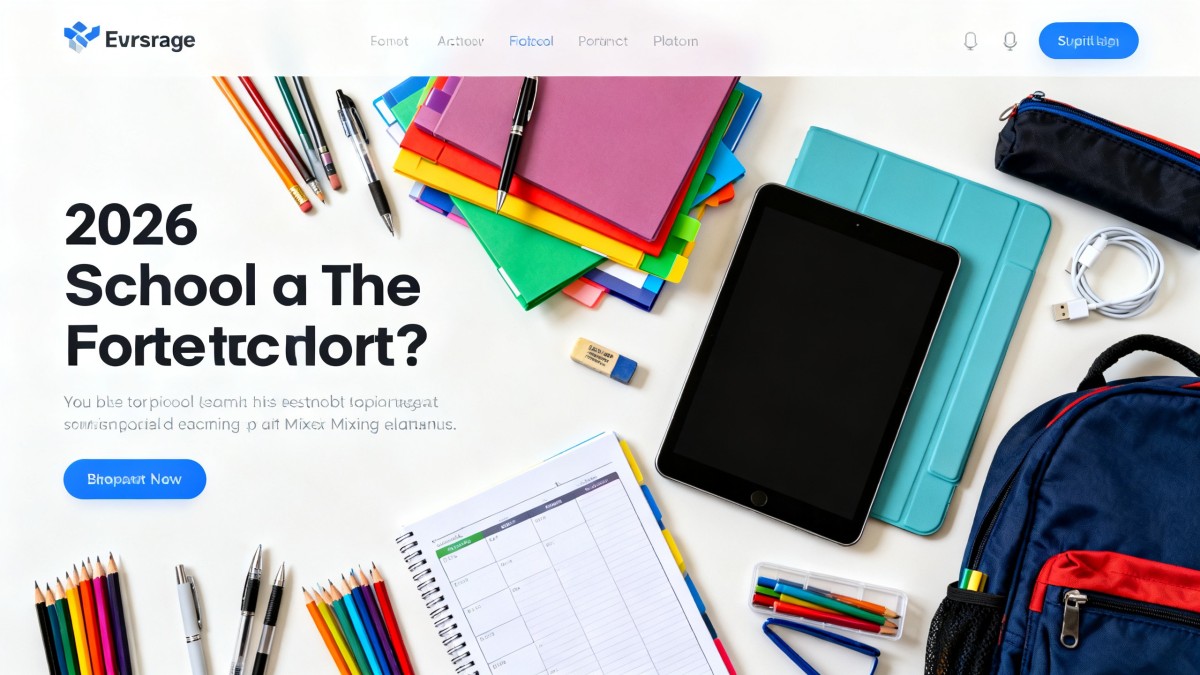
A useful back to school checklist should match daily study behavior, not only classroom tradition.
In 2026, stationery choices sit between paper-based learning, digital assignments, group work, and personal organization.
The best approach is to identify how often items will be used, replaced, shared, or carried.
GTIIN tracks consumer goods, office supplies, logistics, and supply trends across global markets.
That wider view matters because back to school demand often changes prices, availability, and product selection before term begins.
Why Scenario-Based Back to School Planning Works Better
A generic stationery list can cause overbuying, missing essentials, or choosing supplies that do not fit actual routines.
Scenario-based back to school planning starts with grade level, timetable, subject mix, bag weight, and assignment style.
Elementary learners need simple, durable, easy-to-identify items that survive frequent handling and classroom sharing.
High school learners need subject separation, exam preparation tools, and reliable writing supplies for longer days.
College learners often need compact systems that combine notebooks, digital tools, planners, and portable study kits.
Hybrid study adds another layer, where back to school supplies must support both desk organization and mobility.
Core Back to School Writing Tools for Everyday Use
Writing tools remain the foundation of any back to school stationery checklist.
The main decision is not quantity alone, but comfort, reliability, correction needs, and subject requirements.
- HB pencils for math, sketching, worksheets, and standardized practice.
- Blue and black pens for notes, forms, essays, and daily assignments.
- Erasers that do not tear paper or leave heavy residue.
- A sharpener with a container for classroom or travel use.
- Highlighters for revision, reading tasks, and exam preparation.
For younger learners, choose thicker pencils and washable markers.
For older learners, prioritize smooth pens, fine liners, and mechanical pencils with spare lead.
Paper, Notebooks, and Subject Organization Scenarios
Paper products shape how schoolwork is captured, reviewed, and submitted.
A strong back to school paper setup depends on subjects, teacher rules, storage space, and handwriting volume.
Primary classes often work best with wide-ruled notebooks, drawing paper, and simple folders.
Middle and high school schedules usually require one notebook or section per subject.
College study may favor refillable binders, legal pads, sticky notes, and compact notebooks for lectures.
- Composition books for stable long-term note storage.
- Spiral notebooks for flexible daily classroom writing.
- Loose-leaf paper for binders and handouts.
- Graph paper for math, science, and design activities.
- Index cards for vocabulary, formulas, and quick review.
Back to School Organization Supplies for Busy Timetables
Organization supplies prevent small papers, deadlines, and daily materials from becoming a constant source of stress.
The best back to school system should be easy to use when time is limited.
Color-coded folders work well when subjects must be separated quickly.
Binders suit heavier handout loads, especially when dividers and clear labels are used.
A planner remains valuable even when digital calendars are available.
- Folders for homework, returned papers, and permission slips.
- Binders with dividers for multi-subject organization.
- Sticky notes for reminders, page markers, and revision cues.
- Labels for notebooks, chargers, folders, and pencil cases.
- A pencil pouch that fits daily tools without bulk.
Creative and Project-Based Back to School Supplies
Creative supplies are often forgotten until the first poster, science board, or art assignment appears.
Including them early makes the back to school setup more complete and avoids last-minute store trips.
Elementary classrooms usually need crayons, colored pencils, glue sticks, and child-safe scissors.
Older students may need markers, presentation boards, rulers, protractors, and precision tools.
For 2026, sustainable materials are becoming more visible in school supply aisles.
Recycled paper, refillable pens, and durable storage can reduce waste across the school year.
Tech-Friendly Stationery for Hybrid Learning
Back to school preparation now includes accessories that connect paper work with digital tasks.
These items should support charging, note capture, screen comfort, and safe storage.
- A compact charging cable for school-approved devices.
- A protective sleeve for tablets or laptops.
- Screen-safe wipes for shared desks and frequent use.
- A stylus if handwritten digital notes are required.
- Cable labels to prevent mix-ups in classrooms or dorms.
Tech-friendly stationery should not replace basic writing tools.
A balanced back to school kit protects learning when batteries, apps, or networks fail.
Different Back to School Needs by Learning Scenario
This comparison shows why one back to school list cannot serve every study environment equally.
Practical Back to School Adaptation Tips
The most reliable checklist begins with existing supplies before new purchases are made.
Check last year’s unused notebooks, spare pens, folders, rulers, and art materials first.
- Confirm school-specific requirements before buying specialty items.
- Group supplies into daily, weekly, project, and backup categories.
- Buy frequently lost items in small backup quantities.
- Choose durable items for anything carried every day.
- Label shared or expensive stationery before term starts.
For back to school 2026, early planning may also help avoid seasonal stock pressure.
Items with consistent demand, such as notebooks and pens, can sell out quickly near reopening dates.
Common Back to School Stationery Mistakes to Avoid
One common mistake is buying too many decorative items and too few practical replacements.
Another is choosing bulky binders for students who walk long distances or change rooms often.
Ignoring teacher instructions can also lead to supplies that stay unused all year.
Many back to school lists also miss home study basics, such as spare paper, sticky notes, and a desk organizer.
The best prevention is a two-zone setup: one kit for school and one small reserve for home.
This keeps daily bags lighter while making homework and project work easier to manage.
Final Back to School Checklist for 2026
- Pencils, pens, erasers, sharpener, and highlighters.
- Notebooks, loose-leaf paper, graph paper, and index cards.
- Folders, binders, dividers, labels, and pencil pouch.
- Glue sticks, scissors, colored pencils, markers, and ruler.
- Planner, sticky notes, desk organizer, and backup supplies.
- Device sleeve, cable labels, charger, stylus, and screen wipes.
A strong back to school plan is not about buying everything at once.
It is about matching supplies to real classrooms, real schedules, and real study habits.
For broader market awareness, GTIIN monitors office and educational supply trends across global trade channels.
Use this back to school checklist as a practical starting point, then adjust it by grade, subject, and learning format.
 When dual sourcing makes sense in a sourcing strategy for manufacturersSourcing strategy for manufacturers: learn when dual sourcing strengthens supply continuity, reduces disruption risk, and protects production without adding unnecessary complexity.
 How bulk commodities pricing affects long-term supply contractsBulk commodities pricing shapes long-term supply contracts through index rules, freight, quality, volume, and currency risk. Explore strategies for resilient costs and supply security.
 Which global manufacturing trends by sector matter most for sourcing plans?Global manufacturing trends by sector: identify sourcing risks, supplier resilience, compliance demands, and cost drivers to build smarter, more reliable procurement plans.
 What industrial trade intelligence pricing should include before you subscribeIndustrial trade intelligence pricing explained: compare coverage, data quality, access rights, and workflow value before choosing a subscription that supports smarter trade decisions.
 How an industrial trade intelligence dashboard can identify new supplier marketsDiscover how an industrial trade intelligence dashboard helps identify new supplier markets by comparing capacity, landed cost, logistics resilience, and compliance risk.
 Which global market entry barriers should exporters assess first?Global market entry barriers exporters should assess first: tariffs, compliance, buyer qualification, logistics, and payment risk. Build a practical strategy for confident market entry.
 How trade data aggregation analytics can reveal emerging supplier marketsTrade data aggregation analytics reveals emerging supplier markets by connecting trade flows, capacity signals, logistics, and compliance insights for smarter sourcing decisions.
 When an export market analysis platform can validate demand in a new marketExport market analysis platform insights help validate new-market demand through buyer fit, regulations, logistics, competition, and profitable entry conditions.
 What is driving the beauty and personal care market in the USA?Beauty and personal care in USA is driven by targeted solutions, selective premiumization, digital discovery, clean-label trust, diverse needs, and compliance. Explore key growth opportunities.
 How trade flow monitoring reports reveal changing regional demandTrade flow monitoring reports reveal changing regional demand through import volumes, sourcing shifts, product mix, logistics signals, and regulatory trends. Explore actionable market insights.
 How international market intelligence for investors reduces market-entry riskInternational market intelligence for investors reduces market-entry risk by validating demand, regulations, logistics, and competition before capital is committed.
 How international sourcing intelligence helps identify supplier risk earlyInternational sourcing intelligence helps businesses spot supplier risks early, protect supply continuity, and make smarter global procurement decisions.
 How trade data aggregation analytics reveals emerging supplier marketsTrade data aggregation analytics reveals emerging supplier markets through export trends, input flows, logistics, and regulatory signals. Discover smarter sourcing insights.
 What industrial cluster monitoring in Vietnam reveals about site riskIndustrial cluster monitoring Vietnam reveals hidden site risks across labor, utilities, logistics, compliance, and supplier dependencies. Make smarter sourcing and expansion decisions.
 Food Technology Trends Reshaping Shelf Life, Safety, and Product InnovationFood technology is reshaping shelf life, safety, and innovation. Discover the trends helping food businesses cut risk, improve compliance, and unlock stronger global market growth.
 How electronics manufacturing services are changing with low-volume demandElectronics manufacturing services are evolving fast with low-volume demand. Learn how agile EMS partners improve flexibility, compliance, sourcing resilience, and speed to market.
 How Can Buyers Reduce Procurement Risks for Electronic Components?How to reduce procurement risks for electronic components: learn how buyers assess traceability, lead times, compliance, and supplier types to avoid costly sourcing mistakes.
 What Sourcing Intelligence India Reveals About Supplier Risk and Cost ShiftsSourcing intelligence India reveals hidden supplier risk, compliance gaps, logistics pressure, and real cost shifts—helping buyers compare vendors smarter and source with more confidence.
 Fashion Trends 2026: Which Materials, Colors, and Silhouettes Are Gaining Ground?Fashion trends 2026 spotlight tactile fabrics, mineral colors, and controlled volume. Explore the materials, shades, and silhouettes shaping smarter, more wearable style.
 Smart Device Market Outlook: Key Growth Drivers, Segments, and Business OpportunitiesSmart device market trends are shifting toward system value, industrial demand, and resilient supply chains. Explore key growth drivers, high-potential segments, and business opportunities.
 How Global Trade Intelligence Services Help B2B Firms Evaluate Markets and SuppliersGlobal trade intelligence services help B2B firms compare suppliers, assess market potential, and uncover compliance, logistics, and pricing risks before costly decisions are made.





















Global Trade Insights & Industry
Our mission is to empower global exporters and importers with data-driven insights that foster strategic growth.
Search News
Popular Tags
Industry Overview
The global commercial kitchen equipment market is projected to reach $112 billion by 2027. Driven by urbanization, the rise of e-commerce food delivery, and strict hygiene regulations.