

Li Qiang Calls for Digital and Green Cooperation at China-Thailand Business Meeting
Chinese Premier Li Qiang and Thai Prime Minister Anutin attended a China-Thailand business meeting in Bangkok on November 14, 2026, where Li called for companies from both countries to expand cooperation beyond traditional food and agricultural trade into digital, intelligent and green sectors.
Li said the two sides should strengthen existing agricultural and food trade, advance agricultural modernization and explore opportunities in emerging fields such as artificial intelligence and new energy. He also called for closer coordination between industrial and supply chains.
For businesses, the message places established trade and emerging industries within the same cooperation agenda. Its immediate significance lies in the direction it sets: maintaining attention on agricultural and food commerce while encouraging companies to consider a wider range of activities. The meeting itself does not establish how individual initiatives will be structured or when their effects might be felt.
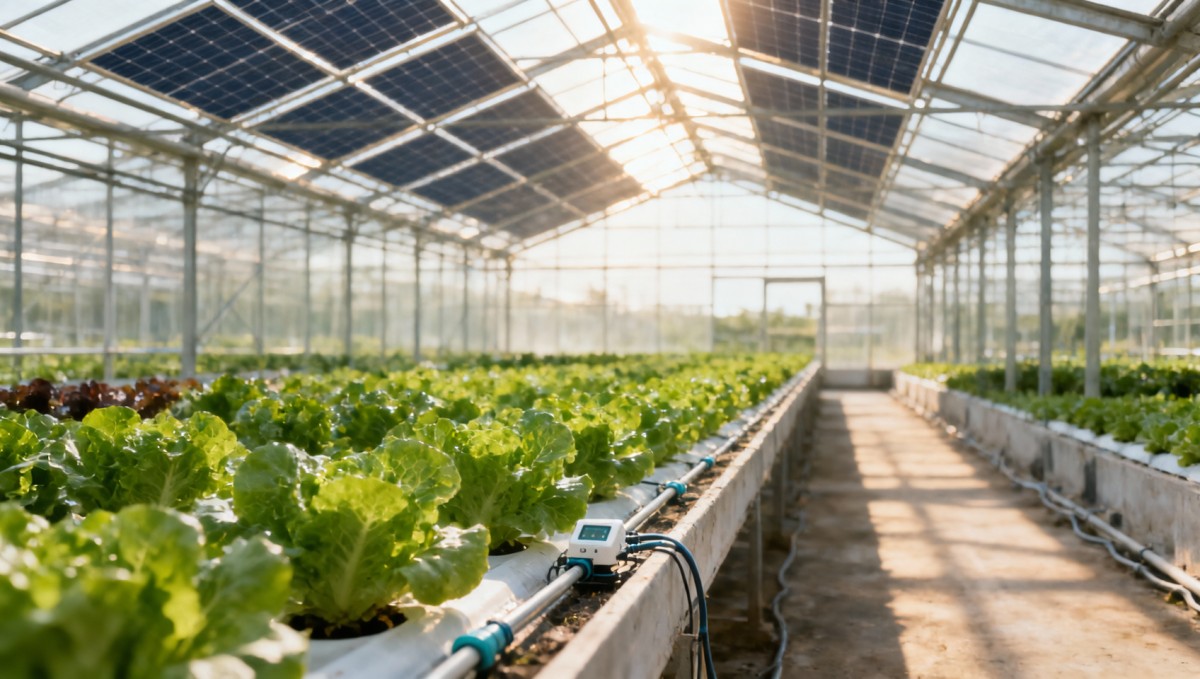
From food trade to a broader business agenda
The reference to moving from the dining table toward digital and green cooperation describes an expansion in scope rather than a replacement of existing trade. Agricultural and food businesses remain part of the agenda, alongside the proposed modernization of agriculture.
Those two priorities are related but distinct. Growing agricultural and food trade concerns the exchange of products between the two countries, while agricultural modernization points to how agricultural activity could develop. The meeting’s stated direction connects both to wider commercial cooperation, without specifying particular products or modernization measures.
For companies involved in these established sectors, a key question is how the proposed cooperation will translate into business activity. Closer coordination could affect discussions across supply chains, but the practical implications would depend on the arrangements that companies and relevant parties pursue.
Emerging sectors and supply chain coordination
Artificial intelligence and new energy were identified as areas in which the two sides could explore further cooperation. Their inclusion signals interest in extending business ties into newer fields, though it does not by itself establish specific projects, investment commitments or commercial outcomes.
The call for stronger industrial and supply chain coordination provides a possible link between the traditional and emerging parts of the agenda. In practical terms, coordination could involve businesses examining how activities across different stages of a supply chain fit together. The scope and form of any such work would depend on subsequent decisions.
Different companies may therefore read the meeting in different ways. Agricultural and food businesses may focus on the continuation and potential expansion of existing trade, while businesses active in artificial intelligence or new energy may look for clearer opportunities for cooperation. Companies working across supply chains may be particularly interested in how coordination is defined in practice.
Further announcements from the relevant parties and participating businesses will be useful in assessing whether the meeting leads to specific activities. Until those details emerge, the clearest takeaway is the stated ambition to combine established agricultural and food ties with cooperation in digital and green fields.
 South Korea's Car Imports From China and Trade Deficit Hit RecordsSouth Korea’s car imports from China and automotive trade deficit hit records. Explore how Shanghai-made Tesla EVs are reshaping bilateral trade.
 How to check if supplier verification reports are authenticVerify supplier verification reports with confidence. Learn how to confirm the issuer, match supplier details, spot red flags, and reduce purchasing risk.
 Mexico’s President Seeks US Trade Deal at December Miami G20 SummitMexico–US trade deal talks could reach a turning point at the December Miami G20 summit. Explore what a potential agreement may mean for cross-border business.
 How to assess data quality in export market analysis servicesCompare export market analysis services with confidence. Learn how to evaluate data sources, coverage and forecasts before committing to a new market.
 Li Qiang Calls for Digital and Green Cooperation at China-Thailand Business MeetingLi Qiang calls for China-Thailand cooperation in digital and green sectors, highlighting opportunities in AI, new energy and agriculture.
 How are life sciences different from healthcare?Life sciences and healthcare overlap, but how do they differ? Explore their roles, real-world examples, and what the distinction means for sourcing.
 How is resale changing the UK apparel and fashion market?Explore how resale is reshaping apparel and fashion in UK markets, from shifting customer demand to pricing, sourcing and opportunities for brands.
 China's Trade Reaches 44.81 Trillion Yuan in First 10 Months, Up 20%China's trade reportedly reached 44.81 trillion yuan in the first 10 months, up 20%. Explore the implications for sourcing, technology exports and ASEAN markets.
 China Extends Pause on 24% US Tariff as US Extends Product ExclusionsChina-US tariffs: China extends its 24% tariff pause while the US extends 178 product exclusions. Discover what the measures mean for trade costs and planning.
 How to verify a mass production supplier’s capacityVerify a mass production supplier’s true capacity with practical checks for production records, available resources, quality controls and delivery readiness.
 He Lifeng Holds Trade Video Call with US Treasury Secretary and Trade RepresentativeHe Lifeng discusses China-US trade restrictions with US officials. Explore what the call could mean for exporters, buyers and supply chains.
 U.S. Trade Deficit Narrows to $105 Billion in September 2026U.S. trade deficit narrowed to $105 billion in September 2026 as exports rose 1.9%. Explore what the latest figures reveal about trade flows.
 How to verify international trade intelligence updatesVerify international trade intelligence updates with practical checks for sources, regulations, trade data, and disruptions. Turn complex claims into reliable insights.
 How investors can assess cyclicality in the manufacturing industryManufacturing industry analysis for investors: learn to assess cyclical demand, cash flow and downside risks to make more informed investment decisions.
 US ISM Manufacturing PMI Rises to 55.5% in October, Beating ForecastsUS ISM Manufacturing PMI rose to 55.5% in October 2026, beating forecasts. Explore what stronger orders and production could mean for manufacturers.
 China Manufacturing PMI Falls to 49.3 in OctoberChina manufacturing PMI fell to 49.3 in October, signaling renewed contraction. Explore the role of weak export orders and domestic demand.
 Can you trust flexible packaging market intelligence forecasts?Can you trust flexible packaging market intelligence forecasts? Learn how to verify sources, challenge assumptions, and assess demand before making costly investment or sourcing decisions.
 When is supply chain disruption management consulting worth the cost?When is supply chain disruption management consulting worth the cost? Learn how to compare fees, avoidable losses, and recovery options to make a confident investment decision.
 How to use macroeconomic analysis to forecast industrial demandApply an industrial macro analysis methodology to forecast demand, interpret economic signals, and plan inventory and capacity. Discover practical steps for smarter business decisions.
 How to assess Singapore suppliers with global supply chain intelligenceExplore international supply chain intelligence Singapore buyers can use to verify suppliers, assess capabilities and delivery risks, and make confident sourcing decisions.
 Which macroeconomic indicators help forecast U.S. industrial demand?Explore industrial macro analysis USA decision-makers can use to forecast demand. Track new orders, inventories, and credit signals to sharpen procurement and capacity decisions.








Global Trade Insights & Industry
Our mission is to empower global exporters and importers with data-driven insights that foster strategic growth.
Search News
Popular Tags
Industry Overview
The global commercial kitchen equipment market is projected to reach $112 billion by 2027. Driven by urbanization, the rise of e-commerce food delivery, and strict hygiene regulations.