

How to choose agricultural tools for weeding between crop rows
Choose agricultural tools for weeding between crop rows by matching the working width to the usable gap between plants, then checking whether the tool can remove your weeds at a shallow, controllable depth. A hand hoe suits small plots and irregular planting. A wheel hoe can make repeated work along straight rows less tiring. A tractor-mounted inter-row cultivator becomes useful when the area and available working time justify its setup, turning space, and operating requirements.
Scale alone should not decide the purchase. A wide implement can cover ground quickly but still leave weeds beside the crop, bury young plants, or cut roots if its geometry and adjustments do not suit the field. The best choice is the tool that an operator can keep on line and at the right depth throughout the period when weeds are easiest to control.
Measure the working space before comparing tools
Start with the narrowest usable passage between adjacent crop rows. Row spacing is generally measured from one row’s center to the next, but that measurement does not describe the full space available to a blade. Stems, spreading leaves, uneven planting, and the clearance needed to protect the crop all reduce the practical working width.
Measure several places, including row ends and areas where planting wandered. For transplanted crops, check variation between individual plants. On beds with several rows, record the spacing within each bed separately from the distance between beds. A cultivator described as adjustable may still have a toolbar, wheel arrangement, or minimum unit spacing that prevents it from fitting your layout.
Leave a protective strip beside each crop row. Its width depends on crop establishment, rooting pattern, tool movement, soil conditions, and steering accuracy. There is no single safe clearance for every crop. Young transplants with weak anchorage need different handling from established plants, while a shallow-rooted crop may remain vulnerable even after its stems look sturdy.
Also consider how access changes during growth. A tool that fits easily after emergence may later catch foliage or push leaves into the working elements. Tractor ground clearance, toolbar clearance, and the position of wheels matter as the canopy develops. If access closes before weed pressure falls, plan how the final cultivation or remaining handwork will be handled.
For tractor-mounted equipment, compare the cultivator with the planter’s actual row arrangement. Matching nominal row spacing is only part of compatibility. Differences in pass alignment, bed shape, wheel tracks, and row position can prevent every cultivation unit from following its intended gap. Guidance systems can improve positioning, but their performance still depends on setup and the field conditions they encounter.
Choose the tool class around the work you can finish on time
Mechanical weeding is easier when weeds are small. Your choice therefore needs to account for how much ground you can finish during a suitable weather and soil window, including turning, adjustment, clearing blockages, and breaks. Comparing purchase prices without considering this working window can leave you with an inexpensive tool that cannot keep up.
Hand hoes for selective work and variable rows
A hand hoe offers close control around irregular planting, short rows, and isolated weed patches. It is also useful for finishing the strip left beside crops after a wider tool has passed. For small areas, avoiding machinery setup can make hand work practical even when a powered option is available.
Blade action matters. A draw hoe allows chopping and soil movement, which can help with established individual weeds but requires restraint near crop roots. A sharp, shallow-cutting hoe suits small weeds where the soil surface is workable. An oscillating or stirrup hoe can cut on both strokes, although its effectiveness depends on soil resistance, blade condition, and weed development.
Check the handle length and blade angle in a normal working posture. You should be able to keep the cutting edge at the intended depth without continuously bending or lifting your shoulders. A wider blade increases coverage only while you can control it comfortably. In resistant soil or tight spacing, a narrower blade may produce more consistent work.
Wheel hoes for repeated passes along accessible rows
A wheel hoe can reduce the effort of carrying and repositioning a hand tool over long, straight runs. It is a useful option for growers who need more capacity than hand hoeing provides but whose plots, access, or budget do not suit a tractor cultivator.
Its suitability depends heavily on the walking surface and soil condition. Stones, deep wheel ruts, heavy residue, and sticky soil can interrupt forward movement. A wide attachment that looks efficient on a smooth demonstration strip may become tiring when it repeatedly catches or requires extra force to hold depth.
Check handle adjustment, wheel tracking, attachment clearance, and how easily the tool turns at row ends. Single-wheel and twin-wheel arrangements can suit different paths and attachment layouts; assess the actual configuration you intend to use. If interchangeable blades are a selling point, confirm that the available widths fit your crop spacing and that changing them is straightforward.
Tractor-mounted cultivators for larger workloads and consistent layouts
A tractor-mounted inter-row cultivator is a stronger candidate when several rows must be treated within a limited window. It works best as part of a compatible planting and traffic system. Straight rows, suitable headlands, repeatable spacing, and appropriate tractor wheel positions make accurate operation easier.
Check hitch compatibility, implement weight, tractor lift capacity, hydraulic requirements where applicable, and stability in the raised transport position. Working width must also suit gateways and movement between fields. An implement that fits the crop rows may still be awkward to transport or too demanding for the available tractor.
For the operator, visibility and adjustment deserve as much attention as width. Look for a practical way to align each unit, control its depth, and observe the crop during work. Camera guidance or hydraulic side-shift can help maintain alignment, but they do not correct an unsuitable blade width, excessive depth, or poorly matched crop layout.
Match the working elements to weeds and soil
After choosing a tool class, select how it will disturb the soil. For small annual weeds between rows, shallow undercutting can sever or dislodge plants while limiting unnecessary soil movement. Sweeps and similar blades need to cover the intended strip without leaving gaps between their cutting paths. Excessive overlap, however, can increase draft and soil disturbance.
Narrow tines disturb less width individually and can provide useful clearance in some layouts, but their spacing must match the job. Removing visible weeds while leaving untreated strips can create a misleading impression of coverage. Examine the soil across the whole cultivated band, including the edges nearest the protected crop strip.
The main field conditions that should change your selection are:
- Small annual weeds: Favor a sharp tool capable of consistent shallow cutting. Timely treatment can reduce the force and soil movement required.
- Larger, well-rooted weeds: Expect greater draft and a higher risk of clogging or incomplete removal. Check whether selective removal is preferable to a more aggressive pass near the crop.
- Rhizomatous or other persistent perennial weeds: A pass may remove top growth while leaving underground structures capable of regrowth. Some cultivation actions can also spread fragments, so tool choice needs to fit a broader control plan.
- Stony or residue-covered ground: Look at clearance, blockage points, wear, and protection against impacts. Fine adjustment on clean soil does not establish performance under these conditions.
- Wet or plastic soil: Postpone work if the operation would smear, compact, or move sticky clods around the crop. A more powerful machine does not make unsuitable soil conditions workable.
Drying conditions after cultivation can help prevent uprooted weeds from re-establishing. Rain shortly after a pass can reduce that benefit. The practical question is whether your equipment and labor allow you to act when both weed size and soil conditions are favorable.
Depth should be sufficient to achieve the intended cut without reaching unnecessarily into the crop’s root zone. Working deeper to compensate for a blunt blade increases draft and can disturb more roots. Inspect cutting edges and depth settings before assuming that the implement needs more weight or tractor power.
Soil throw is another selection issue. Some tools move loose soil toward the crop, which may be useful in crops and stages suited to earthing up. The same action can bury small plants or place soil where it is unwanted. Shields can help manage soil movement, but they need suitable clearance and do not make an aggressive setting harmless.
Ordinary inter-row blades also leave weeds within the crop row. Finger weeders and other elements intended to work closer to plants introduce different adjustment requirements and crop-tolerance limits. If most of your remaining labor is spent pulling weeds beside stems, buying a wider inter-row machine may do little to solve that particular problem.
Use a field trial to judge control, damage, and operating cost
A useful demonstration should resemble your difficult routine conditions: the narrowest row gap, representative weeds, typical residue, and the soil you expect to work. A clean, level strip can show that a tool functions, but it cannot establish whether you can use it reliably across your fields.
Begin with a conservative setting and inspect a short pass before continuing. Stop the tractor, lower or secure the implement as instructed, and isolate power before making adjustments. Check whether weeds are cut or merely bent, whether untreated bands remain, and whether crop plants have been buried, loosened, or visibly injured. Expose a small area carefully to assess working depth near the crop.
Change one setting at a time. On a mounted cultivator, increasing speed may alter soil throw and tracking as well as capacity. Going faster is useful only while the units maintain their intended position and depth. On hand tools and wheel hoes, assess control and effort over a representative length of row; a few easy strokes reveal little about sustained handling.
Ask the supplier to demonstrate the adjustments you will actually use: changing blade width, setting depth, repositioning units, and replacing wear parts. Check whether fasteners are accessible with ordinary tools and whether settings stay secure during work. Loose joints, worn pivots, and frame movement can make close cultivation less predictable.
Compare costs per completed weeding operation, including the labor left afterward. A low purchase price can be offset by slow progress, fatigue, frequent blockages, or repeated finishing work. A larger machine carries its own costs through tractor use, setup, maintenance, storage, and the consequences of crop damage.
Before ordering, establish the availability of replacement blades, tines, bearings, and any model-specific components. For powered guidance equipment, clarify calibration, service support, and whether manual operation remains practical during a fault. Parts availability matters most when a breakdown could carry the crop beyond a useful cultivation window.
Make the final choice against a concrete field requirement: the rows it must fit, the weeds it must remove, the crop stage it must tolerate, and the area you must finish in the available time. A successful trial leaves the intended band controlled, the crop secure, and a manageable amount of follow-up work. Those observations provide a firmer basis for purchase than working width or attachment count alone.
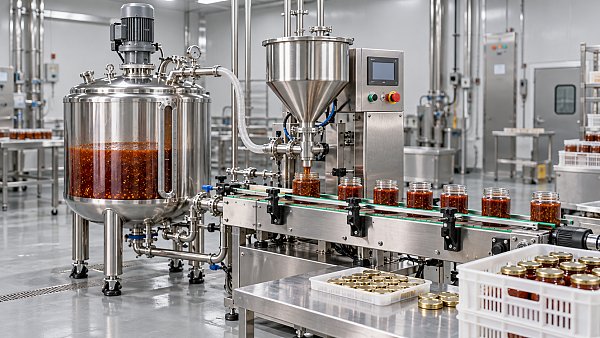
 Can a food processing manufacturer meet your small-batch needs?Can a food processing manufacturer meet your small-batch needs? Discover how to assess minimum orders, costs, packaging, and safety to choose the right partner for your launch.
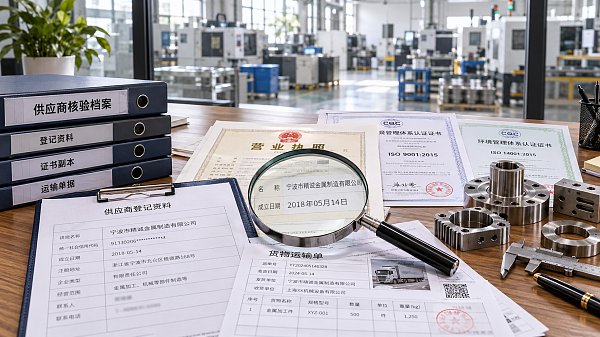
 How to verify sourcing intelligence data before selecting suppliersVerify sourcing intelligence data before choosing suppliers. Learn how to check company records, certifications, and capacity to reduce procurement risk and build a reliable shortlist.
 How to use supplier risk analysis to spot financial warning signsUse supplier risk analysis to spot cash flow pressure, debt risks, and delivery warning signs. Learn practical steps to reduce exposure and protect supply continuity.
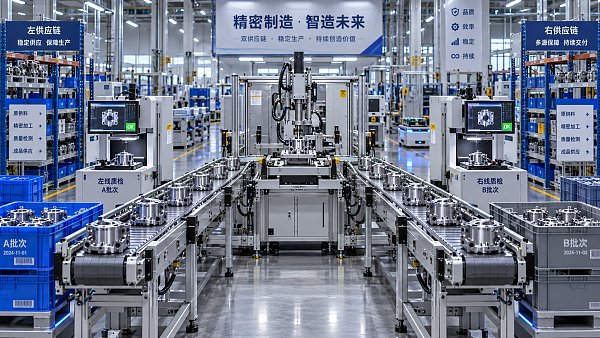
 When dual sourcing makes sense in a sourcing strategy for manufacturersSourcing strategy for manufacturers: learn when dual sourcing strengthens supply continuity, reduces disruption risk, and protects production without adding unnecessary complexity.
 How bulk commodities pricing affects long-term supply contractsBulk commodities pricing shapes long-term supply contracts through index rules, freight, quality, volume, and currency risk. Explore strategies for resilient costs and supply security.
 Which global manufacturing trends by sector matter most for sourcing plans?Global manufacturing trends by sector: identify sourcing risks, supplier resilience, compliance demands, and cost drivers to build smarter, more reliable procurement plans.
 What industrial trade intelligence pricing should include before you subscribeIndustrial trade intelligence pricing explained: compare coverage, data quality, access rights, and workflow value before choosing a subscription that supports smarter trade decisions.
 How an industrial trade intelligence dashboard can identify new supplier marketsDiscover how an industrial trade intelligence dashboard helps identify new supplier markets by comparing capacity, landed cost, logistics resilience, and compliance risk.
 Which global market entry barriers should exporters assess first?Global market entry barriers exporters should assess first: tariffs, compliance, buyer qualification, logistics, and payment risk. Build a practical strategy for confident market entry.
 How trade data aggregation analytics can reveal emerging supplier marketsTrade data aggregation analytics reveals emerging supplier markets by connecting trade flows, capacity signals, logistics, and compliance insights for smarter sourcing decisions.
 When an export market analysis platform can validate demand in a new marketExport market analysis platform insights help validate new-market demand through buyer fit, regulations, logistics, competition, and profitable entry conditions.
 What is driving the beauty and personal care market in the USA?Beauty and personal care in USA is driven by targeted solutions, selective premiumization, digital discovery, clean-label trust, diverse needs, and compliance. Explore key growth opportunities.
 How trade flow monitoring reports reveal changing regional demandTrade flow monitoring reports reveal changing regional demand through import volumes, sourcing shifts, product mix, logistics signals, and regulatory trends. Explore actionable market insights.
 How international market intelligence for investors reduces market-entry riskInternational market intelligence for investors reduces market-entry risk by validating demand, regulations, logistics, and competition before capital is committed.
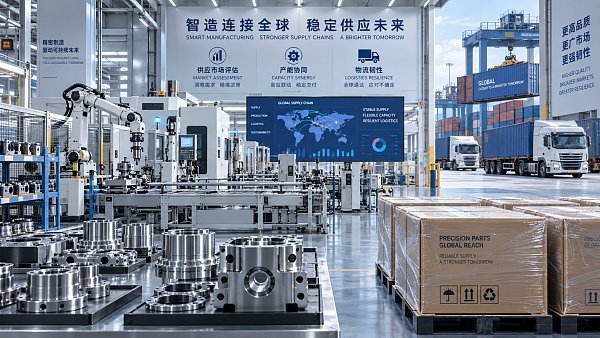
 How international sourcing intelligence helps identify supplier risk earlyInternational sourcing intelligence helps businesses spot supplier risks early, protect supply continuity, and make smarter global procurement decisions.
 How trade data aggregation analytics reveals emerging supplier marketsTrade data aggregation analytics reveals emerging supplier markets through export trends, input flows, logistics, and regulatory signals. Discover smarter sourcing insights.
 What industrial cluster monitoring in Vietnam reveals about site riskIndustrial cluster monitoring Vietnam reveals hidden site risks across labor, utilities, logistics, compliance, and supplier dependencies. Make smarter sourcing and expansion decisions.
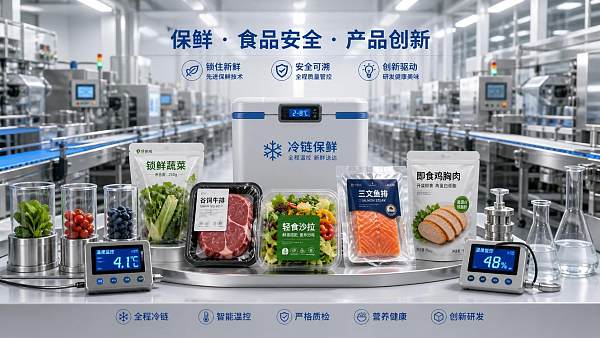
 Food Technology Trends Reshaping Shelf Life, Safety, and Product InnovationFood technology is reshaping shelf life, safety, and innovation. Discover the trends helping food businesses cut risk, improve compliance, and unlock stronger global market growth.
 How electronics manufacturing services are changing with low-volume demandElectronics manufacturing services are evolving fast with low-volume demand. Learn how agile EMS partners improve flexibility, compliance, sourcing resilience, and speed to market.
 How Can Buyers Reduce Procurement Risks for Electronic Components?How to reduce procurement risks for electronic components: learn how buyers assess traceability, lead times, compliance, and supplier types to avoid costly sourcing mistakes.
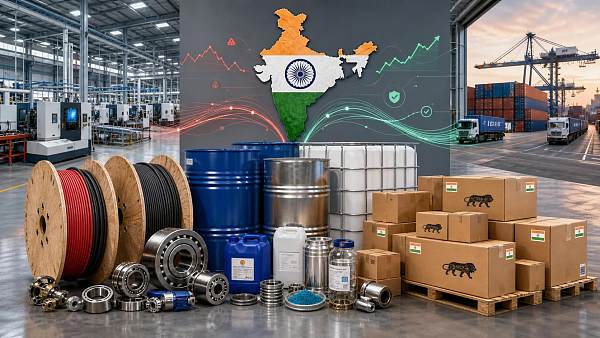
 What Sourcing Intelligence India Reveals About Supplier Risk and Cost ShiftsSourcing intelligence India reveals hidden supplier risk, compliance gaps, logistics pressure, and real cost shifts—helping buyers compare vendors smarter and source with more confidence.











Global Trade Insights & Industry
Our mission is to empower global exporters and importers with data-driven insights that foster strategic growth.
Search News
Popular Tags
Industry Overview
The global commercial kitchen equipment market is projected to reach $112 billion by 2027. Driven by urbanization, the rise of e-commerce food delivery, and strict hygiene regulations.