

Indonesia and EU Sign Trade Agreement With Zero Tariffs on 90.4% of Tariff Lines
Indonesia and the European Union signed the Indonesia-EU Comprehensive Economic Partnership Agreement (IEU-CEPA) and an Investment Protection Agreement (IPA) in Brussels on November 21, 2026. Once the trade agreement enters into force, 90.4% of tariff lines covering Indonesian exports to the EU will be eligible for zero tariffs.
The agreements are intended to open both markets, encourage trade diversification and respond to global tariff barriers. They also provide for investment opportunities in strategic sectors, including electric vehicles, electronics and pharmaceuticals.

What the tariff figure means for exporters
The 90.4% figure refers to the share of tariff lines eligible for zero tariffs, not the share of export value or shipments that will enter the EU duty-free. Its practical significance for an exporter will depend on whether its particular product falls within the eligible lines and meets the applicable conditions.
The distinction matters for purchasing and pricing decisions. If a product qualifies after the agreement takes effect, the removal of its tariff could reduce an import cost. The effect on the final price would still depend on how that saving is distributed across the transaction and on other costs that remain.
Signing the agreement also does not itself establish when the tariff treatment begins. Businesses considering changes to orders or supply arrangements will need to follow the steps toward entry into force and the details governing individual products.
Investment provisions and the next points to watch
The opening of investment opportunities in electric vehicles, electronics and pharmaceuticals gives the agreement a scope beyond tariffs on goods. For companies assessing those sectors, the commercial effect will depend on the terms of the investment provisions and how they are implemented. The announcement does not establish that any particular investment or project will follow.
Further details on product coverage, eligibility requirements and implementation will determine how the agreements affect individual transactions. Until the trade agreement enters into force, the zero-tariff figure describes the treatment envisaged under the agreement, rather than a tariff change that exporters can already apply.
 Indonesia and EU Sign Trade Agreement With Zero Tariffs on 90.4% of Tariff LinesExplore the Indonesia-EU trade agreement, its proposed zero tariffs on 90.4% of tariff lines, and what exporters and investors need to know.
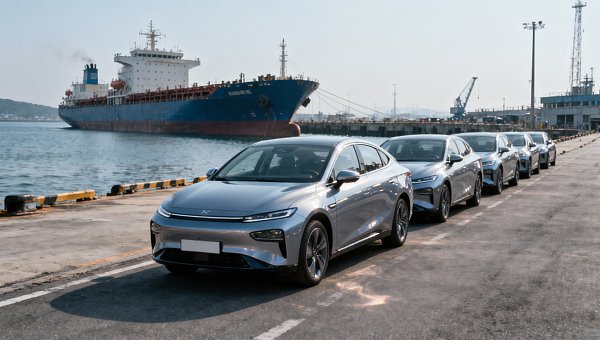
 South Korea's Car Imports From China and Trade Deficit Hit RecordsSouth Korea’s car imports from China and automotive trade deficit hit records. Explore how Shanghai-made Tesla EVs are reshaping bilateral trade.
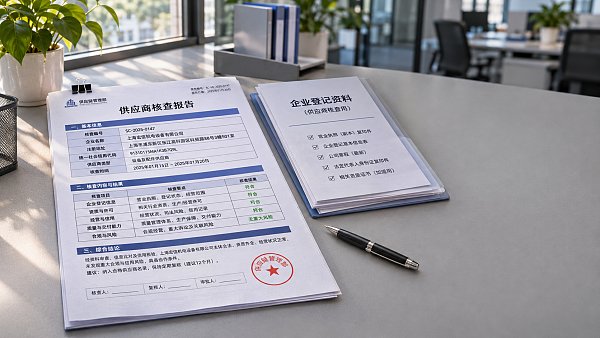
 How to check if supplier verification reports are authenticVerify supplier verification reports with confidence. Learn how to confirm the issuer, match supplier details, spot red flags, and reduce purchasing risk.
 Mexico’s President Seeks US Trade Deal at December Miami G20 SummitMexico–US trade deal talks could reach a turning point at the December Miami G20 summit. Explore what a potential agreement may mean for cross-border business.
 How to assess data quality in export market analysis servicesCompare export market analysis services with confidence. Learn how to evaluate data sources, coverage and forecasts before committing to a new market.
 Li Qiang Calls for Digital and Green Cooperation at China-Thailand Business MeetingLi Qiang calls for China-Thailand cooperation in digital and green sectors, highlighting opportunities in AI, new energy and agriculture.
 How are life sciences different from healthcare?Life sciences and healthcare overlap, but how do they differ? Explore their roles, real-world examples, and what the distinction means for sourcing.
 How is resale changing the UK apparel and fashion market?Explore how resale is reshaping apparel and fashion in UK markets, from shifting customer demand to pricing, sourcing and opportunities for brands.
 China's Trade Reaches 44.81 Trillion Yuan in First 10 Months, Up 20%China's trade reportedly reached 44.81 trillion yuan in the first 10 months, up 20%. Explore the implications for sourcing, technology exports and ASEAN markets.
 China Extends Pause on 24% US Tariff as US Extends Product ExclusionsChina-US tariffs: China extends its 24% tariff pause while the US extends 178 product exclusions. Discover what the measures mean for trade costs and planning.
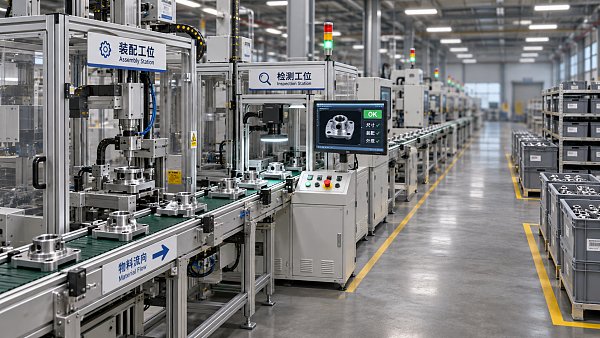
 How to verify a mass production supplier’s capacityVerify a mass production supplier’s true capacity with practical checks for production records, available resources, quality controls and delivery readiness.
 He Lifeng Holds Trade Video Call with US Treasury Secretary and Trade RepresentativeHe Lifeng discusses China-US trade restrictions with US officials. Explore what the call could mean for exporters, buyers and supply chains.
 U.S. Trade Deficit Narrows to $105 Billion in September 2026U.S. trade deficit narrowed to $105 billion in September 2026 as exports rose 1.9%. Explore what the latest figures reveal about trade flows.
 How to verify international trade intelligence updatesVerify international trade intelligence updates with practical checks for sources, regulations, trade data, and disruptions. Turn complex claims into reliable insights.
 How investors can assess cyclicality in the manufacturing industryManufacturing industry analysis for investors: learn to assess cyclical demand, cash flow and downside risks to make more informed investment decisions.
 US ISM Manufacturing PMI Rises to 55.5% in October, Beating ForecastsUS ISM Manufacturing PMI rose to 55.5% in October 2026, beating forecasts. Explore what stronger orders and production could mean for manufacturers.
 China Manufacturing PMI Falls to 49.3 in OctoberChina manufacturing PMI fell to 49.3 in October, signaling renewed contraction. Explore the role of weak export orders and domestic demand.
 Can you trust flexible packaging market intelligence forecasts?Can you trust flexible packaging market intelligence forecasts? Learn how to verify sources, challenge assumptions, and assess demand before making costly investment or sourcing decisions.
 When is supply chain disruption management consulting worth the cost?When is supply chain disruption management consulting worth the cost? Learn how to compare fees, avoidable losses, and recovery options to make a confident investment decision.
 How to use macroeconomic analysis to forecast industrial demandApply an industrial macro analysis methodology to forecast demand, interpret economic signals, and plan inventory and capacity. Discover practical steps for smarter business decisions.
 How to assess Singapore suppliers with global supply chain intelligenceExplore international supply chain intelligence Singapore buyers can use to verify suppliers, assess capabilities and delivery risks, and make confident sourcing decisions.












Global Trade Insights & Industry
Our mission is to empower global exporters and importers with data-driven insights that foster strategic growth.
Search News
Popular Tags
Industry Overview
The global commercial kitchen equipment market is projected to reach $112 billion by 2027. Driven by urbanization, the rise of e-commerce food delivery, and strict hygiene regulations.