

Fitness Apparel Wholesale MOQ Terms That Change Total Cost
In fitness apparel wholesale, MOQ terms can quietly reshape total sourcing cost far beyond the quoted unit price. A lower tag price may look attractive, yet order thresholds often add hidden pressure. Inventory risk, seasonal demand swings, customization setup, and freight efficiency all connect to MOQ structure. In outdoor sports equipment channels, where apparel must match performance expectations, understanding MOQ is a practical way to protect margin and improve buying accuracy.
Why MOQ terms in fitness apparel wholesale are getting more cost-sensitive
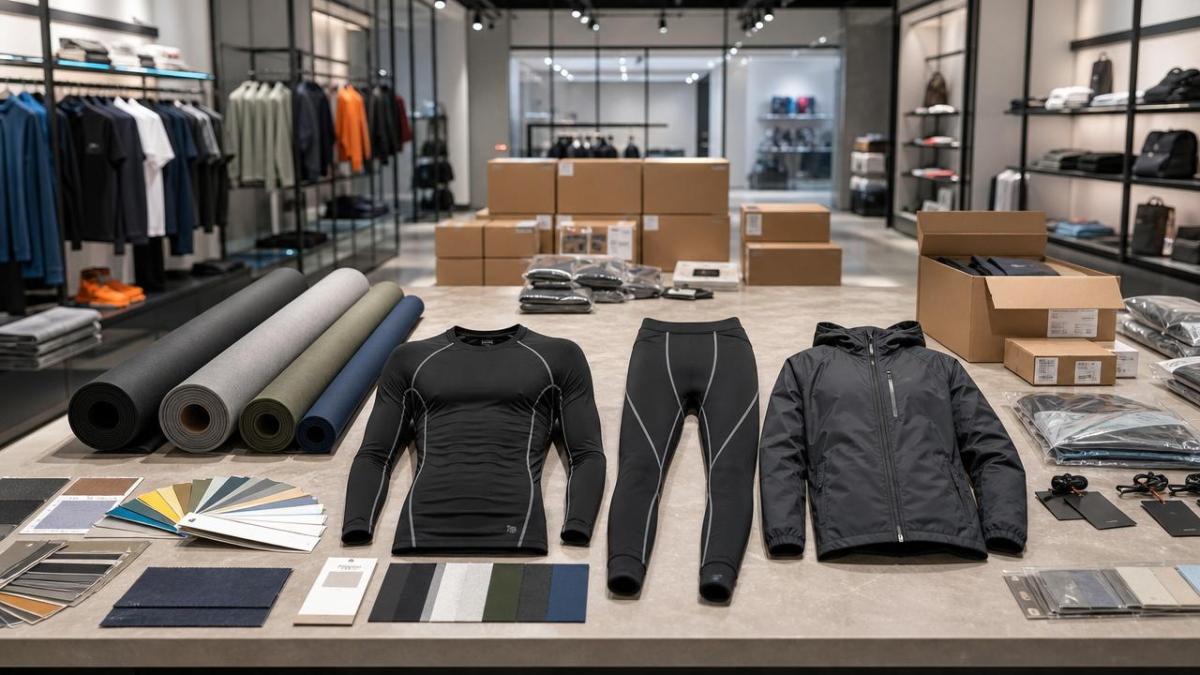
Across global sourcing, fitness apparel wholesale is changing under slower replenishment cycles, higher fabric volatility, and stronger demand for technical outdoor styling. MOQ is no longer a simple quantity rule. It has become a pricing lever.
Brands selling active tops, compression layers, trail leggings, and weather-ready training wear now face fragmented demand. More SKUs are needed, but each SKU may move in smaller volumes. That mismatch makes rigid MOQ terms more expensive.
Another shift comes from customization. Reflective trims, recycled fabrics, UV protection, bonded seams, and logo placement raise production complexity. Suppliers often protect efficiency with MOQ rules tied to color, fabric lot, or print method.
As a result, fitness apparel wholesale negotiations increasingly focus on MOQ structure rather than only FOB price. The real question is not “What is the cheapest unit?” It is “What order design creates the lowest total cost?”
The background signals showing MOQ terms now influence total landed cost
Several market signals explain why MOQ terms matter more today in fitness apparel wholesale and adjacent outdoor sports categories.
- Demand is less predictable across colors, sizes, and climate-specific styles.
- Material costs can change quickly for nylon, elastane blends, and recycled yarns.
- Factories seek stable production runs to offset labor and setup costs.
- Importers want faster launches with less dead stock exposure.
- Outdoor-oriented activewear requires more testing, trims, and finishing steps.
These signals show that MOQ is linked to planning efficiency. In fitness apparel wholesale, a poorly matched MOQ can raise warehousing costs, markdown risk, and capital lockup even when the supplier quote seems competitive.
What drives MOQ changes in fitness apparel wholesale today
MOQ terms usually reflect operational realities inside the supply chain. The table below shows common drivers and their cost effect.
In fitness apparel wholesale, MOQ may apply at several levels: total order quantity, style quantity, color quantity, or size ratio. That layered structure is where many hidden costs begin.
How MOQ terms reshape cost beyond the quoted price
The biggest mistake in fitness apparel wholesale is comparing offers only by unit price. MOQ changes the economics of the full order in at least five ways.
1. Inventory pressure grows faster than expected
A supplier may offer an excellent price at 3,000 units, but if demand supports only 1,800 units, the balance becomes carrying cost. Storage, handling, aging, and future discounting reduce the apparent savings.
2. Cash flow tightens before sell-through begins
Higher MOQ means more capital tied in stock, deposits, and in-transit goods. For fitness apparel wholesale, this matters when multiple collections launch across seasons or climate zones.
3. Customization fees may be spread inefficiently
Low-volume, multi-style sourcing often triggers separate logo screens, trim molds, and label setups. Even when MOQ is accepted, the final cost per piece can still rise sharply.
4. Freight efficiency does not always offset extra volume
Larger orders can improve shipping cost per unit, but only when the added quantity is actually needed. Otherwise, freight savings are smaller than the cost of unsold stock.
5. Markdown risk increases in trend-sensitive items
In fitness apparel wholesale, fashionable cuts, color stories, and outdoor crossover designs can lose momentum quickly. High MOQ magnifies exposure when preferences shift.
Where MOQ has the strongest impact across outdoor activewear business stages
MOQ influences more than buying. It changes planning quality from product development to post-sale inventory management.
- Development stage: sample revisions and technical upgrades may push small runs into expensive territory.
- Merchandising stage: broad size curves and color assortments become harder to balance.
- Sourcing stage: comparing suppliers requires MOQ-normalized cost analysis.
- Logistics stage: carton efficiency may improve, yet warehouse turnover can slow.
- Sales stage: replenishment flexibility drops when too much stock is committed upfront.
For outdoor sports equipment channels that bundle apparel with accessories, MOQ also affects assortment strategy. Overstocked apparel can restrict budget for faster-moving gear, limiting overall category performance.
The most important points to review before accepting fitness apparel wholesale MOQ terms
Before approving any fitness apparel wholesale order, several checks can reveal whether MOQ terms are commercially healthy.
- Confirm whether MOQ applies per order, per style, per color, or per size pack.
- Ask if stock fabrics can reduce minimums without harming performance standards.
- Separate one-time setup fees from repeat-order pricing.
- Calculate carrying cost for slow-moving units over three to six months.
- Test whether fewer colors or shared trims unlock a lower total cost.
- Check if partial delivery or staggered shipment is available.
- Compare landed cost at several quantity scenarios, not just one breakpoint.
These questions often create better results than simply pushing for a lower unit quote. In fitness apparel wholesale, structural flexibility can be more valuable than headline discounts.
Practical ways to respond when MOQ terms seem too high
When MOQ looks difficult, a useful response is to redesign the order rather than abandon the supplier immediately. The following options can lower total exposure.
A better decision model for fitness apparel wholesale cost control
A strong sourcing decision compares three numbers: unit price, landed cost, and post-sale cost. In fitness apparel wholesale, MOQ influences the second and third numbers more than most buyers expect.
Landed cost should include product price, setup fees, freight, duty, packaging, and financing impact. Post-sale cost should include storage, markdown probability, and replenishment flexibility.
This broader view is especially useful in outdoor sports equipment ecosystems, where technical apparel often supports seasonal campaigns, performance positioning, and bundled sales strategies.
What to do next as MOQ terms keep evolving
The direction is clear: fitness apparel wholesale is moving toward more complex cost structures, not simpler ones. MOQ terms will remain a major factor as product variation, compliance needs, and material specialization continue to grow.
The next step is to build supplier comparisons around total-cost scenarios instead of isolated quotes. Review MOQ by style, color, and fabric platform. Model inventory risk before approving final quantities.
For businesses tracking global sourcing shifts, TradeVantage and GTIIN provide market intelligence that supports sharper decisions across supplier evaluation, demand changes, and cost forecasting. Better information turns MOQ from a hidden burden into a negotiable variable.
In fitness apparel wholesale, the winners will not always be those buying cheapest. They will be those structuring MOQ terms to match real demand, healthy cash flow, and sustainable sell-through.
 How an industrial trade intelligence dashboard can identify new supplier marketsDiscover how an industrial trade intelligence dashboard helps identify new supplier markets by comparing capacity, landed cost, logistics resilience, and compliance risk.
 Which global market entry barriers should exporters assess first?Global market entry barriers exporters should assess first: tariffs, compliance, buyer qualification, logistics, and payment risk. Build a practical strategy for confident market entry.
 How trade data aggregation analytics can reveal emerging supplier marketsTrade data aggregation analytics reveals emerging supplier markets by connecting trade flows, capacity signals, logistics, and compliance insights for smarter sourcing decisions.
 When an export market analysis platform can validate demand in a new marketExport market analysis platform insights help validate new-market demand through buyer fit, regulations, logistics, competition, and profitable entry conditions.
 What is driving the beauty and personal care market in the USA?Beauty and personal care in USA is driven by targeted solutions, selective premiumization, digital discovery, clean-label trust, diverse needs, and compliance. Explore key growth opportunities.
 How trade flow monitoring reports reveal changing regional demandTrade flow monitoring reports reveal changing regional demand through import volumes, sourcing shifts, product mix, logistics signals, and regulatory trends. Explore actionable market insights.
 How international market intelligence for investors reduces market-entry riskInternational market intelligence for investors reduces market-entry risk by validating demand, regulations, logistics, and competition before capital is committed.
 How international sourcing intelligence helps identify supplier risk earlyInternational sourcing intelligence helps businesses spot supplier risks early, protect supply continuity, and make smarter global procurement decisions.
 How trade data aggregation analytics reveals emerging supplier marketsTrade data aggregation analytics reveals emerging supplier markets through export trends, input flows, logistics, and regulatory signals. Discover smarter sourcing insights.
 What industrial cluster monitoring in Vietnam reveals about site riskIndustrial cluster monitoring Vietnam reveals hidden site risks across labor, utilities, logistics, compliance, and supplier dependencies. Make smarter sourcing and expansion decisions.
 Food Technology Trends Reshaping Shelf Life, Safety, and Product InnovationFood technology is reshaping shelf life, safety, and innovation. Discover the trends helping food businesses cut risk, improve compliance, and unlock stronger global market growth.
 How electronics manufacturing services are changing with low-volume demandElectronics manufacturing services are evolving fast with low-volume demand. Learn how agile EMS partners improve flexibility, compliance, sourcing resilience, and speed to market.
 How Can Buyers Reduce Procurement Risks for Electronic Components?How to reduce procurement risks for electronic components: learn how buyers assess traceability, lead times, compliance, and supplier types to avoid costly sourcing mistakes.
 What Sourcing Intelligence India Reveals About Supplier Risk and Cost ShiftsSourcing intelligence India reveals hidden supplier risk, compliance gaps, logistics pressure, and real cost shifts—helping buyers compare vendors smarter and source with more confidence.
 Fashion Trends 2026: Which Materials, Colors, and Silhouettes Are Gaining Ground?Fashion trends 2026 spotlight tactile fabrics, mineral colors, and controlled volume. Explore the materials, shades, and silhouettes shaping smarter, more wearable style.
 Smart Device Market Outlook: Key Growth Drivers, Segments, and Business OpportunitiesSmart device market trends are shifting toward system value, industrial demand, and resilient supply chains. Explore key growth drivers, high-potential segments, and business opportunities.
 How Global Trade Intelligence Services Help B2B Firms Evaluate Markets and SuppliersGlobal trade intelligence services help B2B firms compare suppliers, assess market potential, and uncover compliance, logistics, and pricing risks before costly decisions are made.
 Manufacturing Sector Updates for Investors: What Signals Matter Most in 2025?Manufacturing sector updates for investors in 2025: track orders, margins, supply chains, regulation, and exports to spot resilient manufacturers and smarter investment signals.
 How Energy Market Intelligence Helps Businesses Track Price Risks and Demand ShiftsEnergy market intelligence helps businesses spot price risks, demand shifts, and supply pressure early—improving procurement, resilience, and faster strategic decisions.
 Precision Hardware Tools Market: Key Demand Drivers, Segments, and Growth OutlookPrecision hardware tools market trends are reshaping sourcing, compliance, and automation. Explore key demand drivers, segment shifts, regional supply patterns, and growth opportunities.
 How to Use Customs Import Data to Find Buyers, Track Competitors, and Spot Demand?Customs import data helps you find real buyers, track competitors, and spot demand shifts early. Learn practical ways to turn trade records into smarter global business decisions.





















Global Trade Insights & Industry
Our mission is to empower global exporters and importers with data-driven insights that foster strategic growth.
Search News
Popular Tags
Industry Overview
The global commercial kitchen equipment market is projected to reach $112 billion by 2027. Driven by urbanization, the rise of e-commerce food delivery, and strict hygiene regulations.