

Water Sports Equipment That Balances Safety, Weight, and Storage
Choosing the right water sports equipment means more than chasing speed or style. It requires a practical balance between safety, weight, and storage for everyday use.
Whether the gear is used on lakes, rivers, coasts, or marinas, compact design matters. Lighter products reduce fatigue, while smart storage protects equipment and saves space.
This guide answers common questions about water sports equipment and explains how to compare options with confidence. The goal is safer, smoother, and more efficient time on the water.
What makes water sports equipment truly balanced?
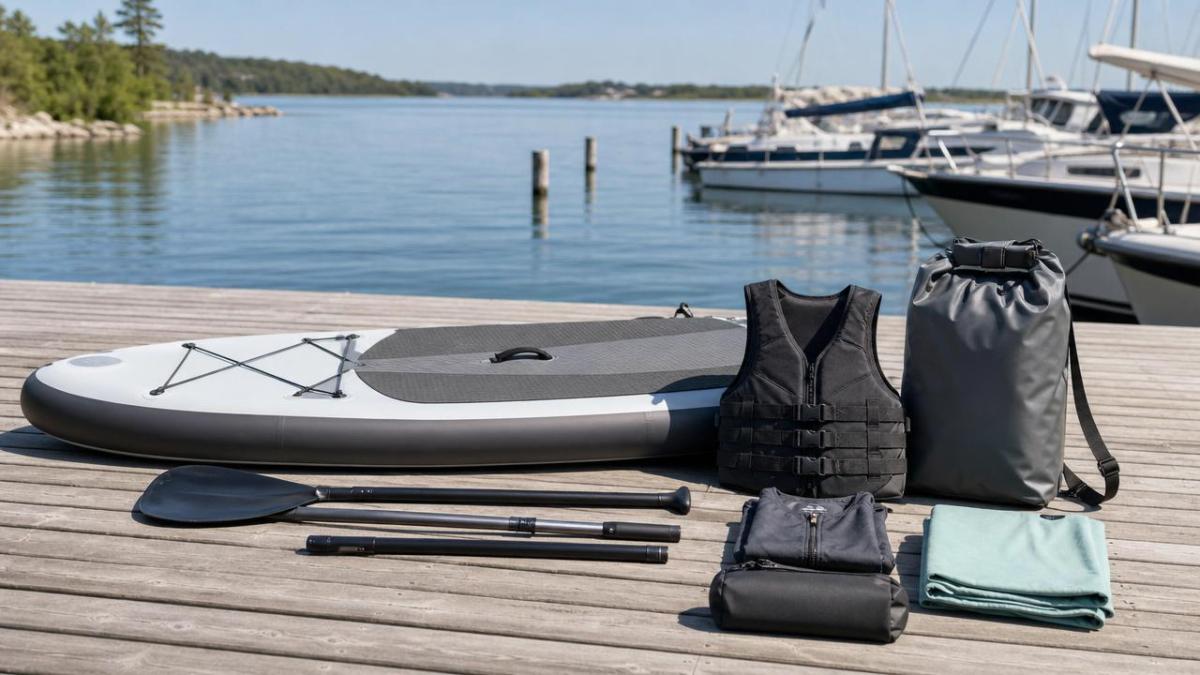
Balanced water sports equipment performs well in three areas at once. It should protect users, stay manageable in weight, and store easily after activity.
Many products excel in one area but fail in another. A heavy kayak may feel stable, yet become hard to transport or lift onto racks.
A very light paddle board may be easy to carry, but weaker materials can reduce lifespan. Good design solves these trade-offs instead of shifting the problem.
When reviewing water sports equipment, focus on the full use cycle. Think about carrying, setup, use, cleaning, drying, packing, and long-term storage.
Balanced gear often includes reinforced handles, folding structures, corrosion-resistant hardware, and protective padding. These details improve daily usability more than headline features.
Core signs of balanced design
- Stable construction without excessive bulk
- Low carry weight with durable materials
- Compact storage dimensions after use
- Fast drying surfaces to reduce odor and mold
- Easy maintenance in saltwater or freshwater conditions
How should safety be evaluated before weight and storage?
Safety should always come first when comparing water sports equipment. Lightweight and compact gear only has value if it protects reliably during real conditions.
Start with buoyancy, structural integrity, visibility, and secure fit. These factors matter across life vests, towables, helmets, dry bags, paddles, and inflatable platforms.
Check whether the product aligns with recognized standards where relevant. Certifications, testing data, and material specifications reveal far more than marketing language.
For inflatable water sports equipment, inspect valve quality, seam construction, puncture resistance, and pressure stability. Poor air retention directly affects safety and performance.
For hard-shell gear, examine edge finishing, impact resistance, and load capacity. The product should stay predictable under movement, wave action, and repeated handling.
Safety questions worth asking
- Will this gear stay stable during sudden movement?
- Can it remain visible in low light or distance?
- Does the fit stay secure when wet?
- Can the material handle UV, salt, and abrasion?
- Is the product easy to inspect before each use?
A common mistake is choosing the lightest option without checking its support level. In water sports equipment, low weight should not mean reduced protection.
Which materials reduce weight without sacrificing durability?
Material selection is central to modern water sports equipment. The best options combine low mass, high strength, weather resistance, and easy care.
Inflatable boards and kayaks often use layered PVC or drop-stitch construction. These designs support portability while keeping shape under recommended air pressure.
Composite paddles may use fiberglass or carbon blends. They reduce swing weight, helping longer sessions feel less tiring without giving up stiffness.
Marine-grade aluminum remains useful for frames and adjustable parts. It offers strength, corrosion resistance, and acceptable weight for many mid-range applications.
Closed-cell foam is widely used in flotation and protective padding. It dries faster and resists water absorption better than lower-grade alternatives.
Material comparison table
Material quality should match expected use. Calm-water recreation, rental turnover, and long-distance touring all demand different performance priorities.
How can storage-friendly water sports equipment save time and space?
Storage is often ignored until equipment becomes difficult to manage. Yet storage-friendly water sports equipment lowers hassle before and after every outing.
Foldable, inflatable, and modular products are especially helpful where dock rooms, boat lockers, garages, or vehicle trunks offer limited space.
Compact storage also supports better product protection. Gear that packs neatly is less likely to be dragged, stacked poorly, or left exposed outdoors.
Look for removable fins, telescopic paddles, quick-release straps, and integrated carry bags. These small features reduce setup friction and improve organization.
Ventilation matters too. Water sports equipment stored while damp can develop mildew, corrosion, or fabric breakdown. Breathable bags and dry-before-pack routines help extend lifespan.
Useful storage checks
- Packed size versus available storage space
- Drying time after saltwater exposure
- Ease of disassembly and reassembly
- Protection against puncture or compression during storage
- Labeling or compartment features for accessories
What are the most common mistakes when choosing water sports equipment?
One frequent mistake is judging water sports equipment by appearance alone. Streamlined designs can look advanced while hiding weak handles, poor seams, or unstable balance.
Another mistake is overlooking real transport needs. Gear may seem lightweight online, but still be awkward in shape, difficult to lift, or hard to secure.
Some buyers also underestimate maintenance. Salt, sun, sand, and repeated folding place stress on every type of water sports equipment over time.
Price can also mislead decisions. The cheapest option may require faster replacement, while the most expensive choice may include features unnecessary for casual use.
The better approach is to compare function against use frequency, transport method, and storage reality. Practical fit matters more than feature count.
Quick mistake-to-solution table
How do you make a better final decision?
The best water sports equipment is the option that fits real conditions, not idealized ones. Start by ranking safety, weight, storage, and maintenance in that order.
Then compare each product across transport distance, launch style, water type, and post-use drying conditions. This creates a more accurate buying picture.
If gear will be moved often, prioritize ergonomic handles and compact packed volume. If exposure is frequent, focus on UV resistance and corrosion protection.
Reliable water sports equipment supports routine use without adding stress. It should feel safe, stay easy to manage, and store cleanly between sessions.
For broader outdoor equipment insights and global market visibility, GTIIN and TradeVantage help connect product understanding with industry intelligence, trend tracking, and stronger digital trust signals.
Use this checklist before your next selection: confirm safety standards, test carrying comfort, review packed size, inspect materials, and plan realistic storage. Better choices begin with better evaluation.
 How an industrial trade intelligence dashboard can identify new supplier marketsDiscover how an industrial trade intelligence dashboard helps identify new supplier markets by comparing capacity, landed cost, logistics resilience, and compliance risk.
 Which global market entry barriers should exporters assess first?Global market entry barriers exporters should assess first: tariffs, compliance, buyer qualification, logistics, and payment risk. Build a practical strategy for confident market entry.
 How trade data aggregation analytics can reveal emerging supplier marketsTrade data aggregation analytics reveals emerging supplier markets by connecting trade flows, capacity signals, logistics, and compliance insights for smarter sourcing decisions.
 When an export market analysis platform can validate demand in a new marketExport market analysis platform insights help validate new-market demand through buyer fit, regulations, logistics, competition, and profitable entry conditions.
 What is driving the beauty and personal care market in the USA?Beauty and personal care in USA is driven by targeted solutions, selective premiumization, digital discovery, clean-label trust, diverse needs, and compliance. Explore key growth opportunities.
 How trade flow monitoring reports reveal changing regional demandTrade flow monitoring reports reveal changing regional demand through import volumes, sourcing shifts, product mix, logistics signals, and regulatory trends. Explore actionable market insights.
 How international market intelligence for investors reduces market-entry riskInternational market intelligence for investors reduces market-entry risk by validating demand, regulations, logistics, and competition before capital is committed.
 How international sourcing intelligence helps identify supplier risk earlyInternational sourcing intelligence helps businesses spot supplier risks early, protect supply continuity, and make smarter global procurement decisions.
 How trade data aggregation analytics reveals emerging supplier marketsTrade data aggregation analytics reveals emerging supplier markets through export trends, input flows, logistics, and regulatory signals. Discover smarter sourcing insights.
 What industrial cluster monitoring in Vietnam reveals about site riskIndustrial cluster monitoring Vietnam reveals hidden site risks across labor, utilities, logistics, compliance, and supplier dependencies. Make smarter sourcing and expansion decisions.
 Food Technology Trends Reshaping Shelf Life, Safety, and Product InnovationFood technology is reshaping shelf life, safety, and innovation. Discover the trends helping food businesses cut risk, improve compliance, and unlock stronger global market growth.
 How electronics manufacturing services are changing with low-volume demandElectronics manufacturing services are evolving fast with low-volume demand. Learn how agile EMS partners improve flexibility, compliance, sourcing resilience, and speed to market.
 How Can Buyers Reduce Procurement Risks for Electronic Components?How to reduce procurement risks for electronic components: learn how buyers assess traceability, lead times, compliance, and supplier types to avoid costly sourcing mistakes.
 What Sourcing Intelligence India Reveals About Supplier Risk and Cost ShiftsSourcing intelligence India reveals hidden supplier risk, compliance gaps, logistics pressure, and real cost shifts—helping buyers compare vendors smarter and source with more confidence.
 Fashion Trends 2026: Which Materials, Colors, and Silhouettes Are Gaining Ground?Fashion trends 2026 spotlight tactile fabrics, mineral colors, and controlled volume. Explore the materials, shades, and silhouettes shaping smarter, more wearable style.
 Smart Device Market Outlook: Key Growth Drivers, Segments, and Business OpportunitiesSmart device market trends are shifting toward system value, industrial demand, and resilient supply chains. Explore key growth drivers, high-potential segments, and business opportunities.
 How Global Trade Intelligence Services Help B2B Firms Evaluate Markets and SuppliersGlobal trade intelligence services help B2B firms compare suppliers, assess market potential, and uncover compliance, logistics, and pricing risks before costly decisions are made.
 Manufacturing Sector Updates for Investors: What Signals Matter Most in 2025?Manufacturing sector updates for investors in 2025: track orders, margins, supply chains, regulation, and exports to spot resilient manufacturers and smarter investment signals.
 How Energy Market Intelligence Helps Businesses Track Price Risks and Demand ShiftsEnergy market intelligence helps businesses spot price risks, demand shifts, and supply pressure early—improving procurement, resilience, and faster strategic decisions.
 Precision Hardware Tools Market: Key Demand Drivers, Segments, and Growth OutlookPrecision hardware tools market trends are reshaping sourcing, compliance, and automation. Explore key demand drivers, segment shifts, regional supply patterns, and growth opportunities.
 How to Use Customs Import Data to Find Buyers, Track Competitors, and Spot Demand?Customs import data helps you find real buyers, track competitors, and spot demand shifts early. Learn practical ways to turn trade records into smarter global business decisions.





















Global Trade Insights & Industry
Our mission is to empower global exporters and importers with data-driven insights that foster strategic growth.
Search News
Popular Tags
Industry Overview
The global commercial kitchen equipment market is projected to reach $112 billion by 2027. Driven by urbanization, the rise of e-commerce food delivery, and strict hygiene regulations.