

Pet Healthcare Products With Hidden Costs After Purchase
Pet healthcare products often appear affordable at the point of purchase, but finance-focused buyers know the initial invoice rarely reflects the full cost. In practice, recurring consumables, storage requirements, calibration, staff training, compliance documentation, returns, and product failure rates can materially change total spending over time.
For financial approvers, the key question is not whether a product has a competitive unit price. It is whether the product can deliver reliable operational value across its full lifecycle without creating hidden budget pressure. That is especially true when evaluating pet healthcare products for clinics, distributors, retailers, boarding businesses, and cross-border supply chains.
This article explains where post-purchase costs typically arise, how to compare suppliers beyond headline pricing, and what procurement teams should ask before approving a purchase. The goal is simple: reduce cost surprises, protect margins, and improve long-term purchasing decisions.
Why the Cheapest Pet Healthcare Products Often Become the Most Expensive Option
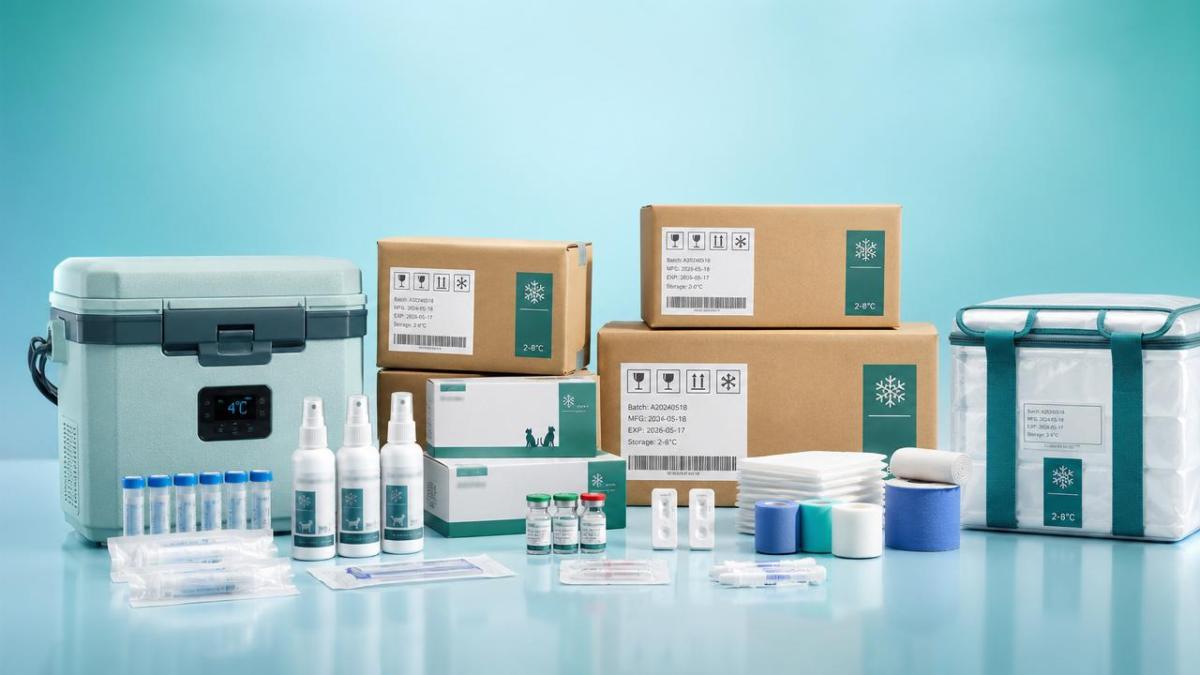
In pet healthcare procurement, low upfront pricing can be misleading. Products that look inexpensive during sourcing may generate higher downstream costs through replacement frequency, packaging waste, special storage needs, or higher handling requirements.
For finance teams, this means the relevant metric is total cost of ownership rather than purchase price alone. A product with a higher initial cost may still be more economical if it reduces spoilage, labor, downtime, or compliance risk.
This issue is particularly important in categories such as supplements, wound care items, diagnostic kits, hygiene solutions, dispensers, recovery aids, and other pet healthcare products that require ongoing use or controlled storage conditions.
Many buyers underestimate the cumulative impact of small recurring expenses. Individually, each extra label, refill, shipping adjustment, or damaged unit may seem minor. Across months or multiple locations, those costs can significantly affect procurement efficiency and margin performance.
What Financial Approvers Should Evaluate Before Looking at Unit Price
Financial decision-makers usually care about budget predictability, operational efficiency, supplier reliability, and risk exposure. That means product evaluation should begin with business fit, not just catalog pricing or promotional discounts.
Start by asking how the product will be used. Will it be consumed daily, occasionally, or seasonally? Does it require add-on items to function properly? Does it create ongoing service obligations or replacement cycles that procurement has not included in the budget?
Also assess where the product sits in the operating model. A veterinary clinic may care most about treatment continuity and staff workflow. A distributor may care more about shelf life, return rates, labeling compliance, and freight efficiency.
The finance function should also verify whether the supplier provides reliable supporting data. Without clear documentation on shelf life, storage conditions, usage rates, defect policy, and warranty terms, cost forecasting becomes weaker and approval decisions become more speculative.
The Most Common Hidden Costs After Purchase
One of the most frequent hidden costs is recurring consumables. Some pet healthcare products require proprietary refills, replacement cartridges, applicators, pads, packaging components, or maintenance materials that are not obvious during the initial quotation stage.
Another common issue is storage and handling. Temperature-sensitive goods may require refrigerated transport, insulated packaging, humidity control, or tighter inventory rotation. These conditions increase warehousing complexity and can raise loss rates if stock management is inconsistent.
Compliance-related costs also matter. Depending on the market, pet healthcare products may need batch traceability, translated labeling, certificates, ingredient disclosures, safety statements, or additional import documentation. These costs may not appear on the product sheet, but they directly affect landed cost.
Training is another overlooked area. If frontline staff need extra instruction to use, explain, dispense, or maintain the product correctly, labor costs rise. Misuse can also increase waste, complaints, and replacement claims, which makes the original price advantage less meaningful.
Returns and failure rates should be reviewed carefully as well. Fragile packaging, inconsistent formulation, short remaining shelf life, or poor product clarity can produce customer dissatisfaction and reverse logistics costs. For businesses operating at scale, these losses can materially reduce profitability.
Finally, replenishment timing can create hidden financial pressure. If a product has long lead times or unstable supply, buyers may need to hold more safety stock. That ties up working capital and increases the risk of expiry, especially in fast-changing retail or clinic environments.
How to Calculate the Real Total Cost of Ownership
To make stronger approval decisions, finance teams should use a simple total cost of ownership framework. This means adding all lifecycle costs, not just the purchase order amount, and comparing products over a realistic use period.
A practical model includes six categories: acquisition cost, logistics cost, storage cost, usage-related cost, compliance cost, and failure or replacement cost. Even a basic worksheet can quickly reveal that two similar products have very different long-term financial outcomes.
For example, a lower-cost treatment spray may require more frequent reordering, suffer more leakage in transit, and have a shorter usable life after opening. A moderately higher-priced alternative may reduce waste enough to create lower annual spend.
Finance teams should request data on average usage rates, expected shelf life after opening, minimum order quantities, return policies, and historical defect levels. If a supplier cannot provide this information, the cost model should include a higher risk assumption.
It is also useful to compare landed cost by application outcome rather than by unit. In many cases, pet healthcare products should be evaluated according to cost per treatment, cost per animal served, or cost per month of operational use.
Questions Procurement Teams Should Ask Suppliers
Strong supplier questioning is one of the most effective ways to reduce hidden costs. Approval should not rely only on samples, brochures, or list prices. The objective is to expose operational details before the contract is signed.
Ask whether the product requires accessories, dedicated dispensers, refills, software support, or maintenance tools. Clarify whether these items are included, optional, or mandatory for proper use. Hidden dependence on add-ons is a common source of budget drift.
Confirm storage requirements in writing. Teams should know the exact temperature range, transport sensitivity, carton durability, and shelf-life expectations on delivery. This is especially important for importers managing long transit windows.
Request a clear statement on breakage, nonconformity, and expiry claims. If the claims process is slow or restrictive, replacement costs may fall back on the buyer. In financial terms, poor after-sales support functions like an invisible surcharge.
It is also wise to ask about formulation consistency, packaging updates, and regulatory adaptation across markets. Even small changes can trigger relabeling, approval delays, or customer confusion, all of which add indirect costs after purchase.
Where Hidden Costs Hurt Margins the Most
The margin impact of hidden costs depends on the business model. In veterinary clinics, workflow disruption and treatment inconsistency are often more expensive than the product itself. Time lost by trained staff can quickly exceed any purchasing discount.
For distributors and importers, hidden costs often appear in freight inefficiency, customs complications, damaged goods, and variable sell-through rates. Products with weak packaging or unclear documentation are especially risky in cross-border trade environments.
Retailers and ecommerce sellers face another challenge: customer trust. If pet healthcare products create confusion, poor reviews, or high return rates, the business absorbs not only direct refund costs but also reputational and ranking losses.
Multi-location operators such as chains, boarding groups, or franchise networks should pay close attention to standardization. A product that performs differently by location can create inventory imbalance, uneven staff behavior, and inconsistent cost control.
How Better Approval Criteria Can Prevent Budget Surprises
One effective approach is to require a post-purchase cost checklist before approval. This can include storage conditions, usage assumptions, reorder frequency, training needs, return exposure, and compliance obligations. A structured checklist improves consistency across buying decisions.
Another strong practice is pilot purchasing. Instead of scaling immediately, buyers can test a product in limited locations or volumes and track real-world data. This reduces the risk of overcommitting to pet healthcare products that look promising but perform poorly in practice.
Finance and procurement should also align on acceptable risk thresholds. If supplier data is incomplete, teams can approve only under tighter reorder controls, lower volume commitments, or stronger contractual protections.
Finally, build supplier comparisons around long-term operating value. A vendor that offers stable documentation, responsive support, and reliable replenishment may create more financial value than one offering a lower opening quote but weaker execution.
A Smarter Way to Buy Pet Healthcare Products
The most cost-effective pet healthcare products are not always the ones with the lowest invoice price. They are the products that perform consistently, move efficiently through the supply chain, require minimal intervention, and create fewer downstream problems.
For financial approvers, the decision framework should focus on full lifecycle economics. That includes hidden consumables, labor impact, compliance effort, inventory risk, and replacement exposure. When these factors are measured early, procurement outcomes become more predictable.
In competitive markets, stronger sourcing decisions support not only cost control but also resilience. Businesses that evaluate post-purchase costs more carefully are better positioned to protect margins, avoid disruption, and allocate capital with greater confidence.
In short, buying pet healthcare products strategically means looking beyond the product sheet. The real savings come from disciplined evaluation, better supplier questions, and approval standards built around total operational value rather than headline price alone.
 How an industrial trade intelligence dashboard can identify new supplier marketsDiscover how an industrial trade intelligence dashboard helps identify new supplier markets by comparing capacity, landed cost, logistics resilience, and compliance risk.
 Which global market entry barriers should exporters assess first?Global market entry barriers exporters should assess first: tariffs, compliance, buyer qualification, logistics, and payment risk. Build a practical strategy for confident market entry.
 How trade data aggregation analytics can reveal emerging supplier marketsTrade data aggregation analytics reveals emerging supplier markets by connecting trade flows, capacity signals, logistics, and compliance insights for smarter sourcing decisions.
 When an export market analysis platform can validate demand in a new marketExport market analysis platform insights help validate new-market demand through buyer fit, regulations, logistics, competition, and profitable entry conditions.
 What is driving the beauty and personal care market in the USA?Beauty and personal care in USA is driven by targeted solutions, selective premiumization, digital discovery, clean-label trust, diverse needs, and compliance. Explore key growth opportunities.
 How trade flow monitoring reports reveal changing regional demandTrade flow monitoring reports reveal changing regional demand through import volumes, sourcing shifts, product mix, logistics signals, and regulatory trends. Explore actionable market insights.
 How international market intelligence for investors reduces market-entry riskInternational market intelligence for investors reduces market-entry risk by validating demand, regulations, logistics, and competition before capital is committed.
 How international sourcing intelligence helps identify supplier risk earlyInternational sourcing intelligence helps businesses spot supplier risks early, protect supply continuity, and make smarter global procurement decisions.
 How trade data aggregation analytics reveals emerging supplier marketsTrade data aggregation analytics reveals emerging supplier markets through export trends, input flows, logistics, and regulatory signals. Discover smarter sourcing insights.
 What industrial cluster monitoring in Vietnam reveals about site riskIndustrial cluster monitoring Vietnam reveals hidden site risks across labor, utilities, logistics, compliance, and supplier dependencies. Make smarter sourcing and expansion decisions.
 Food Technology Trends Reshaping Shelf Life, Safety, and Product InnovationFood technology is reshaping shelf life, safety, and innovation. Discover the trends helping food businesses cut risk, improve compliance, and unlock stronger global market growth.
 How electronics manufacturing services are changing with low-volume demandElectronics manufacturing services are evolving fast with low-volume demand. Learn how agile EMS partners improve flexibility, compliance, sourcing resilience, and speed to market.
 How Can Buyers Reduce Procurement Risks for Electronic Components?How to reduce procurement risks for electronic components: learn how buyers assess traceability, lead times, compliance, and supplier types to avoid costly sourcing mistakes.
 What Sourcing Intelligence India Reveals About Supplier Risk and Cost ShiftsSourcing intelligence India reveals hidden supplier risk, compliance gaps, logistics pressure, and real cost shifts—helping buyers compare vendors smarter and source with more confidence.
 Fashion Trends 2026: Which Materials, Colors, and Silhouettes Are Gaining Ground?Fashion trends 2026 spotlight tactile fabrics, mineral colors, and controlled volume. Explore the materials, shades, and silhouettes shaping smarter, more wearable style.
 Smart Device Market Outlook: Key Growth Drivers, Segments, and Business OpportunitiesSmart device market trends are shifting toward system value, industrial demand, and resilient supply chains. Explore key growth drivers, high-potential segments, and business opportunities.
 How Global Trade Intelligence Services Help B2B Firms Evaluate Markets and SuppliersGlobal trade intelligence services help B2B firms compare suppliers, assess market potential, and uncover compliance, logistics, and pricing risks before costly decisions are made.
 Manufacturing Sector Updates for Investors: What Signals Matter Most in 2025?Manufacturing sector updates for investors in 2025: track orders, margins, supply chains, regulation, and exports to spot resilient manufacturers and smarter investment signals.
 How Energy Market Intelligence Helps Businesses Track Price Risks and Demand ShiftsEnergy market intelligence helps businesses spot price risks, demand shifts, and supply pressure early—improving procurement, resilience, and faster strategic decisions.
 Precision Hardware Tools Market: Key Demand Drivers, Segments, and Growth OutlookPrecision hardware tools market trends are reshaping sourcing, compliance, and automation. Explore key demand drivers, segment shifts, regional supply patterns, and growth opportunities.
 How to Use Customs Import Data to Find Buyers, Track Competitors, and Spot Demand?Customs import data helps you find real buyers, track competitors, and spot demand shifts early. Learn practical ways to turn trade records into smarter global business decisions.





















Global Trade Insights & Industry
Our mission is to empower global exporters and importers with data-driven insights that foster strategic growth.
Search News
Popular Tags
Industry Overview
The global commercial kitchen equipment market is projected to reach $112 billion by 2027. Driven by urbanization, the rise of e-commerce food delivery, and strict hygiene regulations.