Formal Wear for Weddings: Fit and Fabric Guide
Choosing formal wear for weddings can feel overwhelming when dress codes, seasons, venues, and personal style all matter.
The right outfit should look polished, fit comfortably, and suit the level of formality without overshadowing the couple.
This guide breaks down flattering cuts, suitable fabrics, and refined details for different wedding settings with practical, wearable advice.
Start With the Dress Code, Then Adjust for Venue and Season
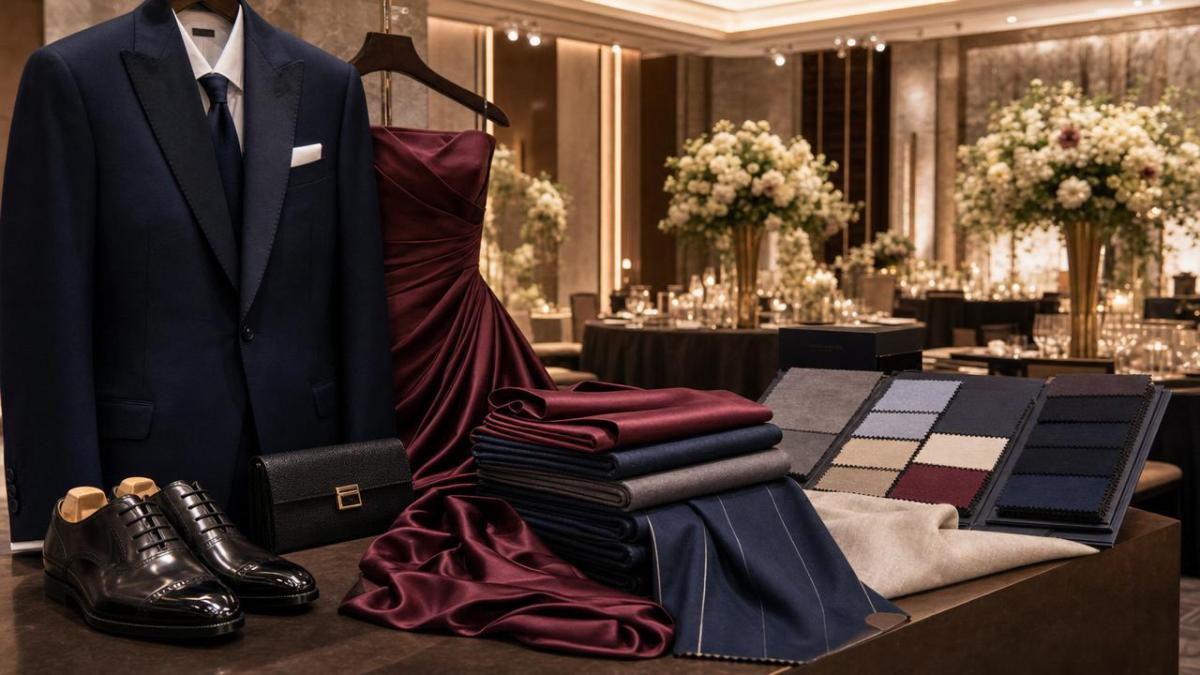
The smartest way to choose formal wear for weddings is to read the invitation first, then interpret the setting realistically.
Black tie, formal, semi-formal, cocktail, and beach formal all suggest different levels of structure, fabric weight, and styling.
If the dress code is unclear, the venue often gives useful clues about how polished your outfit should be.
A ballroom wedding usually calls for darker suits, tuxedos, gowns, or elevated dresses with refined shoes and accessories.
A garden, vineyard, or coastal venue may allow softer colors, lighter fabrics, and slightly more relaxed tailoring.
Season also matters because comfort affects confidence, posture, and how well your outfit holds its shape throughout the event.
For summer weddings, prioritize breathable fabrics and silhouettes that move easily without looking casual or underdressed.
For winter weddings, richer textures, deeper colors, layered tailoring, and heavier fabrics often feel more appropriate.
How Formal Should You Actually Dress?
Many guests worry about being either overdressed or underdressed, but underdressing is usually the greater risk.
A wedding is a ceremonial occasion, so polished clothing shows respect for the couple, the venue, and the photographs.
For black tie, men should consider a tuxedo, formal shirt, bow tie, dress shoes, and restrained accessories.
Women can choose a floor-length gown, an elegant midi dress, or a sophisticated evening suit depending on the setting.
For formal or black-tie optional weddings, a dark suit or long dress usually works without feeling excessive.
Semi-formal allows more flexibility, but guests should still avoid casual fabrics, everyday sneakers, denim, and overly relaxed shapes.
Cocktail attire is dressy but not ceremonial, making tailored suits, elegant short dresses, jumpsuits, and polished separates appropriate.
Beach formal does not mean casual beachwear; it means lighter fabrics, refined sandals, linen blends, and clean silhouettes.
Fit Comes First: What Makes Wedding Formal Wear Look Expensive
Even the finest fabric will look ordinary if the fit is wrong, so prioritize proportions before focusing on labels.
A well-fitted outfit should allow movement, flatter your frame, and avoid pulling, sagging, gaping, or excessive looseness.
For suits, the shoulder seam should sit naturally at the shoulder edge without drooping or creating tension.
The jacket should close smoothly, with no strong X-shaped pulling around the button when standing comfortably.
Sleeves should reveal a small amount of shirt cuff, while trousers should skim the waist without needing constant adjustment.
For dresses, pay attention to the bust, waist, hip, and length, especially if you will sit, dance, or walk outdoors.
A dress that looks beautiful while standing may feel restrictive if the fabric has no stretch or the slit is misplaced.
Jumpsuits and tailored separates should define shape without bunching at the crotch, pulling across the back, or dragging at the hem.
Alterations can make mid-priced formal wear look far more polished, particularly hemming, sleeve adjustments, and waist shaping.
Best Fabrics for Warm-Weather Weddings
Warm-weather weddings require a balance between breathability and formality, especially for outdoor ceremonies and long receptions.
Linen is cool and elegant, but it wrinkles easily, so choose linen blends for a sharper formal appearance.
Cotton suiting works well for daytime weddings, especially in lighter colors such as tan, stone, soft blue, or sage.
Tropical wool is often underestimated because it breathes better than many synthetics while maintaining a refined drape.
For dresses, silk, chiffon, georgette, crepe, and lightweight satin can feel dressy without becoming too heavy.
Avoid overly thick polyester in hot weather because it can trap heat and become uncomfortable during crowded indoor receptions.
If the ceremony is outdoors, check whether the fabric becomes transparent in sunlight or clings in humidity.
Light colors can feel seasonal, but guests should avoid white, ivory, or shades that may photograph like bridal attire.
Best Fabrics for Cool-Weather and Evening Weddings
Cool-weather weddings allow richer fabrics that create depth, structure, and a stronger sense of occasion.
Wool suiting is a reliable choice because it drapes well, resists wrinkles, and works across many formal dress codes.
Velvet is excellent for evening weddings, especially in dinner jackets, gowns, wraps, or accessories with a luxurious finish.
Satin and silk blends can look elegant under evening lighting, though they require careful fit to avoid highlighting wrinkles.
Crepe is a strong option for dresses and jumpsuits because it offers structure, movement, and a smooth formal surface.
For winter ceremonies, consider layering with a tailored coat, dress shawl, formal wrap, or sleek overcoat.
Avoid bulky outerwear that clashes with the outfit, especially if the event includes formal photographs outside.
Dark navy, charcoal, burgundy, forest green, espresso, and black often feel appropriate for colder months and evening venues.
Color Choices That Look Polished Without Stealing Attention
Color should support the occasion, flatter your complexion, and avoid competing with the wedding party.
When in doubt, classic neutrals such as navy, charcoal, taupe, champagne, and deep green are safe and elegant.
Guests should generally avoid white, ivory, cream, and pale blush unless the couple specifically requests those colors.
Very bright neon shades can look distracting in photographs and may feel less refined at formal ceremonies.
Black is widely acceptable for many modern weddings, especially evening, city, hotel, and black-tie events.
For daytime weddings, softer colors or muted prints can feel celebratory while still respecting the formality level.
If you choose a print, keep the scale and contrast appropriate, avoiding patterns that appear too casual or loud.
Couples sometimes list a color palette on their wedding website, which can help guests avoid clashing with attendants.
Details That Separate Formal From Merely Dressy
Small details often determine whether an outfit feels wedding-ready or simply suitable for dinner.
For men, polished leather shoes, a crisp shirt, a quality tie, and neat grooming make a major difference.
A pocket square can add personality, but it should complement the outfit rather than match the tie exactly.
For women, refined shoes, structured bags, tasteful jewelry, and intentional hair styling can elevate a simple dress.
Hemlines matter because overly short dresses may feel uncomfortable during ceremonies, family photos, or religious settings.
Necklines should also suit the venue and dress code, especially for traditional, cultural, or formal religious weddings.
Wrinkle-free presentation is essential, so steam garments before leaving and transport delicate pieces carefully.
Comfort details are not secondary because painful shoes or tight waistbands can distract you for the entire celebration.
Footwear: Choose Shoes for Both Elegance and Endurance
Wedding days involve standing, walking, greeting people, posing for photos, and dancing, so footwear must be practical.
Men should choose dress shoes that match the formality, such as oxfords, derbies, loafers, or patent shoes for black tie.
Women can wear heels, dressy flats, block heels, slingbacks, or refined sandals depending on the venue surface.
Stilettos may sink into grass, gravel, or sand, making block heels or wedges better for outdoor ceremonies.
New shoes should be tested before the wedding because formal events are rarely forgiving to stiff leather or narrow straps.
Shoe color should connect with the outfit, but it does not always need to match the bag perfectly.
For black tie, footwear should look especially polished, with minimal scuffing, clean soles, and a dressy silhouette.
Common Mistakes to Avoid When Choosing Wedding Formal Wear
The most common mistake is ignoring the invitation and dressing for personal convenience instead of the event.
Another mistake is choosing a dramatic outfit that draws attention away from the couple or appears costume-like.
Guests should avoid anything too revealing, too casual, poorly pressed, visibly worn, or inappropriate for the venue.
Wearing uncomfortable clothing is also a mistake because constant adjusting makes even expensive formal wear look awkward.
Do not wait until the last minute to try everything together, including shoes, undergarments, coat, jewelry, and bag.
Undergarments matter because visible lines, unsupported shapes, or wrong colors can affect the entire outfit.
If tailoring is needed, plan ahead because simple alterations often require several days or more during busy seasons.
A Practical Checklist Before You Leave
Before attending the wedding, confirm that your outfit matches the dress code, venue, season, and time of day.
Check the fit while standing, sitting, walking, raising your arms, and bending slightly to avoid surprises.
Look at the outfit in natural and indoor lighting because some fabrics change color or reveal sheerness.
Steam or press garments, polish shoes, remove loose threads, and make sure buttons, zippers, and clasps are secure.
Pack small essentials such as stain wipes, blister pads, fashion tape, safety pins, and a compact lint roller.
If the wedding includes travel, use a garment bag and hang formal pieces as soon as you arrive.
Finally, choose an outfit that lets you celebrate comfortably while showing respect for the couple’s chosen occasion.
Conclusion: The Best Wedding Formal Wear Looks Intentional
The best formal wear for weddings is not simply the most expensive or trend-driven choice.
It is the outfit that fits well, suits the dress code, feels comfortable, and photographs beautifully without distraction.
Start with the invitation, refine your choice through venue and season, then focus on fabric, fit, and finishing details.
When those elements work together, you can arrive confident, respectful, and ready to enjoy the celebration fully.