Formal Wear for Weddings: Rental or Purchase?
Choosing formal wear for weddings can feel surprisingly complicated when budget, style, comfort, and future use all matter at once.
Whether you are a guest, groomsman, parent, or wedding party member, the smartest choice depends on more than the event date.
This guide breaks down rental and purchase decisions so you can choose confidently, avoid waste, and look appropriate for the occasion.
Rental or purchase: the quick answer most wedding guests need
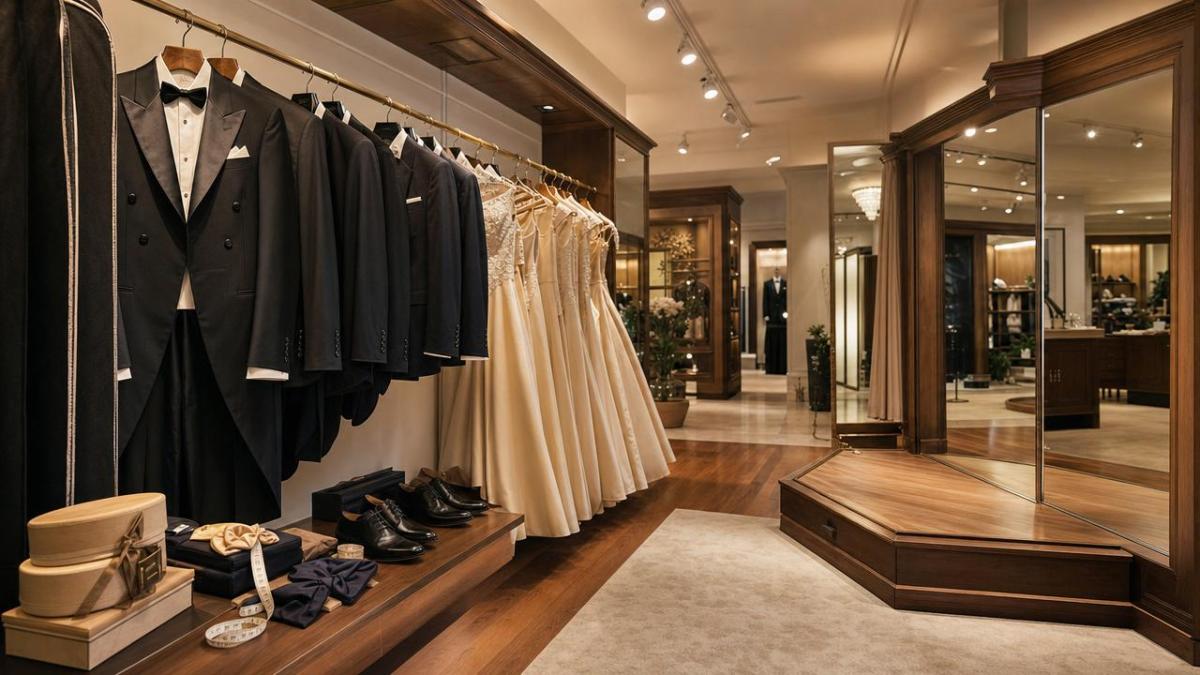
Rent formal wear if the dress code is strict, the style is unusual, or you rarely attend formal events.
Purchase formal wear if you expect repeated use, need precise tailoring, or want a reliable outfit for future weddings and events.
The break-even point is usually two or three wears, depending on rental fees, alteration costs, and the quality of purchased garments.
For many people, the best answer is practical rather than emotional: choose the option that gives comfort, fit, and value.
If the wedding is black tie, destination-based, or themed, renting can reduce cost while keeping you visually aligned with expectations.
If the wedding is semi-formal, cocktail, or business formal, buying may build a useful wardrobe beyond one celebration.
Start with the dress code before thinking about price
The dress code tells you how formal the outfit must be, and that should guide rental or purchase decisions first.
Black tie usually means a tuxedo, formal gown, evening suit, or elevated accessories that many people do not own.
In that case, renting can make sense because you get occasion-specific formal wear without committing to limited-use pieces.
Formal or black-tie optional weddings offer more flexibility, especially for guests who already own a dark suit or elegant dress.
Cocktail and semi-formal weddings often favor purchase, since versatile dresses, suits, shoes, and accessories can be worn again.
Beach, garden, cultural, or themed weddings require extra attention because fabric, color, and silhouette may matter as much as formality.
Before spending anything, read the invitation, wedding website, venue details, and season, then clarify expectations if you are unsure.
When renting formal wear for weddings makes the most sense
Rental is strongest when you need a polished outfit for one specific event and do not expect frequent reuse.
It is especially useful for tuxedos, evening gowns, specialty jackets, designer pieces, and coordinated wedding party attire.
Renting also helps when trends matter, because you can choose a current style without storing it for years.
For groomsmen or bridesmaids, rental can simplify coordination if the couple wants consistent color, fabric, or silhouette.
Another advantage is access: rental services often provide higher-end garments than many shoppers would comfortably purchase outright.
This can be valuable for formal photography, luxury venues, or weddings where presentation carries social importance.
However, rental is not automatically cheaper if delivery, insurance, cleaning, late fees, and temporary alterations increase the final bill.
Always compare the complete rental cost with a realistic purchase option, not only the advertised base price.
When purchasing formal wear is the better long-term choice
Purchasing becomes more attractive when you attend weddings, galas, business dinners, ceremonies, or holiday events several times yearly.
A well-fitted navy suit, black suit, dinner jacket, cocktail dress, or formal jumpsuit can serve many occasions.
Ownership also allows proper tailoring, which often creates a better look than a standard rental size.
Fit matters because formal wear is judged in photographs, while walking, sitting, dancing, and greeting other guests.
Buying is also better if you have unique sizing needs, sensory preferences, modesty requirements, or specific fabric sensitivities.
When you own the garment, you can adjust sleeves, hems, waistlines, straps, linings, and closures without rental restrictions.
The main risk is buying something too trend-driven, too seasonal, or too specific for only one wedding.
To reduce that risk, choose classic shapes, flexible colors, and accessories that can change the mood later.
How to compare total cost, not just the price tag
A rental quote may look appealing, but the true cost includes shipping, damage protection, cleaning, accessories, and possible rush charges.
A purchase price may look higher, but the total value improves when the garment is worn several times.
For a simple estimate, divide the purchase price by the number of realistic future wears within three years.
If a suit costs 400 dollars and you expect four wears, the effective cost becomes 100 dollars per event.
If a rental costs 180 dollars each time, buying becomes more economical after only a few formal occasions.
Do the same calculation for shoes, belts, ties, handbags, shapewear, jewelry, steaming, and alterations.
Many wedding outfits become expensive because accessories are forgotten until the final week, when choices are limited.
Budget should also include convenience, because time spent returning rentals or fixing poor fit has real value.
Fit and comfort can decide the whole experience
Formal wear for weddings must look good, but it also needs to survive hours of movement and social interaction.
You may sit through a ceremony, stand for photographs, travel between venues, eat dinner, and dance later.
A rental that looks sharp in a mirror may feel restrictive once you begin wearing it for several hours.
Try on the full outfit with shoes and undergarments, not only the jacket, dress, or trousers alone.
Check shoulder movement, waist comfort, sleeve length, neckline security, hem clearance, and whether fabric wrinkles quickly.
If you rent, schedule delivery early enough to solve size problems without panic before the wedding day.
If you buy, leave enough time for tailoring, especially before peak wedding seasons when alteration shops become busy.
Comfort is not a luxury detail; it directly affects confidence, posture, photographs, and your enjoyment of the event.
Style strategy: avoid looking overdressed or underdressed
The safest wedding style strategy is to match the event’s formality while avoiding anything that competes with the couple.
Guests should avoid white unless specifically requested, and should be cautious with overly revealing or attention-grabbing outfits.
Parents of the couple often need elevated clothing that photographs well while coordinating respectfully with the wedding palette.
Wedding party members should prioritize the couple’s instructions, because consistency usually matters more than individual fashion preferences.
For men, a dark suit, crisp shirt, quality shoes, and appropriate tie can cover many formal weddings.
For women, a refined midi dress, long dress, tailored jumpsuit, or elegant separates can provide similar versatility.
Accessories can shift the tone: metallic shoes, a silk tie, statement earrings, or a pocket square add formality.
When uncertain, choose understated elegance; it photographs better and rarely feels inappropriate in a wedding setting.
Rental checklist: what to confirm before ordering
Before renting, confirm the exact return date, late fee policy, damage coverage, cleaning responsibility, and replacement process.
Review measurement instructions carefully, because small errors in chest, waist, inseam, bust, or length can affect fit.
Check whether temporary alterations are allowed, including hemming tape, sleeve adjustments, or removable clips.
Look for customer photos when available, because model images may not reveal fabric weight, movement, or real proportions.
Order backup sizes if the rental company offers them, especially for fitted dresses, tuxedo jackets, or tailored trousers.
Keep packaging, labels, and return materials in one place so post-wedding returns do not become stressful.
Inspect the garment immediately when it arrives, taking photos of any existing stains, tears, missing buttons, or zipper problems.
Renting is convenient only when logistics are managed early, not when everything depends on the day before departure.
Purchase checklist: how to buy pieces you will actually reuse
When purchasing, start with versatility rather than novelty, especially if your budget must serve more than one event.
Neutral colors such as navy, charcoal, black, deep green, burgundy, champagne, and muted metallics often repeat well.
Choose fabrics that suit your climate and season, including wool blends, crepe, satin, chiffon, linen blends, or velvet.
Think about care requirements, because dry-clean-only garments add long-term cost and may discourage future use.
Prioritize construction details such as lining, seams, closures, drape, button quality, and fabric recovery after sitting.
Buy shoes and accessories with the same reuse mindset; uncomfortable formal shoes can ruin even a beautiful outfit.
If you are between sizes, buy for the hardest area to fit, then tailor easier sections afterward.
A slightly higher purchase price can be worthwhile when it prevents repeated emergency shopping before future formal events.
Special situations: destination, cultural, and seasonal weddings
Destination weddings often make rental more complicated because shipping windows, luggage limits, and return timing become less predictable.
If traveling internationally, purchasing or borrowing may be safer than relying on delivery to a hotel or remote venue.
For hot outdoor weddings, breathable fabrics matter more than heavy embellishment, especially during long ceremonies or photographs.
For winter weddings, rented velvet jackets, formal coats, wraps, or heavier gowns can provide elegance without permanent storage needs.
Cultural weddings may involve specific colors, levels of modesty, ceremonial garments, or multiple outfit changes across events.
In those cases, ask the hosts for guidance and consider renting specialty attire if future use is unlikely.
Pregnancy, postpartum changes, weight fluctuation, and medical comfort needs may also make rental or flexible silhouettes more practical.
The right decision should respect the occasion while accommodating your real body, travel plans, and comfort needs.
Common mistakes that make wedding formal wear more expensive
The biggest mistake is waiting too long, because late decisions reduce size options and increase rush fees.
Another mistake is buying a dramatic outfit that works for one photo but not for future invitations.
Some guests underestimate tailoring, then spend more fixing a cheap garment than they saved at purchase.
Others rent without reading policies and discover strict return windows, high damage fees, or limited alteration options.
Ignoring shoes is also costly, because wedding days usually involve walking, standing, grass, stairs, and dancing.
Finally, many people forget that confidence comes from appropriateness, not simply price, brand, or trendiness.
A thoughtful outfit should help you participate comfortably while showing respect for the couple and the setting.
A practical decision framework for your final choice
Choose rental if the outfit is highly formal, highly specific, or unlikely to be worn again soon.
Choose purchase if you can imagine wearing the piece at least three times with different accessories.
Choose rental if the wedding party requires exact coordination and the couple has arranged a preferred provider.
Choose purchase if fit, comfort, tailoring, and long-term wardrobe value matter more than the lowest upfront price.
Choose rental for experimental styles, designer looks, or one-night statement pieces that would otherwise sit unused.
Choose purchase for foundational garments that can support future weddings, business events, religious ceremonies, and formal dinners.
If both options seem close, prioritize timing, fit confidence, and your stress level during the wedding week.
The best formal wear decision is the one that supports the event without creating avoidable pressure or regret.
Final takeaway: value comes from use, fit, and occasion
There is no universal winner between renting and purchasing formal wear for weddings, because each event creates different needs.
Rental is ideal for rare formality, coordinated wedding parties, designer access, and outfits you would not reuse.
Purchase is better for repeat events, reliable tailoring, personal comfort, and building a polished long-term wardrobe.
Before deciding, compare total cost, dress code, travel plans, fit requirements, and realistic future use.
When your outfit fits the occasion and your life beyond it, you will feel better dressed and more confident.
That is the real goal: not simply spending less, but choosing formal wear that makes the wedding easier to enjoy.