

Hainan Launches 3-Year Plan to Optimize Cross-Border Trade with 'Zero Wait' Pilot
Hainan Launches 3-Year Plan to Optimize Cross-Border Trade with 'Zero Wait' Pilot
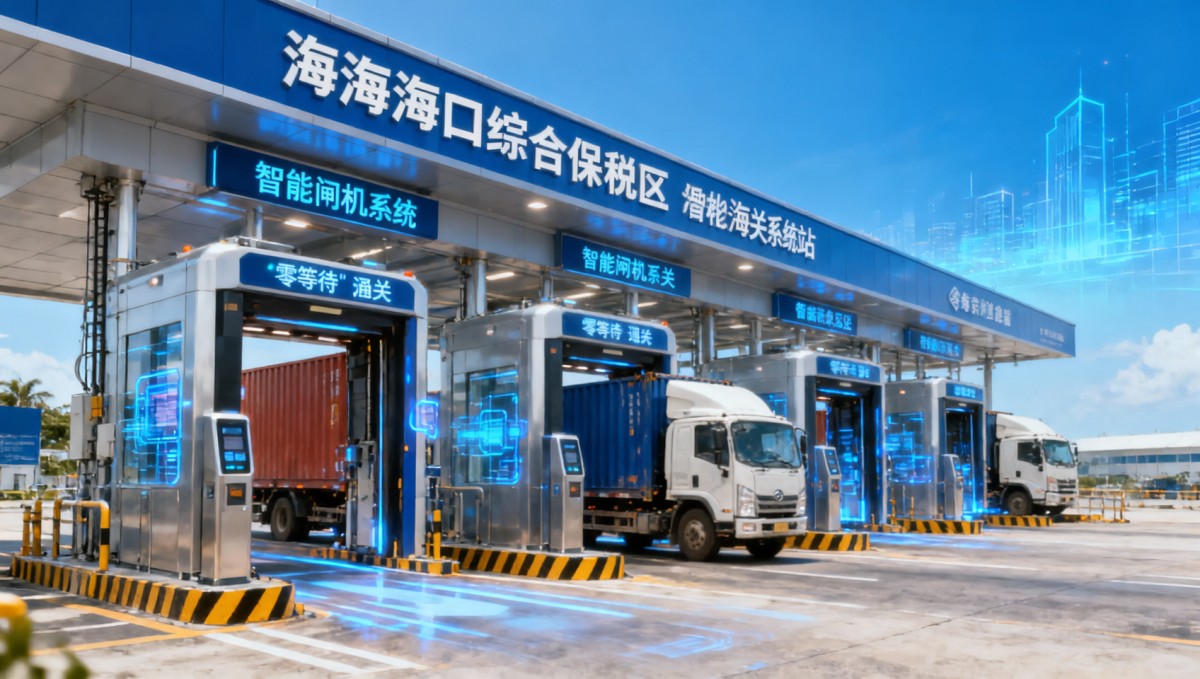
On April 10, 2026, Hainan Province unveiled its "Three-Year Action Plan for Optimizing Foreign-Related Services," introducing a pilot "pre-document review + smart checkpoint + immediate clearance" model at Haikou Comprehensive Bonded Zone and Yangpu Port. This initiative targets RCEP member countries, reducing average customs clearance time for imported components and exported electromechanical products to 1.2 hours. The pilot is expected to expand nationwide, positioning Hainan as a faster-responding supply chain node for ASEAN, Japanese, and South Korean buyers. Industries involving cross-border trade, manufacturing, and logistics should closely monitor this development for its potential to streamline operations and reduce costs.
Event Overview
The Hainan government's new plan focuses on enhancing cross-border trade efficiency through digitalization and process optimization. Key measures include pre-submission of documents, automated checkpoint systems, and expedited clearance for qualified shipments. The pilot currently covers specific product categories (e.g., auto parts, electronics) from RCEP countries, with plans to scale across China's 156 comprehensive bonded zones by 2028.
Impact on Key Industries
1. Direct Trading Companies
Import/export businesses dealing with RCEP-sourced components or finished goods will see reduced lead times. Analysis shows the 1.2-hour clearance (vs. current 4-8 hours) could lower inventory costs by 12-18% for JIT manufacturers.
2. Procurement Departments
Buyers from ASEAN/Japan/South Korea gain access to near-real-time Chinese supply chain responses. Current data suggests this may shift procurement patterns for time-sensitive categories like semiconductor packaging materials.
3. Logistics Providers
Forwarders and 3PLs must adapt operations to handle accelerated cargo flows. The smart checkpoint system requires upgraded digital integration with customs platforms—a potential pain point for smaller operators.
Action Points for Businesses
Monitor Policy Rollout Timelines
Track expansion schedules beyond Hainan—the next phase likely includes Shanghai and Guangzhou bonded zones by Q3 2027.
Prioritize Digital Compliance
Ensure ERP/WMS systems can interface with China's "Single Window" platform for pre-submission workflows.
Reassess Inventory Strategies
Manufacturers using RCEP inputs should model reduced safety stock levels against projected clearance time savings.
Engage Pilot Zone Partners
Early adopters in Haikou/Yangpu may offer valuable insights before nationwide implementation.
Industry Perspective
From an industry standpoint, this signals China's commitment to RCEP integration through operational—not just tariff—barrier reduction. However, observers note actual benefits depend on consistent execution across local customs offices. The pilot's true impact will become clearer once throughput volumes exceed 5,000 TEUs/month (projected by late 2026).
Conclusion
While not yet a systemic change, Hainan's initiative demonstrates measurable progress in cross-border efficiency. Businesses should treat this as a live case study, preparing for wider adoption while verifying real-world savings. The program's success could redefine expectations for China-ASEAN supply chain velocities.
Sources
- Hainan Provincial Government Announcement (April 10, 2026)
- RCEP Implementation Guidelines (2026 Edition)
- Note: Pilot performance data will be updated quarterly by Haikou Customs
 Which global manufacturing trends by sector matter most for sourcing plans?Global manufacturing trends by sector: identify sourcing risks, supplier resilience, compliance demands, and cost drivers to build smarter, more reliable procurement plans.
 What industrial trade intelligence pricing should include before you subscribeIndustrial trade intelligence pricing explained: compare coverage, data quality, access rights, and workflow value before choosing a subscription that supports smarter trade decisions.
 How an industrial trade intelligence dashboard can identify new supplier marketsDiscover how an industrial trade intelligence dashboard helps identify new supplier markets by comparing capacity, landed cost, logistics resilience, and compliance risk.
 Which global market entry barriers should exporters assess first?Global market entry barriers exporters should assess first: tariffs, compliance, buyer qualification, logistics, and payment risk. Build a practical strategy for confident market entry.
 How trade data aggregation analytics can reveal emerging supplier marketsTrade data aggregation analytics reveals emerging supplier markets by connecting trade flows, capacity signals, logistics, and compliance insights for smarter sourcing decisions.
 When an export market analysis platform can validate demand in a new marketExport market analysis platform insights help validate new-market demand through buyer fit, regulations, logistics, competition, and profitable entry conditions.
 What is driving the beauty and personal care market in the USA?Beauty and personal care in USA is driven by targeted solutions, selective premiumization, digital discovery, clean-label trust, diverse needs, and compliance. Explore key growth opportunities.
 How trade flow monitoring reports reveal changing regional demandTrade flow monitoring reports reveal changing regional demand through import volumes, sourcing shifts, product mix, logistics signals, and regulatory trends. Explore actionable market insights.
 How international market intelligence for investors reduces market-entry riskInternational market intelligence for investors reduces market-entry risk by validating demand, regulations, logistics, and competition before capital is committed.
 How international sourcing intelligence helps identify supplier risk earlyInternational sourcing intelligence helps businesses spot supplier risks early, protect supply continuity, and make smarter global procurement decisions.
 How trade data aggregation analytics reveals emerging supplier marketsTrade data aggregation analytics reveals emerging supplier markets through export trends, input flows, logistics, and regulatory signals. Discover smarter sourcing insights.
 What industrial cluster monitoring in Vietnam reveals about site riskIndustrial cluster monitoring Vietnam reveals hidden site risks across labor, utilities, logistics, compliance, and supplier dependencies. Make smarter sourcing and expansion decisions.
 Food Technology Trends Reshaping Shelf Life, Safety, and Product InnovationFood technology is reshaping shelf life, safety, and innovation. Discover the trends helping food businesses cut risk, improve compliance, and unlock stronger global market growth.
 How electronics manufacturing services are changing with low-volume demandElectronics manufacturing services are evolving fast with low-volume demand. Learn how agile EMS partners improve flexibility, compliance, sourcing resilience, and speed to market.
 How Can Buyers Reduce Procurement Risks for Electronic Components?How to reduce procurement risks for electronic components: learn how buyers assess traceability, lead times, compliance, and supplier types to avoid costly sourcing mistakes.
 What Sourcing Intelligence India Reveals About Supplier Risk and Cost ShiftsSourcing intelligence India reveals hidden supplier risk, compliance gaps, logistics pressure, and real cost shifts—helping buyers compare vendors smarter and source with more confidence.
 Fashion Trends 2026: Which Materials, Colors, and Silhouettes Are Gaining Ground?Fashion trends 2026 spotlight tactile fabrics, mineral colors, and controlled volume. Explore the materials, shades, and silhouettes shaping smarter, more wearable style.
 Smart Device Market Outlook: Key Growth Drivers, Segments, and Business OpportunitiesSmart device market trends are shifting toward system value, industrial demand, and resilient supply chains. Explore key growth drivers, high-potential segments, and business opportunities.
 How Global Trade Intelligence Services Help B2B Firms Evaluate Markets and SuppliersGlobal trade intelligence services help B2B firms compare suppliers, assess market potential, and uncover compliance, logistics, and pricing risks before costly decisions are made.
 Manufacturing Sector Updates for Investors: What Signals Matter Most in 2025?Manufacturing sector updates for investors in 2025: track orders, margins, supply chains, regulation, and exports to spot resilient manufacturers and smarter investment signals.
 How Energy Market Intelligence Helps Businesses Track Price Risks and Demand ShiftsEnergy market intelligence helps businesses spot price risks, demand shifts, and supply pressure early—improving procurement, resilience, and faster strategic decisions.





















Global Trade Insights & Industry
Our mission is to empower global exporters and importers with data-driven insights that foster strategic growth.
Search News
Popular Tags
Industry Overview
The global commercial kitchen equipment market is projected to reach $112 billion by 2027. Driven by urbanization, the rise of e-commerce food delivery, and strict hygiene regulations.