

Poultry farming supplies that reduce disease risk in daily use
For quality control and safety managers, choosing the right poultry farming supplies is a frontline strategy for reducing daily disease risk. From feeders and drinkers to sanitation tools and protective equipment, every item affects biosecurity, flock health, and compliance outcomes. This guide highlights practical supply choices that help strengthen contamination control, improve routine management, and support safer, more reliable poultry operations.
Why do daily-use poultry farming supplies matter so much for disease prevention?
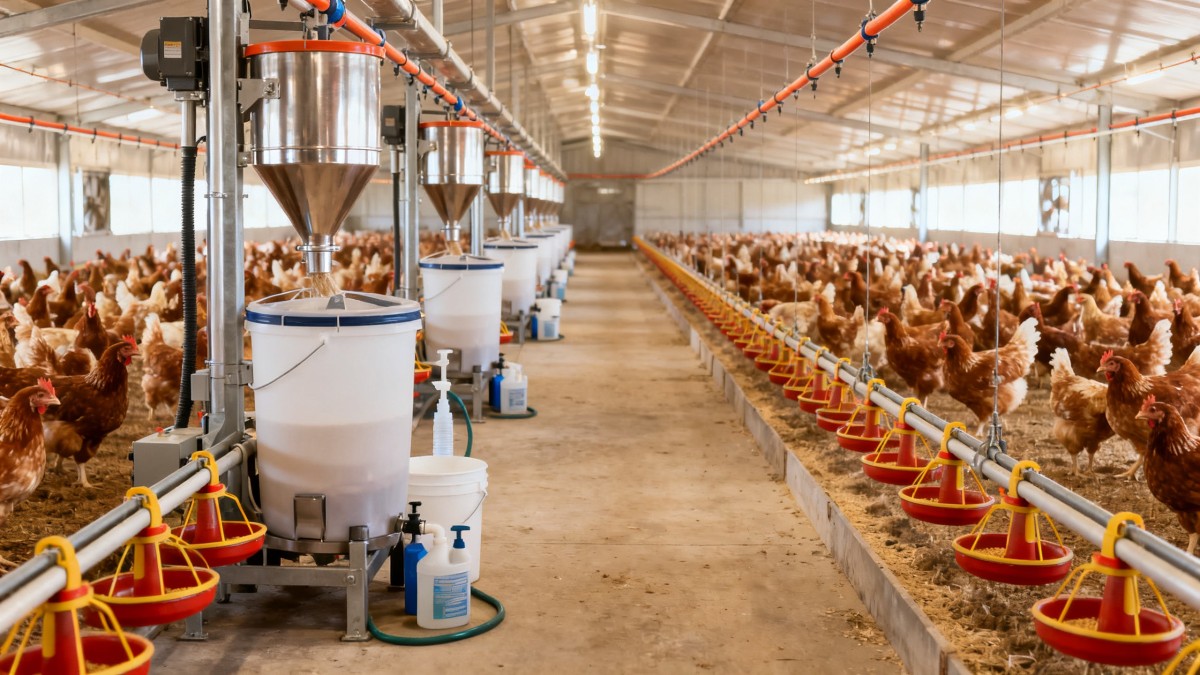
Many disease events in poultry production do not begin with a dramatic outbreak. They start with wet litter under leaking drinkers, feed contamination inside poorly sealed bins, worker cross-traffic between houses, or cleaning tools that spread pathogens from one zone to another. For quality control teams, daily-use poultry farming supplies are not routine purchases; they are control points that influence microbial pressure every day.
This is especially important in agriculture and food supply chains where safety, traceability, and export requirements are becoming stricter. A weak point in on-farm hygiene can lead to higher mortality, lower feed conversion, residue concerns, processing rejections, or customer complaints further downstream. That is why supply selection should be tied to hazard analysis, sanitation workflow, and operational discipline rather than unit price alone.
- Feed contact equipment can introduce mold, bacteria, and foreign matter when surfaces are hard to clean or prone to cracking.
- Water systems can amplify disease risk when pressure is unstable, lines form biofilm, or drinkers create standing moisture.
- Boots, gloves, coveralls, and footbaths directly affect cross-contamination control between age groups, houses, and clean-dirty zones.
- Cleaning and disinfection tools determine whether a farm removes organic load effectively before chemicals are applied.
For safety managers who must justify procurement decisions, the better question is not “Which poultry farming supplies are cheapest?” but “Which supplies reduce recurring risk, fit the sanitation protocol, and hold up under daily use?”
Which poultry farming supplies have the biggest impact on daily biosecurity?
Not all items carry the same risk weight. The most critical supplies are those that touch feed, water, litter, workers, and high-traffic surfaces. The table below helps QC and safety teams prioritize daily-use poultry farming supplies according to disease-control relevance and inspection focus.
The takeaway is practical: prioritize supplies that influence moisture, organic buildup, and movement between zones. Those are usually the fastest ways disease pressure increases in everyday production.
High-risk daily contact points to review first
If a farm is reviewing its current supply list, start with the items used multiple times a day. A small design flaw in a drinker or feeder creates repeated exposure, while a rarely used item has less cumulative impact.
- Water delivery systems in broiler and layer houses.
- Feed handling points where dust, dampness, or pests may enter.
- Entry stations with boots, hand hygiene supplies, and clothing barriers.
- Shared cleaning equipment used across multiple houses without clear segregation.
How should QC managers compare feeders, drinkers, and hygiene tools?
A good comparison framework goes beyond capacity and price. Quality control staff should evaluate cleanability, moisture control, material durability, and compatibility with standard operating procedures. The following comparison table focuses on disease-risk reduction in daily use.
This comparison helps teams avoid a common mistake: selecting poultry farming supplies that appear robust but create sanitation blind spots. In many barns, cleanability is more valuable than adding another feature that staff do not use correctly.
Material choice affects contamination control
Materials should resist corrosion, repeated washing, and disinfectant exposure. Surfaces that chip, crack, or become porous over time are harder to sanitize and more likely to harbor pathogens. Where possible, managers should ask suppliers about contact with water treatment chemicals, detergent compatibility, and expected wear under farm conditions.
What should be included in a practical procurement checklist?
Procurement is often where safety goals and budget pressure collide. A structured checklist helps QC teams explain decisions to operations, finance, and management. It also reduces the chance of buying poultry farming supplies that solve one problem but create another.
Core evaluation points before purchase
- Can the item be cleaned thoroughly without special tools, long downtime, or hard-to-reach internal surfaces?
- Does the design reduce moisture buildup, splash, spillover, or feed dust accumulation during normal use?
- Is the material suitable for repeated exposure to approved cleaning and disinfecting agents?
- Can staff inspect wear points quickly during daily rounds, or are failures likely to go unnoticed?
- Does the supplier provide enough information on replacement parts, lead time, and use conditions to support continuity?
For farms serving export-oriented buyers or integrated processors, documentation also matters. Even when a supply item is simple, managers may still need product specifications, material declarations, sanitation instructions, and batch-level traceability records for internal audits.
A selection table for routine purchasing decisions
The next table can be used as a practical scoring tool when comparing poultry farming supplies from different vendors, especially under tight delivery timelines.
In practice, this type of structured review often prevents hidden costs. A cheaper drinker that leaks or a sprayer that fails under disinfectant exposure can increase litter treatment, labor, and replacement expenses within a short period.
How do standards, compliance, and documentation affect supply decisions?
Quality and safety managers increasingly work in environments shaped by buyer audits, food safety systems, and animal health protocols. Poultry farming supplies should support—not complicate—compliance. While requirements vary by market and customer, the key principle is consistency between the supply item, the sanitation program, and the recordkeeping process.
- Use supplies that can be linked clearly to cleaning schedules, inspection routines, and replacement records.
- Prefer items with clear manufacturer instructions on cleaning, assembly, and intended operating conditions.
- Check whether materials and designs align with farm-level HACCP thinking, internal biosecurity plans, and processor expectations.
- For cross-border sourcing, confirm packaging integrity, transit protection, and product identification to reduce mix-ups after arrival.
This is where market intelligence becomes valuable. GTIIN and TradeVantage help exporters, importers, and agrifood buyers interpret supply-side developments, sourcing shifts, and industrial trends that affect availability, documentation, and supplier positioning across regions. For procurement teams, better information shortens the gap between technical needs and purchasing action.
What are the most common mistakes when buying poultry farming supplies?
Even experienced farms can make avoidable mistakes when urgent replacement needs, seasonal pressure, or cost constraints dominate the decision. The following risk patterns appear frequently in daily operations.
Mistake 1: Buying for capacity, not sanitation
A larger feeder or water line system may improve throughput, but if it adds difficult cleaning points or increases spillage, disease risk can rise. Capacity should never be assessed without cleanout practicality.
Mistake 2: Using shared tools across zones
When brushes, buckets, or sprayers move between houses without dedicated assignment, farms weaken zone separation. Color coding and tool segregation are simple but effective controls.
Mistake 3: Underestimating wear and replacement cycles
Cracked trays, worn seals, and damaged footwear often stay in use because they still “function.” From a safety perspective, however, partial function is not enough. Small defects create hidden contamination points.
Mistake 4: Ignoring supply chain reliability
A technically suitable item loses value if spare parts or replacements are difficult to source. This is particularly relevant for foreign trade buyers managing multiple farms or contract producers across regions.
FAQ: questions QC and safety managers often ask
How do I choose poultry farming supplies for high-humidity environments?
Focus on moisture control first. Choose drinkers with stable flow and low leakage, storage units with good sealing, and sanitation tools made from materials that dry quickly and resist corrosion. In humid settings, design details that reduce standing water often matter more than nominal capacity.
Which poultry farming supplies should be replaced most aggressively?
Priority items include leaking drinker components, cracked feeders, worn PPE, damaged footbath stations, and brushes or squeegees that retain residue. Anything that contacts feed, water, or boots daily deserves a shorter inspection cycle.
Are low-cost alternatives always a bad choice?
Not necessarily. Lower-cost poultry farming supplies can be acceptable when they meet hygiene, durability, and workflow requirements. The real issue is hidden operating cost. If a cheaper option increases cleaning time, replacement frequency, or contamination risk, the savings disappear quickly.
What should I ask a supplier before placing a repeat order?
Ask about any material changes, updated lead times, spare part continuity, packaging improvements, and handling recommendations. Repeat orders are often treated as routine, but small product changes can alter sanitation performance or compatibility with existing systems.
Why choose us when evaluating supply options and market sources?
For teams responsible for quality control, safety assurance, and cross-border sourcing, product selection is only one part of the decision. You also need visibility into supplier activity, market shifts, documentation trends, and industrial signals across the agriculture and food sector. GTIIN and TradeVantage are built to close that information gap with real-time updates, deep market analysis, and global B2B intelligence that supports faster, better-informed procurement decisions.
If you are reviewing poultry farming supplies for disease-risk reduction, you can consult us on practical topics such as parameter confirmation, product selection logic, expected delivery timelines, sourcing comparisons across regions, certification-related questions, sample support pathways, and quotation communication needs. This is especially useful when your team must balance hygiene performance, budget limits, and urgent operational deadlines.
A stronger poultry supply strategy starts with better information. When your purchasing decisions affect flock health, compliance, and downstream food safety, reliable market intelligence is not optional—it is part of risk control.
 When an export market analysis platform can validate demand in a new marketExport market analysis platform insights help validate new-market demand through buyer fit, regulations, logistics, competition, and profitable entry conditions.
 What is driving the beauty and personal care market in the USA?Beauty and personal care in USA is driven by targeted solutions, selective premiumization, digital discovery, clean-label trust, diverse needs, and compliance. Explore key growth opportunities.
 How trade flow monitoring reports reveal changing regional demandTrade flow monitoring reports reveal changing regional demand through import volumes, sourcing shifts, product mix, logistics signals, and regulatory trends. Explore actionable market insights.
 How international market intelligence for investors reduces market-entry riskInternational market intelligence for investors reduces market-entry risk by validating demand, regulations, logistics, and competition before capital is committed.
 How international sourcing intelligence helps identify supplier risk earlyInternational sourcing intelligence helps businesses spot supplier risks early, protect supply continuity, and make smarter global procurement decisions.
 How trade data aggregation analytics reveals emerging supplier marketsTrade data aggregation analytics reveals emerging supplier markets through export trends, input flows, logistics, and regulatory signals. Discover smarter sourcing insights.
 What industrial cluster monitoring in Vietnam reveals about site riskIndustrial cluster monitoring Vietnam reveals hidden site risks across labor, utilities, logistics, compliance, and supplier dependencies. Make smarter sourcing and expansion decisions.
 Food Technology Trends Reshaping Shelf Life, Safety, and Product InnovationFood technology is reshaping shelf life, safety, and innovation. Discover the trends helping food businesses cut risk, improve compliance, and unlock stronger global market growth.
 How electronics manufacturing services are changing with low-volume demandElectronics manufacturing services are evolving fast with low-volume demand. Learn how agile EMS partners improve flexibility, compliance, sourcing resilience, and speed to market.
 How Can Buyers Reduce Procurement Risks for Electronic Components?How to reduce procurement risks for electronic components: learn how buyers assess traceability, lead times, compliance, and supplier types to avoid costly sourcing mistakes.
 What Sourcing Intelligence India Reveals About Supplier Risk and Cost ShiftsSourcing intelligence India reveals hidden supplier risk, compliance gaps, logistics pressure, and real cost shifts—helping buyers compare vendors smarter and source with more confidence.
 Fashion Trends 2026: Which Materials, Colors, and Silhouettes Are Gaining Ground?Fashion trends 2026 spotlight tactile fabrics, mineral colors, and controlled volume. Explore the materials, shades, and silhouettes shaping smarter, more wearable style.
 Smart Device Market Outlook: Key Growth Drivers, Segments, and Business OpportunitiesSmart device market trends are shifting toward system value, industrial demand, and resilient supply chains. Explore key growth drivers, high-potential segments, and business opportunities.
 How Global Trade Intelligence Services Help B2B Firms Evaluate Markets and SuppliersGlobal trade intelligence services help B2B firms compare suppliers, assess market potential, and uncover compliance, logistics, and pricing risks before costly decisions are made.
 Manufacturing Sector Updates for Investors: What Signals Matter Most in 2025?Manufacturing sector updates for investors in 2025: track orders, margins, supply chains, regulation, and exports to spot resilient manufacturers and smarter investment signals.
 How Energy Market Intelligence Helps Businesses Track Price Risks and Demand ShiftsEnergy market intelligence helps businesses spot price risks, demand shifts, and supply pressure early—improving procurement, resilience, and faster strategic decisions.
 Precision Hardware Tools Market: Key Demand Drivers, Segments, and Growth OutlookPrecision hardware tools market trends are reshaping sourcing, compliance, and automation. Explore key demand drivers, segment shifts, regional supply patterns, and growth opportunities.
 How to Use Customs Import Data to Find Buyers, Track Competitors, and Spot Demand?Customs import data helps you find real buyers, track competitors, and spot demand shifts early. Learn practical ways to turn trade records into smarter global business decisions.
 Manufacturing Cost Analysis: 8 Cost Drivers That Change Your Unit PriceManufacturing cost analysis explained through 8 key cost drivers that impact unit price, supplier stability, and margins—learn how to compare quotes smarter and reduce sourcing risk.
 Industrial Market Realities: What Buyers Should Check Before Comparing Supplier QuotesIndustrial market realities shape every supplier quote beyond unit price. Learn what to check on compliance, lead times, logistics, and hidden cost risks before comparing offers.
 Beverage Production Line Planning: Key Equipment, Capacity, and Hygiene RequirementsBeverage production line planning made practical: discover key equipment, real capacity sizing, and hygiene requirements to improve efficiency, safety, and long-term plant performance.





















Global Trade Insights & Industry
Our mission is to empower global exporters and importers with data-driven insights that foster strategic growth.
Search News
Popular Tags
Industry Overview
The global commercial kitchen equipment market is projected to reach $112 billion by 2027. Driven by urbanization, the rise of e-commerce food delivery, and strict hygiene regulations.