

What small farms often miss when choosing aquaculture equipment
Many small farms focus on upfront price when selecting aquaculture equipment, yet the cheaper option often becomes more expensive once energy use, water stability, labor, and fish losses are counted. Pumps that are undersized, filters that clog too easily, or aeration systems that cannot keep oxygen steady can quietly reduce growth rates and increase stress across the entire stock. A smart buying decision is not only about what a unit can do on day one, but also about how reliably it supports daily farming conditions over time.
For small-scale aquaculture operations, missed details usually appear in three areas: biological performance, maintenance workload, and future expansion. The right aquaculture equipment should help maintain water quality, fit the species being raised, stay easy to service, and allow production to grow without replacing the whole system. Reviewing these factors in a structured way can prevent costly interruptions and support more consistent output.
Why a structured review matters before buying aquaculture equipment
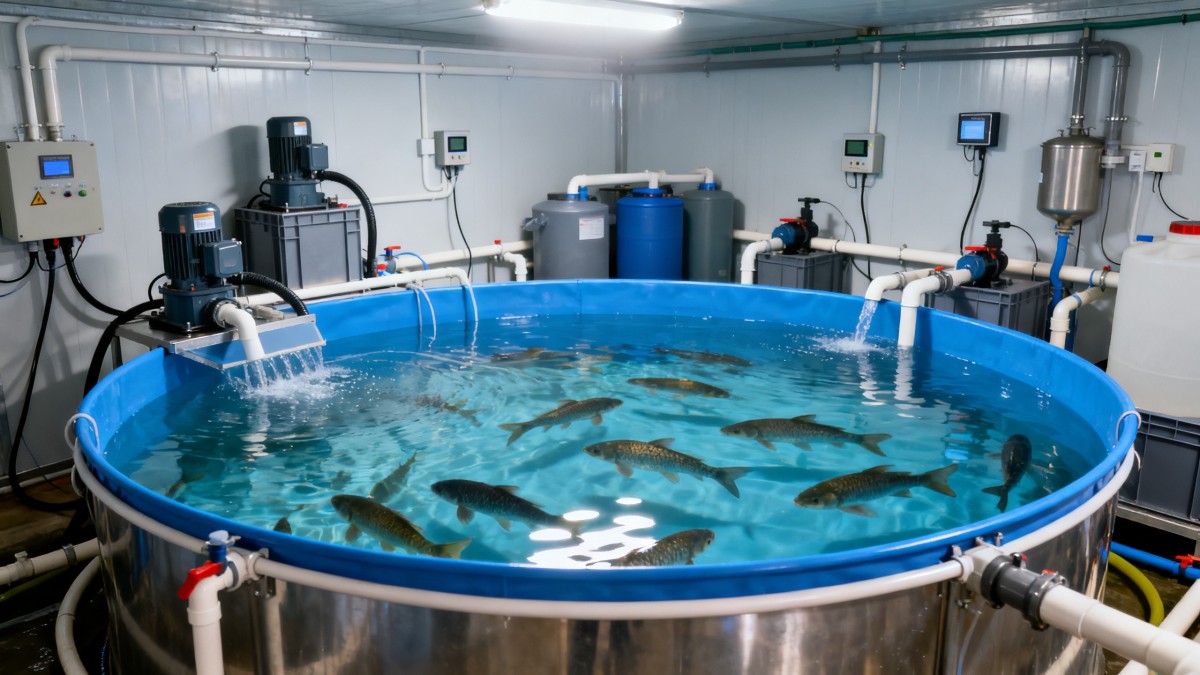
A structured review helps separate true operating value from attractive sales claims. In fish and shrimp culture, equipment choices directly affect dissolved oxygen, ammonia control, solids removal, feeding efficiency, and disease pressure. Even when two products appear similar, differences in material quality, spare parts access, and compatibility with tanks or ponds can create very different results in the field.
This is especially important for farms working with limited labor and tight margins. Small operations often need aquaculture equipment that is simple, durable, and tolerant of daily variability rather than highly complex systems with demanding service requirements. A clear review process makes it easier to compare options based on production goals, not just supplier brochures.
Core points to check when comparing aquaculture equipment
Use the following points to evaluate aquaculture equipment before committing to a purchase. Each one addresses a common issue that small farms often underestimate.
- Confirm whether the equipment matches the cultured species, stocking density, and water type, because freshwater, brackish, and marine systems place different demands on pumps, aeration, and materials.
- Check real operating capacity instead of brochure capacity, especially for filters, blowers, and pumps, since performance often drops once solids load, pipe distance, or biofouling increase.
- Review energy consumption under normal farm conditions, because low-cost aquaculture equipment can create high monthly power bills that quickly exceed the initial savings.
- Assess maintenance frequency and cleaning difficulty, since equipment that requires constant shutdowns or manual washing can disrupt feeding schedules and reduce labor efficiency.
- Verify spare parts availability and delivery time, because a failed impeller, diffuser, sensor, or motor can stop critical water treatment functions during sensitive production stages.
- Look at material durability in wet and corrosive environments, including resistance to salt, UV exposure, sludge accumulation, and chemical disinfectants used in routine sanitation.
- Make sure monitoring devices are accurate and easy to calibrate, since unreliable readings for oxygen, pH, or temperature can lead to poor management decisions.
- Check noise, heat, and vibration output from motors and blowers, as these factors affect worker comfort, unit lifespan, and placement flexibility in compact farm layouts.
- Evaluate how easily the equipment integrates with existing tanks, raceways, piping, feeders, and control panels to avoid expensive modifications after delivery.
- Plan for scalability by asking whether additional tanks or higher biomass can be supported through modular expansion instead of full system replacement later.
What small farms often miss in daily operation
Water movement is not just about circulation
Many farms buy pumps based only on flow rate, but effective water movement also depends on head pressure, pipe layout, tank shape, and solids transport. If water slows down in corners or dead zones, waste accumulates and oxygen distribution becomes uneven. Good aquaculture equipment selection should consider hydraulic performance across the entire culture unit, not only the pump label.
Filtration performance changes with real biomass
Mechanical and biological filtration often perform well at low loading but become unstable as stock grows. Small farms sometimes overlook peak biomass conditions and buy filtration sized for startup volume instead of harvest-stage demand. In recirculating systems, this can quickly affect ammonia, nitrite, turbidity, and fish appetite. When reviewing aquaculture equipment, always size around the heaviest feeding period.
Automation only helps when it fits the routine
Automatic feeders, sensors, and control units can improve consistency, but they are not automatically useful in every small farm. Equipment that is difficult to program, sensitive to moisture, or dependent on unstable internet access may create more work than it saves. Practical aquaculture equipment should support the farm’s existing management capacity and not require advanced technical intervention for basic operation.
Key checks for different aquaculture settings
Earthen pond systems
In pond culture, the main priorities are aeration coverage, sludge control, and weather resilience. Aerators should be matched to pond depth, shape, and biomass rather than selected by horsepower alone. It is also important to check whether gearboxes, floats, and motors can withstand long outdoor exposure. For pond-based aquaculture equipment, field durability often matters more than advanced features.
Backup power deserves special attention in this setting. Overnight oxygen crashes caused by grid failure can cause severe losses within hours. A practical setup includes emergency aeration planning and simple maintenance access for routine inspection.
Tank-based intensive systems
Tank operations usually require tighter control over oxygen, solids, and feeding precision. Here, aquaculture equipment should be evaluated for response speed, cleaning efficiency, and system integration. Cone-bottom or self-cleaning tank designs may reduce labor, but only when drains, screens, and pipe diameters are properly matched.
Noise and heat from blowers or pumps can become a bigger issue in enclosed spaces. Compact farms should also review whether maintenance can be performed without stopping every connected unit at once.
Recirculating aquaculture systems
For RAS operations, each component affects the others. A weak drum filter can overload the biofilter, and poor degassing can limit oxygen transfer efficiency. Small farms entering this area sometimes underestimate the importance of system balance. Reliable aquaculture equipment in RAS must be assessed as a linked process rather than as individual products bought separately.
Calibration and monitoring are critical here. Sensors for dissolved oxygen, pH, and temperature should be easy to verify, because inaccurate data can trigger feeding or water treatment mistakes that spread quickly through a closed loop.
Overlooked risks that raise long-term costs
Undersized backup systems. Farms often buy primary aquaculture equipment carefully but neglect emergency support. A second blower, spare pump, or generator may seem optional until a failure occurs during high biomass periods. Redundancy is not excess; it is basic risk control.
Poor access for cleaning and repair. If a unit is difficult to open, move, flush, or inspect, maintenance gets delayed. Delayed maintenance usually means reduced water quality, lower feed conversion, and shorter equipment life. Service access should be part of the buying decision.
Ignoring total operating cost. Power draw, consumables, labor time, sensor replacement, and water loss should be added to purchase price. In many cases, more efficient aquaculture equipment pays back its higher cost through lower monthly operating expenses.
Buying without layout planning. Equipment that fits on paper may still create pipe congestion, poor drainage, or difficult workflow on site. Before ordering, map water flow, walking space, electrical access, and safe service zones.
Overlooking supplier support quality. The value of aquaculture equipment also depends on manuals, troubleshooting response, spare parts guidance, and after-sales communication. Strong support reduces downtime and helps avoid operating errors in the first months of use.
Practical steps to make a better equipment decision
- List the species, tank or pond volume, target biomass, feeding rate, and water source before comparing any aquaculture equipment.
- Calculate peak demand conditions, not average conditions, for aeration, pumping, solids capture, and biofiltration capacity.
- Ask suppliers for operating data, energy use, material specifications, and maintenance schedules under realistic farm conditions.
- Check spare part lead times and identify which items should be stocked locally to avoid emergency shutdowns.
- Review installation layout in advance, including pipe runs, drainage slopes, electrical safety, and space for routine service access.
- Start with modular upgrades where possible so the farm can test performance before scaling further investment.
Common questions about aquaculture equipment selection
Is the cheapest aquaculture equipment always a bad choice?
Not always. Low-cost aquaculture equipment can be suitable when the application is simple, spare parts are easy to obtain, and the unit is not critical to life support. The problem starts when price is the only criterion for pumps, blowers, filtration, or monitoring systems that directly affect stock survival.
How important is energy efficiency for small farms?
It is extremely important because energy costs repeat every day. A slightly more efficient pump or aerator may generate better long-term returns than a cheaper product with higher power consumption. This is one of the most overlooked parts of aquaculture equipment evaluation.
Should small farms invest in automated monitoring?
Automated monitoring is valuable when water quality shifts quickly or labor is limited, but it should be matched to the farm’s ability to calibrate and respond to alarms. Reliable basic monitoring is usually better than advanced systems that are difficult to maintain.
Final thoughts and next steps
Choosing aquaculture equipment well means looking beyond purchase price and focusing on how each component supports fish health, water stability, labor efficiency, and future growth. Small farms often miss hidden costs tied to energy use, cleaning demands, weak backup planning, and poor integration with the existing setup. These details matter because they shape daily performance more than brochure claims do.
The most effective next step is to evaluate current needs against peak biomass conditions, then compare aquaculture equipment using a written shortlist of capacity, durability, serviceability, and expansion potential. For businesses tracking equipment trends, supplier developments, and global trade signals across agriculture and food sectors, reliable market intelligence can also improve timing and decision quality. A disciplined review today can reduce risk, protect stock, and build a stronger production system for the long term.
 When an export market analysis platform can validate demand in a new marketExport market analysis platform insights help validate new-market demand through buyer fit, regulations, logistics, competition, and profitable entry conditions.
 What is driving the beauty and personal care market in the USA?Beauty and personal care in USA is driven by targeted solutions, selective premiumization, digital discovery, clean-label trust, diverse needs, and compliance. Explore key growth opportunities.
 How trade flow monitoring reports reveal changing regional demandTrade flow monitoring reports reveal changing regional demand through import volumes, sourcing shifts, product mix, logistics signals, and regulatory trends. Explore actionable market insights.
 How international market intelligence for investors reduces market-entry riskInternational market intelligence for investors reduces market-entry risk by validating demand, regulations, logistics, and competition before capital is committed.
 How international sourcing intelligence helps identify supplier risk earlyInternational sourcing intelligence helps businesses spot supplier risks early, protect supply continuity, and make smarter global procurement decisions.
 How trade data aggregation analytics reveals emerging supplier marketsTrade data aggregation analytics reveals emerging supplier markets through export trends, input flows, logistics, and regulatory signals. Discover smarter sourcing insights.
 What industrial cluster monitoring in Vietnam reveals about site riskIndustrial cluster monitoring Vietnam reveals hidden site risks across labor, utilities, logistics, compliance, and supplier dependencies. Make smarter sourcing and expansion decisions.
 Food Technology Trends Reshaping Shelf Life, Safety, and Product InnovationFood technology is reshaping shelf life, safety, and innovation. Discover the trends helping food businesses cut risk, improve compliance, and unlock stronger global market growth.
 How electronics manufacturing services are changing with low-volume demandElectronics manufacturing services are evolving fast with low-volume demand. Learn how agile EMS partners improve flexibility, compliance, sourcing resilience, and speed to market.
 How Can Buyers Reduce Procurement Risks for Electronic Components?How to reduce procurement risks for electronic components: learn how buyers assess traceability, lead times, compliance, and supplier types to avoid costly sourcing mistakes.
 What Sourcing Intelligence India Reveals About Supplier Risk and Cost ShiftsSourcing intelligence India reveals hidden supplier risk, compliance gaps, logistics pressure, and real cost shifts—helping buyers compare vendors smarter and source with more confidence.
 Fashion Trends 2026: Which Materials, Colors, and Silhouettes Are Gaining Ground?Fashion trends 2026 spotlight tactile fabrics, mineral colors, and controlled volume. Explore the materials, shades, and silhouettes shaping smarter, more wearable style.
 Smart Device Market Outlook: Key Growth Drivers, Segments, and Business OpportunitiesSmart device market trends are shifting toward system value, industrial demand, and resilient supply chains. Explore key growth drivers, high-potential segments, and business opportunities.
 How Global Trade Intelligence Services Help B2B Firms Evaluate Markets and SuppliersGlobal trade intelligence services help B2B firms compare suppliers, assess market potential, and uncover compliance, logistics, and pricing risks before costly decisions are made.
 Manufacturing Sector Updates for Investors: What Signals Matter Most in 2025?Manufacturing sector updates for investors in 2025: track orders, margins, supply chains, regulation, and exports to spot resilient manufacturers and smarter investment signals.
 How Energy Market Intelligence Helps Businesses Track Price Risks and Demand ShiftsEnergy market intelligence helps businesses spot price risks, demand shifts, and supply pressure early—improving procurement, resilience, and faster strategic decisions.
 Precision Hardware Tools Market: Key Demand Drivers, Segments, and Growth OutlookPrecision hardware tools market trends are reshaping sourcing, compliance, and automation. Explore key demand drivers, segment shifts, regional supply patterns, and growth opportunities.
 How to Use Customs Import Data to Find Buyers, Track Competitors, and Spot Demand?Customs import data helps you find real buyers, track competitors, and spot demand shifts early. Learn practical ways to turn trade records into smarter global business decisions.
 Manufacturing Cost Analysis: 8 Cost Drivers That Change Your Unit PriceManufacturing cost analysis explained through 8 key cost drivers that impact unit price, supplier stability, and margins—learn how to compare quotes smarter and reduce sourcing risk.
 Industrial Market Realities: What Buyers Should Check Before Comparing Supplier QuotesIndustrial market realities shape every supplier quote beyond unit price. Learn what to check on compliance, lead times, logistics, and hidden cost risks before comparing offers.
 Beverage Production Line Planning: Key Equipment, Capacity, and Hygiene RequirementsBeverage production line planning made practical: discover key equipment, real capacity sizing, and hygiene requirements to improve efficiency, safety, and long-term plant performance.



















Global Trade Insights & Industry
Our mission is to empower global exporters and importers with data-driven insights that foster strategic growth.
Search News
Popular Tags
Industry Overview
The global commercial kitchen equipment market is projected to reach $112 billion by 2027. Driven by urbanization, the rise of e-commerce food delivery, and strict hygiene regulations.