

Do breathable car seat covers stay comfortable in hot weather?
Yes, breathable car seat covers can stay noticeably more comfortable in hot weather, but only when the cover allows heat and moisture to move away from your body instead of trapping them against the seat. The word “breathable” on a product listing is not enough on its own. A cover can use mesh fabric on the surface yet still feel hot if it has a dense foam backing, a poor fit, or large non-breathable panels underneath.
A well-chosen cover will not make a car parked in direct sun feel cold. It can, however, reduce the sticky, sweaty feeling that develops during a drive, make the seat surface less oppressive after the cabin cools down, and prevent moisture from collecting between your back and the upholstery. For hot climates, long commutes, rideshare driving, and vehicles with leather or vinyl seats, those differences can matter more than a cover’s appearance.
Why some seat covers feel cooler and others do not
Comfort in hot weather comes from three separate things: how much heat the material absorbs, how easily air can pass through it, and how well it handles perspiration. Breathable car seat covers work best when they address all three.
A light-colored woven fabric may absorb less heat than black vinyl, but surface temperature is only part of the experience. Once you sit down, the larger issue is whether the cover creates a closed layer between your body and the seat. A smooth, dense cover can become humid quickly because warm air and sweat have nowhere to go. This is why a cover can initially feel cool to the touch but still become uncomfortable after fifteen or twenty minutes.
Mesh, spacer fabric, perforated textiles, and certain woven polyester blends can improve airflow. Their value is not simply that they contain holes. The most effective designs create a small air channel between the body and the original seat, allowing warm air to disperse as the vehicle moves or the air conditioning circulates. A thin fabric cover can also be comfortable, but it needs enough structure not to flatten into a sealed layer.
The seat beneath the cover still matters. Leather, synthetic leather, vinyl, and dense foam upholstery retain and radiate heat differently from cloth seats. A breathable cover often produces the biggest improvement on seats that are naturally warm, slick, or prone to making clothing cling to the backrest.
Material matters more than the product label
When comparing hot-weather seat covers, look past general descriptions such as “cooling,” “airflow,” or “summer comfort.” Check what touches your body, what sits beneath it, and how thick the whole construction is.
Spacer mesh is often the most sensible starting point when cooling is the priority. It has a raised, springy structure rather than a flat knitted surface, so it is more likely to preserve a gap for air movement. That said, a high-quality woven cover with a breathable backing can be more comfortable than a cheaply made mesh product. Construction matters as much as the named material.
A common mistake is to assume that “perforated” means ventilated. Perforations in faux leather may improve the feel slightly, but they do little if the layer underneath is solid foam, rubberized backing, or another non-breathable material. The cover must allow air and moisture to travel through the full stack, not just the visible surface.
Fit affects airflow, safety, and everyday comfort
A loose cover is not automatically more breathable. Excess material can bunch behind your back or under your thighs, creating heat-trapping folds and pressure points. It can also slide when getting in and out of the car, which becomes irritating on a daily basis.
A close-fitting cover should follow the seat’s contours without being stretched so tightly that the mesh or fabric loses its open structure. Check product photos for how the cover handles the center backrest, side bolsters, headrest openings, and the lower seat cushion. Universal covers can work well on simple, flatter seats. Seats with pronounced bolsters, integrated headrests, armrests, or unusual shapes often need a vehicle-specific or semi-custom design to remain secure and comfortable.
Pay particular attention to the backrest. Heat and sweat usually build up there first, especially in stop-and-go traffic. A cover with a breathable lower cushion but a thick, padded upper section may not solve the discomfort you are trying to fix.
Do not compromise seat safety for a cooler surface
Before buying any cover, identify where your vehicle’s side airbags are located. Many modern seats place airbags in the outer edge of the backrest. A cover that wraps tightly over that seam, uses rigid straps across it, or has heavy padding in that area can interfere with intended airbag deployment.
Choose covers explicitly designed to accommodate the seat’s airbag layout, with the correct opening or breakaway side panel. Do not improvise by cutting a generic cover yourself; the fabric, stitching, and attachment method all affect how it behaves under force.
Also check access to seat belts, buckle receivers, child-seat anchors, adjustment controls, heating or ventilation controls, and rear-seat folding mechanisms. A cover that is technically breathable but makes everyday controls awkward is unlikely to remain installed long enough to provide any benefit.
Color helps, but it cannot overcome poor construction
Lighter colors generally become less punishing when a vehicle sits in the sun, while dark covers can absorb more heat before you enter. This makes color relevant for cars parked outdoors, particularly when the cover is exposed through the windshield or side windows.
Still, color is secondary to material and design. A beige or gray faux-leather cover may feel hotter during a drive than a darker open-weave fabric cover because the non-breathable surface traps moisture. Choose a color that fits your interior and helps reduce initial heat, but do not treat it as a substitute for ventilation.
If glare is a concern, avoid very pale, shiny fabrics on the upper seatback. A matte medium tone can offer a practical balance between reduced heat absorption and a less distracting cabin appearance.
Match the cover to the way you use the car
The best choice changes with the problem you are actually trying to solve. A driver making short errands in a car that sits outdoors has a different need from someone spending an hour in traffic every day.
- For a sun-baked leather seat: Prioritize a light or medium-colored 3D mesh cover with minimal foam. Add a windshield sunshade, because a seat cover cannot prevent the cabin from becoming hot while parked.
- For long commutes and humid weather: Focus on backrest airflow and moisture management. Avoid waterproof, quilted, and heavily padded designs unless spill protection is more important than comfort.
- For rideshare or frequent passengers: Choose a washable cover that stays secure after repeated entry and exit. Open mesh is useful, but very coarse material may be less pleasant against bare legs.
- For work, children, or pets: You may need a compromise. Protective covers with water-resistant panels are practical, but look for breathable seating zones rather than full synthetic-leather construction.
- For an already ventilated seat: Avoid adding a cover unless it is specifically compatible with the seat ventilation system. A cover can block the airflow your original seat was designed to provide.
Seat cooling fans or powered ventilation pads are sometimes considered when a passive cover is not enough. They can be useful for people who spend long periods in extreme heat, but they add cords, moving parts, noise, and fit considerations. A well-fitted breathable cover is usually the simpler first step when the goal is reducing sweat and surface discomfort rather than actively cooling the seat.
How to evaluate a cover before ordering
Product photos can make almost any fabric look airy. Read the construction details and use a short screening process instead of relying on the marketing name.
- Check whether the contact surface is open mesh, woven cloth, or a solid synthetic layer.
- Look for information about the backing. Thin breathable fabric or open mesh backing is preferable to solid foam or rubber-like layers when heat is the concern.
- Confirm the cover matches your seat style, headrest arrangement, and side-airbag configuration.
- Inspect how it attaches. Stable straps, hooks, and non-slip sections should hold the cover in place without covering important seat features.
- Consider cleaning. Summer covers collect sweat, sunscreen residue, dust, and lint. A removable, washable design is easier to keep comfortable over time.
- Read reviews for comments about flattening, sliding, rough texture, and compatibility rather than only comments about appearance.
Reviews are most useful when the reviewer describes a similar vehicle and climate. A cover praised for feeling soft in mild weather may not perform well in a hot, humid car. Conversely, a firmer mesh construction that seems less luxurious in a photo may be the better choice for sustained airflow.
When breathable covers are not the complete answer
A seat cover can improve contact comfort, but it cannot fully solve heat caused by direct sunlight, weak air conditioning, or a vehicle left sealed in the sun. If the seat is painfully hot when you enter, reducing solar load is often more effective than changing the cover alone. A windshield shade, covered parking, window tint where permitted, and allowing hot air to escape before driving all reduce the temperature the cover has to deal with.
It is also worth separating heat discomfort from seat ergonomics. Some drivers feel hot because they are pressed deeply into a soft seat with little air movement; others are uncomfortable because the cover changes lumbar support, makes the cushion slippery, or creates a ridge at the edge. A cover should not alter your driving position or cause you to shift repeatedly. If it does, a thinner and better-fitted model is usually the better direction.
A practical buying decision
For most hot-weather use, the strongest choice is a thin, secure, airbag-compatible seat cover made with structured mesh or breathable woven fabric, with limited padding and a backing that does not seal off airflow. It should fit the seat closely enough to remain stable while preserving access to all controls and safety features.
Skip thick, fully synthetic, heavily quilted covers when your main complaint is sweat or trapped heat. They may offer protection and a polished look, but their comfort advantage often disappears once the drive gets longer. A breathable cover is worth buying when it improves airflow without turning the seat into a loose, bulky, or safety-compromising layer.
 When an export market analysis platform can validate demand in a new marketExport market analysis platform insights help validate new-market demand through buyer fit, regulations, logistics, competition, and profitable entry conditions.
 What is driving the beauty and personal care market in the USA?Beauty and personal care in USA is driven by targeted solutions, selective premiumization, digital discovery, clean-label trust, diverse needs, and compliance. Explore key growth opportunities.
 How trade flow monitoring reports reveal changing regional demandTrade flow monitoring reports reveal changing regional demand through import volumes, sourcing shifts, product mix, logistics signals, and regulatory trends. Explore actionable market insights.
 How international market intelligence for investors reduces market-entry riskInternational market intelligence for investors reduces market-entry risk by validating demand, regulations, logistics, and competition before capital is committed.
 How international sourcing intelligence helps identify supplier risk earlyInternational sourcing intelligence helps businesses spot supplier risks early, protect supply continuity, and make smarter global procurement decisions.
 How trade data aggregation analytics reveals emerging supplier marketsTrade data aggregation analytics reveals emerging supplier markets through export trends, input flows, logistics, and regulatory signals. Discover smarter sourcing insights.
 What industrial cluster monitoring in Vietnam reveals about site riskIndustrial cluster monitoring Vietnam reveals hidden site risks across labor, utilities, logistics, compliance, and supplier dependencies. Make smarter sourcing and expansion decisions.
 Food Technology Trends Reshaping Shelf Life, Safety, and Product InnovationFood technology is reshaping shelf life, safety, and innovation. Discover the trends helping food businesses cut risk, improve compliance, and unlock stronger global market growth.
 How electronics manufacturing services are changing with low-volume demandElectronics manufacturing services are evolving fast with low-volume demand. Learn how agile EMS partners improve flexibility, compliance, sourcing resilience, and speed to market.
 How Can Buyers Reduce Procurement Risks for Electronic Components?How to reduce procurement risks for electronic components: learn how buyers assess traceability, lead times, compliance, and supplier types to avoid costly sourcing mistakes.
 What Sourcing Intelligence India Reveals About Supplier Risk and Cost ShiftsSourcing intelligence India reveals hidden supplier risk, compliance gaps, logistics pressure, and real cost shifts—helping buyers compare vendors smarter and source with more confidence.
 Fashion Trends 2026: Which Materials, Colors, and Silhouettes Are Gaining Ground?Fashion trends 2026 spotlight tactile fabrics, mineral colors, and controlled volume. Explore the materials, shades, and silhouettes shaping smarter, more wearable style.
 Smart Device Market Outlook: Key Growth Drivers, Segments, and Business OpportunitiesSmart device market trends are shifting toward system value, industrial demand, and resilient supply chains. Explore key growth drivers, high-potential segments, and business opportunities.
 How Global Trade Intelligence Services Help B2B Firms Evaluate Markets and SuppliersGlobal trade intelligence services help B2B firms compare suppliers, assess market potential, and uncover compliance, logistics, and pricing risks before costly decisions are made.
 Manufacturing Sector Updates for Investors: What Signals Matter Most in 2025?Manufacturing sector updates for investors in 2025: track orders, margins, supply chains, regulation, and exports to spot resilient manufacturers and smarter investment signals.
 How Energy Market Intelligence Helps Businesses Track Price Risks and Demand ShiftsEnergy market intelligence helps businesses spot price risks, demand shifts, and supply pressure early—improving procurement, resilience, and faster strategic decisions.
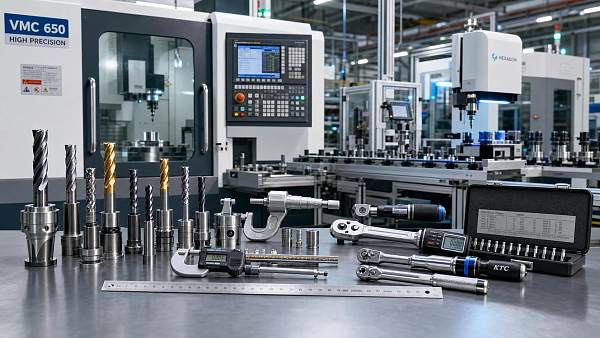
 Precision Hardware Tools Market: Key Demand Drivers, Segments, and Growth OutlookPrecision hardware tools market trends are reshaping sourcing, compliance, and automation. Explore key demand drivers, segment shifts, regional supply patterns, and growth opportunities.
 How to Use Customs Import Data to Find Buyers, Track Competitors, and Spot Demand?Customs import data helps you find real buyers, track competitors, and spot demand shifts early. Learn practical ways to turn trade records into smarter global business decisions.
 Manufacturing Cost Analysis: 8 Cost Drivers That Change Your Unit PriceManufacturing cost analysis explained through 8 key cost drivers that impact unit price, supplier stability, and margins—learn how to compare quotes smarter and reduce sourcing risk.
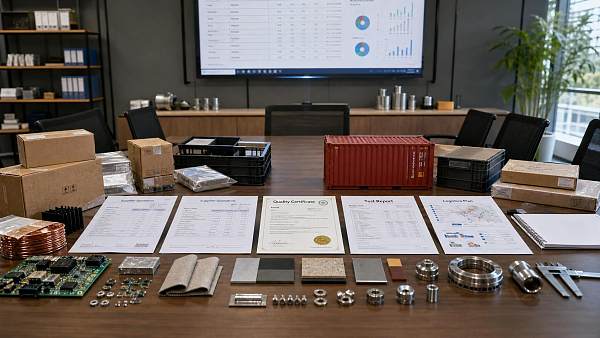
 Industrial Market Realities: What Buyers Should Check Before Comparing Supplier QuotesIndustrial market realities shape every supplier quote beyond unit price. Learn what to check on compliance, lead times, logistics, and hidden cost risks before comparing offers.
 Beverage Production Line Planning: Key Equipment, Capacity, and Hygiene RequirementsBeverage production line planning made practical: discover key equipment, real capacity sizing, and hygiene requirements to improve efficiency, safety, and long-term plant performance.



















Global Trade Insights & Industry
Our mission is to empower global exporters and importers with data-driven insights that foster strategic growth.
Search News
Popular Tags
Industry Overview
The global commercial kitchen equipment market is projected to reach $112 billion by 2027. Driven by urbanization, the rise of e-commerce food delivery, and strict hygiene regulations.