

Dushanzi Petrochemical's 450ktpa PP Unit Passes Pressure Test, Boosting PP Export Supply
Introduction
On March 27, 2026, Dushanzi Petrochemical's 450ktpa polypropylene (PP) unit under the Tarim 1.2 million tpa Phase II ethylene project successfully passed pressure testing, marking the full operation of China's largest PP production base in the northwest. This development is particularly significant for industries relying on high-grade PP materials, including medical packaging, food-contact woven bags, and automotive non-woven fabrics. The project's focus on ENF-grade formaldehyde-free PP specialty materials addresses global supply chain vulnerabilities in premium PP base materials.
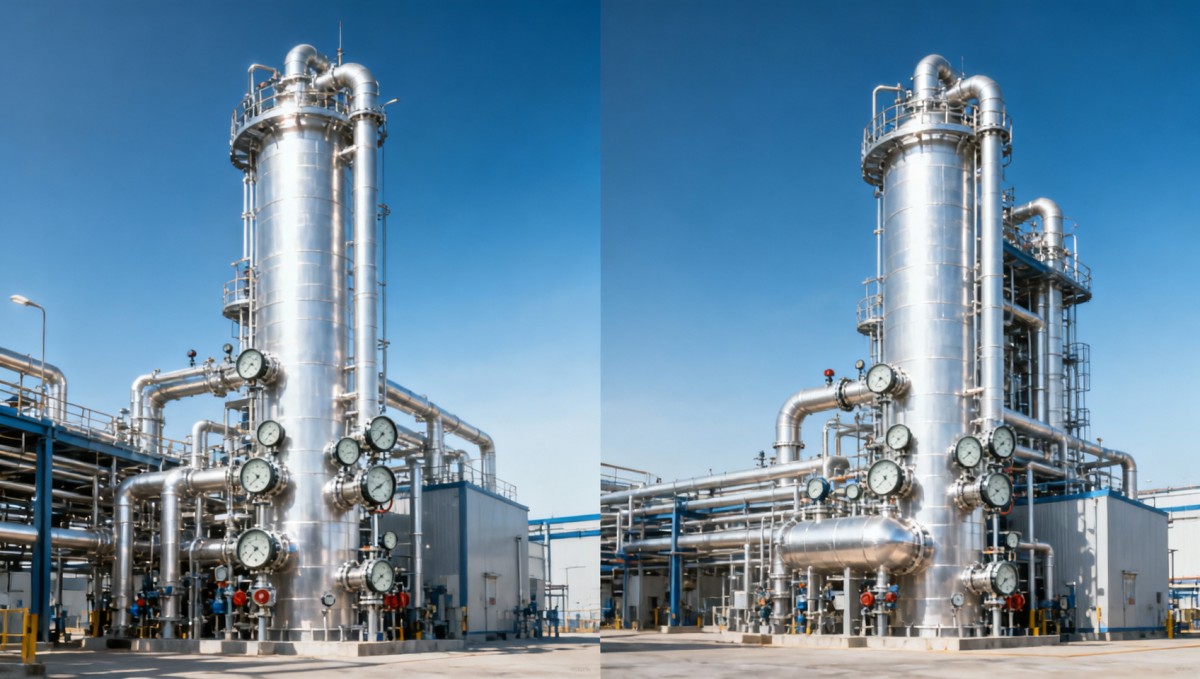
Event Overview
The newly commissioned 450ktpa PP unit forms part of Dushanzi Petrochemical's Tarim Phase II ethylene complex expansion. Technical acceptance was completed on schedule, with the facility now capable of producing ENF-grade PP resins meeting stringent international standards for formaldehyde emissions. This follows the earlier completion of upstream ethylene facilities in Q4 2025.
Impact on Key Industries
1. Medical Packaging Manufacturers
The ENF-grade PP output directly serves sterile medical packaging requirements, where material purity directly impacts regulatory compliance. Analysis shows this could reduce import dependency for Asian medical device exporters by 15-20%.
2. Food-Grade Packaging Producers
With certification for direct food contact applications, the new capacity provides woven bag manufacturers with localized access to compliant resins—previously requiring costly imports from Middle Eastern suppliers.
3. Automotive Interior Suppliers
The non-woven fabric grade PP addresses growing demand for lightweight, low-VOC materials in EV cabin components, particularly for Chinese automakers expanding in European markets.
Actionable Insights for Industry Players
Supply Chain Diversification
Procurement teams should evaluate this new supply source against existing Middle Eastern and Southeast Asian suppliers, considering: 1) freight cost advantages for Eurasian markets; 2) ENF-grade availability timelines; 3) potential preferential export policies.
Certification Alignment
Downstream processors must verify whether the plant's ENF certification covers their target export markets (EU REACH, FDA CFR 21, etc.), as regional standards vary significantly.
Inventory Strategy Adjustment
Observers note the plant's geographical position enables shorter lead times to Central Asia and Europe. Traders may reconsider safety stock levels for Q3-Q4 2026 deliveries.
Industry Perspective
From an industry standpoint, this development signals China's strategic shift from being a net PP importer to competing in premium export segments. However, actual market impact will depend on: 1) consistent quality control over initial production batches; 2) competitive pricing relative to established Middle Eastern producers; 3) logistics infrastructure readiness in Xinjiang. The coming 6-12 months will be critical for assessing operational stability.
Conclusion
While the project's scale confirms China's growing PP self-sufficiency, its true industry significance lies in specialized material capabilities. Market participants should monitor: 1) actual export volume allocations; 2) technical performance feedback from early adopters; 3) potential trade policy developments affecting Xinjiang-origin chemicals. This represents an evolving opportunity rather than an immediate market disruption.
Information Sources
• Dushanzi Petrochemical official project announcement (March 27, 2026) • Industry analysts' preliminary capacity assessments • Note: Actual export volumes and product specifications require verification through Q2 2026 production reports
 Which global manufacturing trends by sector matter most for sourcing plans?Global manufacturing trends by sector: identify sourcing risks, supplier resilience, compliance demands, and cost drivers to build smarter, more reliable procurement plans.
 What industrial trade intelligence pricing should include before you subscribeIndustrial trade intelligence pricing explained: compare coverage, data quality, access rights, and workflow value before choosing a subscription that supports smarter trade decisions.
 How an industrial trade intelligence dashboard can identify new supplier marketsDiscover how an industrial trade intelligence dashboard helps identify new supplier markets by comparing capacity, landed cost, logistics resilience, and compliance risk.
 Which global market entry barriers should exporters assess first?Global market entry barriers exporters should assess first: tariffs, compliance, buyer qualification, logistics, and payment risk. Build a practical strategy for confident market entry.
 How trade data aggregation analytics can reveal emerging supplier marketsTrade data aggregation analytics reveals emerging supplier markets by connecting trade flows, capacity signals, logistics, and compliance insights for smarter sourcing decisions.
 When an export market analysis platform can validate demand in a new marketExport market analysis platform insights help validate new-market demand through buyer fit, regulations, logistics, competition, and profitable entry conditions.
 What is driving the beauty and personal care market in the USA?Beauty and personal care in USA is driven by targeted solutions, selective premiumization, digital discovery, clean-label trust, diverse needs, and compliance. Explore key growth opportunities.
 How trade flow monitoring reports reveal changing regional demandTrade flow monitoring reports reveal changing regional demand through import volumes, sourcing shifts, product mix, logistics signals, and regulatory trends. Explore actionable market insights.
 How international market intelligence for investors reduces market-entry riskInternational market intelligence for investors reduces market-entry risk by validating demand, regulations, logistics, and competition before capital is committed.
 How international sourcing intelligence helps identify supplier risk earlyInternational sourcing intelligence helps businesses spot supplier risks early, protect supply continuity, and make smarter global procurement decisions.
 How trade data aggregation analytics reveals emerging supplier marketsTrade data aggregation analytics reveals emerging supplier markets through export trends, input flows, logistics, and regulatory signals. Discover smarter sourcing insights.
 What industrial cluster monitoring in Vietnam reveals about site riskIndustrial cluster monitoring Vietnam reveals hidden site risks across labor, utilities, logistics, compliance, and supplier dependencies. Make smarter sourcing and expansion decisions.
 Food Technology Trends Reshaping Shelf Life, Safety, and Product InnovationFood technology is reshaping shelf life, safety, and innovation. Discover the trends helping food businesses cut risk, improve compliance, and unlock stronger global market growth.
 How electronics manufacturing services are changing with low-volume demandElectronics manufacturing services are evolving fast with low-volume demand. Learn how agile EMS partners improve flexibility, compliance, sourcing resilience, and speed to market.
 How Can Buyers Reduce Procurement Risks for Electronic Components?How to reduce procurement risks for electronic components: learn how buyers assess traceability, lead times, compliance, and supplier types to avoid costly sourcing mistakes.
 What Sourcing Intelligence India Reveals About Supplier Risk and Cost ShiftsSourcing intelligence India reveals hidden supplier risk, compliance gaps, logistics pressure, and real cost shifts—helping buyers compare vendors smarter and source with more confidence.
 Fashion Trends 2026: Which Materials, Colors, and Silhouettes Are Gaining Ground?Fashion trends 2026 spotlight tactile fabrics, mineral colors, and controlled volume. Explore the materials, shades, and silhouettes shaping smarter, more wearable style.
 Smart Device Market Outlook: Key Growth Drivers, Segments, and Business OpportunitiesSmart device market trends are shifting toward system value, industrial demand, and resilient supply chains. Explore key growth drivers, high-potential segments, and business opportunities.
 How Global Trade Intelligence Services Help B2B Firms Evaluate Markets and SuppliersGlobal trade intelligence services help B2B firms compare suppliers, assess market potential, and uncover compliance, logistics, and pricing risks before costly decisions are made.
 Manufacturing Sector Updates for Investors: What Signals Matter Most in 2025?Manufacturing sector updates for investors in 2025: track orders, margins, supply chains, regulation, and exports to spot resilient manufacturers and smarter investment signals.
 How Energy Market Intelligence Helps Businesses Track Price Risks and Demand ShiftsEnergy market intelligence helps businesses spot price risks, demand shifts, and supply pressure early—improving procurement, resilience, and faster strategic decisions.





















Global Trade Insights & Industry
Our mission is to empower global exporters and importers with data-driven insights that foster strategic growth.
Search News
Popular Tags
Industry Overview
The global commercial kitchen equipment market is projected to reach $112 billion by 2027. Driven by urbanization, the rise of e-commerce food delivery, and strict hygiene regulations.