

Crop protection products: where lower price can cost more later
When evaluating crop protection products, the lowest invoice price may seem like a smart short-term saving. In practice, however, lower-cost inputs can trigger larger downstream losses through weaker field performance, inconsistent residue control, reapplication costs, regulatory setbacks, and supply disruption at critical crop stages. In agriculture and food supply chains, procurement decisions are rarely isolated events: they shape yield security, quality consistency, export readiness, and the total cost of production. A sound buying decision for crop protection products should therefore consider not only unit price, but also efficacy, application fit, technical support, traceability, and long-term commercial risk.
When low price looks attractive but field conditions are unforgiving
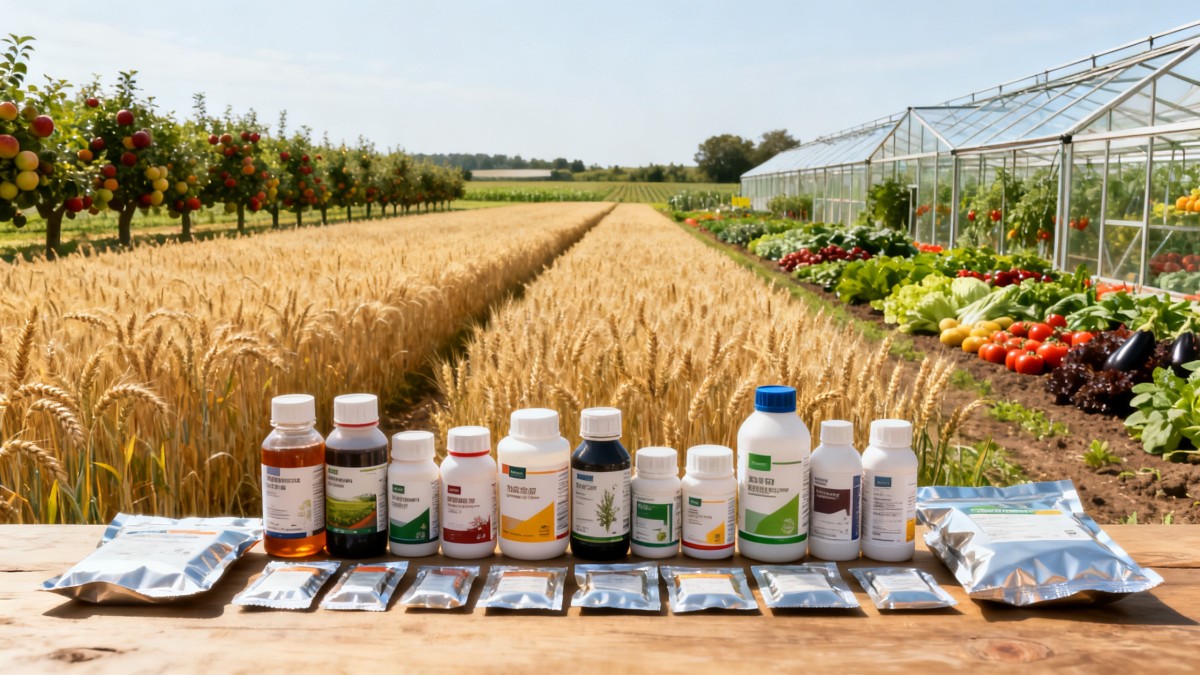
The real value of crop protection products changes dramatically by production scenario. A broadacre grain program, a high-value fruit crop, and an export vegetable supply chain face different tolerance levels for weed pressure, pest damage, residue thresholds, and timing failure. What appears to be a low-cost option in procurement can become expensive if active ingredient quality varies, formulation stability is poor, or label performance does not match local agronomic conditions.
This is why scenario-based evaluation matters. In one setting, a lower-priced fungicide may still deliver acceptable value if disease pressure is moderate and timing flexibility exists. In another, the same purchase could lead to irreversible loss if disease develops quickly and the product fails to hold control through a wet period. The question is not simply “Which crop protection products cost less?” but “In which production scenario does a lower price create greater operational exposure?”
Scenario 1: Broadacre crops where small efficacy gaps become large hectare losses
In cereals, oilseeds, maize, and other large-acreage systems, even modest underperformance in crop protection products can scale into major financial loss. A herbicide that leaves only a slightly higher weed escape rate may reduce harvest efficiency, increase seedbank pressure, and raise future control costs. Because these programs are applied across many hectares, a small difference in efficacy can multiply quickly.
The core judgment point here is consistency under variable weather, water quality, and tank-mix conditions. Lower-priced crop protection products may appear equivalent on paper, yet differ in formulation quality, suspension behavior, compatibility, and rainfastness. Where narrow application windows exist, a cheaper option that requires re-spraying or fails under stress can erase any procurement saving within days.
What matters most in this scenario
- Reliable performance across changing field conditions
- Tank-mix compatibility and application ease
- Resistance management fit within the full season program
- Stable supply during peak spray windows
Scenario 2: High-value horticulture where cosmetic quality and residue control decide margins
For fruits, vegetables, vineyards, and protected cultivation, the risk profile is different. Here, crop protection products protect not only yield, but visual quality, shelf life, and marketable grade. A low-cost insecticide or fungicide that underperforms may not destroy the entire crop, but it can downgrade premium produce into lower-value channels. That margin loss often exceeds the original saving many times over.
Residue management is another decisive factor. In horticulture, buying cheaper crop protection products without strong traceability, label clarity, and technical guidance can create residue exceedance risk, especially when harvest intervals are tight. The result may include rejected shipments, customer claims, and lasting damage to supplier credibility. In such scenarios, price must be evaluated alongside residue reliability and documentation quality.
Core judgment points for horticultural use
The most important checks include formulation quality, pre-harvest interval suitability, residue data support, crop safety, and post-application appearance. With crop protection products used close to harvest, confidence in technical compliance matters almost as much as biological efficacy.
Scenario 3: Export-oriented production where compliance failures cost more than product savings
In export agriculture, low price can be especially misleading. The value of crop protection products is inseparable from market access. Different destinations may impose specific maximum residue limits, restricted active ingredients, or registration requirements. A product that is cheaper and effective in domestic production may still be unsuitable if it complicates export compliance or audit readiness.
The key scenario judgment is whether the product supports destination-market alignment. If documentation is incomplete, batch traceability is weak, or the regulatory status is unclear, the hidden costs can include shipment holds, product re-routing, or contract penalties. In food supply chains where trust is a commercial asset, compliant crop protection products often provide stronger long-term value than lower-cost alternatives with uncertain paperwork.
How scenario needs differ when selecting crop protection products
Practical fit-checks before choosing lower-priced crop protection products
A disciplined comparison process helps reveal whether cheaper crop protection products truly reduce cost or simply shift risk downstream. Instead of comparing only active ingredient and unit price, evaluate commercial fit across the season, the market, and the agronomic environment.
- Compare cost per effective hectare, not cost per liter or kilogram. Include expected control duration, re-spray probability, and labor use.
- Check formulation and handling quality. Poor suspension, clogging, drift behavior, or mixing instability can create operational waste.
- Review registration and residue alignment. This is essential for crops entering regulated food channels or export destinations.
- Assess supplier continuity. Reliable access to the same crop protection products through peak demand periods supports program consistency.
- Request technical evidence. Field trial data, crop safety references, and batch documentation reduce avoidable uncertainty.
Common misjudgments that make cheap crop protection products expensive later
One frequent error is assuming all equivalent labels deliver equivalent outcomes. In reality, crop protection products can differ in co-formulants, physical stability, uptake characteristics, and performance under difficult weather. Another mistake is ignoring the cost of timing failure. If a cheaper product arrives late, lacks technical support, or performs inconsistently during a narrow disease or insect pressure window, lost control may not be recoverable.
A third oversight is treating compliance as a paperwork issue rather than a financial one. For food-chain businesses, product choice affects residue confidence, customer acceptance, and brand trust. Lower-priced crop protection products without strong traceability may appear to save money at purchase, yet increase the probability of claim disputes or rejected shipments later. Finally, some comparisons underestimate long-term agronomic impact. Weak control can contribute to resistance development, making future seasons more expensive and less predictable.
A smarter next step: evaluate crop protection products through total value, not headline price
The most resilient procurement decisions are built on total-value thinking. In agriculture and food systems, the right crop protection products support yield, quality, compliance, and supply stability at the same time. That means screening products by scenario: broadacre efficiency, horticultural quality protection, or export-market readiness. It also means translating technical differences into financial outcomes such as avoided rework, fewer claims, steadier output, and reduced market-access risk.
For businesses tracking global agricultural inputs, market intelligence is increasingly important to that process. GTIIN and TradeVantage help bridge information gaps by turning fragmented industry signals into usable insights across supply chains, regulations, and market movements. When assessing crop protection products, combining agronomic evidence with trusted trade intelligence creates a stronger basis for decisions that protect margins today without creating larger costs tomorrow.
 How an industrial trade intelligence dashboard can identify new supplier marketsDiscover how an industrial trade intelligence dashboard helps identify new supplier markets by comparing capacity, landed cost, logistics resilience, and compliance risk.
 Which global market entry barriers should exporters assess first?Global market entry barriers exporters should assess first: tariffs, compliance, buyer qualification, logistics, and payment risk. Build a practical strategy for confident market entry.
 How trade data aggregation analytics can reveal emerging supplier marketsTrade data aggregation analytics reveals emerging supplier markets by connecting trade flows, capacity signals, logistics, and compliance insights for smarter sourcing decisions.
 When an export market analysis platform can validate demand in a new marketExport market analysis platform insights help validate new-market demand through buyer fit, regulations, logistics, competition, and profitable entry conditions.
 What is driving the beauty and personal care market in the USA?Beauty and personal care in USA is driven by targeted solutions, selective premiumization, digital discovery, clean-label trust, diverse needs, and compliance. Explore key growth opportunities.
 How trade flow monitoring reports reveal changing regional demandTrade flow monitoring reports reveal changing regional demand through import volumes, sourcing shifts, product mix, logistics signals, and regulatory trends. Explore actionable market insights.
 How international market intelligence for investors reduces market-entry riskInternational market intelligence for investors reduces market-entry risk by validating demand, regulations, logistics, and competition before capital is committed.
 How international sourcing intelligence helps identify supplier risk earlyInternational sourcing intelligence helps businesses spot supplier risks early, protect supply continuity, and make smarter global procurement decisions.
 How trade data aggregation analytics reveals emerging supplier marketsTrade data aggregation analytics reveals emerging supplier markets through export trends, input flows, logistics, and regulatory signals. Discover smarter sourcing insights.
 What industrial cluster monitoring in Vietnam reveals about site riskIndustrial cluster monitoring Vietnam reveals hidden site risks across labor, utilities, logistics, compliance, and supplier dependencies. Make smarter sourcing and expansion decisions.
 Food Technology Trends Reshaping Shelf Life, Safety, and Product InnovationFood technology is reshaping shelf life, safety, and innovation. Discover the trends helping food businesses cut risk, improve compliance, and unlock stronger global market growth.
 How electronics manufacturing services are changing with low-volume demandElectronics manufacturing services are evolving fast with low-volume demand. Learn how agile EMS partners improve flexibility, compliance, sourcing resilience, and speed to market.
 How Can Buyers Reduce Procurement Risks for Electronic Components?How to reduce procurement risks for electronic components: learn how buyers assess traceability, lead times, compliance, and supplier types to avoid costly sourcing mistakes.
 What Sourcing Intelligence India Reveals About Supplier Risk and Cost ShiftsSourcing intelligence India reveals hidden supplier risk, compliance gaps, logistics pressure, and real cost shifts—helping buyers compare vendors smarter and source with more confidence.
 Fashion Trends 2026: Which Materials, Colors, and Silhouettes Are Gaining Ground?Fashion trends 2026 spotlight tactile fabrics, mineral colors, and controlled volume. Explore the materials, shades, and silhouettes shaping smarter, more wearable style.
 Smart Device Market Outlook: Key Growth Drivers, Segments, and Business OpportunitiesSmart device market trends are shifting toward system value, industrial demand, and resilient supply chains. Explore key growth drivers, high-potential segments, and business opportunities.
 How Global Trade Intelligence Services Help B2B Firms Evaluate Markets and SuppliersGlobal trade intelligence services help B2B firms compare suppliers, assess market potential, and uncover compliance, logistics, and pricing risks before costly decisions are made.
 Manufacturing Sector Updates for Investors: What Signals Matter Most in 2025?Manufacturing sector updates for investors in 2025: track orders, margins, supply chains, regulation, and exports to spot resilient manufacturers and smarter investment signals.
 How Energy Market Intelligence Helps Businesses Track Price Risks and Demand ShiftsEnergy market intelligence helps businesses spot price risks, demand shifts, and supply pressure early—improving procurement, resilience, and faster strategic decisions.
 Precision Hardware Tools Market: Key Demand Drivers, Segments, and Growth OutlookPrecision hardware tools market trends are reshaping sourcing, compliance, and automation. Explore key demand drivers, segment shifts, regional supply patterns, and growth opportunities.
 How to Use Customs Import Data to Find Buyers, Track Competitors, and Spot Demand?Customs import data helps you find real buyers, track competitors, and spot demand shifts early. Learn practical ways to turn trade records into smarter global business decisions.





















Global Trade Insights & Industry
Our mission is to empower global exporters and importers with data-driven insights that foster strategic growth.
Search News
Popular Tags
Industry Overview
The global commercial kitchen equipment market is projected to reach $112 billion by 2027. Driven by urbanization, the rise of e-commerce food delivery, and strict hygiene regulations.