

MIIT Launches 2026 Industrial Energy Conservation Inspection
On May 14, 2026, the Ministry of Industry and Information Technology (MIIT) initiated its annual industrial energy conservation inspection campaign, focusing on export-oriented energy-efficient products—including motors, transformers, air compressors, and LED industrial lighting. This action directly affects exporters in the wires & cables, transformers, and energy-saving lighting sectors, with implications for CE and UKCA certification validity and export compliance.
Event Overview
The Ministry of Industry and Information Technology launched the 2026 Industrial Energy Conservation Inspection on May 14, 2026. The campaign explicitly lists motors, transformers, air compressors, and LED industrial lighting as key inspected products. Manufacturers must fully comply with mandatory energy efficiency standards GB 18613–2022 and GB 20052–2024. Non-compliant enterprises will be publicly listed and face restrictions on export eligibility.
Industries Affected
Direct Exporters
Exporters of motors, transformers, air compressors, and LED industrial lighting are directly subject to verification under this inspection. Non-compliance may result in loss of export qualification—especially for shipments requiring CE or UKCA marking, where conformity with applicable energy performance requirements is a prerequisite.
Manufacturers & OEMs
Domestic manufacturers producing covered equipment must verify current production models against updated national standards (e.g., GB 20052–2024 for transformers). Since the regulation mandates 100% compliance, even legacy product lines still in export inventory may require retesting or documentation updates to maintain eligibility.
Supply Chain & Certification Service Providers
Third-party testing labs, certification bodies, and technical documentation consultants supporting CE/UKCA applications must now align assessments with MIIT’s enforcement priorities. Discrepancies between declared efficiency values and MIIT-verified data could trigger downstream certification challenges or audit escalations.
Key Actions for Enterprises and Practitioners
Monitor Official Updates on Implementation Timelines and Scope Clarifications
While the inspection commenced on May 14, 2026, detailed provincial rollout schedules, sampling protocols, and definitions of “export-related production” have not yet been published. Enterprises should track MIIT’s official notices and provincial industry bureaus’ implementation guidance for operational clarity.
Verify Product Models Against the Latest Mandatory Standards
Confirm that all actively exported motor, transformer, and air compressor models meet GB 18613–2022 and GB 20052–2024 requirements—including updated measurement methods and minimum efficiency levels. Note that GB 20052–2024 supersedes earlier versions and introduces stricter thresholds for medium-power distribution transformers.
Assess Impact on CE/UKCA Technical Documentation Packages
CE and UKCA declarations rely on test reports and technical files demonstrating compliance with EU/UK energy labeling regulations (e.g., EU Regulation 2019/1781). Where MIIT’s inspection identifies discrepancies in energy performance claims, those findings may be referenced by EU market surveillance authorities during post-market checks—making alignment across regulatory claims essential.
Prepare Internal Compliance Records and Traceability Documentation
Maintain up-to-date records linking each exported batch to verified test reports, production dates, and standard editions applied. MIIT’s enforcement includes on-site verification; traceable documentation helps demonstrate due diligence and may mitigate administrative penalties for borderline cases.
Editorial Perspective / Industry Observation
Observably, this inspection is less a one-off enforcement action and more a signal of tightening integration between domestic regulatory oversight and international market access conditions. Analysis shows MIIT is increasingly treating energy efficiency compliance not only as an environmental policy objective but also as a trade-enabling requirement—particularly for products already regulated under EU/UK eco-design frameworks. From an industry perspective, the linkage between MIIT’s domestic audit outcomes and CE/UKCA validity suggests growing interdependence between Chinese regulatory enforcement and global conformity assessment systems. Current developments are better understood as an early-stage alignment mechanism rather than a finalized trade barrier—but sustained attention is warranted as provincial enforcement details emerge.
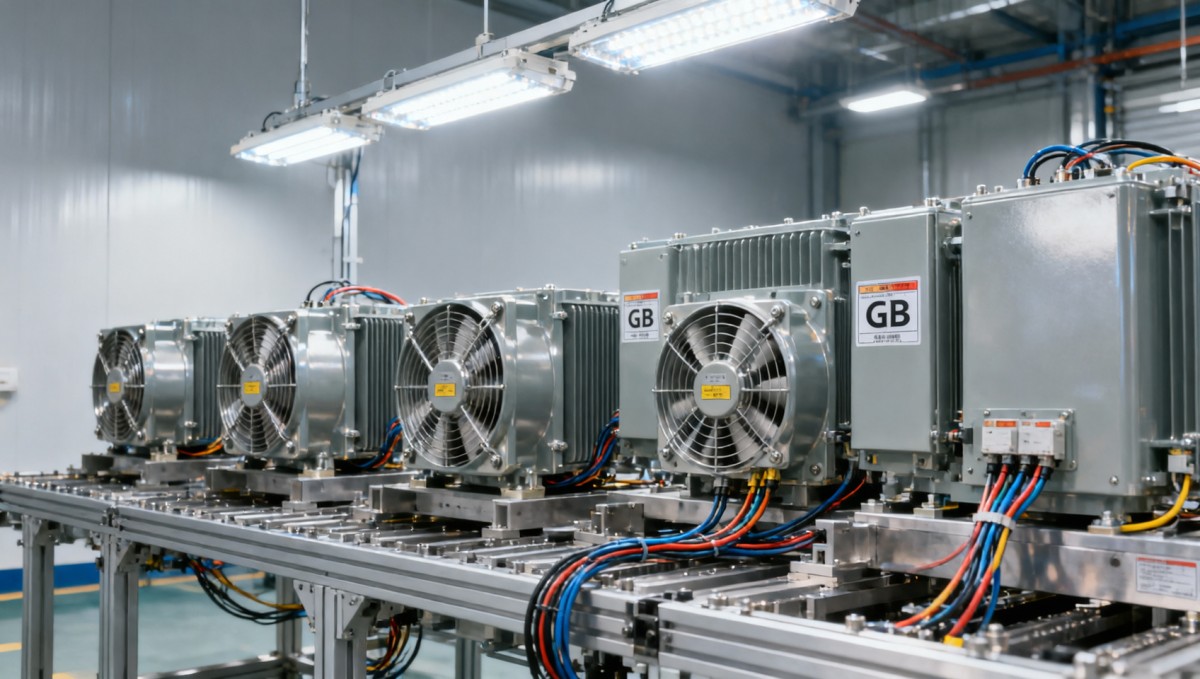
This initiative underscores how domestic energy efficiency governance is becoming a de facto gatekeeper for export competitiveness in energy-intensive electromechanical categories. It does not introduce new international requirements—but it reinforces that consistent, verifiable compliance across jurisdictions is now a baseline expectation—not an optional differentiator.
Information Source: Official announcement issued by the Ministry of Industry and Information Technology (MIIT), dated May 14, 2026. No supplementary background documents, implementation guidelines, or provincial enforcement plans have been publicly released as of the publication date. These elements remain subject to ongoing observation.
 Which global manufacturing trends by sector matter most for sourcing plans?Global manufacturing trends by sector: identify sourcing risks, supplier resilience, compliance demands, and cost drivers to build smarter, more reliable procurement plans.
 What industrial trade intelligence pricing should include before you subscribeIndustrial trade intelligence pricing explained: compare coverage, data quality, access rights, and workflow value before choosing a subscription that supports smarter trade decisions.
 How an industrial trade intelligence dashboard can identify new supplier marketsDiscover how an industrial trade intelligence dashboard helps identify new supplier markets by comparing capacity, landed cost, logistics resilience, and compliance risk.
 Which global market entry barriers should exporters assess first?Global market entry barriers exporters should assess first: tariffs, compliance, buyer qualification, logistics, and payment risk. Build a practical strategy for confident market entry.
 How trade data aggregation analytics can reveal emerging supplier marketsTrade data aggregation analytics reveals emerging supplier markets by connecting trade flows, capacity signals, logistics, and compliance insights for smarter sourcing decisions.
 When an export market analysis platform can validate demand in a new marketExport market analysis platform insights help validate new-market demand through buyer fit, regulations, logistics, competition, and profitable entry conditions.
 What is driving the beauty and personal care market in the USA?Beauty and personal care in USA is driven by targeted solutions, selective premiumization, digital discovery, clean-label trust, diverse needs, and compliance. Explore key growth opportunities.
 How trade flow monitoring reports reveal changing regional demandTrade flow monitoring reports reveal changing regional demand through import volumes, sourcing shifts, product mix, logistics signals, and regulatory trends. Explore actionable market insights.
 How international market intelligence for investors reduces market-entry riskInternational market intelligence for investors reduces market-entry risk by validating demand, regulations, logistics, and competition before capital is committed.
 How international sourcing intelligence helps identify supplier risk earlyInternational sourcing intelligence helps businesses spot supplier risks early, protect supply continuity, and make smarter global procurement decisions.
 How trade data aggregation analytics reveals emerging supplier marketsTrade data aggregation analytics reveals emerging supplier markets through export trends, input flows, logistics, and regulatory signals. Discover smarter sourcing insights.
 What industrial cluster monitoring in Vietnam reveals about site riskIndustrial cluster monitoring Vietnam reveals hidden site risks across labor, utilities, logistics, compliance, and supplier dependencies. Make smarter sourcing and expansion decisions.
 Food Technology Trends Reshaping Shelf Life, Safety, and Product InnovationFood technology is reshaping shelf life, safety, and innovation. Discover the trends helping food businesses cut risk, improve compliance, and unlock stronger global market growth.
 How electronics manufacturing services are changing with low-volume demandElectronics manufacturing services are evolving fast with low-volume demand. Learn how agile EMS partners improve flexibility, compliance, sourcing resilience, and speed to market.
 How Can Buyers Reduce Procurement Risks for Electronic Components?How to reduce procurement risks for electronic components: learn how buyers assess traceability, lead times, compliance, and supplier types to avoid costly sourcing mistakes.
 What Sourcing Intelligence India Reveals About Supplier Risk and Cost ShiftsSourcing intelligence India reveals hidden supplier risk, compliance gaps, logistics pressure, and real cost shifts—helping buyers compare vendors smarter and source with more confidence.
 Fashion Trends 2026: Which Materials, Colors, and Silhouettes Are Gaining Ground?Fashion trends 2026 spotlight tactile fabrics, mineral colors, and controlled volume. Explore the materials, shades, and silhouettes shaping smarter, more wearable style.
 Smart Device Market Outlook: Key Growth Drivers, Segments, and Business OpportunitiesSmart device market trends are shifting toward system value, industrial demand, and resilient supply chains. Explore key growth drivers, high-potential segments, and business opportunities.
 How Global Trade Intelligence Services Help B2B Firms Evaluate Markets and SuppliersGlobal trade intelligence services help B2B firms compare suppliers, assess market potential, and uncover compliance, logistics, and pricing risks before costly decisions are made.
 Manufacturing Sector Updates for Investors: What Signals Matter Most in 2025?Manufacturing sector updates for investors in 2025: track orders, margins, supply chains, regulation, and exports to spot resilient manufacturers and smarter investment signals.
 How Energy Market Intelligence Helps Businesses Track Price Risks and Demand ShiftsEnergy market intelligence helps businesses spot price risks, demand shifts, and supply pressure early—improving procurement, resilience, and faster strategic decisions.





















Global Trade Insights & Industry
Our mission is to empower global exporters and importers with data-driven insights that foster strategic growth.
Search News
Popular Tags
Industry Overview
The global commercial kitchen equipment market is projected to reach $112 billion by 2027. Driven by urbanization, the rise of e-commerce food delivery, and strict hygiene regulations.