

When does HVAC systems maintenance become urgent?
For after-sales service operations, knowing when routine HVAC systems maintenance turns into an urgent response can prevent costly downtime, safety risks, and customer dissatisfaction.
Warning signs such as abnormal noise, weak airflow, refrigerant leaks, electrical faults, burning smells, or sudden performance drops should never be treated casually.
This guide explains the situations that require immediate attention, helping maintenance decisions become faster, safer, and more reliable across commercial and industrial environments.
Urgency Is Rising as HVAC Loads Become Less Predictable
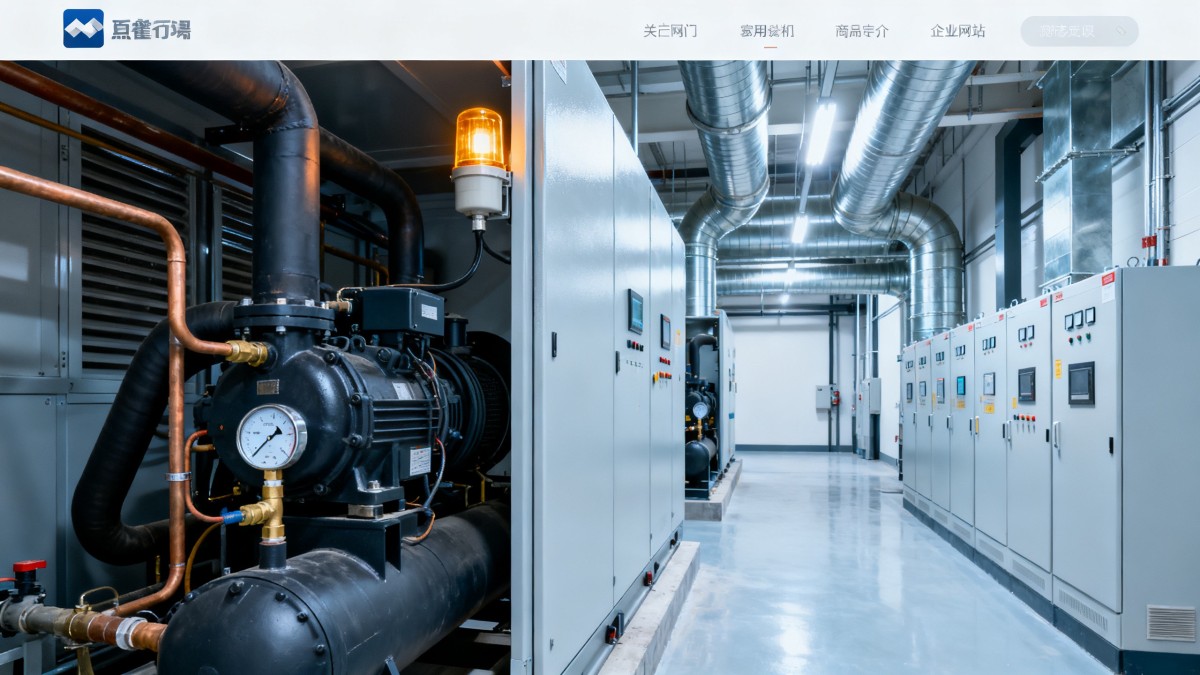
HVAC systems maintenance is becoming more time-sensitive because buildings now operate under heavier cooling loads, tighter comfort expectations, and stricter energy targets.
Heat waves, dense equipment rooms, flexible occupancy, and longer operating hours place continuous stress on compressors, motors, coils, and control systems.
A minor fault can quickly affect production areas, cold storage zones, offices, laboratories, hospitality facilities, or retail environments.
This shift changes the meaning of HVAC systems maintenance. It is no longer only calendar-based servicing.
It increasingly becomes risk-based decision-making, where symptoms, operating context, and business impact determine response priority.
Clear Warning Signs That Make HVAC Systems Maintenance Urgent
Urgent HVAC systems maintenance is required when symptoms indicate safety risk, equipment damage, operational disruption, or environmental non-compliance.
The following signs should trigger immediate inspection rather than delayed routine service.
- Burning smells from vents, panels, motors, or wiring compartments.
- Sudden shutdowns, repeated breaker trips, or unstable electrical behavior.
- Visible refrigerant leakage, oil stains, frozen coils, or hissing sounds.
- Severe vibration, grinding, metallic noise, or fan imbalance.
- Weak airflow affecting critical rooms or process-sensitive areas.
- Rapid temperature drift despite normal thermostat settings.
- Water leakage near electrical parts, ceilings, floors, or occupied zones.
- Alarm messages from building management systems or smart controllers.
When these signals appear, HVAC systems maintenance should focus first on containment, safety isolation, and root-cause diagnosis.
Continuing operation may increase compressor failure, motor burnout, indoor air quality problems, and unplanned downtime.
Why Routine Service Turns Into Emergency Response
Several industry changes are making HVAC systems maintenance more urgent, especially in facilities with continuous operations or sensitive process requirements.
These drivers mean urgent HVAC systems maintenance is often triggered before total failure.
Temperature instability, pressure anomalies, rising amperage, and recurring alarms can indicate hidden system stress.
A fast response protects equipment life while limiting the financial impact of emergency replacement.
How Urgent HVAC Issues Affect Different Business Functions
When HVAC systems maintenance is delayed, the impact rarely stays inside the mechanical room.
Cooling, ventilation, humidity control, and air filtration support many connected business activities.
- Operations: Production stability can decline when temperature-sensitive equipment overheats.
- Facility safety: Electrical faults, leaks, and poor ventilation may create immediate hazards.
- Customer-facing spaces: Comfort complaints can damage service quality and brand perception.
- Inventory control: Improper humidity or temperature can affect food, electronics, cosmetics, or medical goods.
- Energy management: Failing equipment often consumes more power before complete breakdown.
This is why HVAC systems maintenance should be prioritized according to risk, not only service order timing.
A noisy fan in a storage corridor may be moderate priority.
The same fault in a clean area, server room, or refrigerated space can become urgent.
A Practical Priority Scale for Faster Maintenance Decisions
A structured priority scale helps separate routine HVAC systems maintenance from emergency intervention.
It also reduces confusion when multiple service requests arrive at the same time.
This decision model keeps HVAC systems maintenance aligned with real operating risk.
It also creates consistent documentation for future performance analysis and warranty discussions.
Key Areas That Deserve Immediate Technical Attention
Urgent HVAC systems maintenance should concentrate on components that create cascading failures when ignored.
Electrical Controls and Power Circuits
Loose terminals, overheated contactors, damaged insulation, and unstable voltage can create serious fire or shutdown risks.
Breaker trips should never be repeatedly reset without diagnosis.
Refrigerant Circuit and Compressor Health
Refrigerant leakage reduces cooling capacity and may damage compressors through overheating or poor lubrication.
Urgent HVAC systems maintenance should verify pressure, superheat, subcooling, and visible leak indicators.
Airflow, Filters, Coils, and Fans
Restricted airflow forces equipment to work harder and can freeze coils or overheat motors.
Dirty filters, blocked returns, damaged belts, and failing bearings require prompt correction.
Drainage and Condensate Management
Water around ceilings, panels, or floors can affect building safety and nearby assets.
Drain blockages should be treated quickly, especially above occupied or equipment-heavy areas.
What to Watch Before the Next Breakdown
The strongest HVAC systems maintenance programs identify patterns before emergency calls increase.
Monitoring should combine field observations, controller data, service history, and operating context.
- Track repeated alarms from the same unit or zone.
- Compare energy use against weather and occupancy changes.
- Record abnormal noise, vibration, odor, and airflow complaints.
- Review refrigerant top-up frequency and leak repair history.
- Check whether filters clog faster than expected.
- Identify rooms where temperature recovery is consistently slow.
- Verify spare parts availability for high-risk equipment.
These indicators support proactive HVAC systems maintenance and reduce the probability of sudden asset failure.
They also help decide whether repair, retrofit, or replacement is the more resilient option.
Response Planning for Commercial and Industrial Environments
Urgent HVAC systems maintenance requires more than technical repair.
It needs clear communication, safe access, verified parts, and contingency planning.
This approach turns urgent HVAC systems maintenance into a controlled recovery process.
It also improves decision quality when equipment is aging or operating beyond original design assumptions.
How Trade Intelligence Supports Better Maintenance Timing
Global equipment markets influence HVAC systems maintenance because parts availability, refrigerant rules, component quality, and logistics delays affect repair speed.
GTIIN tracks industrial signals across machinery, electrical infrastructure, green energy, logistics, construction, and service supply chains.
This broader visibility helps identify risks that may influence maintenance planning, equipment sourcing, and replacement decisions.
For example, a shortage of compressors, control boards, sensors, or approved refrigerants can change the urgency of early repairs.
When replacement cycles become longer, preventive HVAC systems maintenance becomes a strategic reliability measure, not only a facility task.
Next Steps for Reducing Urgent HVAC Failures
Urgency begins when HVAC symptoms threaten safety, continuity, compliance, or asset life.
The best response is a practical system that combines fast triage with disciplined preventive work.
- Define emergency, high, medium, and routine HVAC systems maintenance criteria.
- Train service workflows to recognize electrical, refrigerant, airflow, and drainage risks.
- Use sensor data and service history to detect recurring warning patterns.
- Prepare spare parts for high-risk units before peak seasons.
- Review supplier reliability, lead times, and compliance requirements regularly.
For stronger operational resilience, connect HVAC systems maintenance planning with verified market intelligence, parts availability checks, and documented risk assessment.
GTIIN helps turn scattered industrial information into structured insight for faster, more confident maintenance and sourcing decisions.
 How to use supplier risk analysis to spot financial warning signsUse supplier risk analysis to spot cash flow pressure, debt risks, and delivery warning signs. Learn practical steps to reduce exposure and protect supply continuity.
 When dual sourcing makes sense in a sourcing strategy for manufacturersSourcing strategy for manufacturers: learn when dual sourcing strengthens supply continuity, reduces disruption risk, and protects production without adding unnecessary complexity.
 How bulk commodities pricing affects long-term supply contractsBulk commodities pricing shapes long-term supply contracts through index rules, freight, quality, volume, and currency risk. Explore strategies for resilient costs and supply security.
 Which global manufacturing trends by sector matter most for sourcing plans?Global manufacturing trends by sector: identify sourcing risks, supplier resilience, compliance demands, and cost drivers to build smarter, more reliable procurement plans.
 What industrial trade intelligence pricing should include before you subscribeIndustrial trade intelligence pricing explained: compare coverage, data quality, access rights, and workflow value before choosing a subscription that supports smarter trade decisions.
 How an industrial trade intelligence dashboard can identify new supplier marketsDiscover how an industrial trade intelligence dashboard helps identify new supplier markets by comparing capacity, landed cost, logistics resilience, and compliance risk.
 Which global market entry barriers should exporters assess first?Global market entry barriers exporters should assess first: tariffs, compliance, buyer qualification, logistics, and payment risk. Build a practical strategy for confident market entry.
 How trade data aggregation analytics can reveal emerging supplier marketsTrade data aggregation analytics reveals emerging supplier markets by connecting trade flows, capacity signals, logistics, and compliance insights for smarter sourcing decisions.
 When an export market analysis platform can validate demand in a new marketExport market analysis platform insights help validate new-market demand through buyer fit, regulations, logistics, competition, and profitable entry conditions.
 What is driving the beauty and personal care market in the USA?Beauty and personal care in USA is driven by targeted solutions, selective premiumization, digital discovery, clean-label trust, diverse needs, and compliance. Explore key growth opportunities.
 How trade flow monitoring reports reveal changing regional demandTrade flow monitoring reports reveal changing regional demand through import volumes, sourcing shifts, product mix, logistics signals, and regulatory trends. Explore actionable market insights.
 How international market intelligence for investors reduces market-entry riskInternational market intelligence for investors reduces market-entry risk by validating demand, regulations, logistics, and competition before capital is committed.
 How international sourcing intelligence helps identify supplier risk earlyInternational sourcing intelligence helps businesses spot supplier risks early, protect supply continuity, and make smarter global procurement decisions.
 How trade data aggregation analytics reveals emerging supplier marketsTrade data aggregation analytics reveals emerging supplier markets through export trends, input flows, logistics, and regulatory signals. Discover smarter sourcing insights.
 What industrial cluster monitoring in Vietnam reveals about site riskIndustrial cluster monitoring Vietnam reveals hidden site risks across labor, utilities, logistics, compliance, and supplier dependencies. Make smarter sourcing and expansion decisions.
 Food Technology Trends Reshaping Shelf Life, Safety, and Product InnovationFood technology is reshaping shelf life, safety, and innovation. Discover the trends helping food businesses cut risk, improve compliance, and unlock stronger global market growth.
 How electronics manufacturing services are changing with low-volume demandElectronics manufacturing services are evolving fast with low-volume demand. Learn how agile EMS partners improve flexibility, compliance, sourcing resilience, and speed to market.
 How Can Buyers Reduce Procurement Risks for Electronic Components?How to reduce procurement risks for electronic components: learn how buyers assess traceability, lead times, compliance, and supplier types to avoid costly sourcing mistakes.
 What Sourcing Intelligence India Reveals About Supplier Risk and Cost ShiftsSourcing intelligence India reveals hidden supplier risk, compliance gaps, logistics pressure, and real cost shifts—helping buyers compare vendors smarter and source with more confidence.
 Fashion Trends 2026: Which Materials, Colors, and Silhouettes Are Gaining Ground?Fashion trends 2026 spotlight tactile fabrics, mineral colors, and controlled volume. Explore the materials, shades, and silhouettes shaping smarter, more wearable style.
 Smart Device Market Outlook: Key Growth Drivers, Segments, and Business OpportunitiesSmart device market trends are shifting toward system value, industrial demand, and resilient supply chains. Explore key growth drivers, high-potential segments, and business opportunities.




















Global Trade Insights & Industry
Our mission is to empower global exporters and importers with data-driven insights that foster strategic growth.
Search News
Popular Tags
Industry Overview
The global commercial kitchen equipment market is projected to reach $112 billion by 2027. Driven by urbanization, the rise of e-commerce food delivery, and strict hygiene regulations.