

Do Self-Propelled Lawn Mowers Handle Hills Well?
Do self-propelled lawn mowers handle hills well? The answer depends on slope angle, drive system, wheel traction, mower weight, and cutting conditions. For buyers, distributors, and sourcing teams evaluating outdoor power equipment, understanding hillside performance is essential for comparing product value, user safety, and market demand. This guide outlines the key factors that determine whether a self-propelled mower can operate efficiently and reliably on uneven terrain.
Do Self-Propelled Lawn Mowers Actually Perform Well on Hills?
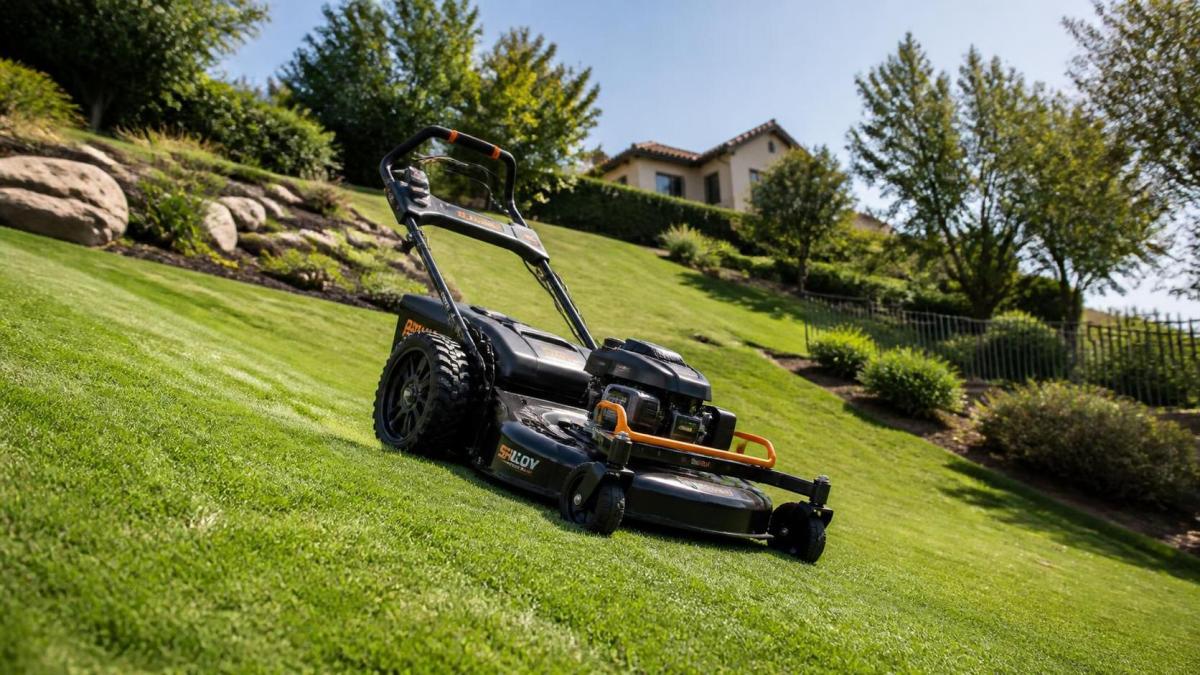
Yes, many self-propelled lawn mowers can handle hills well, but only within reasonable slope limits and with the right configuration. Performance depends far more on design quality than on the self-propelled label alone.
For end users, the main advantage is reduced pushing effort on inclines. For commercial buyers and product evaluators, the bigger question is whether a mower maintains traction, stable cutting, and operator control on uneven ground.
A mower that works smoothly on flat suburban lawns may struggle on wet grass, side slopes, or rough ground. That distinction matters when comparing product positioning across residential, semi-professional, and dealer-focused markets.
In practical terms, self-propelled models are usually better than push mowers for mild to moderate hills. However, very steep terrain may still require specialized walk-behind equipment, a string trimmer strategy, or a riding solution.
What Is the Real Search Intent Behind This Question?
People searching “do self-propelled lawn mowers handle hills well” usually want a direct buying and usability answer. They are not looking for abstract product definitions or generic lawn care theory.
Homeowners want to know whether the mower will feel safe and manageable. Dealers and distributors want to know which models fit hilly-property demand and how to explain performance differences to customers clearly.
Importers and sourcing teams often have a second layer of intent. They want to understand which specifications actually support hillside performance so they can compare suppliers, review claims, and avoid weak product positioning.
That means the most useful content should focus on slope capability, traction, drivetrain design, wheel configuration, deck balance, and use limitations. Broad lifestyle commentary adds little value for this audience.
Which Product Features Matter Most on Slopes?
The drive system is the first critical factor. Front-wheel-drive self-propelled mowers can work well on flatter lawns, but they often lose effectiveness on inclines when the front wheels become lighter or lift slightly.
Rear-wheel-drive models are generally better for hills because weight shifts toward the back wheels during uphill movement. This gives them more reliable grip and more consistent pulling force in uneven conditions.
All-wheel-drive models may offer the strongest traction on challenging terrain, especially when grass is damp or ground conditions are mixed. They are often positioned as premium options for complex residential landscapes.
Wheel size and tread design also matter. Larger rear wheels and deeper tread patterns usually improve grip and rolling stability. Smooth consumer wheels may reduce cost, but they can limit hillside confidence.
Engine or motor torque is another overlooked point. A self-propelled system must do more than move the mower. It must maintain blade speed and forward momentum while climbing and cutting dense grass at the same time.
Mower weight should be evaluated carefully. More weight can improve traction, but excessive weight may reduce maneuverability and increase risk if the operator loses footing. Balance matters more than simple heaviness.
How Steep Is Too Steep for a Self-Propelled Lawn Mower?
This is one of the most important practical questions, yet many product listings answer it poorly. Most walk-behind self-propelled mowers are suitable for gentle to moderate slopes, not extreme embankments.
Manufacturers often avoid giving a single universal slope number because safety depends on surface conditions, user ability, and mowing direction. A dry, maintained hill is very different from wet, loose, or deeply uneven ground.
As a general market interpretation, mild residential slopes are usually manageable for quality rear-wheel-drive units. Performance becomes less predictable as incline angle increases, especially when grass is long or the surface is slippery.
Sidehill mowing deserves extra caution. A mower may climb uphill acceptably yet feel unstable when moving across the face of a slope. This is where traction, wheel stance, and operator control become more critical.
For business buyers, the takeaway is clear. A claim that a mower is self-propelled should not be treated as proof of hillside suitability. Slope-use messaging must be backed by design evidence and user guidance.
Why Traction and Surface Conditions Change Everything
Traction is often the deciding factor in whether a self-propelled mower handles hills well. Even a strong drive system will underperform if wheels slip on wet grass, loose soil, or compacted leaf debris.
This is why identical mowers can receive very different user reviews. One operator may use the mower on dry, firm turf and report excellent hill performance, while another uses it after rainfall and experiences frequent wheel spin.
Grass height also changes resistance. Thick, overgrown grass increases blade load and rolling drag, which can expose weaknesses in drive strength. Short, regularly maintained lawns are far easier for self-propelled machines to manage.
Tire material and tread wear further affect real-world use. Over time, worn wheels reduce grip, which can make a once-capable mower feel unreliable on slopes. This matters for after-sales service planning and replacement parts strategy.
For distributors and procurement teams, traction should be treated as a specification and service issue, not only a marketing phrase. Replacement wheel availability and tread quality influence long-term customer satisfaction.
How Safety Should Be Evaluated Alongside Performance
When people ask whether self-propelled lawn mowers handle hills well, they are often also asking whether using one on a hill is safe. Safety and performance cannot be separated in realistic product evaluation.
A mower that pulls aggressively but lacks stable handling can create risk. On slopes, operators need predictable speed, secure footing, and confidence that the machine will not surge, slide, or become difficult to turn.
Variable speed control is especially valuable on hills. It allows users to match mower pace to terrain and walking comfort. Fixed-speed systems may feel acceptable on flat ground but become awkward on inclines.
Handle ergonomics and control placement also matter. If users must strain to maintain grip while adjusting direction, hillside mowing becomes tiring and less safe. Good design reduces correction effort and improves confidence.
Blade-stop features, reliable braking response, and clear safety instructions support product quality in this category. For B2B buyers, safety credibility can influence market acceptance, liability concerns, and retailer trust.
What Buyers, Importers, and Distributors Should Compare Before Sourcing
For professional sourcing decisions, the right question is not simply whether a mower is self-propelled. The better question is which technical and commercial factors determine hillside performance and customer fit.
Start with drive layout: front-wheel, rear-wheel, or all-wheel drive. Then compare motor or engine output, transmission durability, wheel diameter, tread pattern, deck width, total machine weight, and speed control options.
Ask suppliers whether their hill-use claims come from internal testing, field feedback, or market positioning assumptions. Vague statements such as “ideal for all terrain” should be treated cautiously unless backed by clear specifications.
It is also useful to review assembly consistency, wheel component quality, and spare-parts support. A mower may demonstrate good initial performance but create long-term channel problems if traction parts wear quickly or fail often.
For cross-border trade buyers, packaging, compliance documentation, and user manual quality matter too. Outdoor power equipment often faces stricter expectations around safety labeling, maintenance instructions, and liability clarity.
Which End Markets Are Most Likely to Value Hill Capability?
Not every market prioritizes slope performance equally. Regions with flatter suburban development may focus more on price, cutting width, and ease of storage than on hill-climbing traction or advanced drive systems.
By contrast, markets with uneven residential landscapes, rural properties, or landscaped commercial grounds often place higher value on rear-wheel-drive stability, variable speed, and stronger torque under load.
Dealers in these regions may benefit from clearer merchandising around hillside use cases. Positioning a mower as suitable for mild to moderate slopes can be persuasive if the claim is realistic and technically supported.
Premium segments may also respond well to all-wheel-drive and durability messaging, particularly where customers maintain larger lawns. In those channels, reduced operator fatigue can be a strong secondary selling point.
For GTIIN-oriented readers, this reflects a broader trade principle. Product demand is shaped by terrain, climate, user expectations, and service infrastructure, not only by nominal equipment category.
When Is a Self-Propelled Mower the Wrong Choice?
Self-propelled mowers are not the best answer for every hill. Very steep banks, unstable soil, and heavily obstructed slopes may require different equipment entirely, even when a self-propelled model is well engineered.
In some cases, a lighter specialist machine, a dedicated brush cutter, or a ride-on unit designed for slope management will deliver better safety and efficiency. The wrong product fit increases returns and customer dissatisfaction.
This matters commercially because poor fit is often misread as poor product quality. A mower can be well made and still perform badly when used outside its intended terrain range. Clear product education reduces this problem.
Retailers and importers should therefore avoid overpromising. It is better to define suitable conditions precisely than to claim universal hill performance and create avoidable after-sales disputes.
Final Assessment: Do Self-Propelled Lawn Mowers Handle Hills Well?
Yes, self-propelled lawn mowers can handle hills well when the slope is moderate, traction is adequate, and the mower uses a drive system suited to uneven ground. Rear-wheel-drive and all-wheel-drive models usually perform best.
They do not automatically solve every hillside mowing challenge. Wet grass, side slopes, weak wheel grip, poor balance, and limited torque can reduce control and cutting efficiency even on machines marketed for convenience.
For buyers, distributors, and sourcing teams, the most reliable evaluation method is to examine hill performance through design details, safety features, and realistic terrain fit rather than through category labels alone.
In short, the answer is not just whether a mower is self-propelled. The real answer lies in how well its traction, drivetrain, control system, and build quality match the conditions where it will actually be used.
 How an industrial trade intelligence dashboard can identify new supplier marketsDiscover how an industrial trade intelligence dashboard helps identify new supplier markets by comparing capacity, landed cost, logistics resilience, and compliance risk.
 Which global market entry barriers should exporters assess first?Global market entry barriers exporters should assess first: tariffs, compliance, buyer qualification, logistics, and payment risk. Build a practical strategy for confident market entry.
 How trade data aggregation analytics can reveal emerging supplier marketsTrade data aggregation analytics reveals emerging supplier markets by connecting trade flows, capacity signals, logistics, and compliance insights for smarter sourcing decisions.
 When an export market analysis platform can validate demand in a new marketExport market analysis platform insights help validate new-market demand through buyer fit, regulations, logistics, competition, and profitable entry conditions.
 What is driving the beauty and personal care market in the USA?Beauty and personal care in USA is driven by targeted solutions, selective premiumization, digital discovery, clean-label trust, diverse needs, and compliance. Explore key growth opportunities.
 How trade flow monitoring reports reveal changing regional demandTrade flow monitoring reports reveal changing regional demand through import volumes, sourcing shifts, product mix, logistics signals, and regulatory trends. Explore actionable market insights.
 How international market intelligence for investors reduces market-entry riskInternational market intelligence for investors reduces market-entry risk by validating demand, regulations, logistics, and competition before capital is committed.
 How international sourcing intelligence helps identify supplier risk earlyInternational sourcing intelligence helps businesses spot supplier risks early, protect supply continuity, and make smarter global procurement decisions.
 How trade data aggregation analytics reveals emerging supplier marketsTrade data aggregation analytics reveals emerging supplier markets through export trends, input flows, logistics, and regulatory signals. Discover smarter sourcing insights.
 What industrial cluster monitoring in Vietnam reveals about site riskIndustrial cluster monitoring Vietnam reveals hidden site risks across labor, utilities, logistics, compliance, and supplier dependencies. Make smarter sourcing and expansion decisions.
 Food Technology Trends Reshaping Shelf Life, Safety, and Product InnovationFood technology is reshaping shelf life, safety, and innovation. Discover the trends helping food businesses cut risk, improve compliance, and unlock stronger global market growth.
 How electronics manufacturing services are changing with low-volume demandElectronics manufacturing services are evolving fast with low-volume demand. Learn how agile EMS partners improve flexibility, compliance, sourcing resilience, and speed to market.
 How Can Buyers Reduce Procurement Risks for Electronic Components?How to reduce procurement risks for electronic components: learn how buyers assess traceability, lead times, compliance, and supplier types to avoid costly sourcing mistakes.
 What Sourcing Intelligence India Reveals About Supplier Risk and Cost ShiftsSourcing intelligence India reveals hidden supplier risk, compliance gaps, logistics pressure, and real cost shifts—helping buyers compare vendors smarter and source with more confidence.
 Fashion Trends 2026: Which Materials, Colors, and Silhouettes Are Gaining Ground?Fashion trends 2026 spotlight tactile fabrics, mineral colors, and controlled volume. Explore the materials, shades, and silhouettes shaping smarter, more wearable style.
 Smart Device Market Outlook: Key Growth Drivers, Segments, and Business OpportunitiesSmart device market trends are shifting toward system value, industrial demand, and resilient supply chains. Explore key growth drivers, high-potential segments, and business opportunities.
 How Global Trade Intelligence Services Help B2B Firms Evaluate Markets and SuppliersGlobal trade intelligence services help B2B firms compare suppliers, assess market potential, and uncover compliance, logistics, and pricing risks before costly decisions are made.
 Manufacturing Sector Updates for Investors: What Signals Matter Most in 2025?Manufacturing sector updates for investors in 2025: track orders, margins, supply chains, regulation, and exports to spot resilient manufacturers and smarter investment signals.
 How Energy Market Intelligence Helps Businesses Track Price Risks and Demand ShiftsEnergy market intelligence helps businesses spot price risks, demand shifts, and supply pressure early—improving procurement, resilience, and faster strategic decisions.
 Precision Hardware Tools Market: Key Demand Drivers, Segments, and Growth OutlookPrecision hardware tools market trends are reshaping sourcing, compliance, and automation. Explore key demand drivers, segment shifts, regional supply patterns, and growth opportunities.
 How to Use Customs Import Data to Find Buyers, Track Competitors, and Spot Demand?Customs import data helps you find real buyers, track competitors, and spot demand shifts early. Learn practical ways to turn trade records into smarter global business decisions.





















Global Trade Insights & Industry
Our mission is to empower global exporters and importers with data-driven insights that foster strategic growth.
Search News
Popular Tags
Industry Overview
The global commercial kitchen equipment market is projected to reach $112 billion by 2027. Driven by urbanization, the rise of e-commerce food delivery, and strict hygiene regulations.