

Australia Warns China Iron Ore Buying Push May Breach Trade Rules
Australia’s resources minister, Madeleine King, has warned that efforts by the state-backed China Mineral Resources Group to negotiate lower iron ore prices could violate international trade rules. The purchasing initiative is intended to give Chinese steelmakers greater bargaining power, but it could also reduce returns for Australian miners and affect Australia’s federal budget.
Australian iron ore miners could lose more than A$10 billion in revenue over the next decade, according to the estimate cited in connection with the warning. Australia has indicated that it may intervene in the trade negotiations. The outcome will depend on how the talks develop, including whether the buying group secures lower prices and how any changes apply to future purchases.

Purchasing power at the centre of the dispute
The immediate issue is the balance of bargaining power between iron ore buyers and suppliers. By seeking to negotiate lower prices, China Mineral Resources Group is pursuing a purchasing outcome that would benefit participating steelmakers if it succeeds. For Australian miners, the same change could mean less revenue from iron ore sales.
The trade rules question is separate from the commercial effect. A lower negotiated price would affect the terms on which ore is sold, but the warning that the buying effort could breach international rules does not establish that a violation has occurred. The precise conduct at issue and the basis for assessing it will matter to any further trade discussion.
Australia’s possible intervention also raises a question about how a commercial negotiation could develop into a matter for government. The prospect of involvement signals concern about the consequences for Australian suppliers and public finances; it does not establish what action the government will take or what effect that action would have on the talks.
How lower prices could affect miners and the budget
The projected loss of more than A$10 billion is a potential cumulative effect over ten years, rather than a reported loss already incurred. Its eventual scale would depend on the prices agreed, the volume of Australian iron ore sold under those terms and how long any price difference persisted. A change in negotiating power does not by itself establish the size of a future revenue loss.
For miners, the most direct exposure is the price received for their ore. The effect on an individual supplier would depend on the terms of its sales and the extent to which those terms change as negotiations proceed. The estimate for Australian miners as a group should therefore not be treated as a measure of the impact on any particular company.
The federal budget could also be affected if lower mining returns reduce revenue linked to the sector. The size and timing of any budget effect would depend on how the commercial outcome flows through to public revenue. The projected mining revenue loss and a potential budget impact are connected, but they are not the same figure.
For Chinese steelmakers, the intended benefit is stronger leverage in purchasing a key input. Whether that translates into lower costs depends on the negotiated outcome and its application to their purchases. The current warning identifies a contested objective; it does not establish that buyers have already obtained a price reduction.
What to watch in the negotiations
The next significant development would be greater clarity on the terms being sought and whether the parties reach an agreement. The scope and duration of any agreed pricing changes would help determine whether the anticipated effect is limited to particular purchases or extends further over time.
Any Australian government intervention would also merit attention, particularly its stated purpose and the trade rules it invokes. Public statements from the parties involved could clarify the positions under discussion and distinguish a commercial disagreement over price from a formal challenge concerning trade obligations.
For now, the event highlights a direct tension: Chinese buyers are seeking more influence over iron ore prices, while Australia is concerned about the potential effect on miners and the federal budget. The scale of that effect remains contingent on the negotiations and any subsequent government action.
 South Korea's Car Imports From China and Trade Deficit Hit RecordsSouth Korea’s car imports from China and automotive trade deficit hit records. Explore how Shanghai-made Tesla EVs are reshaping bilateral trade.
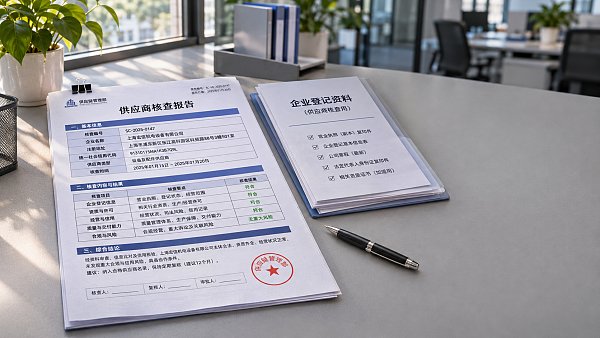
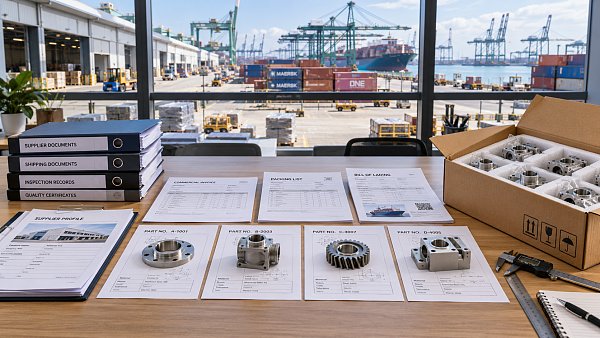
 How to check if supplier verification reports are authenticVerify supplier verification reports with confidence. Learn how to confirm the issuer, match supplier details, spot red flags, and reduce purchasing risk.
 Mexico’s President Seeks US Trade Deal at December Miami G20 SummitMexico–US trade deal talks could reach a turning point at the December Miami G20 summit. Explore what a potential agreement may mean for cross-border business.
 How to assess data quality in export market analysis servicesCompare export market analysis services with confidence. Learn how to evaluate data sources, coverage and forecasts before committing to a new market.
 Li Qiang Calls for Digital and Green Cooperation at China-Thailand Business MeetingLi Qiang calls for China-Thailand cooperation in digital and green sectors, highlighting opportunities in AI, new energy and agriculture.
 How are life sciences different from healthcare?Life sciences and healthcare overlap, but how do they differ? Explore their roles, real-world examples, and what the distinction means for sourcing.
 How is resale changing the UK apparel and fashion market?Explore how resale is reshaping apparel and fashion in UK markets, from shifting customer demand to pricing, sourcing and opportunities for brands.
 China's Trade Reaches 44.81 Trillion Yuan in First 10 Months, Up 20%China's trade reportedly reached 44.81 trillion yuan in the first 10 months, up 20%. Explore the implications for sourcing, technology exports and ASEAN markets.
 China Extends Pause on 24% US Tariff as US Extends Product ExclusionsChina-US tariffs: China extends its 24% tariff pause while the US extends 178 product exclusions. Discover what the measures mean for trade costs and planning.
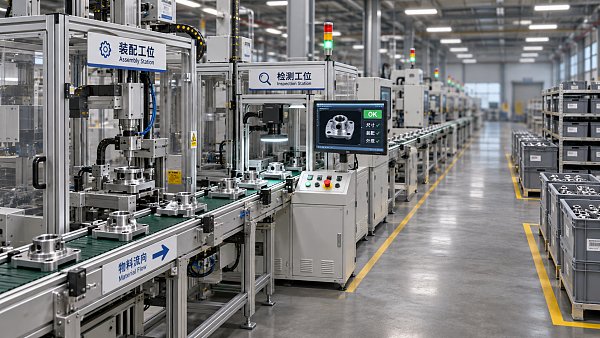
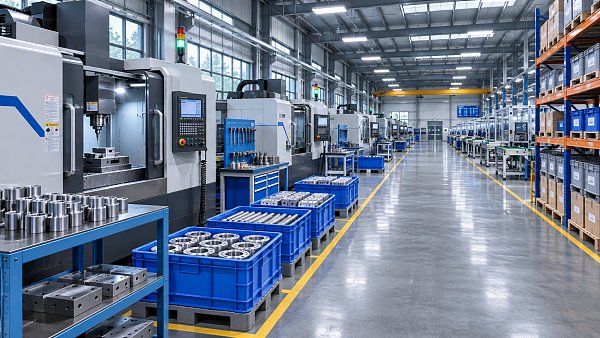
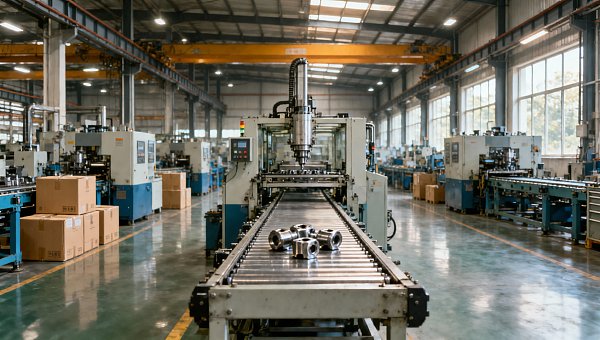
 How to verify a mass production supplier’s capacityVerify a mass production supplier’s true capacity with practical checks for production records, available resources, quality controls and delivery readiness.
 He Lifeng Holds Trade Video Call with US Treasury Secretary and Trade RepresentativeHe Lifeng discusses China-US trade restrictions with US officials. Explore what the call could mean for exporters, buyers and supply chains.
 U.S. Trade Deficit Narrows to $105 Billion in September 2026U.S. trade deficit narrowed to $105 billion in September 2026 as exports rose 1.9%. Explore what the latest figures reveal about trade flows.
 How to verify international trade intelligence updatesVerify international trade intelligence updates with practical checks for sources, regulations, trade data, and disruptions. Turn complex claims into reliable insights.
 How investors can assess cyclicality in the manufacturing industryManufacturing industry analysis for investors: learn to assess cyclical demand, cash flow and downside risks to make more informed investment decisions.
 US ISM Manufacturing PMI Rises to 55.5% in October, Beating ForecastsUS ISM Manufacturing PMI rose to 55.5% in October 2026, beating forecasts. Explore what stronger orders and production could mean for manufacturers.
 China Manufacturing PMI Falls to 49.3 in OctoberChina manufacturing PMI fell to 49.3 in October, signaling renewed contraction. Explore the role of weak export orders and domestic demand.
 Can you trust flexible packaging market intelligence forecasts?Can you trust flexible packaging market intelligence forecasts? Learn how to verify sources, challenge assumptions, and assess demand before making costly investment or sourcing decisions.
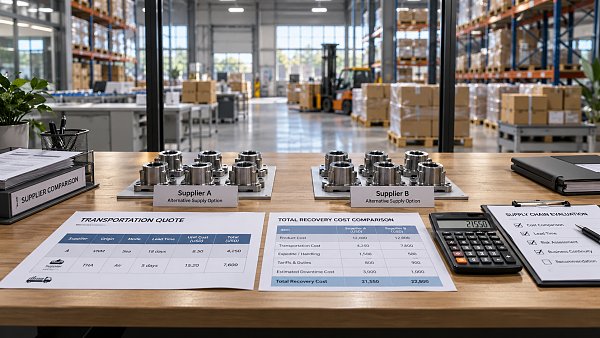
 When is supply chain disruption management consulting worth the cost?When is supply chain disruption management consulting worth the cost? Learn how to compare fees, avoidable losses, and recovery options to make a confident investment decision.
 How to use macroeconomic analysis to forecast industrial demandApply an industrial macro analysis methodology to forecast demand, interpret economic signals, and plan inventory and capacity. Discover practical steps for smarter business decisions.
 How to assess Singapore suppliers with global supply chain intelligenceExplore international supply chain intelligence Singapore buyers can use to verify suppliers, assess capabilities and delivery risks, and make confident sourcing decisions.
 Which macroeconomic indicators help forecast U.S. industrial demand?Explore industrial macro analysis USA decision-makers can use to forecast demand. Track new orders, inventories, and credit signals to sharpen procurement and capacity decisions.













Global Trade Insights & Industry
Our mission is to empower global exporters and importers with data-driven insights that foster strategic growth.
Search News
Popular Tags
Industry Overview
The global commercial kitchen equipment market is projected to reach $112 billion by 2027. Driven by urbanization, the rise of e-commerce food delivery, and strict hygiene regulations.