

US Tightens AI Chip Export Controls, Raising Southeast Asian Data Center Risks
On November 18, 2026, the US Department of Commerce’s Bureau of Industry and Security issued an interim final rule tightening controls on advanced AI chip exports. The rule restricts the use of remote computing to circumvent export restrictions and requires licenses for exports of advanced semiconductors to Indonesia, Malaysia, Singapore, Thailand and Brazil.
Analysts say the changes could delay data center construction and operations in Southeast Asia and raise costs, even though US cloud service providers are exempt. For the businesses involved, the central issue is how licensing and restrictions on remote access will affect the availability and use of computing capacity.
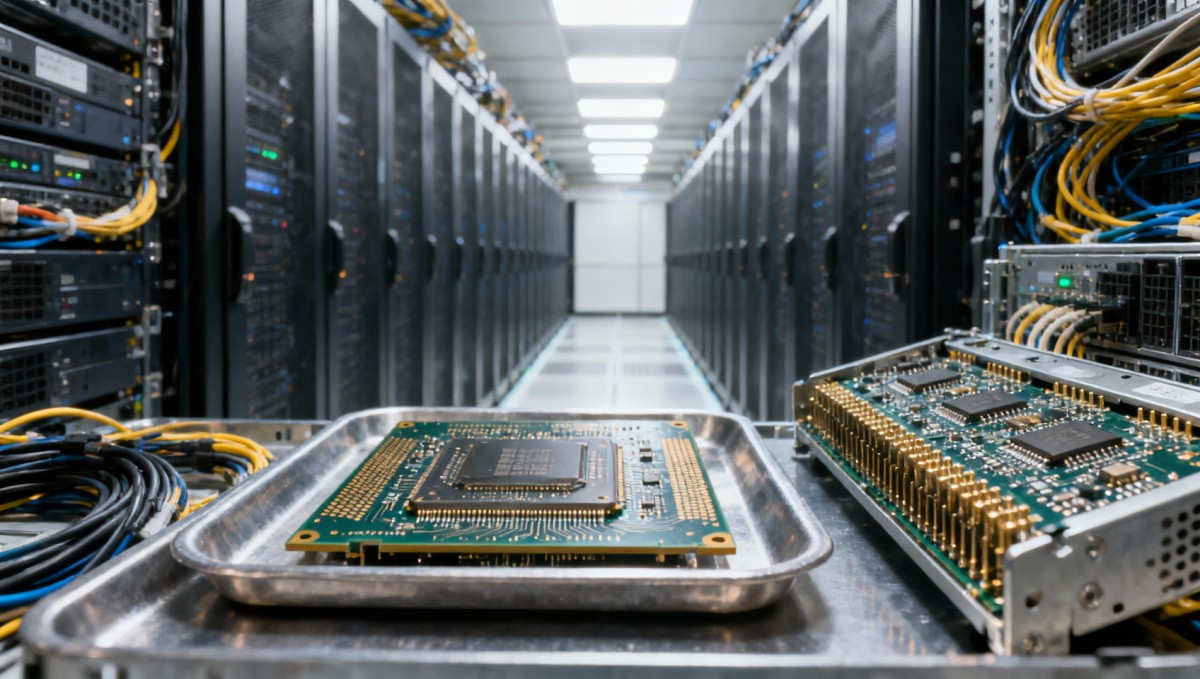
Licensing adds a step to chip procurement
The new license requirement makes regulatory approval a consideration in procurement decisions involving the listed destinations. An organization planning to obtain advanced semiconductors for a data center may need to account for the licensing process when coordinating chip purchases with construction and deployment schedules.
The requirement does not itself establish that every affected shipment will be denied or delayed by a particular amount. Its practical effect on an individual purchase will depend on the applicable licensing process and the circumstances of the transaction. For projects with tightly coordinated schedules, however, uncertainty around approval can make it harder to commit to delivery dates and operational plans.
That uncertainty can extend beyond the chip purchase itself. If the arrival of essential computing equipment changes, a data center operator may have to revisit the timing of installation and the availability of planned capacity. The potential for higher costs therefore includes more than the purchase price of a semiconductor: it also concerns the cost of adjusting schedules and operating plans.
Remote access and physical exports are linked
The rule also addresses remote computing used to bypass export restrictions. That matters because access to advanced computing capacity can be arranged through a service as well as through the physical shipment of chips. The stated restriction brings the way capacity is accessed into the compliance discussion alongside the destination of the hardware.
The exemption for US cloud service providers is an important distinction, but it should not be read as a blanket exemption for all remote computing arrangements. The available description does not establish the full conditions of the exemption or how every service arrangement will be treated. Its practical significance will depend on how the rule applies to particular providers, customers and uses.
For data center operators and customers, the distinction creates separate questions: whether a planned hardware export requires a license, whether a remote access arrangement falls within the restrictions, and whether an exemption applies. The answers could influence how capacity is procured and where responsibilities lie between the parties involved.
What the change means for project planning
The most immediate exposure is likely to be in plans that depend on advanced semiconductors being delivered to one of the listed destinations. The countries named in the licensing requirement include four in Southeast Asia as well as Brazil; the analysts’ warning about data center construction and operating risks specifically concerns Southeast Asia.
A construction schedule and an operating plan face different pressures. During construction, the timing of equipment availability can affect when planned computing capacity is ready. For an operating data center, procurement decisions may affect when additional or replacement capacity can be brought into service. Both effects remain dependent on the relevant transactions and the operation of the rule.
The impact on the wider AI infrastructure supply chain will also depend on how procurement decisions change. A licensing step can influence the timing of orders and the choice between obtaining hardware and accessing computing services. Those choices do not automatically eliminate regulatory obligations: remote access is itself addressed by the rule, and the scope of the cloud provider exemption matters.
Further regulatory information on licensing and the application of the remote computing restrictions will be relevant to assessing the scale of any disruption. The key issue is how those requirements translate into actual procurement and access decisions; the announced rule alone does not establish the duration of delays or the amount by which costs may rise.
 South Korea's Car Imports From China and Trade Deficit Hit RecordsSouth Korea’s car imports from China and automotive trade deficit hit records. Explore how Shanghai-made Tesla EVs are reshaping bilateral trade.
 How to check if supplier verification reports are authenticVerify supplier verification reports with confidence. Learn how to confirm the issuer, match supplier details, spot red flags, and reduce purchasing risk.
 Mexico’s President Seeks US Trade Deal at December Miami G20 SummitMexico–US trade deal talks could reach a turning point at the December Miami G20 summit. Explore what a potential agreement may mean for cross-border business.
 How to assess data quality in export market analysis servicesCompare export market analysis services with confidence. Learn how to evaluate data sources, coverage and forecasts before committing to a new market.
 Li Qiang Calls for Digital and Green Cooperation at China-Thailand Business MeetingLi Qiang calls for China-Thailand cooperation in digital and green sectors, highlighting opportunities in AI, new energy and agriculture.
 How are life sciences different from healthcare?Life sciences and healthcare overlap, but how do they differ? Explore their roles, real-world examples, and what the distinction means for sourcing.
 How is resale changing the UK apparel and fashion market?Explore how resale is reshaping apparel and fashion in UK markets, from shifting customer demand to pricing, sourcing and opportunities for brands.
 China's Trade Reaches 44.81 Trillion Yuan in First 10 Months, Up 20%China's trade reportedly reached 44.81 trillion yuan in the first 10 months, up 20%. Explore the implications for sourcing, technology exports and ASEAN markets.
 China Extends Pause on 24% US Tariff as US Extends Product ExclusionsChina-US tariffs: China extends its 24% tariff pause while the US extends 178 product exclusions. Discover what the measures mean for trade costs and planning.
 How to verify a mass production supplier’s capacityVerify a mass production supplier’s true capacity with practical checks for production records, available resources, quality controls and delivery readiness.
 He Lifeng Holds Trade Video Call with US Treasury Secretary and Trade RepresentativeHe Lifeng discusses China-US trade restrictions with US officials. Explore what the call could mean for exporters, buyers and supply chains.
 U.S. Trade Deficit Narrows to $105 Billion in September 2026U.S. trade deficit narrowed to $105 billion in September 2026 as exports rose 1.9%. Explore what the latest figures reveal about trade flows.
 How to verify international trade intelligence updatesVerify international trade intelligence updates with practical checks for sources, regulations, trade data, and disruptions. Turn complex claims into reliable insights.
 How investors can assess cyclicality in the manufacturing industryManufacturing industry analysis for investors: learn to assess cyclical demand, cash flow and downside risks to make more informed investment decisions.
 US ISM Manufacturing PMI Rises to 55.5% in October, Beating ForecastsUS ISM Manufacturing PMI rose to 55.5% in October 2026, beating forecasts. Explore what stronger orders and production could mean for manufacturers.
 China Manufacturing PMI Falls to 49.3 in OctoberChina manufacturing PMI fell to 49.3 in October, signaling renewed contraction. Explore the role of weak export orders and domestic demand.
 Can you trust flexible packaging market intelligence forecasts?Can you trust flexible packaging market intelligence forecasts? Learn how to verify sources, challenge assumptions, and assess demand before making costly investment or sourcing decisions.
 When is supply chain disruption management consulting worth the cost?When is supply chain disruption management consulting worth the cost? Learn how to compare fees, avoidable losses, and recovery options to make a confident investment decision.
 How to use macroeconomic analysis to forecast industrial demandApply an industrial macro analysis methodology to forecast demand, interpret economic signals, and plan inventory and capacity. Discover practical steps for smarter business decisions.
 How to assess Singapore suppliers with global supply chain intelligenceExplore international supply chain intelligence Singapore buyers can use to verify suppliers, assess capabilities and delivery risks, and make confident sourcing decisions.
 Which macroeconomic indicators help forecast U.S. industrial demand?Explore industrial macro analysis USA decision-makers can use to forecast demand. Track new orders, inventories, and credit signals to sharpen procurement and capacity decisions.


















Global Trade Insights & Industry
Our mission is to empower global exporters and importers with data-driven insights that foster strategic growth.
Search News
Popular Tags
Industry Overview
The global commercial kitchen equipment market is projected to reach $112 billion by 2027. Driven by urbanization, the rise of e-commerce food delivery, and strict hygiene regulations.