

Hesteel's AI-Powered Steelmaking Achieves Profit Turnaround in 2025
In 2025, China's steel industry witnessed a transformative leap as Hesteel Group deployed an AI-driven steelmaking system in its No.1 converter, achieving millisecond-level parameter prediction and dynamic control. This technological breakthrough coincided with a 140% year-on-year profit surge among key CISA member enterprises, marking the sector's first profitable year after prolonged losses. The development signals enhanced intelligent manufacturing capabilities in China's foundational materials industry, with potential ripple effects across global infrastructure, machinery, and shipbuilding supply chains.
Event Overview
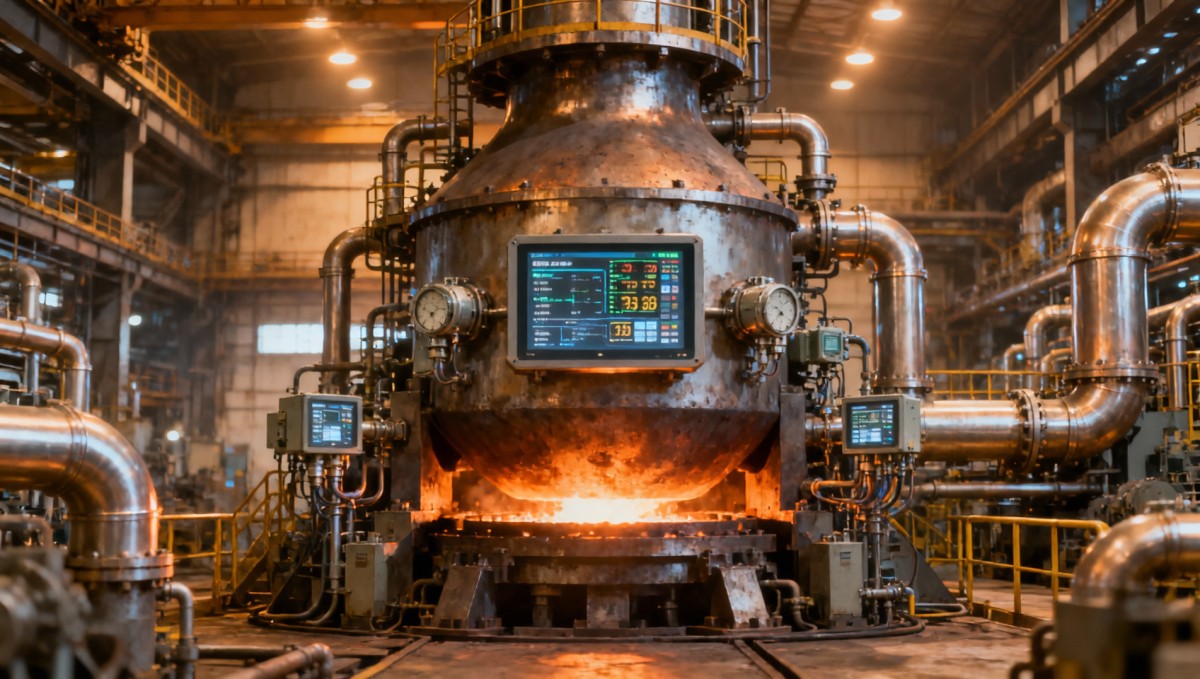
Hesteel Group operationalized its proprietary steelmaking AI system in January 2025, integrating large language models with real-time process control. The smart metallurgy platform demonstrated three key capabilities: 1) dynamic alloy composition adjustment, 2) carbon emission tracking per batch, and 3) customized parameter optimization for specialty steel grades. Official data shows the technology contributed to reducing energy consumption by 8.7% while improving yield stability to 99.2% in trial operations.
Impact on Key Industries
Overseas Infrastructure Contractors
Project developers in Belt and Road markets may prioritize Chinese steel for critical structures requiring: 1) documented carbon footprints for ESG compliance, 2) batch-to-batch consistency in seismic-resistant alloys, and 3) just-in-time production of non-standard specifications.
Heavy Equipment Manufacturers
Mining and construction machinery producers could leverage this to: 1) source wear-resistant steel with optimized hardness-toughness ratios, 2) reduce material qualification cycles through digital metallurgical records, and 3) negotiate tighter mechanical property tolerances.
Marine Engineering Firms
Classification societies may recognize the AI system's real-time sulfide stress cracking prevention features, potentially accelerating approval processes for pressure vessel steels and offshore platform materials.
Strategic Considerations for Industry Players
Technical Audits
Downstream users should verify: 1) whether Hesteel's smart system covers their required steel grades, 2) API/EN certification status of AI-optimized products, and 3) data interoperability with existing quality tracking platforms.
Procurement Strategy
Current tender documents may need revisions to: 1) include digital twin compatibility clauses, 2) specify acceptable prediction model types for material properties, and 3) require blockchain-based carbon accounting where applicable.
Inventory Management
The technology's 15% faster specialty steel production cycle could justify reducing safety stock levels for certain alloy categories, contingent upon reliability verification.
Industry Perspective
Analysis suggests this represents more than a productivity improvement—it establishes a new benchmark for: 1) traceable low-carbon steel production, 2) data-driven alloy development, and 3) responsive manufacturing for complex projects. However, the actual industry-wide adoption curve will depend on: 1) third-party validation of quality claims, 2) workforce upskilling requirements, and 3) compatibility with international green steel standards.
Conclusion
Hesteel's achievement demonstrates China's advancing position in industrial AI applications, particularly in solving the steel industry's dual challenges of profitability and decarbonization. While the technology shows promise, its broader impact will become clearer as: 1) more converters adopt the system, 2) independent performance audits emerge, and 3) downstream users report field performance data.
Source
China Iron and Steel Association (CISA) 2025 annual report, Hesteel Group technical whitepaper (March 2025). Note: Commercial deployment metrics beyond the pilot converter remain pending disclosure.
 Which global manufacturing trends by sector matter most for sourcing plans?Global manufacturing trends by sector: identify sourcing risks, supplier resilience, compliance demands, and cost drivers to build smarter, more reliable procurement plans.
 What industrial trade intelligence pricing should include before you subscribeIndustrial trade intelligence pricing explained: compare coverage, data quality, access rights, and workflow value before choosing a subscription that supports smarter trade decisions.
 How an industrial trade intelligence dashboard can identify new supplier marketsDiscover how an industrial trade intelligence dashboard helps identify new supplier markets by comparing capacity, landed cost, logistics resilience, and compliance risk.
 Which global market entry barriers should exporters assess first?Global market entry barriers exporters should assess first: tariffs, compliance, buyer qualification, logistics, and payment risk. Build a practical strategy for confident market entry.
 How trade data aggregation analytics can reveal emerging supplier marketsTrade data aggregation analytics reveals emerging supplier markets by connecting trade flows, capacity signals, logistics, and compliance insights for smarter sourcing decisions.
 When an export market analysis platform can validate demand in a new marketExport market analysis platform insights help validate new-market demand through buyer fit, regulations, logistics, competition, and profitable entry conditions.
 What is driving the beauty and personal care market in the USA?Beauty and personal care in USA is driven by targeted solutions, selective premiumization, digital discovery, clean-label trust, diverse needs, and compliance. Explore key growth opportunities.
 How trade flow monitoring reports reveal changing regional demandTrade flow monitoring reports reveal changing regional demand through import volumes, sourcing shifts, product mix, logistics signals, and regulatory trends. Explore actionable market insights.
 How international market intelligence for investors reduces market-entry riskInternational market intelligence for investors reduces market-entry risk by validating demand, regulations, logistics, and competition before capital is committed.
 How international sourcing intelligence helps identify supplier risk earlyInternational sourcing intelligence helps businesses spot supplier risks early, protect supply continuity, and make smarter global procurement decisions.
 How trade data aggregation analytics reveals emerging supplier marketsTrade data aggregation analytics reveals emerging supplier markets through export trends, input flows, logistics, and regulatory signals. Discover smarter sourcing insights.
 What industrial cluster monitoring in Vietnam reveals about site riskIndustrial cluster monitoring Vietnam reveals hidden site risks across labor, utilities, logistics, compliance, and supplier dependencies. Make smarter sourcing and expansion decisions.
 Food Technology Trends Reshaping Shelf Life, Safety, and Product InnovationFood technology is reshaping shelf life, safety, and innovation. Discover the trends helping food businesses cut risk, improve compliance, and unlock stronger global market growth.
 How electronics manufacturing services are changing with low-volume demandElectronics manufacturing services are evolving fast with low-volume demand. Learn how agile EMS partners improve flexibility, compliance, sourcing resilience, and speed to market.
 How Can Buyers Reduce Procurement Risks for Electronic Components?How to reduce procurement risks for electronic components: learn how buyers assess traceability, lead times, compliance, and supplier types to avoid costly sourcing mistakes.
 What Sourcing Intelligence India Reveals About Supplier Risk and Cost ShiftsSourcing intelligence India reveals hidden supplier risk, compliance gaps, logistics pressure, and real cost shifts—helping buyers compare vendors smarter and source with more confidence.
 Fashion Trends 2026: Which Materials, Colors, and Silhouettes Are Gaining Ground?Fashion trends 2026 spotlight tactile fabrics, mineral colors, and controlled volume. Explore the materials, shades, and silhouettes shaping smarter, more wearable style.
 Smart Device Market Outlook: Key Growth Drivers, Segments, and Business OpportunitiesSmart device market trends are shifting toward system value, industrial demand, and resilient supply chains. Explore key growth drivers, high-potential segments, and business opportunities.
 How Global Trade Intelligence Services Help B2B Firms Evaluate Markets and SuppliersGlobal trade intelligence services help B2B firms compare suppliers, assess market potential, and uncover compliance, logistics, and pricing risks before costly decisions are made.
 Manufacturing Sector Updates for Investors: What Signals Matter Most in 2025?Manufacturing sector updates for investors in 2025: track orders, margins, supply chains, regulation, and exports to spot resilient manufacturers and smarter investment signals.
 How Energy Market Intelligence Helps Businesses Track Price Risks and Demand ShiftsEnergy market intelligence helps businesses spot price risks, demand shifts, and supply pressure early—improving procurement, resilience, and faster strategic decisions.




















Global Trade Insights & Industry
Our mission is to empower global exporters and importers with data-driven insights that foster strategic growth.
Search News
Popular Tags
Industry Overview
The global commercial kitchen equipment market is projected to reach $112 billion by 2027. Driven by urbanization, the rise of e-commerce food delivery, and strict hygiene regulations.