

VR Headsets Buying Guide: Comfort, Clarity, and Compatibility
Choosing the right VR headsets now involves more than comparing specs on a product page. The market is shifting quickly as display quality improves, software ecosystems expand, and buyers expect lighter designs with broader compatibility.
Comfort, clarity, and compatibility have become the three signals that most strongly shape long-term satisfaction. A headset that excels in only one area may still disappoint in daily use.
This guide reviews the current direction of VR headsets, why feature priorities are changing, and how to judge options for gaming, media, fitness, training, and mixed-use environments.
Why VR headsets are being judged by real-world usability, not just headline specs
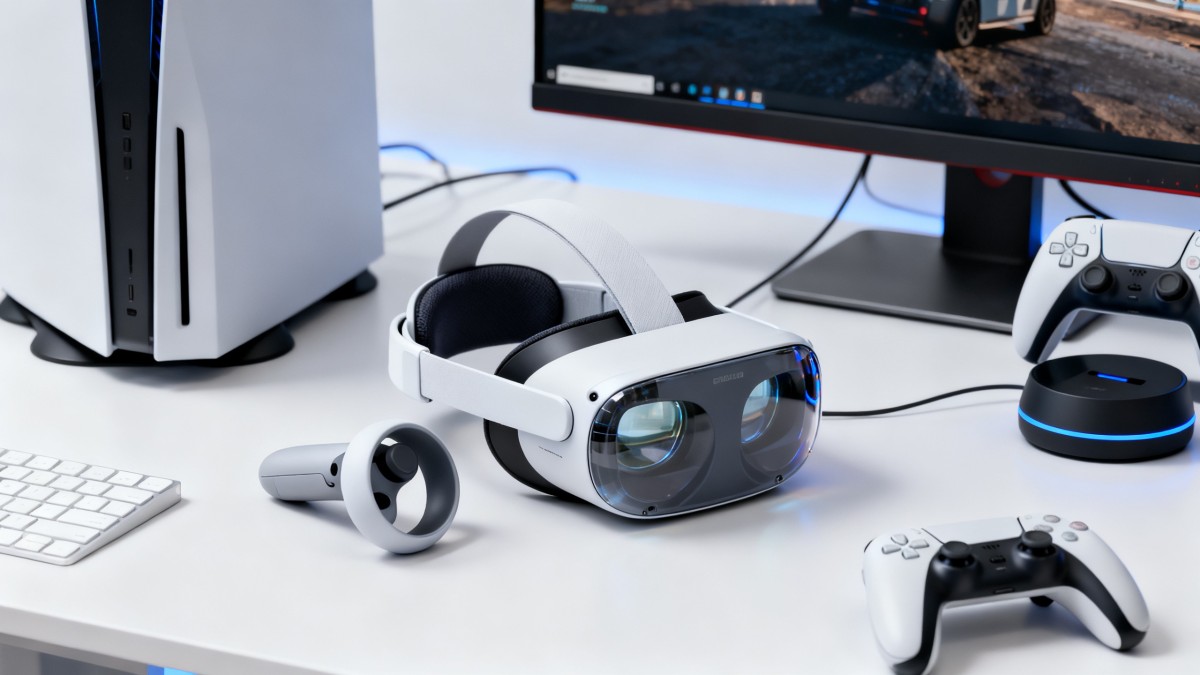
Earlier generations of VR headsets were often sold on novelty. Today, expectations are higher. Buyers want smoother setup, sharper images, balanced weight, and reliable content access across devices.
That shift reflects a wider technology trend across consumer electronics. Products must deliver immediate value, lower friction, and stronger ecosystem support, not only impressive technical numbers.
As a result, the best VR headsets are those that reduce barriers between the user and the experience. Setup time, fit quality, lens comfort, and platform flexibility now matter as much as refresh rate.
The strongest market signals point to comfort, clarity, and compatibility
Three decision factors consistently drive comparison behavior in the current VR headsets market. These factors influence return rates, review scores, and long-term use frequency.
Comfort is now a retention feature
A headset may look powerful on paper, yet become difficult to enjoy after thirty minutes. Pressure on the face, poor airflow, and front-heavy designs can quickly reduce immersion.
Modern buyers increasingly compare total weight, weight distribution, strap design, padding material, and space for glasses. Adjustable interpupillary distance also supports better visual comfort.
Clarity has moved beyond simple resolution claims
Visual clarity depends on more than pixel count. Lens quality, field of view, screen type, brightness, and edge-to-edge sharpness all influence how convincing virtual environments feel.
Text readability has become especially important. Many buyers use VR headsets for media, social apps, productivity tools, and simulations where blurred menus create immediate frustration.
Compatibility has become a buying filter
Compatibility shapes both upfront value and future flexibility. Some VR headsets work standalone, while others depend on a gaming PC, console, or specific mobile ecosystem.
Content libraries also differ. A strong hardware choice can feel limited if the preferred games, fitness apps, streaming platforms, or professional tools are unavailable.
What is driving the evolution of VR headsets
Several forces explain why the VR headsets category is evolving toward balanced performance. The changes are technical, behavioral, and ecosystem-driven.
How these changes affect buying decisions across different use cases
The right VR headsets choice depends on how the device will be used most often. A model that works well for active gaming may not be ideal for cinema viewing or desktop streaming.
This is why current comparisons increasingly focus on use patterns instead of raw hardware rankings. The strongest buying decision often starts with daily behavior, not the most expensive option.
- For gaming, prioritize tracking accuracy, refresh rate, controller quality, and access to preferred titles.
- For media viewing, focus on display sharpness, black levels, comfort in seated sessions, and audio quality.
- For fitness, choose lighter VR headsets with secure straps, ventilation, and easy-clean face interfaces.
- For productivity or training, look closely at text clarity, passthrough quality, and software compatibility.
- For family or shared use, simple setup, adjustable fit, and broad content access become especially important.
The features that deserve the closest attention before buying VR headsets
A careful comparison usually saves more frustration than chasing promotional discounts. The following checkpoints help separate short-term excitement from long-term value.
1. Fit and weight distribution
Do not evaluate comfort by total weight alone. Some VR headsets feel lighter because battery placement, rear support, and strap tension create better balance.
2. Resolution, lenses, and sweet spot
A broader visual sweet spot reduces the need to constantly reposition the headset. This matters when reading text or scanning detailed virtual scenes.
3. Wired versus wireless flexibility
Standalone wireless freedom is appealing, but PC-connected performance may deliver richer graphics. Some VR headsets support both, offering stronger long-term versatility.
4. Tracking and controller reliability
Smooth tracking affects immersion immediately. Jitter, dead zones, or poor hand alignment can harm both games and interactive applications.
5. Battery life and charging habits
Battery performance influences convenience more than many buyers expect. Short sessions may be fine, but longer workouts or movie viewing can expose charging limitations.
6. Software ecosystem and update support
Strong VR headsets require consistent platform support. Look for active software updates, healthy developer interest, and a content library aligned with expected use.
A practical framework for comparing VR headsets side by side
A simple scoring method can make comparison more objective. Assign weighted importance to the categories that most affect actual use.
What deserves attention as the VR headsets market continues to mature
The next phase of VR headsets will likely reward devices that combine lighter construction, better optics, smarter passthrough, and broader cross-platform support.
Buyers should also watch for upgrade paths. Accessories, replacement face pads, prescription lens options, and software expansion can extend practical value over time.
- Check whether comfort can be improved with official or third-party straps.
- Verify content access before purchase, not after setup.
- Compare visual quality using lens behavior, not resolution alone.
- Confirm whether the headset supports current and future device ecosystems.
- Review update history to judge platform commitment.
A smarter next step for choosing VR headsets with confidence
The best VR headsets are not simply the most advanced or the most expensive. They are the ones that align comfort, clarity, and compatibility with the way the device will actually be used.
Before making a final choice, list the top three use cases, the preferred content platforms, and the maximum session length. That short exercise usually reveals the right direction faster than spec sheets.
For businesses tracking technology categories and cross-market product trends, GTIIN and TradeVantage provide industry intelligence that helps connect device evolution with broader global demand patterns.
 Which global manufacturing trends by sector matter most for sourcing plans?Global manufacturing trends by sector: identify sourcing risks, supplier resilience, compliance demands, and cost drivers to build smarter, more reliable procurement plans.
 What industrial trade intelligence pricing should include before you subscribeIndustrial trade intelligence pricing explained: compare coverage, data quality, access rights, and workflow value before choosing a subscription that supports smarter trade decisions.
 How an industrial trade intelligence dashboard can identify new supplier marketsDiscover how an industrial trade intelligence dashboard helps identify new supplier markets by comparing capacity, landed cost, logistics resilience, and compliance risk.
 Which global market entry barriers should exporters assess first?Global market entry barriers exporters should assess first: tariffs, compliance, buyer qualification, logistics, and payment risk. Build a practical strategy for confident market entry.
 How trade data aggregation analytics can reveal emerging supplier marketsTrade data aggregation analytics reveals emerging supplier markets by connecting trade flows, capacity signals, logistics, and compliance insights for smarter sourcing decisions.
 When an export market analysis platform can validate demand in a new marketExport market analysis platform insights help validate new-market demand through buyer fit, regulations, logistics, competition, and profitable entry conditions.
 What is driving the beauty and personal care market in the USA?Beauty and personal care in USA is driven by targeted solutions, selective premiumization, digital discovery, clean-label trust, diverse needs, and compliance. Explore key growth opportunities.
 How trade flow monitoring reports reveal changing regional demandTrade flow monitoring reports reveal changing regional demand through import volumes, sourcing shifts, product mix, logistics signals, and regulatory trends. Explore actionable market insights.
 How international market intelligence for investors reduces market-entry riskInternational market intelligence for investors reduces market-entry risk by validating demand, regulations, logistics, and competition before capital is committed.
 How international sourcing intelligence helps identify supplier risk earlyInternational sourcing intelligence helps businesses spot supplier risks early, protect supply continuity, and make smarter global procurement decisions.
 How trade data aggregation analytics reveals emerging supplier marketsTrade data aggregation analytics reveals emerging supplier markets through export trends, input flows, logistics, and regulatory signals. Discover smarter sourcing insights.
 What industrial cluster monitoring in Vietnam reveals about site riskIndustrial cluster monitoring Vietnam reveals hidden site risks across labor, utilities, logistics, compliance, and supplier dependencies. Make smarter sourcing and expansion decisions.
 Food Technology Trends Reshaping Shelf Life, Safety, and Product InnovationFood technology is reshaping shelf life, safety, and innovation. Discover the trends helping food businesses cut risk, improve compliance, and unlock stronger global market growth.
 How electronics manufacturing services are changing with low-volume demandElectronics manufacturing services are evolving fast with low-volume demand. Learn how agile EMS partners improve flexibility, compliance, sourcing resilience, and speed to market.
 How Can Buyers Reduce Procurement Risks for Electronic Components?How to reduce procurement risks for electronic components: learn how buyers assess traceability, lead times, compliance, and supplier types to avoid costly sourcing mistakes.
 What Sourcing Intelligence India Reveals About Supplier Risk and Cost ShiftsSourcing intelligence India reveals hidden supplier risk, compliance gaps, logistics pressure, and real cost shifts—helping buyers compare vendors smarter and source with more confidence.
 Fashion Trends 2026: Which Materials, Colors, and Silhouettes Are Gaining Ground?Fashion trends 2026 spotlight tactile fabrics, mineral colors, and controlled volume. Explore the materials, shades, and silhouettes shaping smarter, more wearable style.
 Smart Device Market Outlook: Key Growth Drivers, Segments, and Business OpportunitiesSmart device market trends are shifting toward system value, industrial demand, and resilient supply chains. Explore key growth drivers, high-potential segments, and business opportunities.
 How Global Trade Intelligence Services Help B2B Firms Evaluate Markets and SuppliersGlobal trade intelligence services help B2B firms compare suppliers, assess market potential, and uncover compliance, logistics, and pricing risks before costly decisions are made.
 Manufacturing Sector Updates for Investors: What Signals Matter Most in 2025?Manufacturing sector updates for investors in 2025: track orders, margins, supply chains, regulation, and exports to spot resilient manufacturers and smarter investment signals.
 How Energy Market Intelligence Helps Businesses Track Price Risks and Demand ShiftsEnergy market intelligence helps businesses spot price risks, demand shifts, and supply pressure early—improving procurement, resilience, and faster strategic decisions.





















Global Trade Insights & Industry
Our mission is to empower global exporters and importers with data-driven insights that foster strategic growth.
Search News
Popular Tags
Industry Overview
The global commercial kitchen equipment market is projected to reach $112 billion by 2027. Driven by urbanization, the rise of e-commerce food delivery, and strict hygiene regulations.