

New GS-EN IEC 62493:2026 Mandates EMF Retesting for Smart Lighting Exports
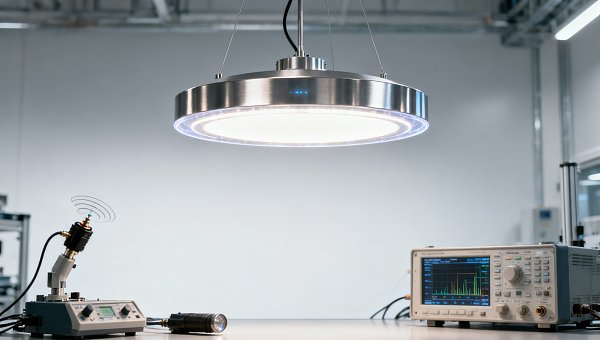
On May 13, 2026, TÜV Rheinland Germany officially released the updated GS certification standard GS-EN IEC 62493:2026. The revision introduces stricter electromagnetic field (EMF) radiation limits for smart lighting products destined for the EU market — triggering mandatory retesting and recertification for exporters, particularly those based in China. This development directly impacts supply chain actors across design, manufacturing, testing, and distribution tiers, as compliance becomes a gatekeeper for market access starting November 1, 2026.
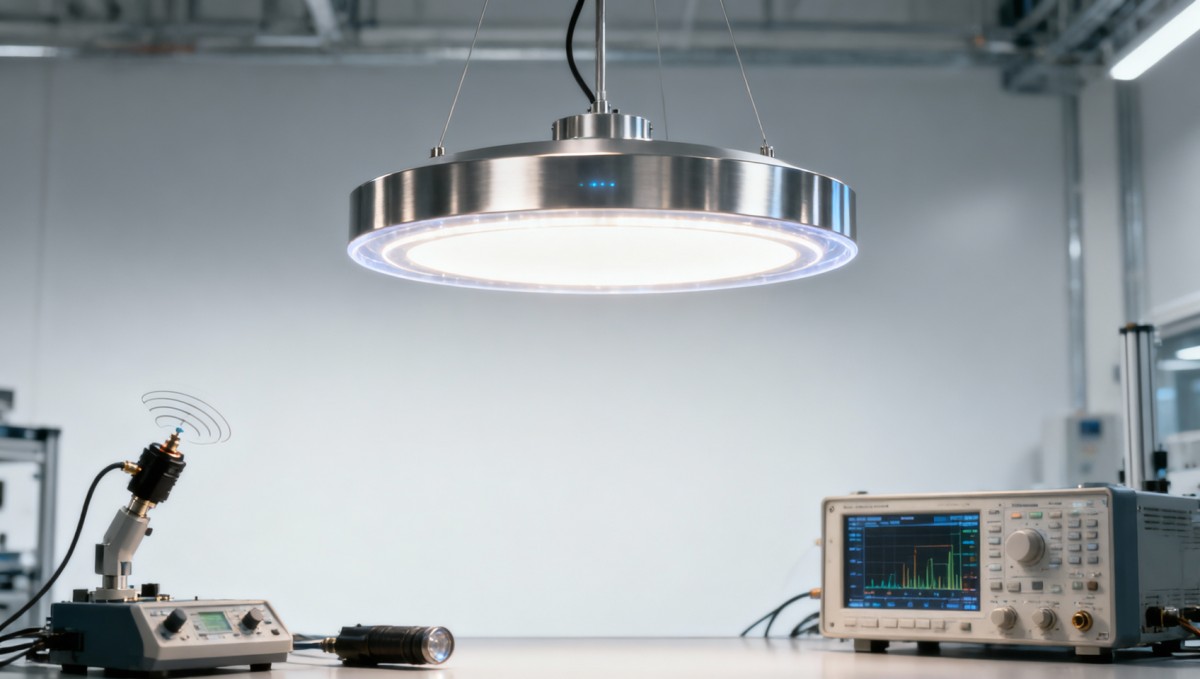
Event Overview
On May 13, 2026, TÜV Rheinland published GS-EN IEC 62493:2026. Effective November 1, 2026, all smart lighting products placed on the EU market — including LED drivers, dimming modules, and IoT-based lighting control systems — must comply with the revised EMF radiation limits under this standard. Testing rigor increases by 40% compared to the prior version. Products lacking the updated GS mark will be barred from mainstream retail and distribution channels in the EU.
Industries Affected
Direct Export Trading Enterprises: These firms face immediate commercial risk. Without valid GS-EN IEC 62493:2026 certification, their shipments may be rejected at EU customs or excluded from major retailers’ listings. Contract renewals and tender qualifications — especially for public-sector lighting projects — now hinge on this updated certification.
Raw Material & Component Suppliers: Suppliers of EMF-sensitive components (e.g., high-frequency switching ICs, wireless communication modules, or ferrite-core inductors) may experience revised technical specifications from downstream clients. Some buyers are already requesting pre-compliance data sheets and layout-level EMF simulation reports — shifting part of the validation burden upstream.
Contract Manufacturing & OEM/ODM Factories: Factories producing smart lighting hardware must reassess PCB layouts, shielding strategies, and thermal management — all of which influence EMF emission profiles. Re-testing is not merely administrative; it often requires minor hardware revisions and firmware updates to suppress transient emissions during wireless handshaking or PWM dimming cycles.
Supply Chain Service Providers (Testing Labs, Certification Consultants, Logistics Intermediaries): Demand for accelerated EMF testing slots has surged. Leading labs in Shenzhen, Dongguan, and Ningbo report lead times extending to 8–10 weeks. Certification consultants are updating technical documentation templates and advising clients on transitional labeling strategies — e.g., dual-marking legacy vs. new GS versions during the grace period.
Key Focus Areas and Recommended Actions
Verify product scope and test readiness before October 2026
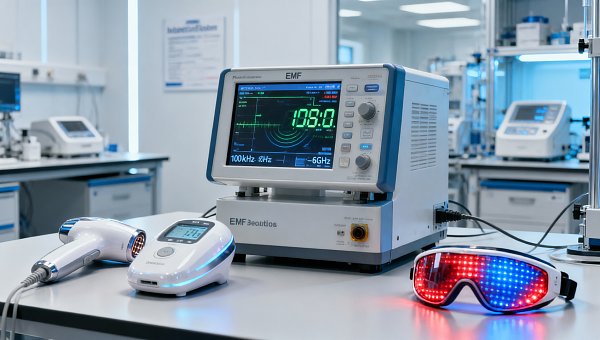
Not all lighting products fall under the revised scope — only those incorporating active electronic controls, wireless interfaces, or programmable dimming logic. Exporters should conduct an internal classification audit using Annex A of GS-EN IEC 62493:2026 and confirm whether existing test reports cover the newly mandated frequency bands (100 kHz–30 MHz).
Engage accredited labs early — prioritize pre-scanning and iterative design review
Given the 40% increase in test stringency, single-pass certification attempts carry higher failure risk. Firms are advised to schedule pre-compliance scans (e.g., near-field EMF mapping) and collaborate with labs during prototyping — rather than treating testing as a final gate.
Update technical files and EU Declaration of Conformity
The new standard requires enhanced technical documentation, including detailed EMF risk assessments and mitigation rationale. Manufacturers must revise their EU DoC to explicitly reference GS-EN IEC 62493:2026 — not just IEC 62493:2015 — and ensure harmonized standards are correctly cited in CE marking processes.
Editorial Perspective / Industry Observation
Observably, this update reflects a broader regulatory shift: EU safety frameworks are increasingly treating EMF not as a secondary EMC concern, but as a standalone human exposure metric — aligned with WHO guidance and SCENIHR opinions. Analysis shows that while the 40% stricter limit appears quantitative, its real impact lies in how it forces redesign of low-cost, high-density PCBs common in budget smart bulbs. From an industry perspective, this is less about ‘pass/fail’ and more about exposing latent design trade-offs between cost, connectivity, and physical safety margins.
Conclusion
This revision underscores that regulatory compliance in smart lighting is no longer a static checkbox exercise. It is becoming a continuous, design-integrated discipline — where electromagnetic hygiene influences component selection, firmware behavior, and even mechanical enclosure choices. For global exporters, the message is clear: EMF competence is now a core engineering capability — not just a certification prerequisite.
Source Attribution
Official publication: TÜV Rheinland GS-EN IEC 62493:2026 Standard Document (May 2026 edition); EU Commission Notice 2026/C 178/02 on Harmonised Standards under Directive 2014/35/EU (Low Voltage Directive). Note: Full transposition into national law across EU Member States remains subject to official notification — ongoing monitoring recommended through NANDO database and national market surveillance authorities.
Recommended News
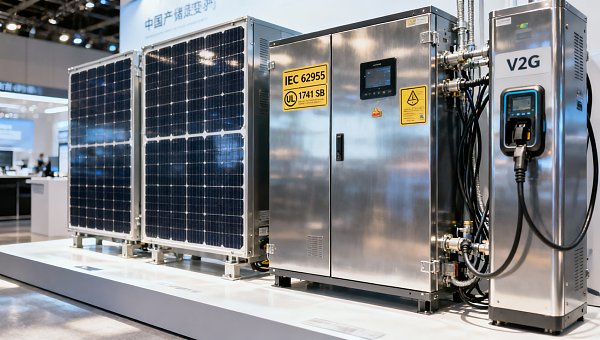
 2026 Shanghai International EV Charging & Energy Storage Expo Opens2026 Shanghai EV Charging & Energy Storage Expo highlights PV-Storage-Charging microgrids, dual-certified (IEC/UL) systems, and 12-week global delivery—key for exporters, integrators & OEMs.
 Shanghai Bar Association Unveils First Industry BlueprintShanghai Bar Association unveils first industry blueprint: 100 overseas law firm branches by 2028 — boosting cross-border legal support for global trade, investment & supply chains.
 China's April机电 Products Export Hits Record HighChina's April机电 products export hit a record USD 142.8B (+20.4% YoY)—key insight for global buyers, suppliers & manufacturers navigating smart factory demand.
 EU Enforces EPR for Plastic Garden Supplies from May 12, 2026EU EPR for plastic garden supplies kicks in May 12, 2026 — mandatory registration, fees & labeling across all member states. Act now to avoid border rejections & penalties.
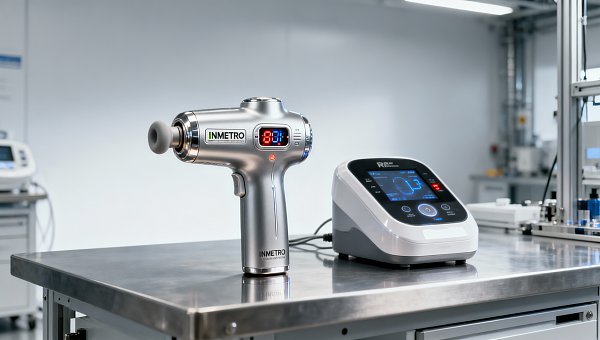
 Brazil INMETRO Tightens EMF Limits for Body Care Devices by 30%Brazil INMETRO tightens EMF limits by 30% for RF & microcurrent body care devices—plus mandatory real-time skin temperature monitoring. Act now to ensure compliance by Oct 1, 2026.
 India BIS Updates IS 2062:2026 — HIC/SSCC Testing Mandatory for Construction FastenersIndia BIS mandates HIC/SSCC testing for construction fasteners under IS 2062:2026 — ensure compliance before Sept 1, 2026 to avoid customs rejection & project delays.
 CIBF2026 Shenzhen Opens: Solid-State Battery Mass Production AcceleratesSolid-state battery mass production accelerates at CIBF2026 Shenzhen—CATL, BYD & Weilan target Q3 2026 launch, 500 Wh/kg cells, and 8-week global delivery.
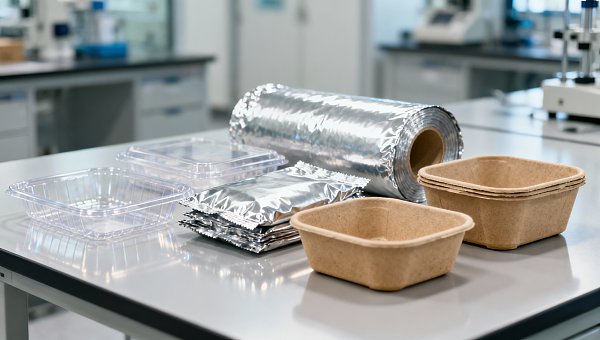
 FDA Adds 37 Chinese Food Packaging Firms to Import AlertFDA adds 37 Chinese food packaging firms to Import Alert 99-08—learn which companies are affected, compliance risks, and urgent actions for U.S. importers & brands.
 New GS-EN IEC 62493:2026 Mandates EMF Retesting for Smart Lighting ExportsNew GS-EN IEC 62493:2026 mandates EMF retesting for smart lighting exports to the EU — act now to avoid shipment delays, retail bans, and lost tenders.
 RCEP Round 2 Digital Origin Recognition Launches for Smart Factory EquipmentRCEP Round 2 digital origin recognition is live—unlock zero-tariff exports for smart factory equipment, robots & CNC systems across Asia-Pacific. Act now.
 Office supplies wholesale vs retail sourcing for growing teamsOffice supplies wholesale vs retail: learn how growing teams can cut costs, improve inventory control, and build a smarter sourcing strategy for scalable business growth.
 What to check before ordering ergonomic office furniture in bulkErgonomic office furniture bulk orders require more than a low price. Learn what to check on certifications, adjustability, durability, lead times, and supplier support before you buy.
 China's April机电 Exports Hit Record High, Up 20.4%China's April机电 exports hit record high (+20.4%) — driving demand for CNC equipment, solar PV modules & warehouse automation globally.
 EU Imposes 19.2% Anti-Dumping Duty on Chinese Adipic AcidEU imposes 19.2% anti-dumping duty on Chinese adipic acid—impacting nylon 66, PU foam & automotive suppliers. Act now to review contracts, origin docs & tariffs.
 Colombia Extends 28.3% Anti-Dumping Duty on Chinese Acrylic SheetsColombia extends 28.3% anti-dumping duty on Chinese acrylic sheets until 2029 — critical for importers, fabricators & supply chain teams across Latin America.
 CIBF2026 Shenzhen Opens: Solid-State Battery Mass Production AcceleratesCIBF2026 Shenzhen spotlights solid-state battery mass production—global buyers now prioritize 6-month delivery reliability. Discover how to meet new capacity & certification demands.
 Brazil INMETRO Tightens EMF Limits for Body Care Devices by 30%Brazil INMETRO tightens EMF limits by 30% for RF, microcurrent & LED body care devices—mandatory IEC 62493:2020 testing required from June 1, 2026. Act now to avoid customs delays!
 India BIS Enforces IS 2062:2026 with Hydrogen Embrittlement Testing for Construction HardwareIndia BIS enforces IS 2062:2026 with mandatory hydrogen embrittlement testing for construction hardware—fasteners, hinges, connectors. Act now to secure BIS certification & market access.
 RCEP Phase II Digital Origin Rules Launch for Smart Factory EquipmentRCEP Phase II Digital Origin Rules now live — accelerate tariff-free access for smart factory equipment like CNC machines, robots & vision systems across Asia.
 New GS-EN IEC 62493:2026 Mandates EMF Retesting for Smart Lighting ExportsNew GS-EN IEC 62493:2026 mandates EMF retesting for smart lighting exports—40% stricter limits. Act now to avoid shipment delays in Germany, Austria & Switzerland.
 FDA Adds 37 Chinese Food Packaging Firms to Import AlertFDA adds 37 Chinese food packaging firms to Import Alert — discover why FSMA compliance statements & migration reports are now critical for U.S. market access.















Global Trade Insights & Industry
Our mission is to empower global exporters and importers with data-driven insights that foster strategic growth.
Search News
Popular Tags
Industry Overview
The global commercial kitchen equipment market is projected to reach $112 billion by 2027. Driven by urbanization, the rise of e-commerce food delivery, and strict hygiene regulations.