

Why Outdoor Lighting Wholesale Costs Vary More Than Expected
If you have ever wondered why outdoor lighting wholesale quotes can differ so sharply, the answer goes far beyond unit price alone.
In the outdoor sports equipment sector, lighting supports campsites, trail bases, rental stations, event zones, and mobile retail spaces.
That makes outdoor lighting wholesale a practical cost topic, not just a sourcing detail.
Material grades, weather resistance, compliance, freight, and lifespan all influence what a quote really means over time.
For globally active businesses, better pricing decisions depend on better market intelligence, supplier comparison, and total-cost thinking.
Understanding the Real Structure Behind Outdoor Lighting Wholesale Pricing
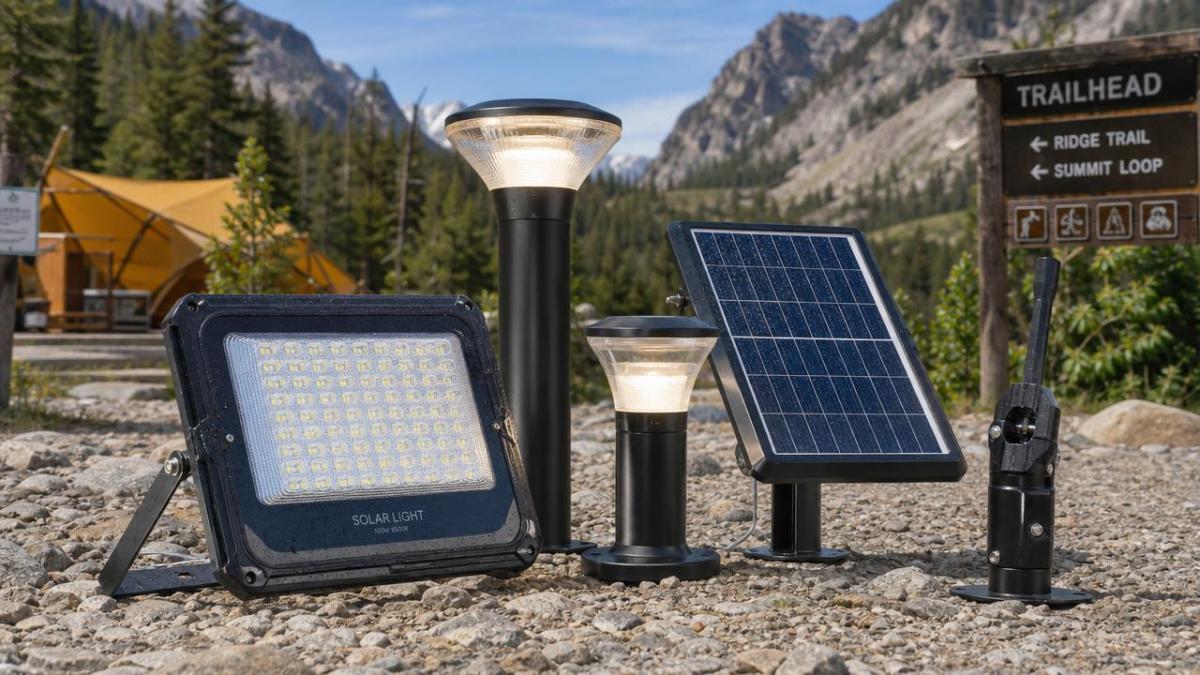
Outdoor lighting wholesale usually refers to bulk procurement of fixtures, power components, mounts, and control systems for exterior use.
In outdoor sports environments, these products often include portable floodlights, pathway lights, area lights, solar units, and rugged emergency lighting.
Price variation begins with product definition.
Two items may look similar online, yet differ in housing thickness, LED chip quality, waterproof sealing, driver stability, or impact resistance.
Those differences matter more in outdoor sports settings because exposure conditions are demanding and replacement access can be inconvenient.
A low initial quote may exclude connectors, brackets, surge protection, batteries, smart controls, or after-sales support.
As a result, comparing outdoor lighting wholesale offers by unit cost alone can produce misleading conclusions.
Core Cost Layers
- Raw materials such as aluminum, tempered glass, stainless fasteners, and lithium batteries
- Performance parts including LED chips, drivers, sensors, and control boards
- Compliance and testing for target export markets
- Packaging, freight, duties, and warehousing
- Failure risk, warranty exposure, and replacement labor
Market Conditions That Push Outdoor Lighting Wholesale Costs Up or Down
Global supply chains add another layer of volatility to outdoor lighting wholesale pricing.
Component shortages, shipping disruptions, exchange-rate swings, and regional energy costs all affect landed cost.
The outdoor sports equipment industry feels these changes quickly because seasonal demand often peaks before events, travel periods, or warm-weather retail cycles.
When lead times tighten, factories may prioritize larger orders or higher-margin SKUs.
That can widen quote gaps between suppliers that appear similar on paper.
Information platforms such as GTIIN and TradeVantage become valuable here because timely industrial updates reduce blind spots in sourcing decisions.
Access to market signals, exporter visibility, and trend tracking can improve quote interpretation beyond surface-level price comparisons.
Why Lower Outdoor Lighting Wholesale Prices Can Create Higher Long-Term Costs
The biggest mistake in outdoor lighting wholesale is treating all products as interchangeable commodities.
For outdoor sports applications, failure cost is often higher than expected.
A poorly sealed fixture may fail after repeated rain exposure.
A weaker battery may shorten operating time during overnight events.
An unstable driver may cause flicker, dimming inconsistency, or early burnout.
These problems generate replacement purchases, installation labor, delays, and reputational friction.
Total-Cost Factors Often Missed
- Ingress protection level for wet, dusty, or muddy sites
- Corrosion resistance near coastal or humid outdoor venues
- Battery cycle life for portable or solar-powered systems
- Impact tolerance for transport-heavy use
- Spare-part availability and warranty responsiveness
This is why outdoor lighting wholesale decisions should account for lifespan cost, not just invoice cost.
A slightly higher upfront price can reduce total ownership expense across a full season or multi-year deployment.
Typical Product and Use-Case Differences in Outdoor Sports Settings
Different outdoor sports scenarios create different performance requirements, which explains more variation in outdoor lighting wholesale offers.
A campsite pathway light should not be priced like a portable floodlight for late-night event setup.
Likewise, a solar bollard for eco-tourism installations differs from a rechargeable tower light for temporary race zones.
Matching the specification to the actual setting is one of the fastest ways to control outdoor lighting wholesale cost without sacrificing usefulness.
Practical Evaluation Methods Before Comparing Outdoor Lighting Wholesale Quotes
A disciplined quote review process helps reveal whether a lower price reflects efficiency or hidden compromise.
Start by standardizing the specification sheet across all suppliers.
That includes lumen range, battery type, IP rating, housing material, certifications, packaging terms, and warranty conditions.
Recommended Review Checklist
- Confirm whether the quote includes accessories, controllers, mounting kits, and spare parts.
- Verify certification scope for the destination market.
- Request test reports for waterproofing, salt spray, battery cycles, and impact resistance.
- Check production capacity and lead-time stability during peak season.
- Compare landed cost, not only ex-factory price.
- Review warranty terms, defect handling speed, and replacement policy.
Using this method makes outdoor lighting wholesale comparisons more objective and easier to defend internally.
It also reduces the risk of overpaying for unneeded features or underbuying critical reliability.
A More Informed Next Step for Cost-Conscious Sourcing
Outdoor lighting wholesale costs vary more than expected because the category combines technical, logistical, and market-driven variables.
In outdoor sports equipment environments, those variables directly affect safety, continuity, and operating cost.
The most reliable decisions come from combining product-level checks with broader industry intelligence.
That is where GTIIN and TradeVantage can support visibility across suppliers, industrial shifts, and global trade developments.
When reviewing the next outdoor lighting wholesale quote, compare specification depth, compliance readiness, logistics exposure, and service terms alongside price.
A structured evaluation today can improve budget accuracy, strengthen sourcing confidence, and create better long-term value across outdoor operations.
 How an industrial trade intelligence dashboard can identify new supplier marketsDiscover how an industrial trade intelligence dashboard helps identify new supplier markets by comparing capacity, landed cost, logistics resilience, and compliance risk.
 Which global market entry barriers should exporters assess first?Global market entry barriers exporters should assess first: tariffs, compliance, buyer qualification, logistics, and payment risk. Build a practical strategy for confident market entry.
 How trade data aggregation analytics can reveal emerging supplier marketsTrade data aggregation analytics reveals emerging supplier markets by connecting trade flows, capacity signals, logistics, and compliance insights for smarter sourcing decisions.
 When an export market analysis platform can validate demand in a new marketExport market analysis platform insights help validate new-market demand through buyer fit, regulations, logistics, competition, and profitable entry conditions.
 What is driving the beauty and personal care market in the USA?Beauty and personal care in USA is driven by targeted solutions, selective premiumization, digital discovery, clean-label trust, diverse needs, and compliance. Explore key growth opportunities.
 How trade flow monitoring reports reveal changing regional demandTrade flow monitoring reports reveal changing regional demand through import volumes, sourcing shifts, product mix, logistics signals, and regulatory trends. Explore actionable market insights.
 How international market intelligence for investors reduces market-entry riskInternational market intelligence for investors reduces market-entry risk by validating demand, regulations, logistics, and competition before capital is committed.
 How international sourcing intelligence helps identify supplier risk earlyInternational sourcing intelligence helps businesses spot supplier risks early, protect supply continuity, and make smarter global procurement decisions.
 How trade data aggregation analytics reveals emerging supplier marketsTrade data aggregation analytics reveals emerging supplier markets through export trends, input flows, logistics, and regulatory signals. Discover smarter sourcing insights.
 What industrial cluster monitoring in Vietnam reveals about site riskIndustrial cluster monitoring Vietnam reveals hidden site risks across labor, utilities, logistics, compliance, and supplier dependencies. Make smarter sourcing and expansion decisions.
 Food Technology Trends Reshaping Shelf Life, Safety, and Product InnovationFood technology is reshaping shelf life, safety, and innovation. Discover the trends helping food businesses cut risk, improve compliance, and unlock stronger global market growth.
 How electronics manufacturing services are changing with low-volume demandElectronics manufacturing services are evolving fast with low-volume demand. Learn how agile EMS partners improve flexibility, compliance, sourcing resilience, and speed to market.
 How Can Buyers Reduce Procurement Risks for Electronic Components?How to reduce procurement risks for electronic components: learn how buyers assess traceability, lead times, compliance, and supplier types to avoid costly sourcing mistakes.
 What Sourcing Intelligence India Reveals About Supplier Risk and Cost ShiftsSourcing intelligence India reveals hidden supplier risk, compliance gaps, logistics pressure, and real cost shifts—helping buyers compare vendors smarter and source with more confidence.
 Fashion Trends 2026: Which Materials, Colors, and Silhouettes Are Gaining Ground?Fashion trends 2026 spotlight tactile fabrics, mineral colors, and controlled volume. Explore the materials, shades, and silhouettes shaping smarter, more wearable style.
 Smart Device Market Outlook: Key Growth Drivers, Segments, and Business OpportunitiesSmart device market trends are shifting toward system value, industrial demand, and resilient supply chains. Explore key growth drivers, high-potential segments, and business opportunities.
 How Global Trade Intelligence Services Help B2B Firms Evaluate Markets and SuppliersGlobal trade intelligence services help B2B firms compare suppliers, assess market potential, and uncover compliance, logistics, and pricing risks before costly decisions are made.
 Manufacturing Sector Updates for Investors: What Signals Matter Most in 2025?Manufacturing sector updates for investors in 2025: track orders, margins, supply chains, regulation, and exports to spot resilient manufacturers and smarter investment signals.
 How Energy Market Intelligence Helps Businesses Track Price Risks and Demand ShiftsEnergy market intelligence helps businesses spot price risks, demand shifts, and supply pressure early—improving procurement, resilience, and faster strategic decisions.
 Precision Hardware Tools Market: Key Demand Drivers, Segments, and Growth OutlookPrecision hardware tools market trends are reshaping sourcing, compliance, and automation. Explore key demand drivers, segment shifts, regional supply patterns, and growth opportunities.
 How to Use Customs Import Data to Find Buyers, Track Competitors, and Spot Demand?Customs import data helps you find real buyers, track competitors, and spot demand shifts early. Learn practical ways to turn trade records into smarter global business decisions.





















Global Trade Insights & Industry
Our mission is to empower global exporters and importers with data-driven insights that foster strategic growth.
Search News
Popular Tags
Industry Overview
The global commercial kitchen equipment market is projected to reach $112 billion by 2027. Driven by urbanization, the rise of e-commerce food delivery, and strict hygiene regulations.