

Why outdoor lighting wholesale for parks costs vary
Why does outdoor lighting wholesale for parks come with such different price tags across suppliers and regions? For procurement teams, the short answer is that price reflects far more than the fixture itself.
Material grade, optical performance, energy efficiency, certifications, corrosion resistance, installation complexity, transport cost, and supplier consistency all influence the final quotation. A lower unit price may still create a higher lifetime project cost.
For buyers responsible for public space projects, the most useful comparison is not cheapest versus most expensive. It is whether a supplier can deliver the right specification, compliant quality, stable lead times, and predictable maintenance economics.
This article explains the main reasons park lighting wholesale costs vary, which cost drivers matter most during sourcing, and how procurement teams can evaluate offers with more confidence and less risk.
What procurement teams are really trying to understand when prices differ
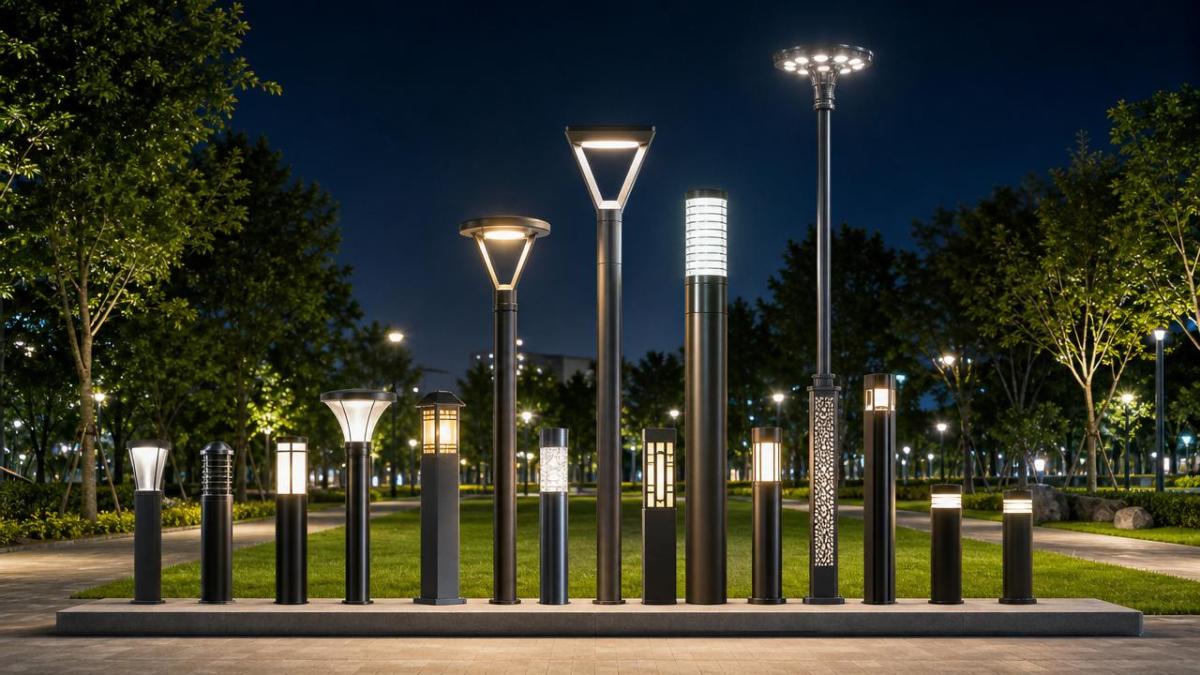
When buyers search why park lighting prices vary, they usually are not looking for a generic manufacturing explanation. They want to know whether one quote is overpriced, under-specified, or likely to create hidden problems later.
For procurement teams, the key concern is total purchasing value. That includes durability, safety, energy use, maintenance intervals, warranty support, and whether the supplier can meet public project documentation requirements.
In other words, price variation in outdoor lighting wholesale for parks is a decision signal. It can indicate differences in engineering quality, supply chain strength, regional compliance, or service depth that are not visible in a simple product photo.
Fixture materials and build quality can change cost dramatically
One of the biggest reasons prices differ is the quality of raw materials and housing construction. Park lighting operates outdoors for years, often facing rain, dust, humidity, temperature swings, and vandalism risks.
Lower-cost fixtures may use thinner aluminum, weaker coatings, lower-grade stainless fasteners, or plastic parts that degrade faster under UV exposure. These choices reduce upfront pricing but often shorten service life.
Higher-priced products usually include die-cast aluminum bodies, better powder coating, anti-corrosion treatment, impact-resistant covers, and sealed driver compartments. These features matter especially in coastal, humid, or pollution-heavy environments.
For procurement professionals, it is worth asking for IP rating, IK rating, housing thickness, coating specification, salt spray test results, and material details. These data points explain price differences more clearly than a catalog image ever can.
LED chips, drivers, and optics affect both price and long-term operating value
Two park lights may look similar but perform very differently. LED chip brand, driver quality, lumen output, color consistency, and optical design all influence both manufacturing cost and real-world lighting results.
Premium LED chips and branded drivers increase the initial quotation, yet they often deliver better efficacy, lower failure rates, and more stable lumen maintenance over time. That can reduce electricity use and replacement frequency.
Optical design is another important factor. Parks need controlled light distribution for pathways, landscapes, plazas, and recreational areas. Better optics reduce glare, improve uniformity, and avoid wasted light spilling into unwanted zones.
If one supplier offers significantly lower pricing, check whether the driver is non-branded, whether efficacy is lower, or whether the photometric design is basic. These differences can directly affect operational cost and public user experience.
Compliance and certification requirements often separate serious suppliers from cheap offers
Public and semi-public projects often require more than functional lighting. Buyers may need CE, RoHS, UL, ETL, ISO systems, energy efficiency documentation, environmental testing, or local municipal compliance records.
Certification adds cost because it requires product testing, factory systems, technical documentation, and ongoing quality control. Suppliers that invest in these processes usually quote higher than traders selling minimally documented products.
For procurement teams, this cost difference is usually justified when a project involves government review, urban development standards, or cross-border imports. Missing or weak compliance paperwork can delay tenders, customs clearance, or final acceptance.
That is why comparing outdoor lighting wholesale for parks by unit price alone can be misleading. A lower quote without recognized compliance support may create much larger administrative and legal costs later.
Customization is a major source of quotation gaps
Standard park lights are usually more affordable because tooling, materials, and production lines are already optimized. Costs rise when buyers request customized pole heights, housing shapes, finishes, wattages, mounting methods, or smart control features.
Even small modifications can affect engineering hours, sample creation, testing, packaging, and minimum order quantity. Custom color temperatures, branded labels, special anti-corrosion treatment, or non-standard beam angles also increase cost.
For many park projects, customization is necessary because aesthetic integration matters. Historic parks, tourism sites, and urban renewal zones often require fixtures that match the surrounding landscape or municipal design language.
Procurement teams should decide early which specifications are essential and which are optional. This helps avoid over-customization that adds cost without improving project outcomes.
Order volume and production scale influence wholesale pricing
Wholesale pricing naturally changes with order size. A supplier can spread setup cost, labor planning, procurement, and packaging efficiency over a larger production run, which usually lowers the unit price.
However, volume discounts are not always linear. If an order requires urgent scheduling, mixed models, multiple wattages, or staggered delivery, the expected savings may be smaller than buyers assume.
Factory scale also matters. Manufacturers with stable component sourcing, automated assembly, and mature quality systems often offer better pricing consistency than small workshops facing fluctuating material and labor costs.
When comparing quotations, buyers should check whether pricing is based on one-time purchase volume, annual framework demand, or container-based logistics planning. These assumptions can significantly change the final number.
Regional labor, energy, and supply chain conditions shape supplier prices
Different countries and manufacturing regions operate under different labor rates, electricity prices, environmental compliance costs, and industrial support networks. These structural factors affect the base cost of production.
Regions with strong lighting manufacturing clusters may offer better pricing because component suppliers, tooling resources, testing labs, and shipping infrastructure are concentrated nearby. This reduces sourcing friction and lead times.
By contrast, suppliers operating in higher-cost regions may quote more, but sometimes provide advantages in communication, local compliance familiarity, or after-sales response. For some buyers, these benefits justify the premium.
Procurement teams should therefore evaluate regional price differences in context. The cheapest manufacturing location is not always the lowest-risk source for a public lighting project.
Freight, packaging, and delivery terms can make a low quote less competitive
Park lighting products are not cost-neutral to transport. Bulky fixtures, poles, brackets, and protective packaging all influence freight cost, storage handling, and damage risk during shipping.
A supplier may appear cheaper on an EXW basis but become more expensive once export packaging, inland transport, ocean freight, insurance, tariffs, and destination handling are added. Incoterms matter a great deal in comparison.
Packaging quality also affects total cost. Inadequate protection can lead to scratches, broken lenses, dented housings, or driver damage, creating project delays and replacement claims after arrival.
For import-oriented procurement, it is smart to compare landed cost rather than factory price only. A complete sourcing decision should include transit time, packaging standards, damage history, and delivery reliability.
Warranty terms and after-sales support are part of the real price
Many buyers underestimate how much warranty structure influences value. A five-year warranty from a capable supplier is not the same as a five-year statement from a seller with weak parts availability or slow response.
Higher-cost suppliers often include clearer warranty scope, replacement procedures, spare parts support, technical troubleshooting, and documented failure analysis. These services reduce downtime and internal coordination effort.
For park operators, maintenance disruption has public visibility. Failed lights affect safety perception, user satisfaction, and municipal accountability. That is why after-sales reliability deserves weight during wholesale evaluation.
If one quote is lower, ask what support is actually included. Is the driver covered? Who pays for replacement shipping? How fast are claims processed? Real answers to these questions often explain price differences.
Smart controls and energy management features can raise upfront cost but improve ROI
Some park lighting systems now include motion sensing, dimming schedules, remote monitoring, photocells, or centralized control platforms. These features increase fixture and system cost at the procurement stage.
Yet for many projects, smart capability improves return on investment through energy savings, adaptive brightness, preventive maintenance, and better fault visibility. Over the product life cycle, this can offset a higher purchase price.
Not every park needs advanced controls. Small installations may perform well with standard LED fixtures and basic photocell operation. But larger urban parks or smart city projects often benefit from integrated management functions.
The procurement question should be practical: does the added functionality solve a measurable operational need? If yes, a higher wholesale price may still represent the stronger business case.
How buyers can compare quotes more accurately
To avoid misleading price comparisons, procurement teams should build a structured evaluation matrix. Start with essential technical specifications, then compare each supplier against the same baseline requirements.
Include housing material, ingress protection, impact resistance, driver brand, efficacy, lumen output, CCT, CRI, optical distribution, warranty years, certifications, lead time, packaging standard, and spare parts policy.
Then calculate total cost of ownership, not just purchase cost. Estimate electricity consumption, expected failure rates, replacement intervals, maintenance labor, and possible downtime. This often changes which quote looks most competitive.
It is also useful to request samples, test reports, project references, and production photos. For large orders, a factory audit or third-party inspection can reveal whether a lower price reflects efficiency or unacceptable risk.
Warning signs that a very low quote may not be worth the savings
Not every low quote is problematic, but some deserve caution. Large price gaps may indicate downgraded drivers, exaggerated lumen claims, weak coating quality, incomplete certification, or unstable supply chain control.
Other warning signs include vague datasheets, inconsistent specification language, refusal to share testing records, unrealistic lead times, or warranties that lack clear terms. These issues often point to hidden project risk.
Procurement teams should also watch for offers that omit accessories, mounting hardware, surge protection, or documentation support. A quote can look attractive initially while excluding items needed for actual installation and approval.
In public or institutional purchasing, avoiding failure is often more valuable than achieving the absolute lowest acquisition price. Reliable sourcing protects budgets, timelines, and stakeholder trust.
Conclusion: the best park lighting quote is the one that balances cost, compliance, and lifecycle value
The reason outdoor lighting wholesale for parks costs vary is simple: buyers are not just purchasing lamps. They are purchasing performance, durability, documentation, logistics reliability, and long-term maintenance outcomes.
For procurement teams, the smartest approach is to compare offers through a lifecycle lens. Material quality, electrical components, certifications, customization, shipping terms, warranty support, and supplier credibility all deserve close review.
A lower unit price can be the right choice if specifications are transparent and project needs are modest. But for many public park installations, the best value often comes from a supplier that reduces risk over years, not just at purchase.
When buyers evaluate quotes with this broader framework, they can source park lighting with more confidence, defend procurement decisions more clearly, and achieve better long-term results for both budget and public use.
 When an export market analysis platform can validate demand in a new marketExport market analysis platform insights help validate new-market demand through buyer fit, regulations, logistics, competition, and profitable entry conditions.
 What is driving the beauty and personal care market in the USA?Beauty and personal care in USA is driven by targeted solutions, selective premiumization, digital discovery, clean-label trust, diverse needs, and compliance. Explore key growth opportunities.
 How trade flow monitoring reports reveal changing regional demandTrade flow monitoring reports reveal changing regional demand through import volumes, sourcing shifts, product mix, logistics signals, and regulatory trends. Explore actionable market insights.
 How international market intelligence for investors reduces market-entry riskInternational market intelligence for investors reduces market-entry risk by validating demand, regulations, logistics, and competition before capital is committed.
 How international sourcing intelligence helps identify supplier risk earlyInternational sourcing intelligence helps businesses spot supplier risks early, protect supply continuity, and make smarter global procurement decisions.
 How trade data aggregation analytics reveals emerging supplier marketsTrade data aggregation analytics reveals emerging supplier markets through export trends, input flows, logistics, and regulatory signals. Discover smarter sourcing insights.
 What industrial cluster monitoring in Vietnam reveals about site riskIndustrial cluster monitoring Vietnam reveals hidden site risks across labor, utilities, logistics, compliance, and supplier dependencies. Make smarter sourcing and expansion decisions.
 Food Technology Trends Reshaping Shelf Life, Safety, and Product InnovationFood technology is reshaping shelf life, safety, and innovation. Discover the trends helping food businesses cut risk, improve compliance, and unlock stronger global market growth.
 How electronics manufacturing services are changing with low-volume demandElectronics manufacturing services are evolving fast with low-volume demand. Learn how agile EMS partners improve flexibility, compliance, sourcing resilience, and speed to market.
 How Can Buyers Reduce Procurement Risks for Electronic Components?How to reduce procurement risks for electronic components: learn how buyers assess traceability, lead times, compliance, and supplier types to avoid costly sourcing mistakes.
 What Sourcing Intelligence India Reveals About Supplier Risk and Cost ShiftsSourcing intelligence India reveals hidden supplier risk, compliance gaps, logistics pressure, and real cost shifts—helping buyers compare vendors smarter and source with more confidence.
 Fashion Trends 2026: Which Materials, Colors, and Silhouettes Are Gaining Ground?Fashion trends 2026 spotlight tactile fabrics, mineral colors, and controlled volume. Explore the materials, shades, and silhouettes shaping smarter, more wearable style.
 Smart Device Market Outlook: Key Growth Drivers, Segments, and Business OpportunitiesSmart device market trends are shifting toward system value, industrial demand, and resilient supply chains. Explore key growth drivers, high-potential segments, and business opportunities.
 How Global Trade Intelligence Services Help B2B Firms Evaluate Markets and SuppliersGlobal trade intelligence services help B2B firms compare suppliers, assess market potential, and uncover compliance, logistics, and pricing risks before costly decisions are made.
 Manufacturing Sector Updates for Investors: What Signals Matter Most in 2025?Manufacturing sector updates for investors in 2025: track orders, margins, supply chains, regulation, and exports to spot resilient manufacturers and smarter investment signals.
 How Energy Market Intelligence Helps Businesses Track Price Risks and Demand ShiftsEnergy market intelligence helps businesses spot price risks, demand shifts, and supply pressure early—improving procurement, resilience, and faster strategic decisions.
 Precision Hardware Tools Market: Key Demand Drivers, Segments, and Growth OutlookPrecision hardware tools market trends are reshaping sourcing, compliance, and automation. Explore key demand drivers, segment shifts, regional supply patterns, and growth opportunities.
 How to Use Customs Import Data to Find Buyers, Track Competitors, and Spot Demand?Customs import data helps you find real buyers, track competitors, and spot demand shifts early. Learn practical ways to turn trade records into smarter global business decisions.
 Manufacturing Cost Analysis: 8 Cost Drivers That Change Your Unit PriceManufacturing cost analysis explained through 8 key cost drivers that impact unit price, supplier stability, and margins—learn how to compare quotes smarter and reduce sourcing risk.
 Industrial Market Realities: What Buyers Should Check Before Comparing Supplier QuotesIndustrial market realities shape every supplier quote beyond unit price. Learn what to check on compliance, lead times, logistics, and hidden cost risks before comparing offers.
 Beverage Production Line Planning: Key Equipment, Capacity, and Hygiene RequirementsBeverage production line planning made practical: discover key equipment, real capacity sizing, and hygiene requirements to improve efficiency, safety, and long-term plant performance.



















Global Trade Insights & Industry
Our mission is to empower global exporters and importers with data-driven insights that foster strategic growth.
Search News
Popular Tags
Industry Overview
The global commercial kitchen equipment market is projected to reach $112 billion by 2027. Driven by urbanization, the rise of e-commerce food delivery, and strict hygiene regulations.