

TÜV Rheinland Releases GS-EN IEC 62493:2026 for Smart Lighting EMF Testing
On May 10, 2026, TÜV Rheinland released the updated mandatory GS certification standard GS-EN IEC 62493:2026, introducing new electromagnetic field (EMF) radiation limits and test methodology for smart lighting products—including LED smart luminaires and motion-sensing controllers. This update directly affects energy-saving lighting exporters from China and other manufacturing regions supplying the European market, with implications for certification timelines, compliance costs, and supplier evaluation criteria.
Event Overview
TÜV Rheinland published GS-EN IEC 62493:2026 on May 10, 2026. The standard revises EMF assessment requirements for lighting equipment under the German GS mark scheme. Key technical changes include: (1) introduction of EMF exposure limits in the 100 kHz–30 MHz frequency range; and (2) adoption of a ‘user proximity exposure scenario’ simulation method for testing. All new applications for the GS mark—and all existing GS-certified products—must undergo retesting to comply with this version by November 1, 2026.
Industries Affected
Direct Exporters (Energy-Saving Lighting Manufacturers)
These enterprises are directly impacted because GS certification is often required for market access in Germany and other GS-accepting European countries. Non-compliance after November 1, 2026, may result in inability to renew or obtain GS marks, affecting product listing and customs clearance.
Component & Subsystem Suppliers (e.g., Smart Controllers, Driver Module Makers)
Suppliers of integrated modules—especially those enabling sensing, dimming, or wireless connectivity—may face upstream requests for revised EMF test reports. Their components influence system-level EMF emissions; thus, redesign or requalification may be needed if original designs were not assessed for the 100 kHz–30 MHz band.
Certification & Testing Service Providers
Laboratories accredited for GS testing must now validate their measurement setups and procedures for the extended frequency range and proximity-based test configuration. Capacity planning and staff training for the new methodology are immediate operational considerations.
European Importers & Brand Owners
Importers relying on GS-marked lighting products will need updated conformity documentation from suppliers ahead of the November 2026 deadline. This update serves as an explicit benchmark for evaluating technical responsiveness and compliance readiness among Asian manufacturers.
What Enterprises and Practitioners Should Focus On Now
Monitor official implementation guidance from TÜV Rheinland and German market surveillance authorities
The final interpretation of ‘user proximity exposure scenario’—including test distance, orientation, and operating modes—is expected to be clarified in supplementary technical bulletins. Enterprises should subscribe to TÜV Rheinland’s regulatory alerts and review any upcoming webinars or Q&A documents.
Prioritize retesting for high-volume and high-risk SKUs
Products with complex control electronics, wireless interfaces (e.g., Bluetooth LE, Zigbee), or high-frequency switching drivers are more likely to exceed the new 100 kHz–30 MHz limits. Companies should conduct pre-scans or gap analyses before formal testing to avoid delays.
Distinguish between policy signal and enforceable requirement
While the November 1, 2026 deadline applies to GS mark renewal and new applications, enforcement timing for non-compliant stock already placed on the EU market remains subject to national market surveillance practices. Enterprises should consult local notified bodies for jurisdiction-specific transition allowances.
Align internal procurement and engineering roadmaps with the retest timeline
Manufacturers should revise BOMs and design review checkpoints to include the new EMF band early in development cycles. Procurement teams should verify supplier EMF test capabilities for critical subassemblies—particularly for controllers and power supplies—before placing new orders.
Editorial Perspective / Industry Observation
Observably, this revision signals a tightening of EMF safety expectations—not just for radiofrequency devices, but for digitally enhanced lighting infrastructure entering living and working spaces. Analysis shows the shift toward proximity-based testing reflects growing regulatory attention to real-world usage patterns, rather than worst-case lab-only conditions. From an industry perspective, GS-EN IEC 62493:2026 is less a one-off update and more a directional indicator: future revisions are likely to extend similar exposure modeling to additional frequency bands or product categories. It is currently best understood as a compliance milestone with near-term execution impact—not yet a broad market barrier, but a clear differentiator for technically agile suppliers.
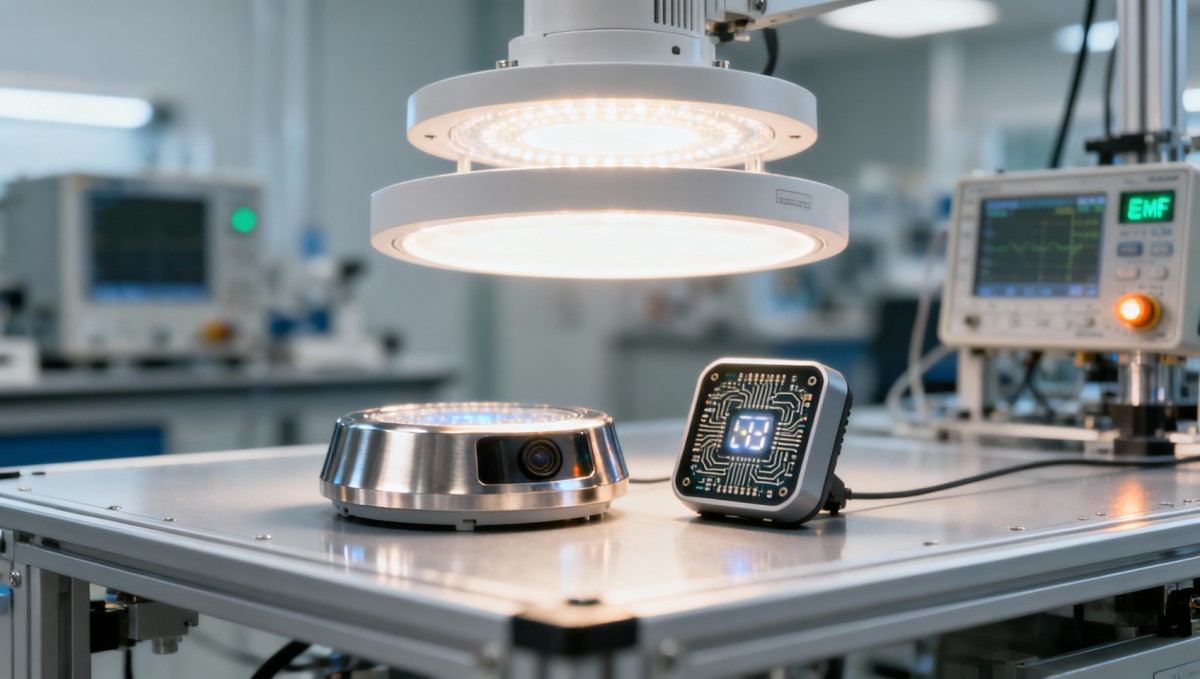
Conclusion: GS-EN IEC 62493:2026 marks a targeted evolution in lighting product safety assessment—not a systemic overhaul, but a precise recalibration of EMF accountability for intelligent, user-proximate lighting systems. For affected enterprises, the priority is not speculation about future standards, but disciplined execution against the confirmed November 1, 2026 retest deadline and verified technical scope. The update is better interpreted as a procedural checkpoint than a strategic inflection point—yet one that reveals how closely European safety frameworks track evolving human interaction with connected hardware.
Source: TÜV Rheinland official announcement (May 10, 2026); GS certification framework documentation. Note: Ongoing updates regarding test procedure details and national enforcement interpretations remain under observation.
 How an industrial trade intelligence dashboard can identify new supplier marketsDiscover how an industrial trade intelligence dashboard helps identify new supplier markets by comparing capacity, landed cost, logistics resilience, and compliance risk.
 Which global market entry barriers should exporters assess first?Global market entry barriers exporters should assess first: tariffs, compliance, buyer qualification, logistics, and payment risk. Build a practical strategy for confident market entry.
 How trade data aggregation analytics can reveal emerging supplier marketsTrade data aggregation analytics reveals emerging supplier markets by connecting trade flows, capacity signals, logistics, and compliance insights for smarter sourcing decisions.
 When an export market analysis platform can validate demand in a new marketExport market analysis platform insights help validate new-market demand through buyer fit, regulations, logistics, competition, and profitable entry conditions.
 What is driving the beauty and personal care market in the USA?Beauty and personal care in USA is driven by targeted solutions, selective premiumization, digital discovery, clean-label trust, diverse needs, and compliance. Explore key growth opportunities.
 How trade flow monitoring reports reveal changing regional demandTrade flow monitoring reports reveal changing regional demand through import volumes, sourcing shifts, product mix, logistics signals, and regulatory trends. Explore actionable market insights.
 How international market intelligence for investors reduces market-entry riskInternational market intelligence for investors reduces market-entry risk by validating demand, regulations, logistics, and competition before capital is committed.
 How international sourcing intelligence helps identify supplier risk earlyInternational sourcing intelligence helps businesses spot supplier risks early, protect supply continuity, and make smarter global procurement decisions.
 How trade data aggregation analytics reveals emerging supplier marketsTrade data aggregation analytics reveals emerging supplier markets through export trends, input flows, logistics, and regulatory signals. Discover smarter sourcing insights.
 What industrial cluster monitoring in Vietnam reveals about site riskIndustrial cluster monitoring Vietnam reveals hidden site risks across labor, utilities, logistics, compliance, and supplier dependencies. Make smarter sourcing and expansion decisions.
 Food Technology Trends Reshaping Shelf Life, Safety, and Product InnovationFood technology is reshaping shelf life, safety, and innovation. Discover the trends helping food businesses cut risk, improve compliance, and unlock stronger global market growth.
 How electronics manufacturing services are changing with low-volume demandElectronics manufacturing services are evolving fast with low-volume demand. Learn how agile EMS partners improve flexibility, compliance, sourcing resilience, and speed to market.
 How Can Buyers Reduce Procurement Risks for Electronic Components?How to reduce procurement risks for electronic components: learn how buyers assess traceability, lead times, compliance, and supplier types to avoid costly sourcing mistakes.
 What Sourcing Intelligence India Reveals About Supplier Risk and Cost ShiftsSourcing intelligence India reveals hidden supplier risk, compliance gaps, logistics pressure, and real cost shifts—helping buyers compare vendors smarter and source with more confidence.
 Fashion Trends 2026: Which Materials, Colors, and Silhouettes Are Gaining Ground?Fashion trends 2026 spotlight tactile fabrics, mineral colors, and controlled volume. Explore the materials, shades, and silhouettes shaping smarter, more wearable style.
 Smart Device Market Outlook: Key Growth Drivers, Segments, and Business OpportunitiesSmart device market trends are shifting toward system value, industrial demand, and resilient supply chains. Explore key growth drivers, high-potential segments, and business opportunities.
 How Global Trade Intelligence Services Help B2B Firms Evaluate Markets and SuppliersGlobal trade intelligence services help B2B firms compare suppliers, assess market potential, and uncover compliance, logistics, and pricing risks before costly decisions are made.
 Manufacturing Sector Updates for Investors: What Signals Matter Most in 2025?Manufacturing sector updates for investors in 2025: track orders, margins, supply chains, regulation, and exports to spot resilient manufacturers and smarter investment signals.
 How Energy Market Intelligence Helps Businesses Track Price Risks and Demand ShiftsEnergy market intelligence helps businesses spot price risks, demand shifts, and supply pressure early—improving procurement, resilience, and faster strategic decisions.
 Precision Hardware Tools Market: Key Demand Drivers, Segments, and Growth OutlookPrecision hardware tools market trends are reshaping sourcing, compliance, and automation. Explore key demand drivers, segment shifts, regional supply patterns, and growth opportunities.
 How to Use Customs Import Data to Find Buyers, Track Competitors, and Spot Demand?Customs import data helps you find real buyers, track competitors, and spot demand shifts early. Learn practical ways to turn trade records into smarter global business decisions.





















Global Trade Insights & Industry
Our mission is to empower global exporters and importers with data-driven insights that foster strategic growth.
Search News
Popular Tags
Industry Overview
The global commercial kitchen equipment market is projected to reach $112 billion by 2027. Driven by urbanization, the rise of e-commerce food delivery, and strict hygiene regulations.