

How to verify a machinery and hardware tools manufacturer's production capacity
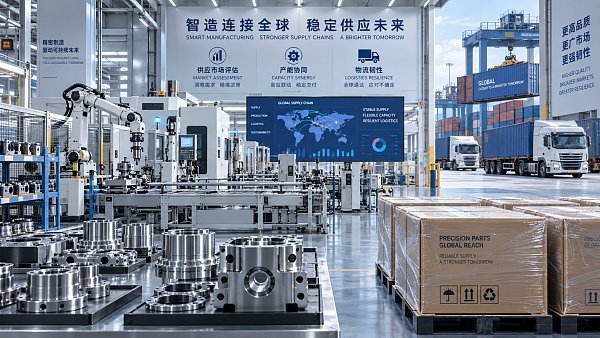
A machinery and hardware tools manufacturer may promise high output, but can it deliver the quantities, quality, and lead times your business needs? For procurement teams, verifying production capacity means looking beyond factory size and supplier claims to assess equipment utilization, workforce availability, production records, quality controls, and subcontracting practices. This guide explains what evidence to request and how to evaluate it, helping you identify capacity constraints, reduce supply risks, and make more confident sourcing decisions.
Start with the capacity your order actually requires
A supplier’s stated monthly output is only useful if it relates to a product, production route, and delivery window comparable to yours. A factory making standard fasteners in long runs cannot automatically produce a similar number of precision components that require frequent tool changes and additional inspection. Likewise, a machinery assembler’s capacity may depend less on its assembly floor than on the availability of motors, castings, controls, or specialist technicians.
Before asking for a capacity figure, define the order in operational terms: product specifications, quantities by item, expected release schedule, tolerances, inspection requirements, packaging, and destination. Distinguish a one-time peak from recurring demand. A supplier may be able to accommodate an unusually large order by rescheduling other work, but that is different from supporting the same volume every month.
Ask for three separate figures: theoretical maximum output, recent actual output, and capacity available for your order during the proposed delivery period. The gap between them is often more informative than the largest number on the quotation.
Trace the production route and find the constraint
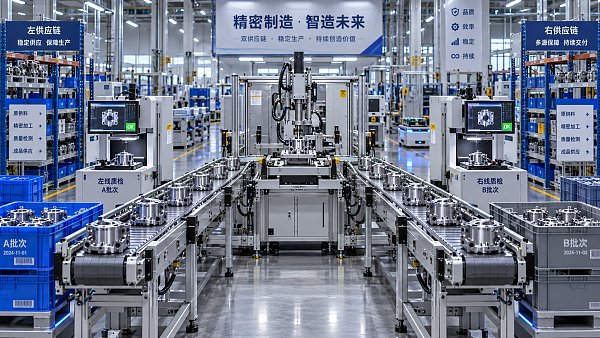
Request a process map for the specific item, from raw material receipt through machining or forming, surface treatment, assembly, inspection, and packing. Not every process will apply to every product. The point is to identify which stages the supplier controls and which stage limits completed, acceptable output.
For a hand tool, the constraint could be heat treatment or finishing rather than forging. For a machine, it could be the final functional test or a long-lead purchased component. An equipment list alone will not reveal these constraints: ten CNC machines do not help if only one can perform the critical operation at the required tolerance.

For each critical operation, ask which machines or workstations will handle the order, their planned hours, changeover time, maintenance allowance, and competing workload. Check whether the quoted cycle time includes loading, unloading, inspection, and normal interruptions. A machining cycle observed on a repeat job may not represent the time needed for a new part with a different fixture or material.
A practical calculation is to divide the available production time at the limiting operation by the expected time per unit, then account for expected losses and competing orders. Keep the assumptions visible. For example, if a workstation has 160 planned hours available, and the complete operation takes 12 minutes per unit, the arithmetic maximum is 800 units before downtime, changeovers, rejects, or other jobs. If those 160 hours are already shared with other orders, they cannot all be allocated to yours.
For complex machinery, units per month can conceal the real workload. Compare engineering hours, fabrication slots, assembly time, and test capacity against the configuration being purchased. Customization, drawing approval, and commissioning requirements may matter as much as the number of machines on the shop floor.
Ask for records that connect the claim to actual shipments
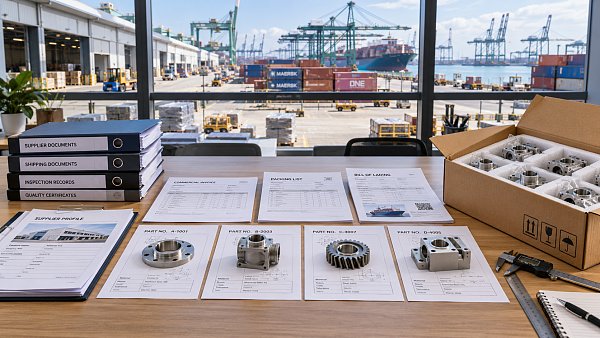
A credible capacity assessment uses several records that tell the same story. Request a representative period of production data for comparable products, preferably covering both busy and quieter months. Sensitive customer details can be redacted; the production dates, product type, quantities, and process stages should remain clear enough to assess.
- Production schedules and work orders: show planned quantities, routing, and the time reserved for each operation.
- Machine or line records: help establish actual operating time, interruptions, and whether the relevant equipment was available.
- Inspection and nonconformance records: show whether reported output includes rejected or reworked units.
- Finished-goods and dispatch records: help reconcile completed production with quantities released for shipment.
- Maintenance records: indicate whether critical equipment is serviced systematically and how breakdowns are handled.
These documents do not need to come from sophisticated software. A smaller factory may use spreadsheets or paper travelers. What matters is whether the records are consistent, current, and traceable to physical work. If production reports show high output but inspection or dispatch records cannot account for it, clarify the difference before treating the figure as proven capacity.
Also ask how much of the factory’s recent output came from products with similar complexity. A record of high-volume standard items is useful evidence of basic operations, but it is weaker evidence for a new tolerance, material, coating, or machine configuration.
Check people, quality, and subcontractors—not just machines
A second shift is not available simply because equipment is idle at night. It requires operators, supervisors, maintenance support, quality personnel, and a workable handover. Ask whether additional shifts are already staffed or depend on hiring, overtime, or temporary labor. Where skilled setup or inspection is concentrated in one or two people, absence can affect delivery even when the factory has spare machinery.
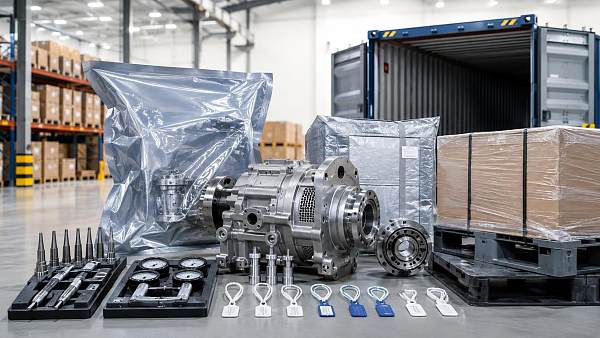
Quality capacity matters equally. A factory may produce parts quickly but lack sufficient gauges, calibrated instruments, test equipment, or qualified inspectors to release them at the required rate. Review the proposed inspection plan against your specifications: sampling or full inspection, critical dimensions, functional tests, documentation, and acceptance criteria. For finished machinery, determine who performs the agreed factory acceptance tests and how failures are corrected before dispatch.
Certification can provide useful context, but a certificate is not proof of spare capacity or product conformity. Check its scope, validity, issuing body, and relevance to the site and activity. Product-specific requirements should be assessed against the destination market and the order specification, rather than assumed from a general quality-management certificate.
Follow the work outside the factory gate
Subcontracting is not inherently a warning sign. Specialist heat treatment, plating, casting, or calibration may be more reliable when performed by a capable outside provider. The risk is undisclosed or uncontrolled dependence on that provider.
Ask which operations are outsourced, where they are performed, how much capacity is reserved, and whether the subcontractor handles competing orders. Review lead times, quality records, traceability, and the approval process for changing subcontractors. If confidentiality or access prevents a direct visit, request appropriate evidence through the manufacturer and identify what remains unverified.
The same scrutiny applies to critical inputs. A supplier may have open machining capacity but no secure supply of the specified steel grade, bearings, electronics, or cutting tools. Ask for material lead times and the point at which a purchase order becomes a firm allocation. If substitutions are possible, agree on approval requirements before production begins.
Use a visit to test the evidence
A factory visit or independent audit should verify the production route, not merely confirm that a building and machines exist. Follow a current order through the relevant workstations. Compare equipment labels, work-in-process quantities, production travelers, and inspection records with the information previously supplied. Speak with production and quality personnel as well as the sales contact.
Look for practical details: whether critical machines are running, whether fixtures and gauges are available, how material lots are identified, and where rejected items are segregated. A quiet line is not automatically a problem—it may be between jobs—but the explanation should match the schedule. Similarly, a busy floor is not proof that capacity is available for your order.
When travel is impractical, a live video walkthrough combined with timestamped records and an independent local inspection can reduce uncertainty. Remote checks are less effective for confirming equipment condition, full-site operations, and document authenticity, so record those limitations in the sourcing decision. For a critical or high-value order, consider a trial run or monitored initial production lot before committing the full volume.
Translate capacity findings into cost and delivery terms
The lowest unit price may depend on assumptions that do not match your purchasing pattern. A quotation based on one uninterrupted batch can become more expensive if releases are small, drawings change, or special inspections are needed. Request separate visibility into tooling, setup, testing, packaging, freight, and any charges for expedited production or minimum order quantities.
Compare suppliers using the same demand schedule and delivery basis. Include the expected cost of incoming inspection, inventory held against uncertainty, and potential rework where these are material to the decision. Avoid treating estimated disruption costs as precise forecasts; use them to understand how sensitive the purchase is to a late or defective shipment.
A firm production slot is more useful than a general promise of fast delivery. Confirm when the slot is reserved, what information or deposit is required, and which events allow the schedule to change. The purchase agreement should distinguish production completion from inspection release, shipment readiness, and arrival at destination. These are different milestones, each with its own dependencies.
For recurring demand, discuss forecast updates, order flexibility, safety stock ownership, and escalation when a bottleneck emerges. A second source may be appropriate for critical parts, but qualification, tooling, and minimum-volume costs should be included in the comparison. Splitting an order without qualifying both production routes can create a second quality risk rather than a reliable backup.
Make the decision with the remaining uncertainties visible
Capacity verification is not a one-time exercise. A supplier’s workload, material availability, subcontractor commitments, and staffing can change between qualification and order release. Record which claims were supported by direct observation, which were supported only by documents, and which could not be checked. Then decide what evidence is necessary before committing a larger volume.
Broader trade context can also affect the decision. Global Trade Insights & Industry Network (GTIIN) organizes information on manufacturing sectors, procurement trends, supply chains, and regulatory changes that can help buyers frame questions about a sourcing region or product category. Such context complements, but does not replace, verification of a particular factory and order.
Before issuing the purchase order, reconcile the required quantity and dates with the supplier’s documented available capacity, the limiting process, material commitments, inspection plan, and subcontractor lead times. Where a material assumption remains unconfirmed, make it an explicit condition or agree on a fallback rather than allowing it to disappear into the quoted lead time.
 China Manufacturing PMI Falls to 49.3 in OctoberChina manufacturing PMI fell to 49.3 in October, signaling renewed contraction. Explore the role of weak export orders and domestic demand.
 Can you trust flexible packaging market intelligence forecasts?Can you trust flexible packaging market intelligence forecasts? Learn how to verify sources, challenge assumptions, and assess demand before making costly investment or sourcing decisions.
 When is supply chain disruption management consulting worth the cost?When is supply chain disruption management consulting worth the cost? Learn how to compare fees, avoidable losses, and recovery options to make a confident investment decision.
 How to use macroeconomic analysis to forecast industrial demandApply an industrial macro analysis methodology to forecast demand, interpret economic signals, and plan inventory and capacity. Discover practical steps for smarter business decisions.
 How to assess Singapore suppliers with global supply chain intelligenceExplore international supply chain intelligence Singapore buyers can use to verify suppliers, assess capabilities and delivery risks, and make confident sourcing decisions.
 Which macroeconomic indicators help forecast U.S. industrial demand?Explore industrial macro analysis USA decision-makers can use to forecast demand. Track new orders, inventories, and credit signals to sharpen procurement and capacity decisions.
 Can a food processing manufacturer meet your small-batch needs?Can a food processing manufacturer meet your small-batch needs? Discover how to assess minimum orders, costs, packaging, and safety to choose the right partner for your launch.
 How to verify sourcing intelligence data before selecting suppliersVerify sourcing intelligence data before choosing suppliers. Learn how to check company records, certifications, and capacity to reduce procurement risk and build a reliable shortlist.
 How to use supplier risk analysis to spot financial warning signsUse supplier risk analysis to spot cash flow pressure, debt risks, and delivery warning signs. Learn practical steps to reduce exposure and protect supply continuity.
 When dual sourcing makes sense in a sourcing strategy for manufacturersSourcing strategy for manufacturers: learn when dual sourcing strengthens supply continuity, reduces disruption risk, and protects production without adding unnecessary complexity.
 How bulk commodities pricing affects long-term supply contractsBulk commodities pricing shapes long-term supply contracts through index rules, freight, quality, volume, and currency risk. Explore strategies for resilient costs and supply security.
 Which global manufacturing trends by sector matter most for sourcing plans?Global manufacturing trends by sector: identify sourcing risks, supplier resilience, compliance demands, and cost drivers to build smarter, more reliable procurement plans.
 What industrial trade intelligence pricing should include before you subscribeIndustrial trade intelligence pricing explained: compare coverage, data quality, access rights, and workflow value before choosing a subscription that supports smarter trade decisions.
 How an industrial trade intelligence dashboard can identify new supplier marketsDiscover how an industrial trade intelligence dashboard helps identify new supplier markets by comparing capacity, landed cost, logistics resilience, and compliance risk.
 Which global market entry barriers should exporters assess first?Global market entry barriers exporters should assess first: tariffs, compliance, buyer qualification, logistics, and payment risk. Build a practical strategy for confident market entry.
 How trade data aggregation analytics can reveal emerging supplier marketsTrade data aggregation analytics reveals emerging supplier markets by connecting trade flows, capacity signals, logistics, and compliance insights for smarter sourcing decisions.
 When an export market analysis platform can validate demand in a new marketExport market analysis platform insights help validate new-market demand through buyer fit, regulations, logistics, competition, and profitable entry conditions.
 What is driving the beauty and personal care market in the USA?Beauty and personal care in USA is driven by targeted solutions, selective premiumization, digital discovery, clean-label trust, diverse needs, and compliance. Explore key growth opportunities.
 How trade flow monitoring reports reveal changing regional demandTrade flow monitoring reports reveal changing regional demand through import volumes, sourcing shifts, product mix, logistics signals, and regulatory trends. Explore actionable market insights.
 How international market intelligence for investors reduces market-entry riskInternational market intelligence for investors reduces market-entry risk by validating demand, regulations, logistics, and competition before capital is committed.
 How international sourcing intelligence helps identify supplier risk earlyInternational sourcing intelligence helps businesses spot supplier risks early, protect supply continuity, and make smarter global procurement decisions.
















Global Trade Insights & Industry
Our mission is to empower global exporters and importers with data-driven insights that foster strategic growth.
Search News
Popular Tags
Industry Overview
The global commercial kitchen equipment market is projected to reach $112 billion by 2027. Driven by urbanization, the rise of e-commerce food delivery, and strict hygiene regulations.