

China Customs Launches Cross-Border E-commerce Return Policy Nationwide
China Customs Launches Cross-Border E-commerce Return Policy Nationwide
Introduction
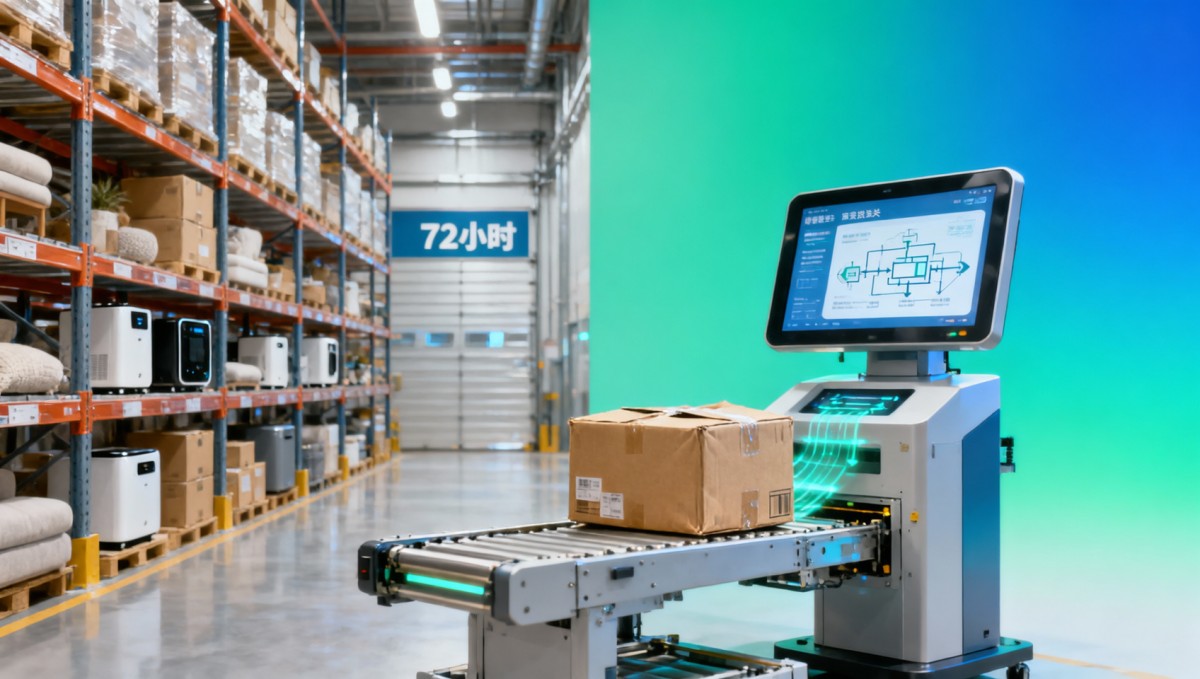
Starting April 1, 2026, China's General Administration of Customs will implement a nationwide cross-border e-commerce retail export return policy, allowing overseas consumers to return goods to any designated bonded warehouse. This policy significantly improves the return experience for international buyers, with customs clearance for returns compressed to within 72 hours. Industries such as home goods, small appliances, and beauty tools, which typically see return rates exceeding 15%, stand to benefit the most. This development is particularly noteworthy for businesses engaged in direct-to-consumer (DTC) channels.
Event Overview
On April 1, 2026, China's General Administration of Customs officially rolled out a cross-border e-commerce retail export return mechanism nationwide. The policy permits overseas consumers to return goods to any specified port bonded warehouse, with return customs clearance streamlined to a 72-hour window. This initiative aims to enhance the post-purchase experience for international customers and boost the competitiveness of Chinese suppliers in global DTC markets.
Impact on Specific Industries
Direct Trade Enterprises
Businesses involved in direct cross-border e-commerce trade will experience reduced logistical complexities and costs associated with returns. The streamlined process is expected to increase customer satisfaction and repeat purchase rates, particularly for high-return categories like home goods and beauty tools.
Supply Chain Service Providers
Logistics and warehousing companies will need to adapt to the new return flow patterns. The policy may lead to increased demand for bonded warehouse services at multiple ports, creating opportunities for service providers to expand their infrastructure and offerings.
Manufacturers and Exporters
Manufacturers, especially those producing small appliances and home goods, may see improved export performance as the easier return process reduces barriers to international sales. This could lead to more competitive pricing strategies and product offerings tailored to global consumers.
Key Considerations for Businesses
Monitor Policy Implementation
Companies should track how the policy is being implemented across different ports and regions, as operational details may vary. Understanding these nuances will be crucial for optimizing return processes.
Assess Product Return Profiles
Businesses should analyze their product return rates and reasons to identify potential improvements in product quality, descriptions, or packaging that could further reduce returns under the new system.
Optimize Warehouse Networks
With returns now possible at any designated port, companies may need to reevaluate their warehouse distribution strategies to minimize return shipping costs and processing times.
Enhance Customer Communication
The new return policy presents an opportunity to improve customer trust and satisfaction. Businesses should clearly communicate the simplified return process to international buyers through all channels.
Editor's Perspective
From an industry standpoint, this policy represents a significant step in China's efforts to streamline cross-border e-commerce operations. While the immediate impact will be felt by businesses with high return rates, the long-term implications suggest a maturing of China's export e-commerce ecosystem. The policy appears to be more than just a signal - it's a concrete operational change that will require businesses to adapt their logistics and customer service strategies. The industry should monitor how this change affects consumer behavior and competitive dynamics in international e-commerce markets.
Conclusion
The nationwide implementation of cross-border e-commerce return policy marks an important development in China's foreign trade facilitation efforts. By significantly improving the return experience for overseas consumers, the policy enhances the competitiveness of Chinese products in global markets. Businesses should view this not just as a logistical change, but as part of a broader trend toward more customer-centric cross-border e-commerce practices. The full impact will become clearer as the policy is implemented and businesses adapt their operations accordingly.
Source Information
Primary source: Announcement from China's General Administration of Customs. The implementation details and regional variations will require ongoing monitoring as the policy takes effect.
 Which global manufacturing trends by sector matter most for sourcing plans?Global manufacturing trends by sector: identify sourcing risks, supplier resilience, compliance demands, and cost drivers to build smarter, more reliable procurement plans.
 What industrial trade intelligence pricing should include before you subscribeIndustrial trade intelligence pricing explained: compare coverage, data quality, access rights, and workflow value before choosing a subscription that supports smarter trade decisions.
 How an industrial trade intelligence dashboard can identify new supplier marketsDiscover how an industrial trade intelligence dashboard helps identify new supplier markets by comparing capacity, landed cost, logistics resilience, and compliance risk.
 Which global market entry barriers should exporters assess first?Global market entry barriers exporters should assess first: tariffs, compliance, buyer qualification, logistics, and payment risk. Build a practical strategy for confident market entry.
 How trade data aggregation analytics can reveal emerging supplier marketsTrade data aggregation analytics reveals emerging supplier markets by connecting trade flows, capacity signals, logistics, and compliance insights for smarter sourcing decisions.
 When an export market analysis platform can validate demand in a new marketExport market analysis platform insights help validate new-market demand through buyer fit, regulations, logistics, competition, and profitable entry conditions.
 What is driving the beauty and personal care market in the USA?Beauty and personal care in USA is driven by targeted solutions, selective premiumization, digital discovery, clean-label trust, diverse needs, and compliance. Explore key growth opportunities.
 How trade flow monitoring reports reveal changing regional demandTrade flow monitoring reports reveal changing regional demand through import volumes, sourcing shifts, product mix, logistics signals, and regulatory trends. Explore actionable market insights.
 How international market intelligence for investors reduces market-entry riskInternational market intelligence for investors reduces market-entry risk by validating demand, regulations, logistics, and competition before capital is committed.
 How international sourcing intelligence helps identify supplier risk earlyInternational sourcing intelligence helps businesses spot supplier risks early, protect supply continuity, and make smarter global procurement decisions.
 How trade data aggregation analytics reveals emerging supplier marketsTrade data aggregation analytics reveals emerging supplier markets through export trends, input flows, logistics, and regulatory signals. Discover smarter sourcing insights.
 What industrial cluster monitoring in Vietnam reveals about site riskIndustrial cluster monitoring Vietnam reveals hidden site risks across labor, utilities, logistics, compliance, and supplier dependencies. Make smarter sourcing and expansion decisions.
 Food Technology Trends Reshaping Shelf Life, Safety, and Product InnovationFood technology is reshaping shelf life, safety, and innovation. Discover the trends helping food businesses cut risk, improve compliance, and unlock stronger global market growth.
 How electronics manufacturing services are changing with low-volume demandElectronics manufacturing services are evolving fast with low-volume demand. Learn how agile EMS partners improve flexibility, compliance, sourcing resilience, and speed to market.
 How Can Buyers Reduce Procurement Risks for Electronic Components?How to reduce procurement risks for electronic components: learn how buyers assess traceability, lead times, compliance, and supplier types to avoid costly sourcing mistakes.
 What Sourcing Intelligence India Reveals About Supplier Risk and Cost ShiftsSourcing intelligence India reveals hidden supplier risk, compliance gaps, logistics pressure, and real cost shifts—helping buyers compare vendors smarter and source with more confidence.
 Fashion Trends 2026: Which Materials, Colors, and Silhouettes Are Gaining Ground?Fashion trends 2026 spotlight tactile fabrics, mineral colors, and controlled volume. Explore the materials, shades, and silhouettes shaping smarter, more wearable style.
 Smart Device Market Outlook: Key Growth Drivers, Segments, and Business OpportunitiesSmart device market trends are shifting toward system value, industrial demand, and resilient supply chains. Explore key growth drivers, high-potential segments, and business opportunities.
 How Global Trade Intelligence Services Help B2B Firms Evaluate Markets and SuppliersGlobal trade intelligence services help B2B firms compare suppliers, assess market potential, and uncover compliance, logistics, and pricing risks before costly decisions are made.
 Manufacturing Sector Updates for Investors: What Signals Matter Most in 2025?Manufacturing sector updates for investors in 2025: track orders, margins, supply chains, regulation, and exports to spot resilient manufacturers and smarter investment signals.
 How Energy Market Intelligence Helps Businesses Track Price Risks and Demand ShiftsEnergy market intelligence helps businesses spot price risks, demand shifts, and supply pressure early—improving procurement, resilience, and faster strategic decisions.





















Global Trade Insights & Industry
Our mission is to empower global exporters and importers with data-driven insights that foster strategic growth.
Search News
Popular Tags
Industry Overview
The global commercial kitchen equipment market is projected to reach $112 billion by 2027. Driven by urbanization, the rise of e-commerce food delivery, and strict hygiene regulations.